When Should Daylilies Be Divided? A Comprehensive Guide for Gardeners
Daylilies are a beloved choice among gardeners due to their vibrant blooms and adaptability. However, for optimal growth and flowering, it’s essential to know when and how to divide these perennials. Dividing daylilies not only rejuvenates the plants but also prevents overcrowding and promotes healthier growth. This comprehensive guide will explore the best times for division, offering insights into the signs that indicate it’s time to separate your daylilies and tips on the division process itself. Whether you're a seasoned gardener or a novice, knowing when to divide daylilies is crucial for maintaining a flourishing garden.
When Should Daylilies Be Divided?
Dividing daylilies is an essential part of their maintenance, ensuring healthy growth and abundant blooms. The best time to divide daylilies is during the spring or fall as these seasons provide cooler temperatures and ample moisture, allowing the plants to recover from the division process. Ideally, division should occur every three to four years to prevent overcrowding and to rejuvenate the plants. When dividing, look for signs such as diminished blooms or overcrowding, indicating that the plants need more space to thrive.
Signs That Daylilies Need Dividing
Plants exhibit various signs that it's time to be divided. These can include a decrease in flowering, overcrowding (where the plants are competing for space), or even stunted growth. When daylilies become too dense, they may not receive appropriate sunlight and nutrients, leading to reduced vigor. Observing these signs and acting accordingly can help maintain the health of your daylilies.
Best Seasons for Division
The most favorable seasons for dividing daylilies are in the spring or fall. In spring, before the plants begin their active growth cycle, division can encourage more robust blooms. On the other hand, fall division allows the plants to establish their roots before the ground freezes, helping them to emerge strong the following spring. Timing the division appropriately can significantly impact the overall performance of the plants.
How to Divide Daylilies
To properly divide daylilies, start by carefully uprooting the plant using a shovel or garden fork, taking care not to damage the roots. Once removed, gently separate the various crowns, ensuring that each division has a substantial set of roots and foliage. You should aim for sections with at least three to five fans of leaves for the best success. Afterward, replant the divisions at the same depth they were growing, and water thoroughly to help them settle in.
Aftercare for Divided Daylilies
Post-division care is crucial for the health of your daylilies. It is essential to keep the newly divided plants well-watered, especially during dry periods, to help them establish their roots. Additionally, applying a balanced fertilizer can promote growth and recovery. Regular monitoring for any signs of stress, such as wilting or yellowing leaves, will help ensure that you can address any issues promptly.
Common Mistakes to Avoid
Several common mistakes can occur during the division process of daylilies. A frequent error is dividing during hot summer months, which can stress the plants and inhibit recovery. Another mistake is not adequately preparing the new planting site, which can lead to poor drainage and overcrowding. Lastly, failing to water the divided plants after replanting can hinder their establishment, so attention to post-division care is essential for success.
| Aspect | Spring | Fall |
|---|---|---|
| Ideal Temperature | Cool | Cool |
| Root Establishment | Before growth cycle | Before freezing |
| Signs of Overcrowding | Yes | Yes |
| Optimal Blooming | Yes | Yes |
What month do you divide daylilies?
To divide daylilies, it is generally recommended to do so in the early spring or late summer, although the specifics can vary based on local climate conditions. Ideal months for dividing daylilies often fall between April and June (spring) and August and September (late summer). This timing allows the plants to recover from the division and establish new roots during the growing season, leading to better blooms in the following year.
Why is Early Spring a Suitable Time?
Dividing daylilies in early spring can be advantageous for several reasons:
See also:
- Optimal Growth Conditions: The cooler temperatures and abundant moisture aid in root establishment.
- Timing with New Growth: Dividing when new shoots are emerging allows the plant to focus on growth and recovery.
- Reduced Stress: Spring division minimizes stress on the plants as they have the entire growing season to recover.
Benefits of Dividing in Late Summer
Dividing daylilies in late summer can also yield successful results, provided it is done early enough to allow the plants to establish:
- Extended Growing Season: The roots have time to settle in before the winter.
- Restoration of Plant Energy: Dividing in late summer gives the remaining plant part time to recover before the fall.
- Prevention of Crowding: Early division helps prevent overcrowding, which can limit blooming in subsequent years.
Signs That Daylilies Need Dividing
Recognizing when to divide daylilies is key to maintaining their health:
- Reduced Blooms: Fewer flowers may indicate overcrowded roots that need attention.
- Thin and Weak Growth: Plants that fail to grow robustly often benefit from division.
- Visible Center Clumping: A thick center surrounded by sparse foliage indicates it's time for division.
How to Effectively Divide Daylilies
When the time comes for division, following these steps can ensure a successful process:
- Prepare Tools: Have sharp spades or garden forks ready to cut through roots cleanly.
- Water the Plants: Water the daylilies a day before to minimize transplant shock.
- Replant Promptly: After dividing, replant as soon as possible to avoid root drying.
Post-Division Care for Daylilies
After dividing and replanting daylilies, proper care is crucial:
- Regular Watering: Keep the soil consistently moist, especially in the first few weeks.
- Fertilization: Use a balanced fertilizer to encourage strong recovery and blooming.
- Mulching: Apply a layer of mulch to retain moisture and suppress weeds.
What happens if you don't divide daylilies?
:max_bytes(150000):strip_icc()/GettyImages-89445033-b223502958a44cff8c5819e9df1cffd2.jpg)
If you don't divide daylilies, several consequences may arise that can affect the health and vitality of your plants. Daylilies, or Hemerocallis, are resilient perennials that can thrive in various conditions. However, neglecting to divide them can lead to overcrowded clumps, reduced flowering, and overall diminished health. Here are some detailed outcomes of not dividing daylilies:
Overcrowding of Plants
One significant issue that arises from not dividing daylilies is overcrowding. As daylilies grow, they tend to form large clumps. This can lead to competition for resources, such as water and nutrients, which can negatively impact the growth of individual plants. The overcrowded conditions may result in:
- Stunted growth: Plants may not reach their full potential in size and vigor.
- Decreased flowering: Overcrowding can lead to fewer blooms, diminishing the visual appeal of the garden.
- Increased disease risk: Dense growth can promote the spread of diseases and pests among the plants.
Reduced Flower Production
Not dividing daylilies can significantly impact their ability to produce flowers. Healthy plants typically produce an abundance of blooms, but overcrowding can hinder this process. Some notable effects include:
- Less availability of light: Tall foliage from crowded plants can block sunlight from reaching lower leaves, affecting bloom production.
- Lower energy reserves: Plants may allocate energy to survival rather than flowering when resources are limited.
- Shorter bloom period: Daylilies might bloom for a shorter duration if they lack the necessary nutrients and space.
Decreased Plant Health
The overall health of daylilies may decline if they are not divided regularly. They require adequate space and resources to thrive. Consequences of neglecting to divide plants include:
- Weakened root systems: Roots may become tangled and unable to absorb water or nutrients effectively.
- Susceptibility to pests: Stressed plants are more vulnerable to infestation by insects and diseases.
- Shorter lifespan: Over time, neglecting division can lead to the decline of the plant's vitality and longevity.
Limiting Genetic Diversity
Another consequence of not dividing daylilies is the limitation of genetic diversity. Clumps of daylilies can become genetically uniform over time, potentially leading to issues such as:
See also:
- Inbreeding: Limited genetic variability can result in plants being more susceptible to diseases and environmental stresses.
- Reduced adaptability: A lack of diversity may make a population less resilient to changes in climate or soil conditions.
- Homogeneity of traits: Plants may lose unique characteristics that make them desirable or interesting in the landscape.
Challenges in Landscape Design
Lastly, failing to divide daylilies can also pose challenges in landscape design. Overgrown plants can disrupt the intended aesthetic of a garden or landscape. Observed issues may include:
- Uncontrolled growth: Daylilies may spread beyond their designated areas, complicating garden layouts.
- Aesthetic imbalance: Large clumps can overpower smaller plants and disrupt the visual flow of a garden.
- Difficulty in maintenance: Oversized clumps can make it harder to care for surrounding plants, leading to an unkempt appearance.
Do daylilies like to be crowded?
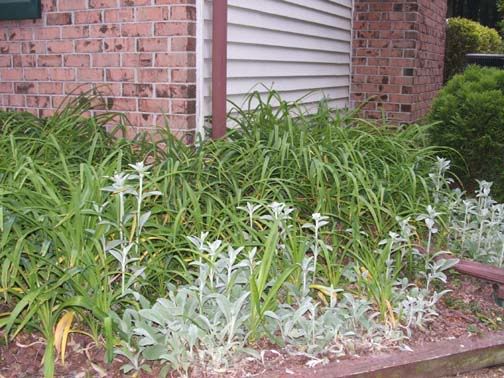
Daylilies, also known as Hemerocallis, are resilient and adaptable plants that can thrive in various conditions. When it comes to whether daylilies like to be crowded, the answer is nuanced. Generally, they can tolerate crowded conditions, but this may not be ideal for their overall health and vitality.
Optimal Spacing for Daylilies
Daylilies typically prefer a certain degree of spacing to thrive. While these plants can grow in crowded environments, adequate spacing allows them to flourish.
- Air circulation: Proper spacing improves ventilation, reducing the risk of disease.
- Access to nutrients: Crowded plants compete for nutrients in the soil, leading to weaker growth.
- Growth potential: With enough space, daylilies can reach their full size and may produce more blooms.
Consequences of Crowding Daylilies
Crowding daylilies can lead to several negative consequences that may affect their growth and blooming abilities.
- Reduced flowering: A crowded environment can result in fewer blooms due to competition for resources.
- Disease susceptibility: Plants that are too close together are more likely to develop fungal or bacterial infections.
- Stunted growth: Limited space can inhibit root development and overall plant health.
Signs Your Daylilies Are Crowded
Recognizing when your daylilies are becoming overcrowded is crucial for maintaining their health. Look for the following signs:
- Smaller blooms: If flowers appear smaller than usual, it may indicate competition for nutrients.
- Declining vigor: A noticeable decrease in plant health and leaf color may suggest overcrowding.
- Stunted growth: When plants don’t grow as tall or full as expected, they might be in need of more space.
Best Practices for Planting Daylilies
To ensure your daylilies thrive, applying certain planting techniques is essential:
- Spacing guidelines: Aim for at least 18-24 inches between plants to provide adequate room for growth.
- Regular division: Every 3-5 years, consider dividing daylilies to maintain their health and production.
- Planting in groups: While spacing is important, planting in small groups can enhance visual impact while still allowing enough room.
Managing Crowding in Established Daylily Beds
If you find yourself with established daylily beds that are overcrowded, there are strategies to manage this issue:
- Dividing crowns: Splitting the plants can give individual specimens more space and promote healthier growth.
- Removing excess foliage: Trimming back overcrowded areas can help improve air circulation and sunlight reach.
- Rearrangement: Consider relocating some plants to other areas in your garden to balance out the space.
Questions from Our Readers
When is the best time to divide daylilies?
To achieve the best results, it is recommended to divide daylilies in either the early spring or late summer. This allows the plants to establish their roots before facing extreme weather conditions.
How often should daylilies be divided?
Daylilies typically need to be divided every 3 to 5 years to prevent overcrowding and to promote healthy growth. This ensures they continue to bloom vigorously and maintain their overall vitality.
See also:
What signs indicate that daylilies need to be divided?
Signs that daylilies need to be divided include decreased blooms, a crowded appearance, or a noticeable change in plant vigor. If the plants appear to be struggling, division may be necessary to rejuvenate them.
Can daylilies be divided after blooming?
Yes, daylilies can be divided after blooming, preferably in late summer. This timing allows them to recover before the onset of winter while still benefiting from the growing season.

If you want to read more articles like When Should Daylilies Be Divided? A Comprehensive Guide for Gardeners, we recommend you check out our Daylily category.
Leave a Reply
Related Articles