What Causes Daylilies to Not Bloom? Understanding the Common Issues and Solutions

Daylilies are beloved for their vibrant blooms and resilience in gardens, but when these stunning perennials fail to flower, it can be a source of frustration for gardeners. Understanding the factors that contribute to this issue is crucial for maintaining a flourishing garden. From inadequate sunlight and improper watering to nutrient deficiencies and pest infestations, numerous factors can hinder daylily blooming. In this article, we will explore the common causes of non-blooming daylilies and provide practical solutions to help you coax your plants back to their enchanting display. With the right care, your daylilies can thrive once more.
What Causes Daylilies to Not Bloom?
Daylilies are celebrated for their vibrant flowers, yet sometimes these stunning plants fail to bloom. The reasons behind this can be diverse, including inadequate sunlight, improper watering, nutrient deficiencies, improper pruning practices, or even pests and diseases. Daylilies typically require full sunlight for a minimum of six hours daily; a lack of this can lead to decreased flowering. Additionally, both overwatering and underwatering can stress the plant, leading to fewer blooms. Moreover, soil that is lacking in important nutrients can inhibit flowering, while incorrect pruning techniques can remove the flower buds before they have a chance to open. Lastly, the presence of pests like aphids or diseases such as rust can adversely affect the plant's overall health and limit flowering.
Insufficient Sunlight
Daylilies thrive in full sunlight, meaning they require at least six hours of direct sunlight each day to produce blooms. If planted in areas that receive too much shade, the plants may become leggy and produce fewer flowers. The lack of adequate sunlight can stress the plant, negatively impacting its ability to photosynthesize, ultimately leading to diminished flowering. It is crucial to identify the best location for daylilies to ensure they receive the necessary light for optimal blooming.
Improper Watering Practices
Watering habits significantly influence the blooming of daylilies. Both overwatering and underwatering can stress the plants. Overwatering can lead to root rot, while insufficient watering causes stress and limits the plant's ability to flourish. Daylilies prefer well-draining soil that retains moisture without becoming waterlogged. A consistent watering schedule that mimics their natural rainfall is ideal, typically around 1 inch per week.
Nutrient Deficiencies
Nutrient deficiencies in the soil can also hinder the blooming of daylilies. Essential nutrients such as nitrogen, phosphorus, and potassium must be present in adequate amounts for healthy growth and flowering. Nutrient-poor soil may not support the plant's needs, leading to poor growth and fewer flowers. Regularly testing soil and incorporating appropriate fertilizers can help in rectifying any deficiencies, providing the necessary nutrients for abundant blooming.
Improper Pruning Techniques
Proper pruning is essential for the health of daylilies, as incorrect techniques can mistake flower buds for spent blooms and remove them prematurely. Typically, pruning should occur after the blooming period to maintain the plant's shape and promote healthy growth. By ensuring that only dead or damaged foliage is removed, gardeners can help retain the flower buds and promote a spectacular display in the following growing season.
Pests and Diseases
The presence of pests and diseases can severely affect the performance of daylilies. Common pests such as aphids, thrips, and slugs can damage leaves and impair the plant's energy needed for flowering. Additionally, diseases like daylily rust or fungal infections can cause stress and hinder bloom formation. Regularly inspecting plants for signs of pests or diseases, along with implementing effective management strategies, is critical to ensuring healthy growth and vibrant flowers.
| Factor | Description |
|---|---|
| Sunlight | Requires at least 6 hours of direct sunlight. |
| Watering | A balance between overwatering and underwatering is crucial. |
| Nutrients | Essential nutrients like nitrogen, phosphorus, and potassium are needed. |
| Pruning | Improper pruning can remove flower buds prematurely. |
| Pests/Diseases | Pests like aphids and diseases such as rust affect blooming. |
What do you do with daylilies that don't bloom?

When dealing with daylilies that do not bloom, it is essential to understand the potential factors contributing to this issue. Here are the steps and considerations to guide you in resolving the problem.
Assess the Light Conditions
To ensure healthy blooming, daylilies require adequate light. Lack of sufficient sunlight is a common reason for non-blooming plants.
- Evaluate sunlight exposure: Daylilies typically thrive in full sun (at least 6 hours of direct sunlight daily).
- Consider relocation: If your daylilies are in a shaded area, consider moving them to a sunnier spot.
- Check surrounding plants: Ensure that larger plants are not overshadowing your daylilies and blocking light.
Check Soil Quality and Drainage
Soil quality and drainage can significantly affect the blooming of daylilies. Poor soil can hinder flower production.
- Test soil pH: Daylilies prefer a slightly acidic to neutral pH (6.0 to 7.0). Adjust accordingly with amendments.
- Enhance soil nutrients: Incorporate organic matter like compost to improve fertility and drainage.
- Assess drainage: Ensure that the soil drains well, as waterlogged conditions can stress the plants.
Evaluate Watering Practices
Watering plays a crucial role in plant health. Both overwatering and underwatering can lead to a lack of blooms.
- Establish a watering routine: Ensure that daylilies receive 1 to 2 inches of water per week, adjusting based on rainfall.
- Check soil moisture: The soil should be moist but not soggy. Use your finger to test the moisture level.
- Consider irrigation methods: Drip irrigation or soaker hoses may be beneficial to provide consistent moisture.
Inspect for Pests and Diseases
Pests and diseases can also prevent daylilies from producing blooms. Regular inspections are important for early detection.
See also:
- Look for signs of pests: Examine leaves and stems for aphids, spider mites, or other insects.
- Monitor for disease symptoms: Watch for discoloration, wilting, or any unusual leaf spots that indicate disease.
- Treat effectively: Use insecticidal soap or appropriate fungicides based on the identified problem.
Consider Plant Age and Division
The age of daylilies can also impact their blooming capabilities. Older plants may require rejuvenation.
- Assess plant maturity: Daylilies may take a year or two to settle in and begin blooming after planting.
- Divide crowded plants: If daylilies have become overcrowded, consider dividing them to promote better growth.
- Replant divisions immediately: Ensure divisions are replanted with care, following proper spacing guidelines.
How do I get my day lilies to bloom?
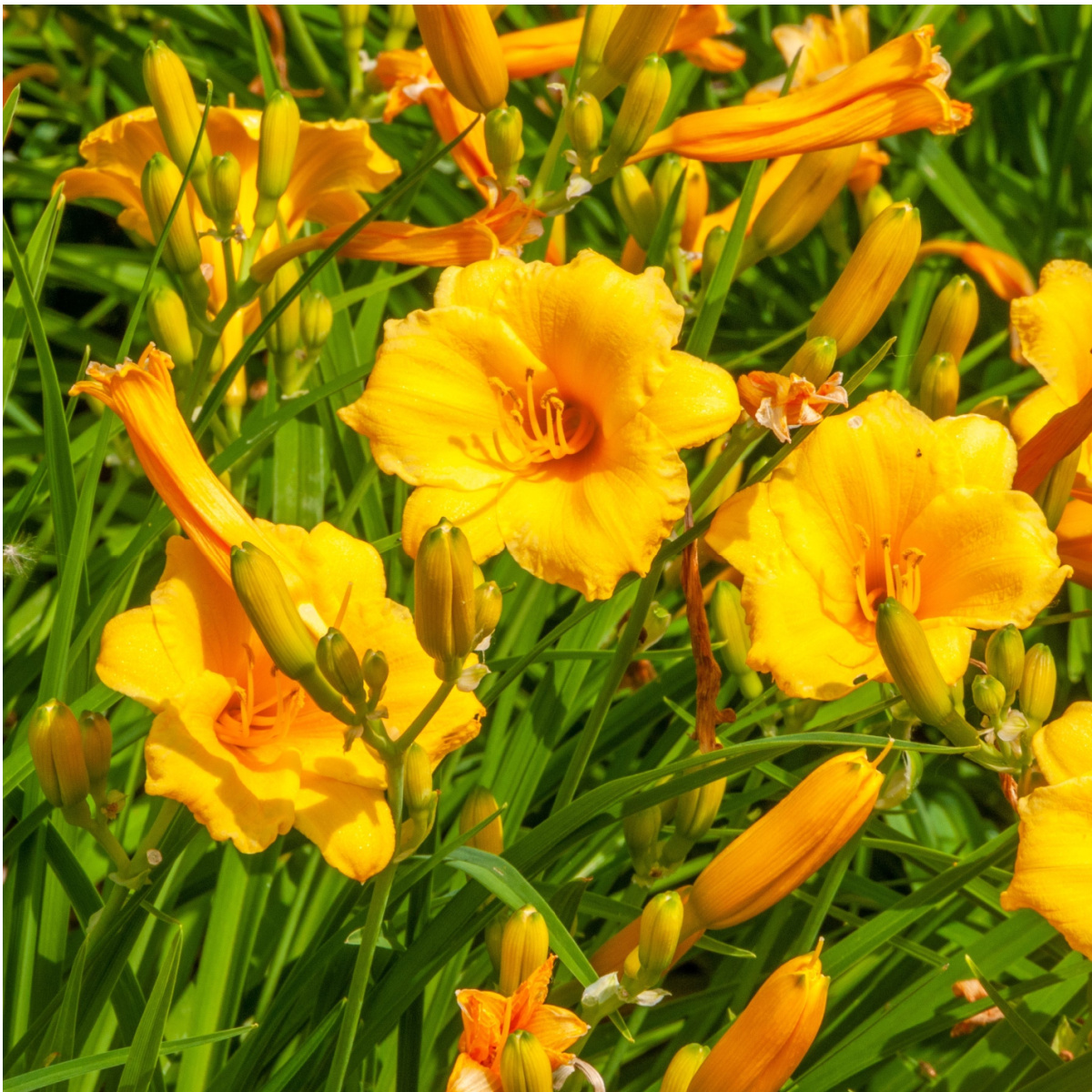
To encourage your day lilies to bloom effectively, it's essential to provide the right conditions and care. Here are some strategies to promote blooming:
Soil Quality
Day lilies thrive in well-draining, fertile soil rich in organic material. Ensuring optimal soil quality can significantly impact blooming. Consider the following tips to enhance your soil:
- Test your soil to determine pH and nutrient levels.
- Amend soil with compost to improve fertility and drainage.
- Avoid compacted soil, as it inhibits root growth.
Sunlight Exposure
Day lilies require a minimum of 6 hours of direct sunlight daily to bloom effectively. Insufficient light can cause plants to grow but not produce flowers. To optimize sunlight exposure:
- Plant in full sun, preferably in locations that receive morning sun.
- Avoid shading by nearby trees or structures that can block light.
- Observe daily sunlight patterns to ensure your flowers are positioned optimally.
Watering Practices
Proper watering is crucial for healthy day lilies. While they are relatively drought-tolerant, consistent moisture can enhance blooming. Here are some effective watering practices:
- Water deeply once a week, especially during dry spells.
- Avoid overwatering, which can lead to root rot.
- Mulch around plants to retain soil moisture and regulate temperature.
Fertilization Techniques
Applying the right fertilizer can provide essential nutrients that promote blooming. Day lilies benefit from specific fertilization strategies:
- Use a balanced fertilizer with equal N-P-K ratios during the growing season.
- Apply fertilizers in early spring as new growth begins.
- Follow package instructions to avoid over-fertilization.
Pruning and Maintenance
Regular maintenance, including pruning and deadheading, helps maintain your day lilies' health and encourages further blooming. Consider these maintenance tips:
- Remove spent flowers (deadheading) to promote new blooms.
- Cut back foliage in the fall to prevent disease and prepare for winter.
- Divide plants every few years to maintain vigor and promote blooming.
Why aren't my daylilies producing flowers?
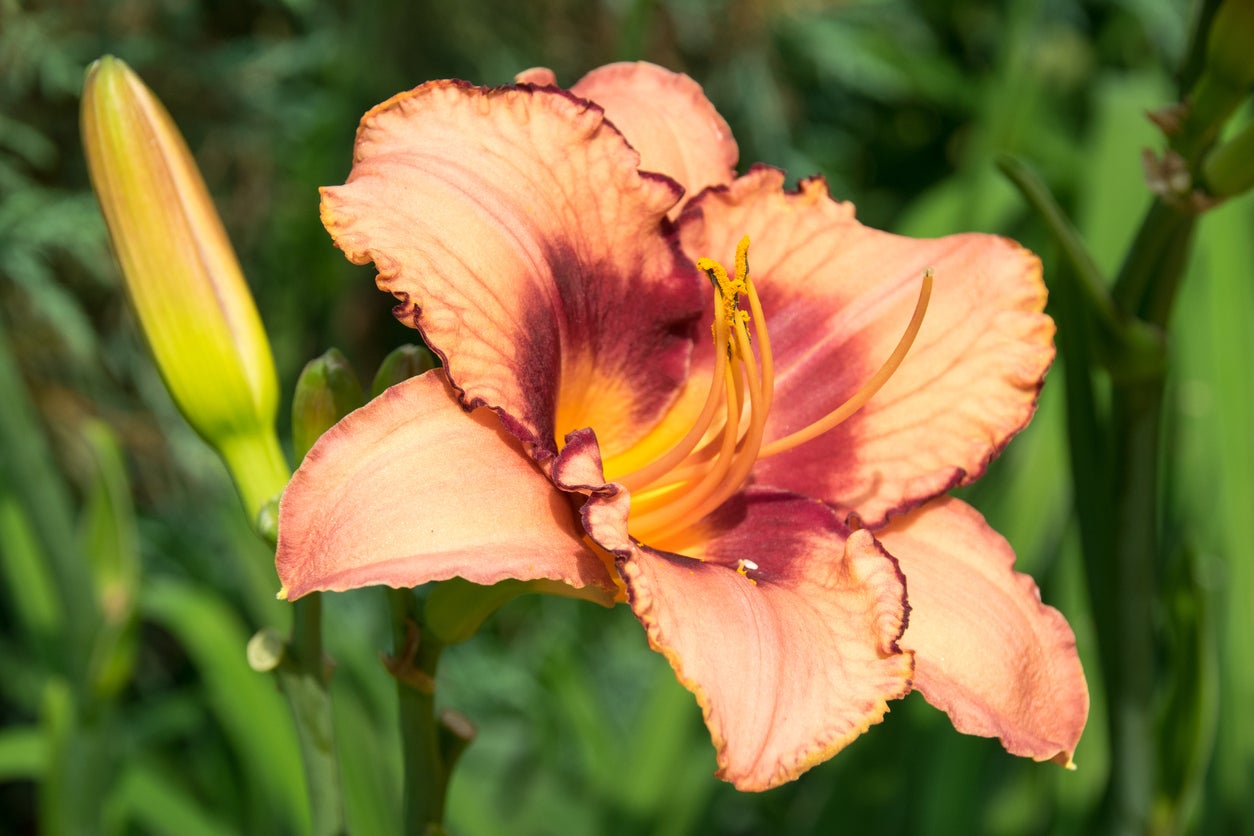
There are several reasons why your daylilies might not be producing flowers. Understanding the factors that contribute to flowering can help you diagnose the issue and take the necessary steps to encourage blooming. Here are some possible explanations:
Insufficient Sunlight
Daylilies require a minimum of six hours of direct sunlight each day to thrive and produce flowers. If they are planted in a shaded area, their ability to bloom may be significantly impaired. Here are some considerations:
- Location: Check if nearby trees, buildings, or other plants are casting shadows on your daylilies.
- Season: Ensure that the sun is shining directly on them for adequate hours, especially during the growing season.
- Adjustments: If necessary, consider relocating your daylilies to a sunnier spot in your garden.
Improper Watering
Watering practices play a crucial role in the health of your daylilies. Both overwatering and underwatering can hinder flowering. Here are some tips:
- Soil Moisture: Daylilies thrive in well-drained soil; check if the soil feels too dry or excessively wet.
- Watering Schedule: Water deeply but infrequently to encourage root development without waterlogging.
- Signs of Stress: Look for wilting or yellowing leaves as indicators of either too much or too little water.
Nutrient Deficiency
Lack of essential nutrients can also be a reason for the lack of flowers in daylilies. Here are some aspects to consider:
See also:
- Soil Testing: It may be beneficial to perform a soil test to determine nutrient levels and pH balance.
- Fertilization: Apply a balanced fertilizer in early spring to support blooming, following package instructions.
- Organic Matter: Incorporate compost or organic matter into the soil to improve fertility and structure.
Overcrowding
Daylilies can become overcrowded as they grow, leading to reduced blooming. Here’s how to manage it:
- Division: Consider dividing your daylilies every 3-5 years to allow for adequate space for growth.
- Spacing: Ensure that your plants are spaced properly to reduce competition for resources.
- Observation: Monitor their growth and adjust as necessary to promote healthier plants.
Wrong Variety for Your Climate
Different daylily varieties have varying requirements and adaptability to climates. Here’s what to consider:
- Hardiness Zone: Determine if your daylily variety is suitable for your local climate conditions.
- Watering Needs: Some varieties may require more water or different care techniques.
- Heat Stress: Excessive heat can also inhibit blooming; consider selecting heat-tolerant varieties if applicable.
What to do when lilies don't bloom?

When lilies don't bloom, it can be a source of frustration for gardeners. There are several factors that can contribute to the lack of blooms, and understanding them is key to encouraging your lilies to flower. Here are some common reasons and solutions to consider.
Common Reasons for Non-Blooming Lilies
Lilies may fail to bloom for a variety of reasons, and recognizing these can help you take the necessary steps to rectify the situation. Some common reasons include:
- Insufficient sunlight: Lilies generally require full sun to thrive and bloom. Without enough light, their growth can be stunted.
- Improper watering: Both overwatering and underwatering can affect blooming. It’s vital to maintain consistent moisture in the soil.
- Soil quality: Poor soil conditions, including lack of nutrients or compacted soil, can inhibit blooming.
- Pests and diseases: Infestations or diseases can damage the plant, diverting energy away from blooming.
- Plant age: Younger bulbs may take time to establish themselves before producing flowers.
Assessing Sunlight Exposure
Evaluating the amount of sunlight your lilies receive is essential. These plants typically thrive in areas that receive at least 6 hours of direct sunlight daily. If your lilacs are in partial shade, consider relocating them to a sunnier spot.
- Observe sunlight patterns: Monitor the sunlight exposure throughout the day to identify shaded areas.
- Relocate if necessary: If sunlight is insufficient, transplant your lilies to a location with better lighting.
- Use reflective surfaces: Position reflective materials around the lilies to increase light intake.
Adjusting Watering Practices
Watering can be tricky; each year can present unique weather challenges that affect how you water your lilies. Ensuring they have the right amount of moisture is crucial for blooming.
- Check soil moisture: Use your finger to check if the soil is dry within the first inch. Water if it is dry.
- Consistent watering schedule: Establish a regular watering routine, especially during dry spells.
- Avoid waterlogging: Ensure proper drainage to prevent root rot, which can be detrimental to bloom production.
Improving Soil Quality
Healthy soil is a fundamental aspect of thriving plants. If your lilies are not blooming, consider enhancing the soil in which they grow.
- Test soil pH: Lilies prefer slightly acidic to neutral pH (around 6.0 to 7.0). Testing kits are available at garden centers.
- Add organic matter: Incorporate compost or well-rotted manure into the soil to improve nutrient content.
- Aerate the soil: Loosen compacted soil to allow better root growth and nutrient uptake.
Checking for Pests and Diseases
Pests and diseases can undermine the health of your lilies, preventing them from blooming effectively. Keeping your plants healthy means being vigilant about potential threats.
- Inspect foliage regularly: Look for any signs of pests such as aphids or spider mites, as well as signs of fungal diseases.
- Treat promptly: Use organic insecticides or fungicides to address any infestations or infections.
- Maintain plant health: Regularly remove dead leaves and debris that may harbor pests.
Understanding Plant Age and Maturity
The age and maturity of your lilies can greatly influence their blooming potential. Newly planted bulbs may take a year or more to form substantial blooms.
- Be patient: Understand that it may take time for new bulbs to establish before they bloom.
- Feed appropriately: Use a balanced fertilizer to help encourage growth as the bulbs mature.
- Monitor bulb health: Ensure that the bulbs remain healthy throughout their establishment period to ensure future blooms.
Questions from Our Readers
What environmental factors can prevent daylilies from blooming?
Daylilies may not bloom due to several environmental factors such as insufficient sunlight, poor soil quality, or inappropriate temperature conditions. These plants typically require at least 6 hours of direct sunlight daily, and if they don't receive enough light or are planted in too shady an area, their ability to flower can be significantly hindered.
How does overwatering affect daylily blooming?
Overwatering can lead to root rot and other moisture-related issues, which ultimately affect the health of the daylilies. When the roots are saturated with water, they cannot absorb the necessary nutrients, resulting in poor growth and a lack of blooms. It's important to maintain proper drainage and only water when the soil is sufficiently dry.
Can nutrient deficiencies cause daylilies not to bloom?
Yes, nutrient deficiencies can significantly affect the blooming of daylilies. A lack of essential nutrients such as nitrogen, phosphorus, and potassium can lead to stunted growth and fewer flowers. Regularly analyzing and amending the soil with suitable fertilizers can help ensure that daylilies receive the nutrients they need to bloom effectively.
See also:
Is it possible for daylilies to bloom less due to overcrowding?
Absolutely, overcrowding can prevent daylilies from blooming as they compete for resources like water, nutrients, and space. When daylilies are too close together, it can stunt their growth and reduce flowering. Dividing the plants every few years helps alleviate this issue, giving each plant more room to thrive and produce flowers.

If you want to read more articles like What Causes Daylilies to Not Bloom? Understanding the Common Issues and Solutions, we recommend you check out our Daylily category.
Leave a Reply
Related Articles