What is the Best Plant Food for Daylilies? Top Choices for Thriving Blooms
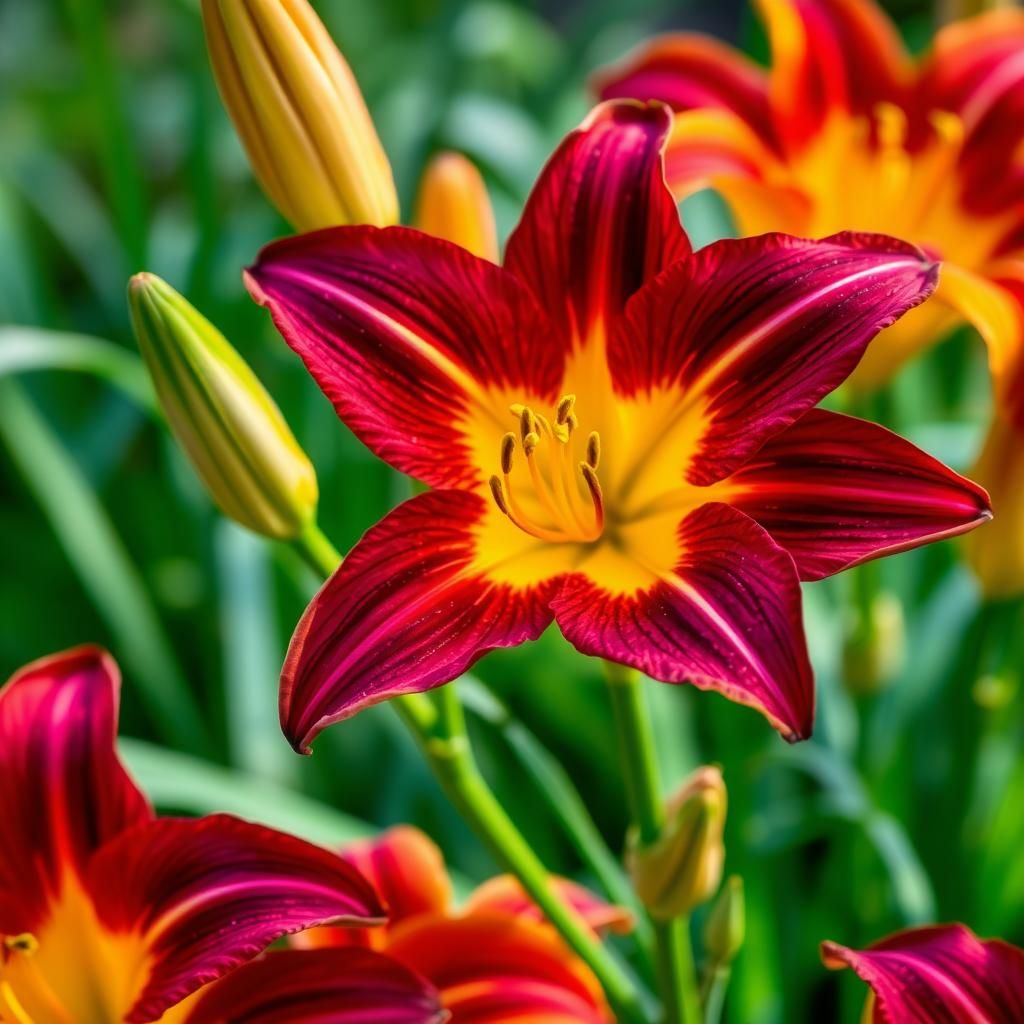
Daylilies are beloved for their vibrant blooms and resilience in the garden, but providing the right nourishment is crucial for maximizing their beauty. Choosing the best plant food for daylilies can significantly impact their growth, flowering, and overall health. With a plethora of options available, it’s essential to understand the nutritional needs of these perennials to select the most effective fertilizers. In this article, we will explore the top choices for daylily food, considering factors such as nutrient composition, application methods, and the specific needs of these stunning flowers to ensure a thriving display in your garden.
What is the Best Plant Food for Daylilies?
Daylilies thrive best when nourished with a balanced fertilizer that contains nitrogen, phosphorus, and potassium, often referred to as NPK. A slow-release, granular fertilizer with an NPK ratio of 10-10-10 or 5-10-10 is particularly beneficial in promoting robust growth and vibrant blooms. Additionally, incorporating organic matter such as compost can enhance soil structure and provide a steady supply of nutrients over time. It's advisable to apply the fertilizer in the early spring before the plants start their new growth cycle, ensuring that daylilies receive the vital nutrients they need to flourish throughout the growing season.
Understanding NPK Ratios
The NPK ratio indicates the percentage of nitrogen (N), phosphorus (P), and potassium (K) in a fertilizer. Daylilies particularly benefit from a higher phosphorus content, which supports flowering. A balanced ratio such as 5-10-10 can significantly enhance blooming and root development, ensuring that the plants remain healthy and visually striking.
Organic vs. Synthetic Fertilizers
Both organic and synthetic fertilizers can be effective for daylilies, but they differ in their composition and release rates. Organic options, like compost or well-rotted manure, improve soil structure and may provide nutrients over a longer period. On the other hand, synthetic fertilizers often deliver immediate results but can lead to nutrient runoff. Ultimately, the choice between these types depends on your gardening practices and the specific needs of your soil.
Timing of Fertilizer Application
The timing of fertilizer application is crucial for daylilies. Applying a balanced fertilizer in early spring, just as new growth emerges, can encourage lush foliage and abundant blooms. A second application may be beneficial mid-summer to support ongoing growth and flowering, but care should be taken to avoid over-fertilizing, which can lead to excessive foliage at the expense of blooms.
See also:
Signs of Nutrient Deficiency
Daylilies showing signs of nutrient deficiency may exhibit yellowing leaves, stunted growth, or a lack of flowers. Yellowing can often indicate a nitrogen deficiency, while poor root development may point to insufficient phosphorus. Regularly monitoring your plants can help ensure they receive adequate nutrient levels, leading to a more vibrant display.
Soil Testing for Nutrient Needs
Conducting a soil test is an effective way to determine the specific nutrient needs of your daylilies. Soil tests can provide insights into pH levels and nutrient deficiencies, allowing gardeners to tailor their fertilizer choices accordingly. By understanding the unique requirements of your soil, you can optimize growth conditions for your daylilies and enhance their overall health.
| Nutrient | Role in Growth |
|---|---|
| Nitrogen | Promotes leaf and stem growth. |
| Phosphorus | Supports root development and flowering. |
| Potassium | Enhances overall plant health and disease resistance. |
Understanding Nutrient Requirements for Daylilies
Daylilies thrive with the right balance of nutrients, including nitrogen, phosphorus, and potassium. These essential elements support root development, flower production, and overall plant health. When selecting the best plant food, it’s important to choose one that matches the specific growth phase of your daylilies, whether they are newly planted or established. Additionally, organic fertilizers can improve soil structure and enhance micronutrient availability, promoting robust and vibrant blooms throughout the growing season.
Choosing the Right Fertilizer Ratio
When it comes to selecting a fertilizer for daylilies, the N-P-K ratio (nitrogen, phosphorus, potassium) is crucial. For optimal growth, a balanced ratio like 10-10-10 or a specific blend promoting blooms, such as 5-10-5, can be effective. Nitrogen encourages lush foliage, while phosphorus boosts flowering and root health. Potassium helps the plant with overall resilience and disease resistance. Selecting the appropriate ratio based on your daylily's needs will ensure healthy growth and vibrant flowers.
Organic vs. Synthetic Fertilizers
Both organic and synthetic fertilizers can be beneficial for daylilies, but they serve different purposes. Organic fertilizers, such as compost, bone meal, and kelp, improve soil structure and support beneficial soil microbes, leading to long-term plant health. Conversely, synthetic fertilizers provide immediate nutrients that can enhance growth quickly. Understanding the differences will help you select the right type for achieving the best results based on your gardening style and the needs of your daylilies.
See also:
The Importance of Timing in Fertilization
Timing your fertilization is pivotal for maximizing blooming potential in daylilies. It is best to apply fertilizer in early spring as new growth emerges, which supports vigorous foliage development. A second application can be beneficial in mid-summer to maintain nutrient levels during the peak blooming season. Avoid fertilizing too late in the growing season, as this can encourage new growth susceptible to winter damage and inhibit the plant's natural dormancy process.
Watering Practices After Fertilization
After applying fertilizer, adequate watering is essential to help the nutrients penetrate the soil and reach the roots effectively. Ensure that daylilies are watered well after fertilization, as this facilitates nutrient absorption and helps prevent potential fertilizer burn. Keeping the soil consistently moist, especially during the growing season, will also support the overall health of the plants, leading to more abundant and vibrant flowers.
Signs of Nutrient Deficiency
Recognizing the signs of nutrient deficiency in daylilies can help you address issues before they impact blooming. Common symptoms include yellowing leaves, poor growth, and reduced flowering. A deficiency in nitrogen may result in stunted growth and pale foliage, while lack of phosphorus can lead to fewer flowers and poor root development. Regularly inspecting your plants and adjusting your fertilization strategy accordingly will ensure your daylilies receive the nutrients they need to thrive.
Questions from Our Readers
What is the best plant food for daylilies?
The best plant food for daylilies is a balanced fertilizer with an N-P-K ratio of 10-10-10 or similar. Using a slow-release fertilizer provides essential nutrients over time, promoting healthy growth and vibrant blooms in your daylilies.
When should I apply fertilizer to my daylilies?
You should apply fertilizer to your daylilies in early spring as new growth begins, and you can also do a second application in early summer to boost blooms. This timing ensures that the plants receive nutrients during their active growing season.
See also:
How often should I fertilize daylilies?
Fertilizing daylilies every 6 to 8 weeks during the growing season is typically recommended. This interval allows the plants to efficiently absorb nutrients while preventing any potential nutrient burn.
Can I use organic fertilizers for daylilies?
Yes, you can use organic fertilizers such as compost or well-rotted manure for daylilies. These options not only enrich the soil but also improve its structure, leading to healthier roots and improved flowering.
If you want to read more articles like What is the Best Plant Food for Daylilies? Top Choices for Thriving Blooms, we recommend you check out our Daylily category.
Leave a Reply
Related Articles