Can Daylilies Spread? Everything You Need to Know About Their Growth and Propagation

Daylilies, known for their vibrant blooms and resilience, are a popular choice among gardeners. However, many wonder about their ability to spread and how to effectively propagate them. This article delves into the growth habits of daylilies, exploring their natural spreading tendencies and the methods available for propagation. Whether you’re looking to expand your garden or simply understand these hardy perennials better, we’ll provide insights into the best practices for encouraging healthy growth. Join us as we uncover everything you need to know about daylilies, ensuring they flourish in your garden year after year.
Can Daylilies Spread?
Daylilies are known for their vibrant flowers and hardy nature, and they can indeed spread in various ways. These perennial plants primarily propagate through rhizomes, which are underground stems that produce new growth and roots. As these rhizomes expand, they can effectively colonize surrounding areas, leading to a denser plant formation over time. Additionally, daylilies can also reproduce by seed, but this method is less common due to the variability in flower characteristics and the time it takes for seedlings to mature. If left unchecked, daylilies can invade garden spaces, making their spread a consideration for gardeners.
How Do Daylilies Spread Vegetatively?
Vegetative propagation is the primary method by which daylilies spread. Through their rhizomes, these plants can grow new shoots and roots during the growing season. As the rhizome network develops and branches out, it allows the plants to expand their territory, often resulting in a lush bloom of flowers in a specific area. This method of asexual reproduction means that new plants are genetically identical to the original, making it an efficient way to maintain strong traits within a specific variety.
Do Daylilies Spread by Seed?
While daylilies can produce seeds after flowering, this method of spread is less effective compared to vegetative means. After pollination, the seed pods develop and can contain multiple seeds. However, the chances of these seeds producing successful new plants depend on various factors, including germination conditions and seed viability. Unlike vegetative growth, seedlings can take years to reach flowering maturity, and the resulting plants may not possess the same characteristics as their parent plants due to genetic diversity.
What Impact Can Spreading Have on Your Garden?
The spread of daylilies can have both positive and negative impacts on your garden. On one hand, their vibrant blooms can enhance the overall aesthetic of the landscape. On the other hand, if left uncontrolled, daylilies can become invasive, potentially choking out other plants and monopolizing resources such as nutrients, light, and water. This competitive nature means that garden management is crucial to prevent daylilies from overtaking desired plants.
How to Control Daylily Spread?
Controlling the spread of daylilies involves a few management strategies. Regular division of the plants every 3-4 years can help maintain their population and prevent them from becoming too densely packed. Additionally, planting daylilies in contained spaces or using barriers to restrict rhizome growth can be effective. Gardeners can also utilize herbicides or hand-pull unwanted daylily plants, although caution should be taken not to disturb desired plants in the process.
Are There Different Types of Daylilies That Spread Differently?
Yes, there are multiple varieties of daylilies, and their modes of spread can vary. Some cultivars are more aggressive in spreading due to their growth habits and rhizome production rate, while others may be more restrained. Understanding the specific type of daylily you are planting can help you anticipate its growth behavior and manage its spread accordingly. Gardeners often choose a variety based on its desired spread behavior, flower characteristics, and adaptability to local climates.
| Method of Spread | Description | Effectiveness |
|---|---|---|
| Vegetative (Rhizomes) | Growth via underground stems | Very Effective |
| Seed | Growth via seed production | Less Effective |
| Dividing | Manual separation of rhizomes | Highly Effective |
Can daylilies get overcrowded?
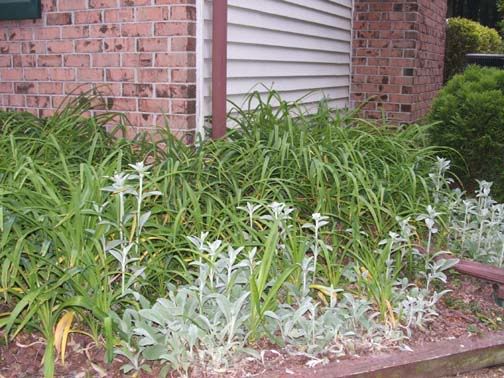
Yes, daylilies can indeed get overcrowded over time. This phenomenon typically occurs when the plants are not divided regularly. As daylilies grow, their clumps can expand significantly, resulting in reduced blooming and an overall decline in plant health. It's essential to monitor their growth and divide them as necessary to maintain vigor and promote healthy blooms.
Understanding Daylily Growth Patterns
Daylilies are perennial plants that can thrive in various environmental conditions. Over time, their growth patterns can lead to overcrowding, which is characterized by a dense mass of foliage and reduced flowering. Understanding these growth patterns is crucial for gardeners who wish to maintain a healthy garden.
See also:
- Clumping Growth: Daylilies form large clumps as they mature.
- Decreased Blooming: Overcrowded daylilies may produce fewer flowers.
- Competition for Resources: Plants may compete for nutrients and water, affecting overall health.
Signs of Overcrowding in Daylilies
Recognizing the signs of overcrowding is vital for effective management of daylilies. When these plants become overcrowded, they will exhibit specific symptoms that indicate they need immediate attention.
- Thin and Spindly Growth: Stems may become weak and elongated.
- Reduced Flower Production: Fewer blooms than expected during the flowering season.
- Yellowing Leaves: Leaves may begin to yellow due to stress from overcrowding.
Best Practices for Managing Overcrowded Daylilies
To prevent overcrowding, implementing best practices for managing daylilies is essential. Regular maintenance can help keep the plants healthy and lush.
- Regular Division: Divide clumps every 3-5 years to promote growth.
- Spacing: Ensure enough space between plants during planting.
- Soil Health: Maintain healthy soil to support optimal growth.
The Benefits of Dividing Daylilies
Dividing daylilies not only helps to alleviate overcrowding but also offers several benefits for overall plant health and garden aesthetics.
- Improved Air Circulation: Divided plants have better airflow around them.
- Increased Flowering: More blooms can result from healthier plants.
- Enhanced Soil Fertility: Dividing allows for mixing of fresh soil components.
When to Divide Daylilies
Timing is crucial when it comes to dividing daylilies. Knowing the ideal time can enhance growth and minimize stress on the plants.
- Late Summer to Fall: After flowering, ideal time for division.
- Spring Division: Possible, but may affect early blooms.
- Soil Moisture Considerations: Ensure soil is adequately moist before division.
What happens if you don't divide daylilies?
:max_bytes(150000):strip_icc()/GettyImages-89445033-b223502958a44cff8c5819e9df1cffd2.jpg)
If you don't divide daylilies, several unintended consequences can occur over time. Daylilies, scientifically known as Hemerocallis, are hardy perennials that thrive when properly maintained. However, failing to divide them can lead to a range of problems that can affect their growth, health, and overall garden aesthetics.
Reduced Bloom Performance
Not dividing daylilies can lead to overcrowding, which tends to limit the available resources for each plant. This overcrowding can cause the plants to produce fewer flowers because:
- Competition for nutrients increases, leading to weaker growth.
- Plants become less vigorous and less capable of producing blooms.
- Some plants may become completely dormant due to stress from competition.
Compromised Health of the Plants
When daylilies are not divided, they can suffer from a variety of pests and diseases due to poor air circulation and higher humidity levels within the clump. This can result in:
- Increased susceptibility to fungal diseases and rot.
- Attracting pests that thrive in crowded conditions.
- Overall decline in plant health, leading to potential plant death.
Poor Root Development
Daylilies that are left un-divided can experience compromised root systems. Over time, this can limit their ability to absorb water and nutrients effectively. The repercussions include:
- Shallow root systems that struggle to anchor the plants.
- Decreased ability to withstand drought conditions.
- Limited access to moisture and nutrients, hindering growth.
Unattractive Garden Appearance
A lack of division can lead to an overgrown appearance in garden beds, affecting the overall aesthetic. Neglected daylilies can contribute to:
See also:
- Unkempt foliage and fewer flowers, diminishing visual appeal.
- Increased competition from weeds, which thrive in overcrowded spaces.
- Difficulty in maintaining garden design and layout due to chaotic growth.
Shortened Lifespan of the Plants
Failure to divide daylilies may lead to a shortened lifespan for the plants. Over time, this can have lasting implications, such as:
- Increased stress due to competition, resulting in early decline.
- Buildup of diseases leading to premature death of the plants.
- General weakening of the overall clump, making rejuvenation difficult.
How to make daylilies spread?
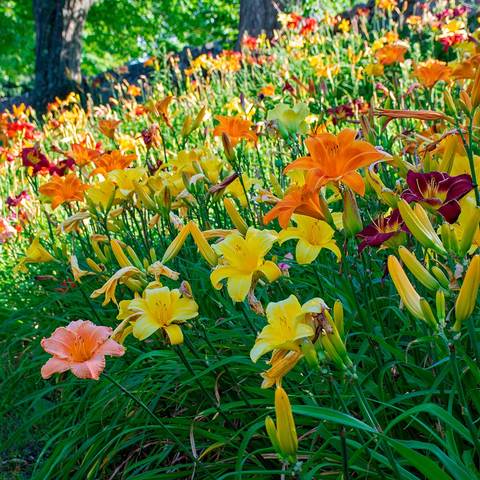
To make daylilies spread effectively, there are several key practices to consider. Daylilies, known for their vibrant blooms and resilience, can enhance your garden through proper propagation and care. Below are detailed strategies on how to ensure your daylilies thrive and spread.
Understanding Daylily Propagation
When looking to spread daylilies, it's crucial to understand the different methods of propagation. Daylilies can be propagated through division, seed, or tissue culture. The most common method among gardeners is division, which involves separating mature plants into smaller sections.
- Division: This is best done in early spring or late summer when the plants are actively growing.
- Seeds: Although this method requires more time and patience, it allows for genetic variability in the new plants.
- Tissue Culture: A more advanced technique, often used commercially, allows growth in a controlled environment.
Choosing the Right Location
The location of your daylilies can significantly impact their ability to spread. Daylilies prefer a sunny spot with well-draining soil. They can tolerate a variety of soil types but thrive in loamy conditions.
- Sunlight: Full sun (at least 6 hours) encourages vigorous growth and blooming.
- Soil: Ensure the soil is rich in organic matter to promote healthy roots.
- Space: Allow adequate spacing between plants for air circulation and growth.
Proper Watering Techniques
Watering is a critical factor in spreading daylilies. They require moisture without becoming waterlogged, which can lead to root rot.
- Deep Watering: Aim for a thorough watering, allowing the water to reach deeper soil layers.
- Frequency: Water about once a week during dry spells, adjusting for rainfall.
- Mulching: A layer of mulch helps retain moisture and regulate soil temperature.
Fertilization Practices
To encourage healthy growth and flowering, proper fertilization is necessary. Daylilies benefit from balanced fertilizers that provide essential nutrients.
- Timing: Fertilize in early spring when new growth begins and again after blooming.
- Type: Use a slow-release fertilizer for prolonged nutrient availability.
- Application: Follow package directions to avoid over-fertilizing, which can harm the plants.
Encouraging Natural Spread
Daylilies can also spread naturally through self-seeding and vegetative growth. To aid this process, consider minimal disturbance of their natural environment.
- Leave Seed Heads: Allowing spent blooms to develop seed pods can lead to new plants.
- Minimal Maintenance: Let the plants grow naturally without excessive pruning to encourage lateral spread.
- Combining Varieties: Planting different daylily varieties can promote cross-pollination and result in new growth.
Questions from Our Readers
Can daylilies spread by seed?
Yes, daylilies can spread by seed, but this is not their primary method of propagation. When daylilies flower, they produce seed pods that can be collected and planted, but typically, they are more commonly propagated through division of their roots.
Do daylilies spread through their roots?
Absolutely, daylilies are known for their ability to spread through their root systems. Over time, as they grow, their roots can produce new plants or fans, leading to a dense clumping effect and thus, they can effectively cover more area in the garden.
See also:
How can I control the spread of daylilies in my garden?
To control the spread of daylilies, one can regularly divide the plants every few years, which not only helps manage their growth but also promotes healthier blooms. Additionally, using barriers, such as edging materials, can limit their expansion into unwanted areas.
Are daylilies considered invasive?
While daylilies are not inherently invasive, they can become a problem in certain conditions by spreading too vigorously. In some regions, particularly where they thrive, it's important to monitor their growth and take steps to ensure they do not outcompete other plants in your garden.

If you want to read more articles like Can Daylilies Spread? Everything You Need to Know About Their Growth and Propagation, we recommend you check out our Daylily category.
Leave a Reply
Related Articles