How to Make Daylilies Bigger? Essential Tips for Gardeners to Boost Growth

Daylilies are beloved for their vibrant blooms and resilience, making them a favorite among gardeners. However, achieving larger, more impressive flowers often requires a bit of know-how. In this article, we will explore essential tips and techniques to boost the growth of your daylilies, ensuring they reach their full potential. From optimal planting conditions to proper watering and fertilization strategies, we’ll cover everything you need to cultivate these stunning perennials. Whether you’re a seasoned gardener or a novice, these practical insights will help you enhance the beauty of your garden and enjoy the stunning display of larger daylilies.
Tips for Growing Bigger Daylilies
To cultivate larger daylilies, it is essential to ensure they receive adequate sunlight, sufficient nutrients, and proper spacing. Daylilies thrive best in full sun conditions, requiring at least six hours of direct sunlight daily. Soil enriched with organic matter or well-decomposed compost enhances nutrient availability, promoting robust growth. Regularly applying a balanced fertilizer during the growing season can also support bigger blooms. Additionally, giving plants enough space for air circulation helps prevent disease and encourages healthy development. Lastly, adequate watering, especially during dry spells, is vital for encouraging larger foliage and flowers.
Choosing the Right Soil
The foundation of thriving daylilies lies in the quality of the soil they are planted in. Daylilies prefer well-drained, loamy soil that retains moisture but avoids excessive waterlogging. Incorporating organic matter, such as compost, not only improves soil structure but also enhances nutrient content, leading to healthier plants with the potential for larger blooms. Regular soil testing can help determine any deficiencies, allowing for tailored amendments that can foster growth.
Optimal Sunlight Exposure
Daylilies flourish in environments that provide generous sunlight. Ideally, these plants should receive a minimum of six to eight hours of direct sunlight each day, as insufficient light can hinder their growth and blooming potential. Positioning daylilies in south- or west-facing areas ensures maximum sun exposure. If natural light is limited, consider trimming surrounding plants or relocating daylilies to sunnier spots for optimal growth.
Watering Techniques
Proper watering techniques are crucial in promoting larger daylilies. These plants require consistent moisture, especially during prolonged dry spells. Deep watering once a week is typically sufficient, allowing the soil to dry slightly between waterings. Drip irrigation or soaker hoses can be effective in delivering moisture directly to the roots while minimizing evaporation. It’s essential to monitor weather conditions and adjust watering schedules accordingly to maintain healthy, hydrated plants.
Fertilizing for Growth
Fertilizing daylilies appropriately can significantly impact their growth and flower size. Utilizing a balanced, slow-release fertilizer formulated for flowering plants can provide essential nutrients. Applying fertilizer in early spring as new growth begins, and again after the first blooming cycle, can enhance overall vigor. Additionally, incorporating organic options like fish emulsion or compost can naturally boost soil health and support larger blooms.
Spacing and Pruning Considerations
Adequate spacing and periodic pruning are vital for promoting larger daylilies. When planting, ensure each daylily has ample room to spread out—typically at least 18 to 24 inches apart. This spacing allows for air circulation and prevents competition for nutrients. Regularly removing dead or crowded foliage can redirect energy to healthier blooms, supporting overall growth and helping to achieve larger flowers.
| Factor | Impact on Growth |
|---|---|
| Soil Quality | Affects nutrient availability and root health. |
| Sunlight | Essential for optimal photosynthesis; supports larger blooms. |
| Watering | Maintains moisture levels; prevents stress on plants. |
| Fertilizing | Provides necessary nutrients to enhance plant vigor. |
| Spacing | Prevents overcrowding; supports air circulation and health. |
How to make daylilies grow thicker?
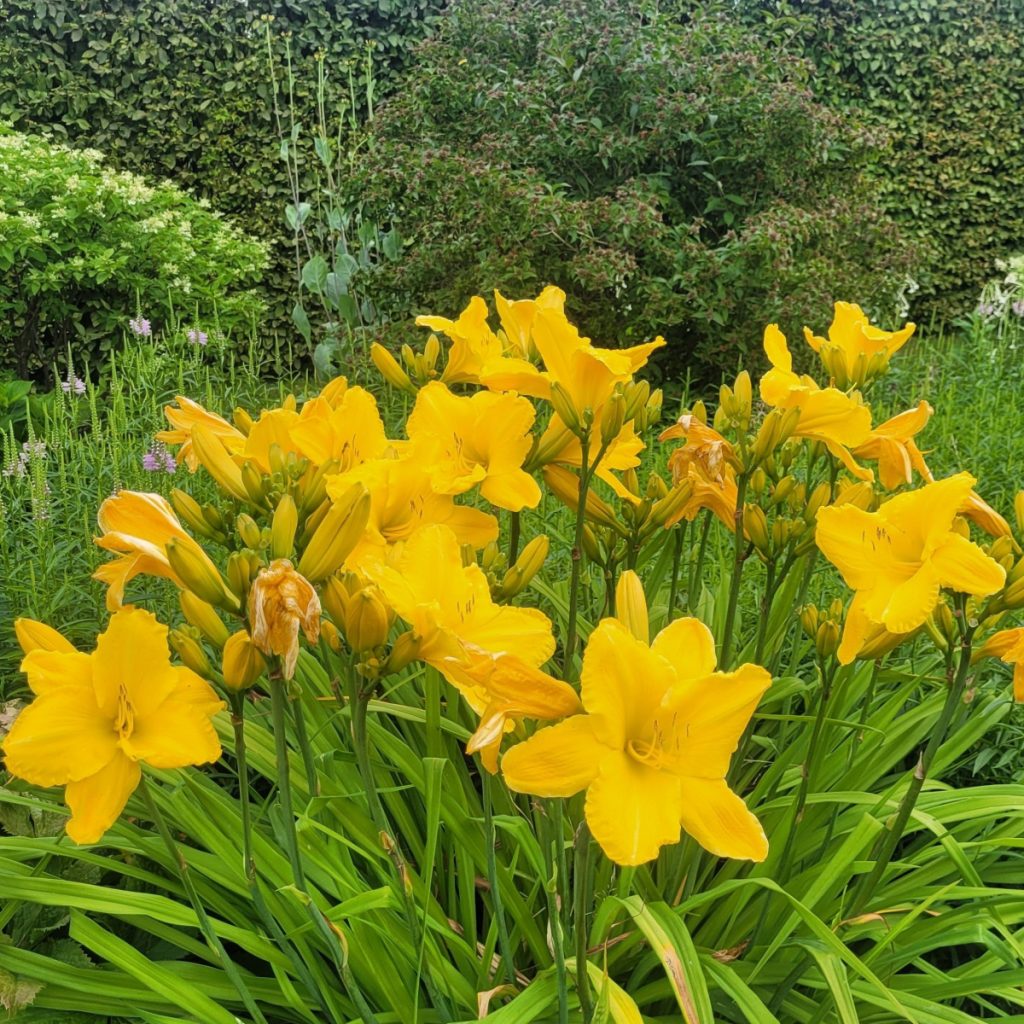
To make daylilies grow thicker, it is important to focus on several elements of their care and cultivation. Here are some effective ways to enhance the growth and density of your daylilies.
Soil Quality
The foundation of thick daylilies begins with the quality of the soil. Daylilies thrive in well-draining, fertile soil that provides necessary nutrients.
- Test the soil pH to ensure it is between 6.0 and 6.8, which is ideal for daylilies.
- Amend the soil with organic matter, such as compost or well-rotted manure, to improve fertility.
- Ensure good drainage by incorporating sand or perlite if your soil is heavy or clay-like.
Watering Practices
Appropriate watering techniques are crucial for daylilies to develop a robust root system and achieve thicker growth.
See also:
- Water your daylilies deeply but less frequently, allowing the top inch of soil to dry out between waterings.
- Aim for at least 1 inch of water per week, including rainfall, to keep the plants hydrated and healthy.
- Consider using a drip irrigation system to provide consistent moisture without soaking the foliage.
Fertilization
Fertilizing daylilies appropriately can boost their growth and overall thickness, providing essential nutrients that enhance blooming and foliage.
- Use a balanced fertilizer, such as a 10-10-10 or a slow-release option, applied in early spring as new growth begins.
- Follow up with an additional application in late spring or early summer to promote vigorous growth.
- Be cautious not to over-fertilize, as too much nitrogen can lead to less flowering and leggy growth.
Dividing and Spacing
Proper spacing and dividing of daylilies can lead to thicker growth and better overall health by preventing overcrowding.
- Divide daylilies every 3 to 4 years to promote healthy growth and improve flowering.
- Space plants about 18 to 24 inches apart to provide adequate room for each plant to grow thick and lush.
- Ensure that each division includes a good portion of the root system, which will improve transplantation success.
Pest and Disease Management
Effective pest and disease management are critical to maintaining healthy daylilies and promoting thick growth.
- Regularly inspect plants for signs of pests such as aphids or spider mites, and treat them promptly with insecticidal soap or neem oil.
- Implement good garden hygiene by removing dead or diseased leaves to prevent disease spread.
- Consider using fungicides as a preventative measure against diseases like rust or crown rot during damp conditions.
What is the best fertilizer for daylilies?
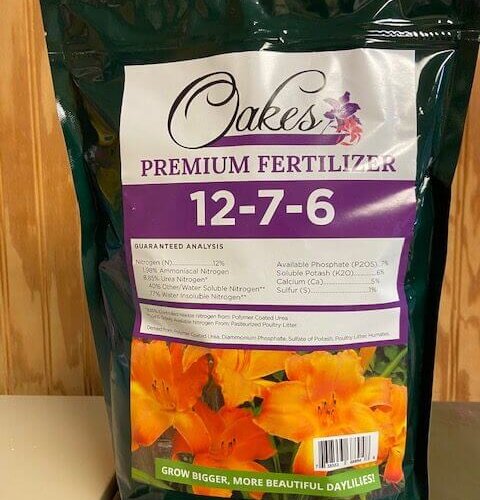
The best fertilizer for daylilies is one that promotes strong growth while providing the essential nutrients they need to thrive. Daylilies, known for their vibrant blooms and adaptability, benefit from a balanced fertilizer featuring an equal ratio of nitrogen, phosphorus, and potassium (N-P-K). A fertilizer with an N-P-K ratio of 10-10-10 or 5-10-5 is ideal, supporting both leafy growth and flowering. Additionally, organic options such as compost, well-rotted manure, or specific brands of organic fertilizers can further enhance soil health and provide a slow-release nutrient source that daylilies prefer.
Types of Fertilizers Suitable for Daylilies
Daylilies respond well to different types of fertilizers, including both synthetic and organic options. Understanding these types aids in choosing the right one for your plants.
- Granular Fertilizers: These are easy to apply and provide a controlled release of nutrients.
- Liquid Fertilizers: They offer quick nutrient absorption and can give daylilies an immediate boost.
- Organic Fertilizers: Products like compost and kelp meal improve soil structure and provide a steady nutrient supply.
When to Fertilize Daylilies
Timing is crucial for fertilizing daylilies to ensure they receive nutrients when they need them most.
- Early Spring: Fertilize as new growth begins to establish strong foliage.
- Mid-Summer: A second application can help fuel blooming during peak season.
- After Blooming: Providing a light application can help prepare plants for winter.
Application Methods for Fertilizing Daylilies
The method of application affects how well daylilies absorb nutrients, making it important to apply fertilizers correctly.
- Broadcasting: Spread granular fertilizers evenly around the base.
- Watering: Mix liquid fertilizers with water and apply directly to the soil.
- Soil Incorporation: Work fertilizers into the top few inches of soil for best results.
Signs that Daylilies Need Fertilization
Recognizing when daylilies require fertilization helps maintain their health and vibrant appearance.
- Poor Growth: Stunted or weak foliage may indicate nutrient deficiency.
- Reduced Blooming: Fewer flowers can signal the need for additional nutrients.
- Yellowing Leaves: Chlorosis may suggest an imbalance in soil nutrients.
Choosing the Right Fertilizer Brand
Several brands specialize in fertilizers that cater to daylilies, making it easier for gardeners to find suitable products.
- Miracle-Gro: Offers balanced, water-soluble fertilizers great for flowering plants.
- Jobe's: Provides organic fertilizers specifically formulated for perennials.
- Garden-tone: A natural fertilizer blend that promotes biodiversity in the soil.
Is Miracle-Gro good for daylilies?
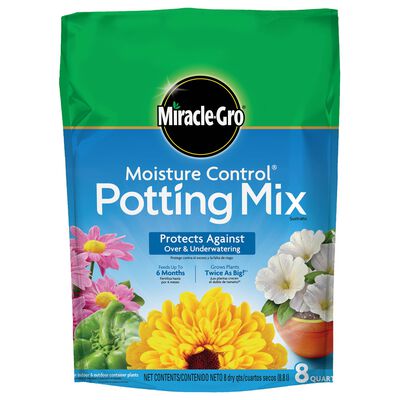

Is Miracle-Gro Good for Daylilies?
Yes, Miracle-Gro is generally considered a beneficial fertilizer for daylilies. When used appropriately, it can enhance the overall health and blooming capacity of these vibrant plants. Miracle-Gro provides a balanced mix of essential nutrients that promote vigorous growth and colorful blooms. Here’s a breakdown of its benefits and considerations for daylilies.
Understanding Miracle-Gro Fertilizer
Miracle-Gro is a water-soluble fertilizer known for its easy application and fast results. It typically contains a balanced ratio of nitrogen, phosphorus, and potassium (N-P-K), essential for plant growth. The nutrients work together to support various stages of plant development.
- Nitrogen promotes leafy growth.
- Phosphorus enhances root development and flowering.
- Potassium helps in overall plant health and disease resistance.
Benefits of Using Miracle-Gro on Daylilies
Using Miracle-Gro on daylilies can lead to significant improvements in their growth and flowering capabilities. The quick-release nutrients can result in immediate effects, boosting the plant’s vitality.
- Enhanced Blooming: Regular application encourages more prolific flowering.
- Healthy Foliage: Supports lush, green leaves that are essential for photosynthesis.
- Improved Resistance: A nutrient-rich environment can help daylilies tolerate pests and diseases better.
Best Practices for Applying Miracle-Gro
To achieve the best results with Miracle-Gro on daylilies, it's crucial to follow specific guidelines for application. This ensures that the plants receive the necessary nutrients without causing any harm.
- Dilution: Always dilute the fertilizer as per package instructions to avoid root burn.
- Timing: Apply during the growing season, ideally in spring or summer.
- Frequency: Fertilize every 4-6 weeks for optimal growth.
Potential Drawbacks
While Miracle-Gro can be beneficial, there are some potential drawbacks to consider. Overapplication or misuse can lead to negative effects on daylilies.
- Over-Fertilization: Excess nutrients may lead to burnt roots or poor growth.
- Water Runoff: Improper application can contribute to water pollution.
- Dependency: Regular use may make plants reliant on chemical fertilizers instead of developing natural resilience.
Alternative Fertilizer Options for Daylilies
If you're concerned about using Miracle-Gro, there are several alternative fertilizers that can also be effective for daylilies. These options may provide a more sustainable approach.
- Organic Fertilizers: Compost or well-rotted manure can enrich soil naturally.
- Slow-Release Fertilizers: These provide nutrients gradually, reducing the risk of over-fertilization.
- Homemade Fertilizers: Coffee grounds or banana peels can enhance soil health and nutrients.
Questions from Our Readers
How can I improve the soil quality for daylilies?
Improving soil quality for daylilies involves adding organic matter, such as compost or well-rotted manure, to enhance soil structure and nutrient levels. This amendment promotes better drainage and root development, allowing the plants to absorb essential nutrients more effectively.
What is the best watering technique for larger daylilies?
To grow larger daylilies, it is crucial to provide consistent moisture without overwatering. Deep watering early in the morning encourages deep root growth, while ensuring that the soil remains moist but not soggy will help the plants thrive.
How often should I fertilize daylilies for optimal growth?
For optimal growth, daylilies should be fertilized with a balanced fertilizer in early spring and again in late summer. Using a slow-release fertilizer will provide steady nutrients over time, promoting larger blooms and healthier foliage throughout the growing season.
Should I divide daylilies to encourage bigger growth?
Yes, dividing daylilies every 3 to 4 years can promote healthier plants and encourage bigger growth by preventing overcrowding. This process not only revitalizes the plants but also allows for improved air circulation and access to nutrients in the soil, leading to more vigorous growth.
See also:

If you want to read more articles like How to Make Daylilies Bigger? Essential Tips for Gardeners to Boost Growth, we recommend you check out our Daylily category.
Leave a Reply
Related Articles