Where is the Best Place to Put Daylilies? Tips for Optimal Growth and Bloom
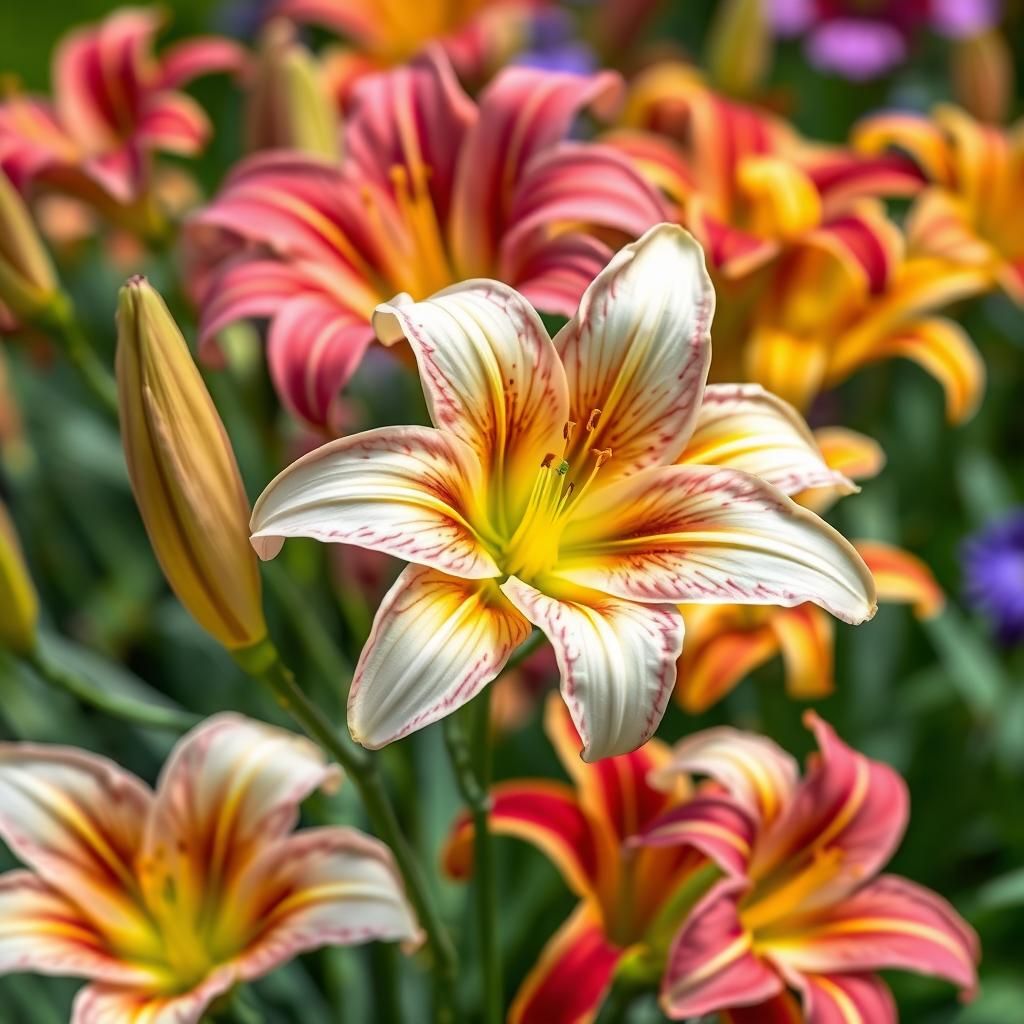
Daylilies are a popular choice for gardeners due to their vibrant blooms and adaptability. However, to achieve optimal growth and a stunning display of flowers, it's essential to consider their ideal placement in your garden. In this article, we will explore the best locations for planting daylilies, taking into account factors such as sunlight, soil type, and spacing. By understanding the specific needs of these resilient perennials, you can create a thriving environment that enhances their beauty and ensures a bountiful bloom season. Get ready to transform your garden into a daylily paradise with these expert tips!
Where is the Best Place to Put Daylilies?
Daylilies thrive best in areas that provide abundant sunlight and well-drained soil. Ideally, they should be planted in a location that receives at least six hours of direct sunlight each day, as this promotes optimal blooming and overall growth. Additionally, daylilies can adapt to a variety of soil types, but they flourish in rich, loamy soil that retains moisture yet drains well to avoid root rot. It’s also beneficial to plant them in a location that is sheltered from strong winds, which can damage the delicate flowers. Overall, choosing a spot that meets these conditions will lead to a vibrant display of color and robust plants.
Sunlight Requirements
To ensure healthy growth, daylilies require a minimum of six hours of sunlight each day. They perform best in full sun, which enhances their blooming capacity and strengthens their overall structure. While they can tolerate some shade, too little light will result in poorer flowering and leggy plants. Therefore, selecting a spot that receives ample sunlight is crucial for sustaining their vibrant appearance.
Soil Conditions
Daylilies prefer well-drained soil that retains some moisture but does not become waterlogged. Ideal soil consists of a mixture of organic matter and loamy components, as this supports healthy root development. Testing the soil pH is also a good practice, as a slightly acidic to neutral pH of 6.0 to 6.8 is optimal for these flowers. Enhancing the soil with compost or aged manure will further enrich its quality, fostering better growth.
Wind Protection
Placing daylilies in areas that are protected from harsh winds is essential since strong gusts can cause damage to the fragile flowers and foliage. Situating them near structures, taller plants, or hedges can provide the necessary shelter from wind. A windbreak can help maintain their health and prevent any potential stress that may lead to decreased blooms or even plant damage.
Spacing and Arrangement
When planting daylilies, it’s important to consider spacing to allow for their growth. A spacing of about 18 to 24 inches apart is recommended, as this enables air circulation and prevents overcrowding, which can lead to disease. Arranging them in clusters will create a stunning display and allow for a naturalistic look while ensuring each plant has enough room to flourish.
Companion Planting
Choosing suitable companion plants can enhance the overall aesthetic of your garden while allowing daylilies to thrive. Plants such as asters, salvias, and coreopsis complement daylilies well, providing contrasting colors and textures. Additionally, companion planting can help deter pests and diseases, creating a more resilient garden environment. By selecting the right partners, you can enhance the beauty and health of your daylilies.
| Aspect | Ideal Conditions |
|---|---|
| Sunlight | At least 6 hours of direct sunlight |
| Soil | Well-drained, rich loamy soil |
| Wind Protection | Areas sheltered from strong winds |
| Spacing | 18 to 24 inches apart |
| Companion Plants | Asters, salvias, coreopsis |
Do daylilies spread or multiply?
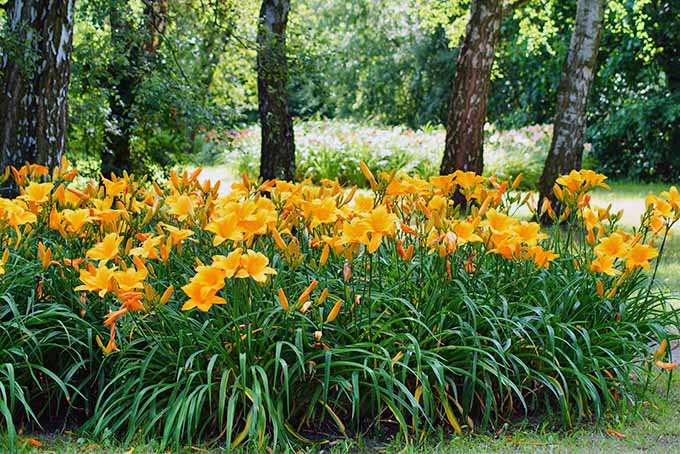
Daylilies (Hemerocallis spp.) are known for their beauty and resilience, and they can indeed spread and multiply in various ways. These plants are primarily known for their ability to propagate through vegetative means, particularly by forming clumps as they mature. Daylilies have a unique growth habit that allows them to spread, making them popular in garden landscapes.
Propagation Methods
Daylilies can multiply through two primary methods:
See also:
- Division: This is the most common way to propagate daylilies. Established clumps can be divided every 3 to 4 years to encourage vigorous growth.
- Seed Production: Daylilies can produce seeds after flowering, which can be harvested and sown to grow new plants.
- Offshoots and Fans: As daylilies grow, they produce offshoots, or fans, that can be broken off and replanted.
Growth Characteristics
The growth habits of daylilies contribute to their spread:
- Clumping: Over time, daylilies form dense clumps as they produce new growth from their roots.
- Root System: Their fibrous root system allows daylilies to anchor securely in the soil, facilitating the spread of the plant.
- Adaptability: Daylilies can thrive in various soil types and conditions, allowing them to establish themselves in new areas.
Growing Conditions
To encourage the spread and growth of daylilies, certain conditions should be met:
- Sunlight: Daylilies prefer at least 6 hours of direct sunlight per day to thrive and multiply.
- Soil Quality: Well-draining soil, rich in organic matter, supports healthy root development and expansion.
- Watering: Consistent watering during dry periods is vital, especially for newly planted daylilies to establish.
Potential Challenges
While daylilies can spread easily, there are challenges to consider:
- Pests and Diseases: Daylilies are susceptible to various pests, such as aphids and spider mites, which can hinder growth.
- Overcrowding: If not divided regularly, daylily clumps may become overcrowded, leading to reduced flowering and vigor.
- Competition: They can sometimes compete with other aggressive plants, reducing their ability to spread effectively.
Landscaping Uses
In gardening and landscaping, daylilies are versatile and can be utilized in various ways:
- Border Plants: Their vibrant blooms make them ideal for borders and edges in garden beds.
- Ground Cover: Daylilies can act as effective ground cover, preventing soil erosion while providing color.
- Naturalizing: They can be used to naturalize in wildflower gardens, blending well with native plants.
Do daylilies like to be crowded?
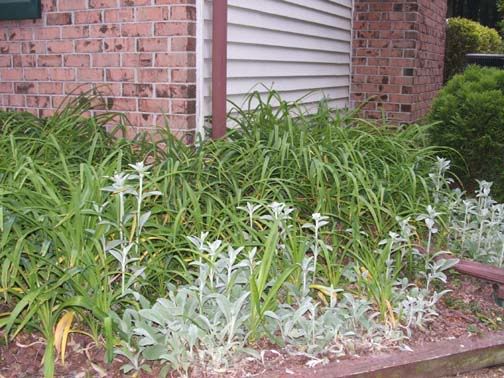
Daylilies, known scientifically as Hemerocallis, are popular perennial plants appreciated for their vibrant blooms and resilience. When it comes to their growing conditions, the question of whether they like to be crowded is essential for optimal garden planning. Daylilies do not thrive when overcrowded, as this can lead to several issues that inhibit their growth and flowering potential. While they are relatively tolerant of tight spaces compared to other plants, their performance significantly decreases in such conditions.
Growth Patterns of Daylilies
Daylilies exhibit a growth pattern that allows them to spread over time, forming clumps that can become quite dense. They are known for their vigorous growth, and while they may initially tolerate being in proximity to other plants, the following points highlight why crowding is detrimental:
- Competition for Nutrients: Crowded daylilies will compete for essential nutrients in the soil, which can lead to stunted growth.
- Water Stress: Dense planting increases competition for water resources, affecting the overall health of the plants.
- Reduced Air Circulation: Overcrowding can inhibit airflow, creating a humid environment conducive to fungal diseases.
Impact of Crowding on Blooming
One of the most significant consequences of overcrowding is the impact on blooming. Daylilies are known for their showy flowers, but crowded conditions can diminish their display:
- Fewer Flowers: When daylilies are too close together, the number of flowers they produce can decrease.
- Smaller Flowers: Crowding often results in smaller and less impressive blooms, as plants do not receive adequate resources.
- Timing of Blooms: Overcrowded conditions can lead to inconsistent flowering times, affecting the overall aesthetic of the garden.
Maintenance Requirements in Crowded Conditions
Maintaining daylilies in crowded environments involves increased care, as neglect can lead to quicker decline. Consider the following maintenance challenges:
- Frequent Dividing: To counteract overcrowding, gardeners must regularly divide clumps, which can be labor-intensive.
- Pest Management: Crowded plants may attract pests, requiring more vigilant pest control measures.
- Fertilization Needs: Maintaining nutrient levels can become more complicated when plants are in close quarters.
Optimal Spacing for Daylilies
To ensure daylilies thrive, proper spacing is crucial. Gardeners should adhere to recommended spacing guidelines:
See also:
- Standard Spacing: Generally, daylilies should be planted 18 to 24 inches apart to allow for adequate growth.
- Varietal Considerations: Different varieties may require slightly different spacing based on their growth habits.
- Adjusting for Growth: As plants mature, spacing may need to be reconsidered to prevent crowding.
Signs of Overcrowding in Daylilies
Recognizing the signs of overcrowding can help gardeners take timely action. Here are key indicators:
- Declining Health: Stunted growth and yellowing leaves are signs of stress from overcrowding.
- Decreased Blooms: A noticeable reduction in flower production often indicates that daylilies are too crowded.
- Shorter Lifespan: Over time, overcrowded daylilies may have a reduced lifespan due to increased competition and stress.
Do daylilies prefer morning or afternoon sun?
:max_bytes(150000):strip_icc()/how-to-grow-and-care-for-daylilies-5075400-hero-dc8f260afc6844dcb9067abebeb883ae.jpg)
Daylilies generally prefer morning sun to afternoon sun for several reasons. Exposing them to morning sunlight allows them to absorb light and warmth gradually, which helps in photosynthesis and prepares them for the hotter parts of the day. Morning sunlight is typically gentler and often accompanied by dew, which can hydrate the plants. In contrast, afternoon sun can be too intense and can lead to stress, wilting, or even leaf burn if the temperatures are too high.
Benefits of Morning Sun for Daylilies
Morning sun is most beneficial for daylilies for the following reasons:
- Gentler light exposure: Morning light is softer, reducing the risk of heat stress on the plants.
- Enhanced photosynthesis: Gradual warming helps daylilies start their metabolic processes more effectively.
- Better water retention: Dew in the morning helps to maintain moisture levels in the soil and leaves.
Effects of Afternoon Sun on Daylilies
While daylilies can tolerate some afternoon sun, excessive exposure can have negative effects:
- Heat stress: High temperatures in the afternoon can lead to wilting or scorched leaves.
- Increased water loss: Higher heat can cause the soil to dry out more quickly, stressing the plants.
- Reduced blooming: Extreme conditions can impact the blooming patterns and overall health of daylilies.
Optimal Growing Conditions for Daylilies
To provide the best conditions, consider the following factors:
- Soil quality: Well-drained, fertile soil enhances growth and supports healthy blooms.
- Watering schedule: Consistent moisture during the growing season is key, especially if experiencing high temperatures.
- Spacing: Adequate spacing between plants allows for airflow, reducing the risk of disease.
Choosing the Right Location
Selecting an appropriate place to plant daylilies can greatly impact their growth:
- Partial shade: A location with morning sun and afternoon shade can be highly beneficial.
- Sun exposure: Monitor your garden throughout the day to identify the best sunlight exposure for your daylilies.
- Local climate: Consider how your local climate affects sun exposure and temperature fluctuations.
Common Myths about Daylilies and Sun Exposure
There are several misconceptions regarding daylilies and their sun requirement:
- All daylilies need full sun: While some may tolerate it, many will thrive with morning sun and some afternoon shade.
- Once planted, daylilies don’t need monitoring: They require care and adjustments based on the sun exposure they receive.
- Daylilies cannot grow in shady areas: They can survive in partial shade, though blooming may be reduced.
Questions from Our Readers
Where is the best location for daylilies?
The best location for daylilies is in an area that receives full sunlight, ideally at least 6 hours a day. These plants thrive in warm conditions and will produce more flowers if they are placed in a sunny spot. Additionally, ensure that the soil is well-draining to prevent root rot.
Can daylilies grow in partial shade?
Yes, daylilies can tolerate partial shade, but their flowering may be reduced. They prefer sunny conditions, so if planted in shades, select a spot with morning sun and afternoon shade to still encourage blooming while providing some relief from intense heat.
See also:
What type of soil is best for daylilies?
Daylilies prefer loamy, well-drained soil that is rich in organic matter. It's essential to amend the soil with compost or well-rotted manure to enhance fertility and drainage. This will help support healthy root development and abundant flowering.
How much water do daylilies need?
Daylilies require consistent moisture, especially during their growing season. It's best to provide them with about an inch of water per week, either through rainfall or supplemental watering. However, be careful not to overwater, as they are susceptible to root rot in soggy conditions.

If you want to read more articles like Where is the Best Place to Put Daylilies? Tips for Optimal Growth and Bloom, we recommend you check out our Daylily category.
Leave a Reply
Related Articles