The Ultimate Guide on When to Divide Daylilies? Tips for Timing and Techniques

Dividing daylilies can rejuvenate your garden, enhance blooming, and promote healthier plants. However, knowing when and how to divide these resilient perennials is crucial for successful propagation. In this ultimate guide, we will explore the optimal timing for dividing daylilies, taking into account factors such as climate and specific plant varieties. Additionally, we will provide expert techniques to ensure a smooth division process, enabling your daylilies to thrive in their new arrangements. Whether you're a seasoned gardener or a beginner looking to expand your floral collection, this guide will equip you with the knowledge needed for successful daylily division.
When to Divide Daylilies?
Dividing daylilies is best done in the early spring or late summer, ensuring you choose a time when the plants are actively growing but not in full bloom. Early spring allows for the plants to establish their new roots before the heat of summer, while late summer division provides enough time for recovery before the dormant winter months. It’s crucial to observe the condition of your daylilies; if they are becoming crowded or not blooming as well, it may also indicate it's time for division. By carefully timing the division process, you can promote healthier growth and vibrant blooms in the following seasons.
Signs Your Daylilies Need Dividing
One of the most apparent signs that your daylilies need dividing is reduced blooming. If the plants are crowded or the flowers are smaller than usual, they likely need more space and nutrients. Additionally, if you observe sparse foliage or plants that seem to be struggling, it’s time to consider division. A general rule of thumb is to divide daylilies every 3 to 5 years to maintain their vigor and flowering capacity.
Best Time for Dividing Daylilies
The optimal time for dividing daylilies typically falls between early spring (March to April) and late summer (August to September). During these periods, the plants are either just emerging from dormancy or have finished blooming, allowing for minimal stress during the process. In early spring, you can easily see the new growth, while in late summer, the division can help reinvigorate the plants before the winter sets in.
How to Properly Divide Daylilies
To properly divide daylilies, start by digging up the entire clump with a spade, taking care not to damage the roots. Gently shake off the soil and inspect the roots. Using a sharp spade or knife, carefully cut through the roots, ensuring each division has at least a few healthy shoots and roots attached. Afterward, replant them at the same depth in their new locations, watering thoroughly to help the plants settle into their new homes.
Benefits of Dividing Daylilies
Dividing daylilies has multiple benefits, including promoting healthier growth and improving flower quality. By creating more space for roots, nutrients and water can be efficiently absorbed, encouraging more prolific blooming. Additionally, dividing plants can assist in controlling pests and diseases by reducing overcrowding and ensuring better air circulation. It also allows gardeners to split their plants and share divisions with friends or expand their own garden.
Aftercare for Divided Daylilies
After dividing daylilies, proper aftercare is essential for successful re-establishment. Ensure the new plants are watered regularly, especially during dry spells, to help them acclimatize to their new environment. Adding a layer of mulch can help retain moisture and control weeds, providing the newly divided daylilies with a favorable growing condition. Monitor the plants closely for any signs of stress, and be prepared to provide additional support or nutrients if needed.
| Time of Year | Optimal Conditions | Signs for Division |
|---|---|---|
| Early Spring | New growth visible | Reduced blooming |
| Late Summer | Post-bloom recovery | Crowded clumps |
What month do you divide daylilies?
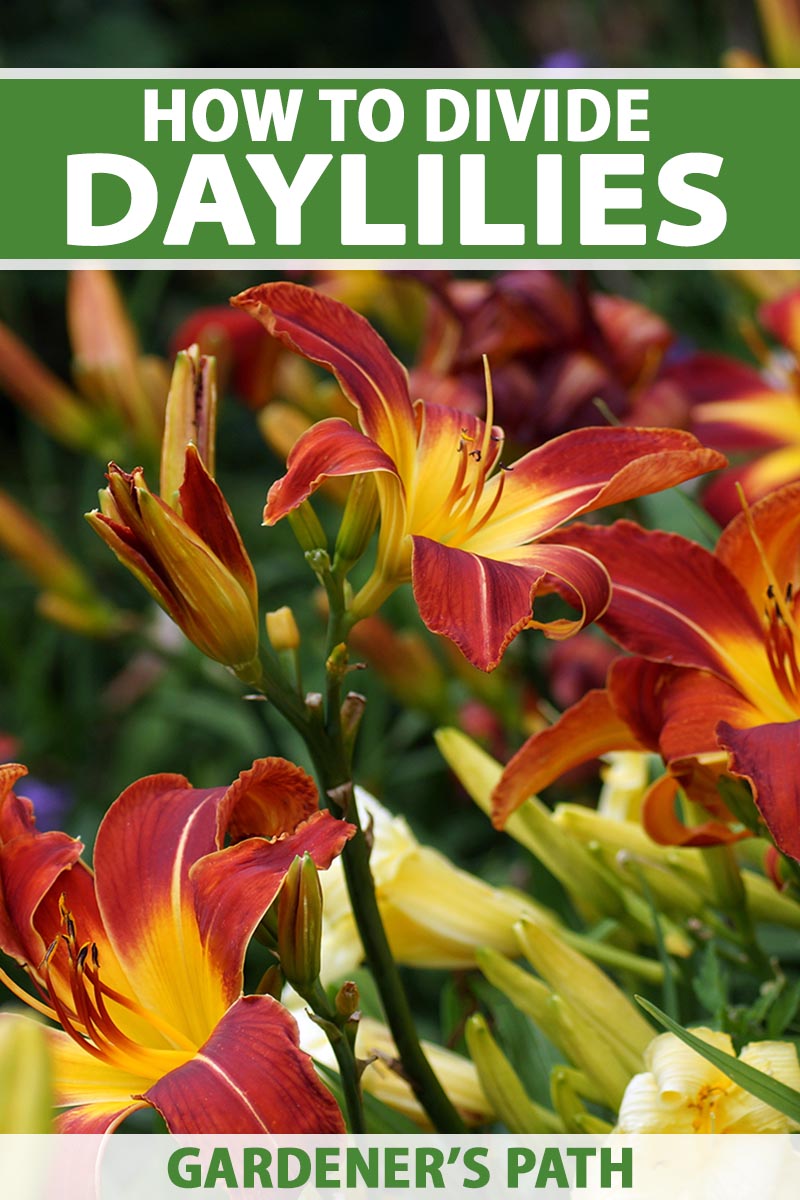
Daylilies can be divided in late summer or early fall, typically around August to September. During this period, the plants are finishing their blooming cycle, allowing for a smooth transition and recovery following division. This timing allows the divided plants to establish roots before winter sets in, leading to robust growth in the following spring. Additionally, dividing daylilies at this time helps to control overcrowding, promotes better flowering, and rejuvenates the overall health of the plants.
Best Time to Divide Daylilies
Dividing daylilies is most effective when performed between late summer and early fall. Timing is crucial because dividing too early in the season can hinder the plant's ability to bloom properly. Consider the following points:
- The ideal months are August and September when the blooming season has ended.
- The plants need time to re-establish their roots before winter.
- Check the local climate to avoid frost, which can damage newly divided plants.
Signs That It’s Time to Divide
Recognizing when to divide daylilies is essential for maintaining healthy plants. Look for specific signs that indicate it's division time:
See also:
- Plants become overcrowded and produce fewer blooms.
- Some sections die out, leading to bare spots in the garden.
- The growth appears to be stunted, and the foliage is thick and congested.
How to Prepare for Division
Before dividing daylilies, proper preparation ensures success. Here’s what you should do:
- Water the plants a day before to help minimize stress during division.
- Gather necessary tools such as a spade, garden fork, and pruning shears.
- Choose a cloudy day to perform the division, which helps reduce shock.
Steps for Dividing Daylilies
The process of dividing daylilies requires attention to detail. Follow these steps carefully:
- Carefully dig around the plant to avoid damaging the roots.
- Lift the clump out of the ground and gently separate it into sections.
- Replant immediately in prepared soil, ensuring the crown is at soil level.
Post-Division Care
After dividing daylilies, proper care will help them thrive. Implement these practices:
- Water thoroughly to help establish the roots.
- Apply mulch to retain moisture and suppress weeds.
- Monitor for pests and diseases, as newly divided plants may be vulnerable.
Do daylilies like to be crowded?
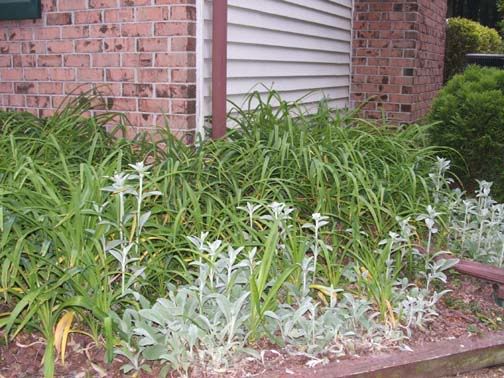
Daylilies, scientifically known as Hemerocallis, are versatile perennial plants that thrive in various conditions. However, when it comes to whether they like to be crowded, the answer is nuanced. While daylilies can tolerate some crowding, they typically benefit from being spaced adequately. Crowding can lead to reduced air circulation and increased competition for nutrients and water among plants.
When daylilies are grown closely together, several issues can arise. They may become less vigorous, bloom poorly, and be more susceptible to diseases. Thus, while they can survive in crowded conditions, it is not ideal for their overall health and vitality.
Optimal Spacing for Daylilies
To ensure daylilies thrive, it's essential to consider their optimal spacing. Generally, they should be planted about 18 to 24 inches apart.
- Air circulation: Adequate spacing allows for better air flow, reducing the risk of fungal diseases.
- Access to nutrients: More space means less competition for nutrients in the soil.
- Sun exposure: Proper spacing ensures that each plant receives sufficient sunlight, promoting healthy growth.
Signs of Crowding in Daylilies
If daylilies are crowded, there are specific signs to watch for, indicating the need for relocation or division.
- Yellowing leaves: This can indicate stress due to competition for resources.
- Decreased blooms: Fewer flowers or smaller flowers can signify inadequate space.
- Pest problems: Crowded plants are more inviting to pests which can thrive in such environments.
Caring for Crowded Daylilies
If you find your daylilies are crowded, there are several steps to take to improve their condition.
- Dividing plants: Every 3 to 4 years, consider dividing daylilies to prevent overcrowding.
- Relocating individual plants: If space allows, you can move some plants to a less crowded area.
- Monitoring water and nutrients: Adjust watering and fertilization to support healthy plants in the meantime.
Benefits of Proper Planting Density
Finding the right planting density for daylilies can significantly impact healthy growth.
- Increased blooming: Well-spaced daylilies tend to produce more abundant and vibrant flowers.
- Healthier foliage: Adequate space allows for stronger, disease-resistant leaves.
- Easy maintenance: Easier access for garden care, such as weeding and deadheading, becomes possible.
Conclusion: Crowding Versus Spacing
While daylilies can survive in crowded conditions, they do not thrive in such environments. Providing adequate space is crucial for their health and long-term blooming potential.
See also:
- Vitality: Healthy growth results from optimal planting conditions.
- Longevity: Well-cared-for daylilies can thrive for many years.
- Overall garden aesthetics: Properly spaced plants contribute to a more visually appealing garden landscape.
What happens if you don't divide daylilies?
:max_bytes(150000):strip_icc()/GettyImages-89445033-b223502958a44cff8c5819e9df1cffd2.jpg)
If you don't divide daylilies, several impacts can arise, affecting their health, growth, and overall appearance. Daylilies (Hemerocallis) are resilient plants known for their beautiful blooms and durability. However, neglecting to divide them can lead to overcrowding, reduced flowering, and increased susceptibility to diseases. Here are the consequences of not dividing daylilies:
Overcrowding of Roots
When daylilies are not divided, the root system becomes severely overcrowded. This overcrowding can lead to competition for nutrients, water, and space, which in turn can result in:
- Poor growth: The plants may not thrive as they struggle to access essential resources.
- Stunted development: Overcrowded plants may show slow growth and limited flowering.
- Decreased vigor: Overall plant vigor may decline, making the plants less robust and healthy.
Reduced Flowering
Daylilies require sufficient space and resources to produce their stunning blooms. Without division, you may notice a significant decline in flowering. This can happen due to:
- Limited energy: Overcrowded roots restrict the plant’s ability to produceflower buds.
- Fewer blooms: The plants may only produce a few flowers or none at all over time.
- Smaller flowers: When flowering occurs, the blooms may be smaller and less vibrant than expected.
Increased Disease Susceptibility
Failing to divide your daylilies may lead to several health issues as plants become more vulnerable to diseases. This increased susceptibility can manifest in various ways:
- Root rot: Overcrowded roots retain excess moisture, creating an ideal environment for rot.
- Pests and diseases: An unbalanced ecosystem can lead to increased pest infestation.
- Fungal infections: Higher moisture levels and poor air circulation make plants prone to fungal diseases.
Compromised Aesthetics
When daylilies are not divided, their overall visual appeal can diminish significantly. Too many plants crowded together can cause visual chaos, which includes:
- Untidy appearance: Overcrowding leads to tangled foliage and a shabby look.
- Uneven growth: Inconsistent growth patterns may be noticeable, making the garden look uneven.
- Lack of balance: Flowering may not be uniform, leading to certain areas looking sparse.
Long-term Decline of Plant Health
Ultimately, the failure to divide daylilies can result in a long-term decline in their health. This decline can be observed through:
- Reduced lifespan: Healthy daylilies can live for years, but neglect may shorten their lifespan.
- Inability to recover: Once plants decline, it can be challenging for them to bounce back.
- Potential loss: In some cases, the plants may perish if issues are not addressed timely.
Questions from Our Readers
When is the best time to divide daylilies?
Dividing daylilies is best done in early spring or late summer. In spring, you can divide them after the threat of frost has passed, while late summer allows you to split them after they have finished blooming. Both times minimize stress on the plants and promote healthy growth.
How do I know if my daylilies need to be divided?
You should consider dividing your daylilies if they are becoming crowded, producing fewer blooms, or if their growth is less vigorous. A clump of daylilies that has outgrown its space may indicate it's time for division to rejuvenate the plants and enhance their overall health.
What tools do I need to divide daylilies?
To divide daylilies, you will need a sharp spade or garden fork, as well as a pair of gloves to protect your hands. Additionally, having a hose or watering can ready will help to keep the roots moist during the division process, ensuring the plants can survive the transplant.
Can I divide daylilies every year?
While you can divide daylilies every year, it's generally recommended to do it every 3 to 5 years. This timeframe allows the plants to establish strong root systems and produce a more abundant display of flowers. Frequent division may lead to stress and reduced blooming potential.
See also:

If you want to read more articles like The Ultimate Guide on When to Divide Daylilies? Tips for Timing and Techniques, we recommend you check out our Daylily category.
Leave a Reply
Related Articles