Should I Thin Out My Daylilies? Expert Tips for Better Blooms and Healthy Plants

Daylilies are beloved for their vibrant blooms and resilience in gardens, but over time, these perennials can become overcrowded, leading to diminished flowering and overall plant health. Thinning out daylilies is a crucial maintenance practice that not only enhances their beauty but also promotes vigorous growth. In this article, we will explore expert tips on the best practices for thinning your daylilies, including when and how to do it effectively. Discover how proper thinning can rejuvenate your plants, boost their blooms, and ensure a stunning display in your garden for years to come.
Should I Thin Out My Daylilies?
Thinning out your daylilies is an important aspect of maintaining healthy and vibrant plants. Over time, daylilies can become overcrowded due to their rapid growth and ability to multiply through offsets or clumps. By thinning them out, you allow better airflow and nutrients to reach each plant, which can lead to more abundant blooms and overall improved vigor. It is generally recommended to thin daylilies every three to five years, especially if you notice a decline in flowering or overall health. The process typically involves digging up the clumps, separating them into smaller sections, and replanting them with adequate spacing between each one, ensuring that they have enough room to thrive.
Benefits of Thinning Daylilies
Thinning daylilies provides several benefits, such as reducing competition for resources, enhancing airflow, and minimizing the risk of diseases. When daylilies are too crowded, they may struggle to access enough water and nutrients, leading to weaker growth and fewer flowers. Moreover, proper spacing can decrease humidity around the plants, which helps prevent fungal infections.
When to Thin Daylilies
The best time to thin out daylilies is typically in early spring or late summer. In early spring, the plants are just starting to emerge from dormancy, making it easier to see the clumps that need to be divided. Conversely, late summer allows you to assess how well they performed throughout the growing season and whether they are overcrowded. Avoid thinning during their blooming period to minimize stress on the plants and to enjoy their flowers fully.
How to Thin Daylilies
To thin daylilies, start by carefully digging up a clump using a garden fork or spade, taking care not to damage the roots. Once the clump is removed, gently separate the individual plants with your hands or a knife, ensuring that each section has a robust root system. After separation, replant the healthy divisions at least 18 to 24 inches apart to allow for proper growth. Water them thoroughly after replanting to help them establish in their new locations.
Signs Your Daylilies Need Thinning
There are several signs that indicate your daylilies may need thinning. If you notice a significant decline in flowering, smaller blooms, or the leaves becoming leggy, it may be time to thin the plants. Additionally, if the foliage appears crowded and the clumps are larger than they were previously, this also signals that thinning is necessary. Regular monitoring of your daylilies can help you determine the best timing for this maintenance task.
Caring for Thinned Daylilies
After thinning your daylilies, it's essential to provide them with proper care to help them recover and become established in their new locations. Ensuring adequate watering, especially during dry spells, while also applying a balanced fertilizer can promote healthy growth. Additionally, keeping an eye out for pests or diseases in the weeks following thinning will help maintain the health and longevity of your daylilies.
| Action | Timing | Result |
|---|---|---|
| Thin daylilies | Every 3-5 years | Improved flowering |
| Watering | After replanting | Establishment of plants |
| Monitoring for pests | Ongoing | Healthy growth |
Do daylilies like to be crowded?
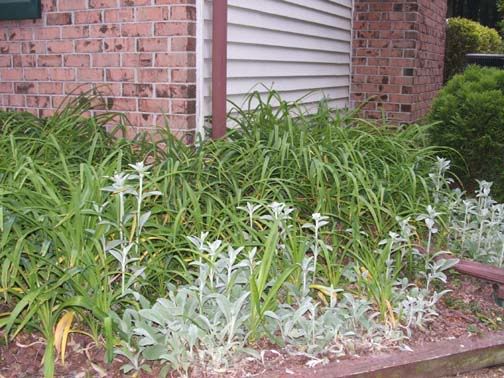
Daylilies (Hemerocallis) are renowned for their versatility and remarkable blooms. When it comes to their growth habits, these perennial plants can adapt to various conditions, including space. Here’s a detailed analysis of whether daylilies like to be crowded.
Do Daylilies Prefer Crowded Conditions?
See also:
Daylilies can endure crowded conditions better than many other plants. However, while they may survive, they thrive in environments where there is adequate space to grow. In crowded situations, their roots may compete for nutrients and water, ultimately affecting their overall health and flowering capacity. Crowded daylilies might produce fewer blooms, and the flowers could be smaller or of a lesser quality compared to those grown with proper spacing.
Optimal Spacing for Daylilies
Daylilies grow best when given enough room to spread their roots and foliage. The optimal spacing between each plant is essential for their health and blooming potential:
- 12 to 18 inches apart: This distance allows for adequate air circulation and sunlight penetration.
- Preventing disease: Proper spacing helps reduce the incidence of fungal diseases, which thrive in overly crowded plants.
- Ensuring vigor: Adequate space enables the plants to grow robustly, leading to fuller blooms and healthier foliage.
Effects of Crowding on Growth
When daylilies are planted too closely together, there are distinct unfavorable effects on their growth and flowering:
- Root competition: Crowded daylilies compete for water and nutrients, leading to stunted growth.
- Reduced flowering: Plants in tight quarters may yield fewer flowers, as energy is diverted to survival rather than blooming.
- Increased stress: Closer proximity can lead to higher stress levels, making plants more susceptible to pests and diseases.
Signs of Crowded Daylilies
Identifying signs that your daylilies are overcrowded can help you take timely action to improve their health:
- Poor flowering: If your daylilies bloom less or not at all, overcrowding may be the cause.
- Leaf yellowing: Leaves that turn yellow might indicate nutrient deficiency due to competition.
- Root issues: A lack of growth can also suggest that roots are confined, restricting overall plant vitality.
When to Divide Crowded Daylilies
To maintain the health of your daylilies, it’s important to know when to divide them:
- Every 3 to 4 years: Daylilies benefit from being divided every few years to prevent overcrowding.
- Fall or early spring: The best time for division is during these seasons, which allows plants to establish before peak growing periods.
- Signs of overcrowding: Divide them once you notice a drop in flowering or other signs of poor health.
Best Practices for Planting Daylilies
Following best practices during the planting phase can ensure your daylilies thrive:
- Site selection: Choose a location with full sun for at least 6 hours a day, crucial for vibrant blooms.
- Soil preparation: Loosen the soil and mix in organic matter to boost drainage and nutrient availability.
- Regular maintenance: Mulching and watering appropriately helps maintain health and reduces competition from weeds.
What do you do when daylilies get too big?
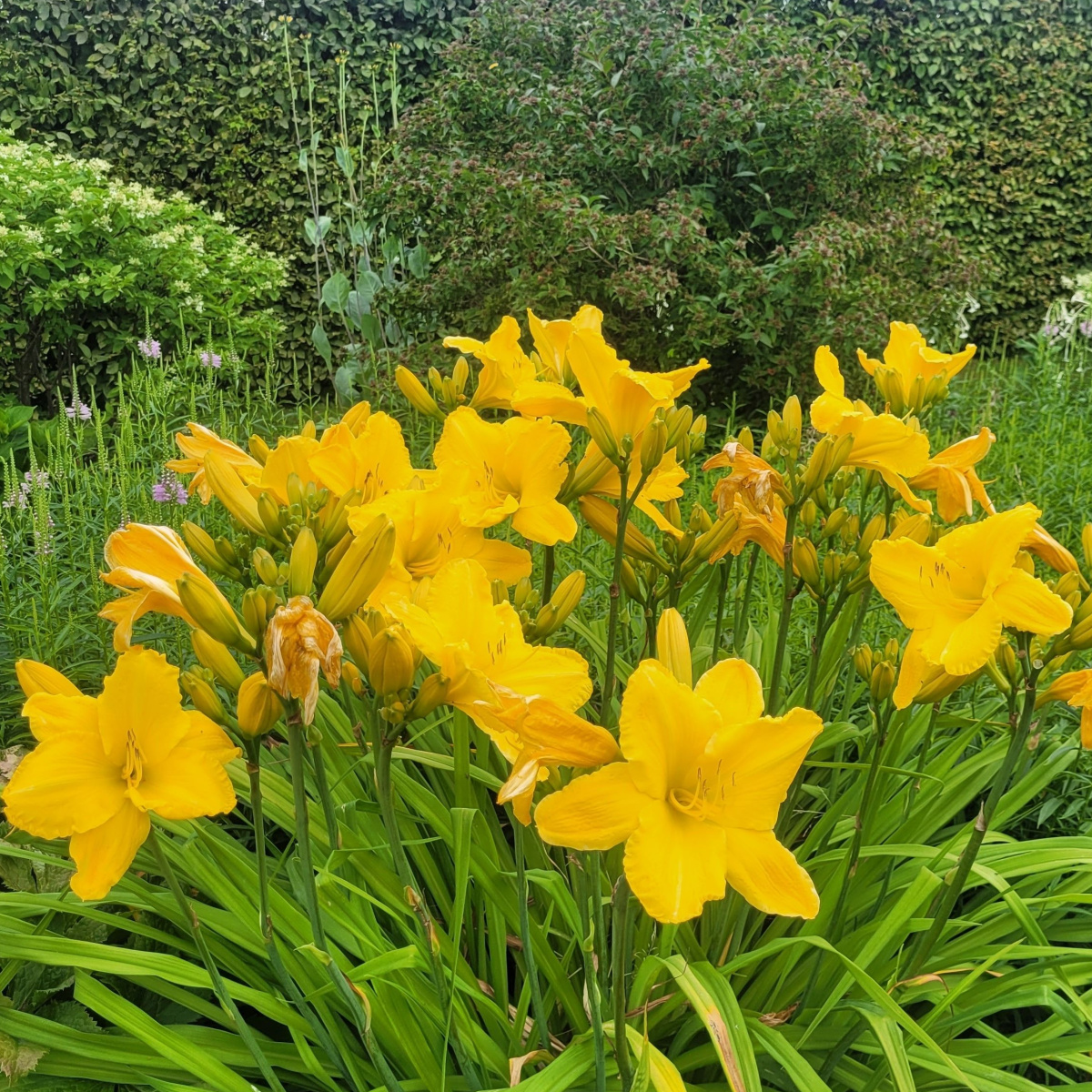
When daylilies get too big, it usually indicates that they need some attention to ensure they continue to thrive and provide an attractive display. Here are some steps to take:
1. Dividing the Daylilies: One of the most effective ways to manage overgrown daylilies is to divide them. This process encourages healthy growth and allows you to control their size.
Dividing Your Daylilies
Dividing your daylilies involves carefully taking them out of the ground and splitting the clumps into smaller sections. This practice not only helps to control their size but also rejuvenates the plants, leading to more vibrant blooms. Follow these steps when dividing:
See also:
- Choose late summer or early fall for the best results.
- Use a spade to dig around the base of the plants carefully.
- Pull the clump apart gently and replant the divisions in well-draining soil.
2. Pruning: If the daylilies are overcrowded but you want to maintain their full presence, pruning can help manage their size.
Pruning Techniques
Proper pruning can rid the plant of excess foliage and spent blooms, allowing for new growth and a more controlled size. The following techniques can assist in effective pruning:
- Cut back any dead or yellowing leaves to encourage fresh growth.
- Remove spent flowers to prevent the plant from going to seed, which can promote more controlled blooming.
- Use clean, sharp shears to avoid damaging the plant during the process.
3. Soil Improvements: Overgrown daylilies often indicate that your soil may require improvement. Adding organic matter can enhance growth conditions.
Improving Soil Conditions
Ensuring that your daylilies have nutrient-rich soil can mitigate issues associated with overgrowth. Consider the following methods:
- Add compost or aged manure to enrich the soil.
- Incorporate mulch to retain moisture and suppress weeds.
- Test soil pH and amend it as necessary to provide a balanced growing environment.
4. Choosing the Right Location: Sometimes, daylilies outgrow their original location due to inadequate space or sunlight.
Relocating Your Daylilies
If your daylilies have become too big for their spot, relocating them may be the best solution. This will give them the space they need to thrive. Consider the following when relocating:
- Pick a spot that receives at least six hours of sunlight daily.
- Ensure the new location has well-draining soil to prevent root rot.
- Dig up the plants carefully and replant them in their new home after dividing if necessary.
5. Regular Maintenance: Ongoing care will help keep daylilies at a manageable size.
Regular Maintenance Practices
Following a routine maintenance schedule can prevent daylilies from becoming too large and overgrown. Incorporate these practices:
- Water consistently but avoid overwatering to prevent root issues.
- Feed with a balanced fertilizer during the blooming season to maintain vigor.
- Monitor for pests or diseases and address them promptly before they affect plant size.
Questions from Our Readers
Should I thin out my daylilies?
Yes, thinning out your daylilies is recommended to promote better growth and blooming. Over time, daylilies can become overcrowded, leading to reduced flower production and overall health. By thinning them out, you allow more sunlight and nutrients to reach each plant, resulting in improved vigor.
When is the best time to thin daylilies?
The best time to thin daylilies is in early spring or late summer after they have finished blooming. This timing allows you to remove old foliage and crowded clumps without disturbing the plants' growth cycle too much. Early spring thinning can also encourage more vibrant blooms during the growing season.
See also:
How do I thin out daylilies properly?
To thin out daylilies properly, start by removing any dead or damaged leaves. Next, use a garden fork or spade to carefully lift clumps of daylilies, and then divide them into smaller sections. Ensure each section has healthy roots and leaves before replanting or giving them away to friends.
Will thinning daylilies affect their blooming?
Yes, thinning daylilies can positively affect their blooming performance. By reducing crowding, each plant can access more nutrients and water, which often leads to larger and more abundant flowers. Additionally, this process helps prevent disease and pest issues that often arise from overcrowded plantings.

If you want to read more articles like Should I Thin Out My Daylilies? Expert Tips for Better Blooms and Healthy Plants, we recommend you check out our Daylily category.
Leave a Reply
Related Articles