Are Epsom Salts Good for Daylilies? Discover the Benefits and Tips for Your Garden

Epsom salts, composed of magnesium sulfate, have gained popularity among gardeners for their potential benefits to various plants. One such plant that may thrive with the application of Epsom salts is the daylily, known for its vibrant blooms and resilience. In this article, we will explore the advantages of using Epsom salts for daylilies, including how they can enhance growth, improve flowering, and promote overall health. Additionally, we will provide essential tips on how to effectively incorporate Epsom salts into your gardening routine, ensuring your daylilies flourish and add beauty to your outdoor space.
Are Epsom Salts Beneficial for Daylilies?
Epsom salts, primarily composed of magnesium sulfate, can indeed be beneficial for daylilies. The magnesium in Epsom salts plays a critical role in photosynthesis and helps enhance the overall growth and blooming of plants. When applied sparingly to daylilies, Epsom salts can improve nutrient uptake, particularly nitrogen, and promote greener foliage and more vibrant flowers. However, it's crucial to apply them in moderation, as excessive use can lead to nutrient imbalances in the soil, potentially harming the plants.
What Are Epsom Salts?
Epsom salts are a naturally occurring mineral compound made up of magnesium, sulfur, and oxygen. They have been used for many years in gardening and other applications due to their high solubility in water and ability to provide essential nutrients that promote plant health. When dissolved, Epsom salts release magnesium and sulfate, which are vital components that enhance plant growth and flowering.
How Do Epsom Salts Affect Daylilies?
The application of Epsom salts can lead to improved growth and blooming in daylilies by providing magnesium, which is essential for synthesizing chlorophyll. This nutrient helps daylilies maintain their green color and promotes overall vitality. Furthermore, magnesium aids in the absorption of other essential nutrients, which can enhance the health and resilience of these plants against diseases and adverse conditions.
How to Apply Epsom Salts to Daylilies?
To apply Epsom salts effectively, dissolve about 1 tablespoon of Epsom salts in a gallon of water and use this solution to water your daylilies once a month during the growing season. Alternatively, you can sprinkle about 1 tablespoon of granulated Epsom salts around the base of each plant and then water them, allowing the salts to dissolve into the soil. It’s important to avoid applying too frequently, as moderation is key to preventing nutrient overload.
Potential Risks of Using Epsom Salts
While Epsom salts can be beneficial, overapplication can lead to a nutrient imbalance in the soil. Excess magnesium may hinder the uptake of other crucial nutrients like calcium and potassium, resulting in deficiencies that can adversely affect plant health. Moreover, soil that is too high in magnesium can create unfavorable conditions for daylilies, making it imperative to test soil nutrients regularly and adhere to recommended application rates.
Alternatives to Epsom Salts for Daylilies
If you’re hesitant about using Epsom salts, several alternatives can also support the healthy growth of daylilies. Organic compost provides a balanced supply of essential nutrients, while bone meal can enhance flower production. Additionally, fish emulsion is a good source of nitrogen that supports leafy growth, and kelp meal contains trace minerals beneficial for overall plant health. Regular soil testing can help determine the best amendments for maintaining a healthy garden.
| Component | Benefit |
|---|---|
| Magnesium | Enhances photosynthesis and growth. |
| Sulfate | Important for nutrient uptake and overall plant health. |
| Calcium | Essential for cell wall strength and can be affected by excess magnesium. |
| Potassium | Crucial for overall plant vitality and flower development. |
| Organic Matter | Improves soil structure and nutrient availability. |
How to use Epsom salt on daylilies?

To use Epsom salt on daylilies, follow these steps to enhance their growth and blooming potential. Epsom salt is primarily composed of magnesium sulfate, which can benefit plants in various ways, including improving nutrient uptake, promoting flowering, and enhancing overall plant health. Here’s how to apply it effectively.
Benefits of Epsom Salt for Daylilies
Epsom salt offers numerous benefits for daylilies, making it a valuable addition to your gardening regimen. When used correctly, it can enhance the health and appearance of your plants. Here are some key benefits:
- Enhanced Chlorophyll Production: Magnesium is vital for photosynthesis, which allows plants to convert sunlight into energy.
- Improved Nutrient Uptake: Epsom salt helps in the absorption of essential nutrients like nitrogen and phosphorus, leading to healthier growth.
- Increased Flowering: Daylilies may bloom more abundantly when they have sufficient magnesium, which supports flower formation.
How to Prepare Epsom Salt Solution
Preparing an Epsom salt solution for your daylilies is straightforward. Here’s a simple method to create an effective mixture:
- Measure the Epsom Salt: Use about 1 tablespoon of Epsom salt per gallon of water.
- Dissolve in Water: Mix the Epsom salt into warm water until it completely dissolves to ensure even distribution.
- Let Cool: Allow the solution to cool before applying it directly to the plants.
When to Apply Epsom Salt
Timing is crucial when applying Epsom salt to daylilies. The right application period can enhance effectiveness:
- Spring Application: Apply Epsom salt in early spring, just as new growth begins, to support early development.
- During Blooming: A second application can be done when the daylilies start to bud, promoting more prolific blooming.
- Mid-Season Boost: Consider a mid-summer application to replenish magnesium levels and support ongoing growth.
Application Methods
There are several methods to apply Epsom salt to your daylilies. Choose the one that fits your gardening style:
See also:
- Watering Can Method: Use the prepared Epsom salt solution with a watering can for direct application to the soil.
- Foliar Spray: Alternatively, you can use a spray bottle to apply the solution directly to the leaves, which can enhance leaf health.
- Granular Method: For a slow-release option, you can sprinkle dry Epsom salt around the base of the plants and water it in.
Safety and Precautions
While Epsom salt is generally safe for daylilies, it's essential to apply it correctly to avoid any issues:
- Follow Dosage Guidelines: Stick to the recommended dosage to prevent over-fertilization, which can harm the plants.
- Avoid Direct Contact: Ensure that the solution doesn’t pool around the plant’s base to prevent root rot.
- Monitor Plant Response: Keep an eye on your daylilies after application to gauge their response and adjust future treatments accordingly.
What plants should you not put Epsom salt on?
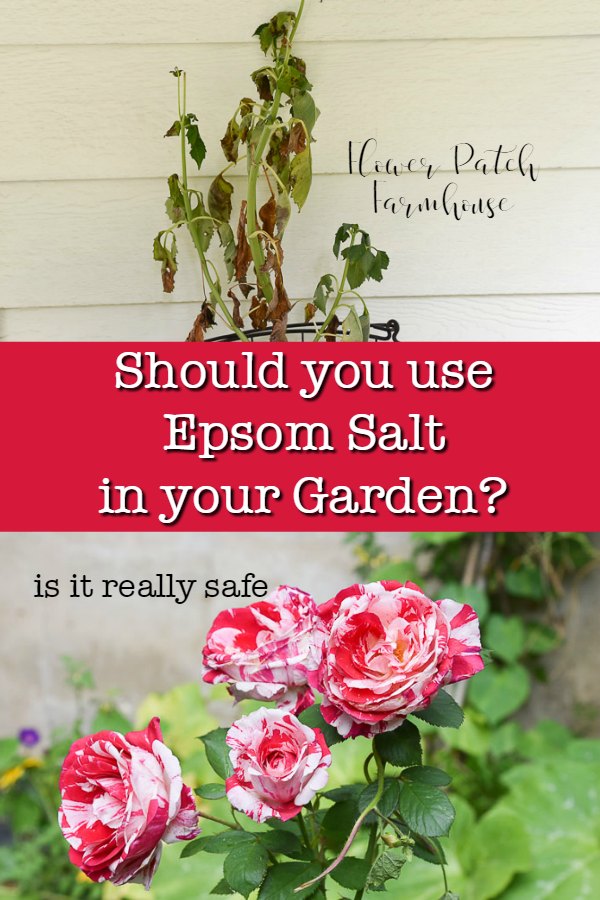
Epsom salt, which is composed of magnesium sulfate, is often used as a fertilizer due to its ability to promote plant health. However, there are certain plants that do not respond well to Epsom salt or may even be harmed by its application.
Plants Sensitive to Magnesium
Some plants have specific nutrient requirements and can be negatively affected by the addition of magnesium. These plants may exhibit symptoms of nutrient imbalance if subjected to Epsom salt application.
- Rhododendrons: These acid-loving plants can suffer from magnesium toxicity if Epsom salt is applied excessively, leading to leaf burn.
- Azaleas: Similar to rhododendrons, azaleas can experience nutrient lockout and root damage if they absorb too much magnesium from Epsom salt.
- Blueberries: Blueberries thrive in acidic soils and the addition of Epsom salt can disrupt their nutrient uptake, causing poor growth.
Plants That Prefer Low Magnesium Levels
Certain plants have a preference for lower levels of magnesium, meaning that additional magnesium from Epsom salt can lead to undesirable growth patterns.
- Brassicas: Plants like broccoli, cabbage, and kale can experience magnesium overdose, which can reduce yield and quality.
- Potatoes: Excess magnesium can interfere with calcium absorption in potatoes, leading to issues like blossom end rot.
- Cucumbers: High magnesium levels can inhibit the uptake of potassium, essential for cucumber plants, leading to poor fruit development.
Cacti and Succulents
Cacti and succulents generally have adapted to survive in low-nutrient environments and do not thrive with the added magnesium from Epsom salt.
- Agave: Overapplication of Epsom salt can cause root rot and affect overall health due to excess moisture and nutrients.
- Aloe Vera: Aloe vera prefers dry conditions and high magnesium levels may lead to issues with growth and a decline in vitality.
- Jade Plants: This succulent species can suffer from salt buildup if Epsom salt is applied, leading to leaf drop and poor growth.
Plants with Specific Nutrient Requirements
Some plants have very particular nutrient needs and may not benefit from the additional magnesium provided by Epsom salt.
- Tomatoes: While tomatoes sometimes benefit from magnesium, excessive use of Epsom salt can lead to nutrient imbalances.
- Carrots: Carrots require a balanced nutrient profile, and too much magnesium can inhibit their growth and development.
- Peppers: Overuse of magnesium from Epsom salt can stunt pepper plants, affecting fruit set and yield.
Signs of Overapplication
It’s crucial to be aware of the symptoms that indicate overapplication of Epsom salt on specific plants. Recognizing these signs can prevent further damage.
- Leaf Burn: Yellowing or browning of leaf edges can denote that a plant is reacting poorly to excess magnesium.
- Stunted Growth: If a plant is not growing as expected, it may indicate nutrient lockout due to high magnesium levels.
- Wilting or Dropping Leaves: This may indicate root issues and is a common reaction to over-fertilization.
What is the best fertilizer for daylilies?
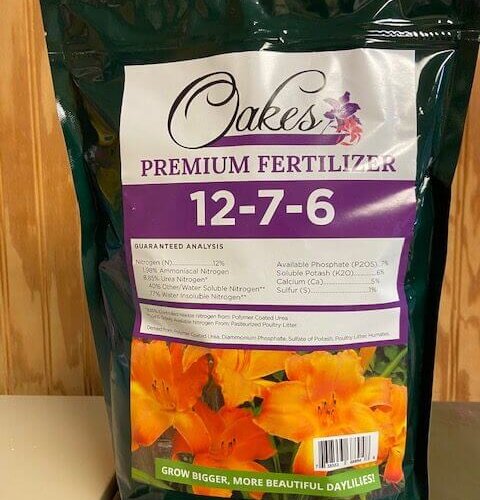
The best fertilizer for daylilies generally contains a balanced mix of nutrients that support healthy growth, abundant blooms, and robust root systems. A well-designed fertilizer will provide essential macronutrients such as nitrogen (N), phosphorus (P), and potassium (K). For daylilies, a 10-10-10 or 5-10-10 formulation is often recommended, as these ratios offer a solid supply of each essential nutrient while promoting flowering.
Understanding Nutrient Ratios
The nutrient ratio on fertilizer packaging indicates the proportion of each component. Understanding these ratios can help determine the best fertilizer for daylilies. Here are some key points:
- Nitrogen promotes leafy growth and overall plant vigor.
- Phosphorus encourages strong root development and is crucial for blooming.
- Potassium helps with disease resistance and enhances flower quality.
Organic vs. Synthetic Fertilizers
Choosing between organic and synthetic fertilizers depends on personal preferences and gardening practices. Organic fertilizers are often slower to break down but benefit soil health over time. Here’s how they compare:
- Organic fertilizers include compost, well-rotted manure, or organic blends, improving soil structure.
- Synthetic fertilizers provide instant nutrients but can lead to nutrient runoff if not used properly.
- Both types can effectively support daylilies if applied correctly and at the right times.
When to Fertilize Daylilies
Timing fertilization is critical to maximizing the benefits for daylilies. The optimal periods for fertilizing are:
See also:
- Early Spring: Before new growth begins, which supports vigorous leaf development.
- After Blooming: A second application can help recharge the soil, benefitting the plant for the next season.
- Throughout the Growing Season: Applying a slow-release fertilizer can supply nutrients as needed.
Application Methods for Fertilizer
Applying fertilizer effectively ensures daylilies receive the necessary nutrients. Consider these methods:
- Granular Fertilizers: Spread evenly on the soil surface and water in well.
- Liquid Fertilizers: Mix with water and apply every 4-6 weeks throughout the growing season for quick uptake.
- Soil Incorporation: Tilling the fertilizer into the soil enriches roots directly, especially at planting time.
Signs of Nutritional Deficiency
Understanding the signs of nutrient deficiencies in daylilies can help determine if fertilization is necessary. Look for these symptoms:
- Pale Leaves: Often indicate a lack of nitrogen if chlorosis occurs.
- Small or Absent Flowers: May signify insufficient phosphorus levels.
- Weak Growth: Poor overall vigor can suggest a potassium deficiency.
How to perk up daylilies?
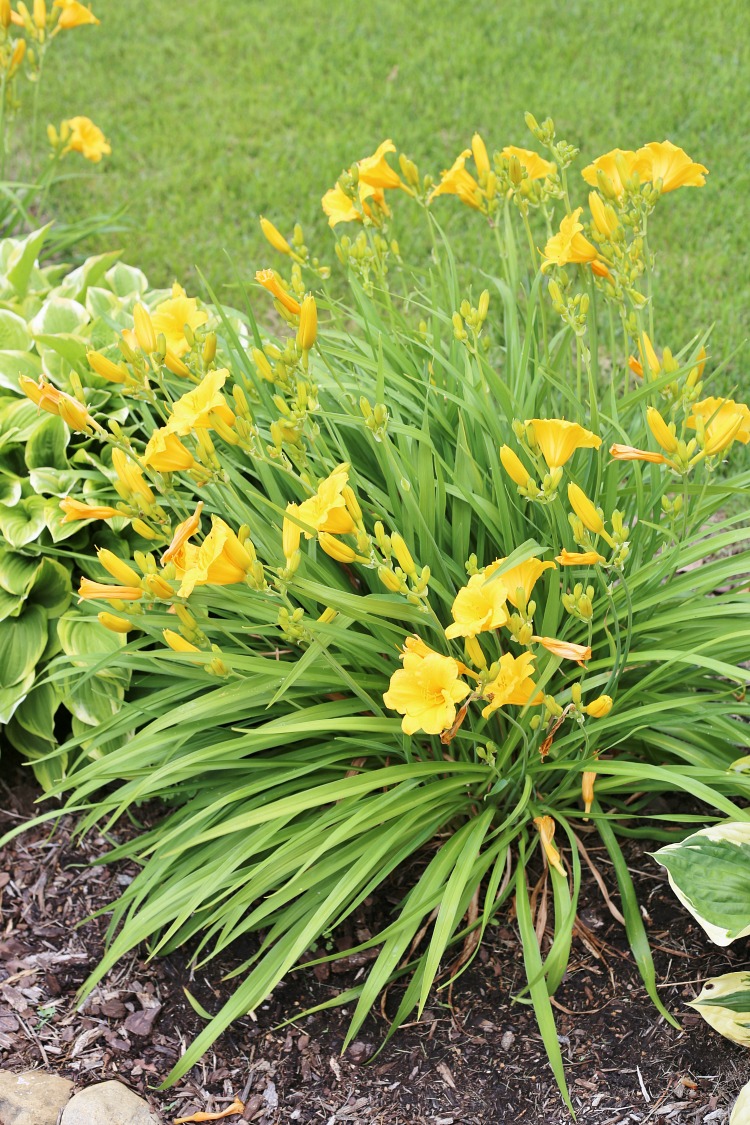
To perk up daylilies and encourage them to thrive and bloom more vibrantly, attention to several key aspects of their care is essential. Daylilies generally require proper sunlight, hydration, and nutrient balance. Here are some methods to ensure that your daylilies remain healthy and attractive throughout their growing season.
Optimal Sunlight Exposure
Providing the right amount of sunlight is crucial for daylilies. These plants typically thrive in full sun conditions, which means they need at least 6 hours of direct sunlight daily. If they are not receiving enough light, their growth may stagnate, leading to fewer blooms.
- Ensure your daylilies are planted in an area that allows for maximum sunlight.
- Trim back any nearby plants or hedges that might cast shade on the daylilies.
- Consider relocating the plants if they are in a shaded area or if larger trees grow nearby.
Regular Watering Practices
Water is vital for the health of your daylilies. These plants prefer consistently moist soil, especially during the growing season. However, over-watering can lead to root rot, so it's essential to find a balance.
- Water your daylilies deeply but infrequently to encourage deeper root growth.
- Utilize a soaker hose or drip irrigation system to provide an even moisture level without overwhelming the roots.
- Check the soil moisture regularly by feeling the top inch of soil; if it’s dry, it’s time to water.
Fertilization Techniques
Applying the right type of fertilizer can greatly enhance the health of daylilies. Fertilizing ensures that the plants receive the necessary nutrients for growth and prolific blooming.
- Use a balanced, slow-release fertilizer formulated for flowering plants.
- Consider a nitrogen-rich fertilizer early in the season to promote leaf growth.
- Switch to a phosphorus-rich fertilizer when you want to boost flower production.
Deadheading and Pruning
Regular maintenance, such as deadheading spent blooms and pruning back foliage, can help keep your daylilies healthy and vibrant. This process encourages new growth and blooms.
- Remove wilted flowers to encourage the plant to produce more blooms.
- Cut back any damaged or unsightly leaves to promote airflow and reduce the risk of disease.
- In late fall or early spring, cut back foliage to promote fresh growth during the new growth season.
Pest and Disease Management
Keeping a close eye on your daylilies for signs of pests or diseases is crucial for their ongoing health. Quick action can prevent minor issues from becoming major problems.
- Inspect leaves regularly for signs of pests like aphids or spider mites.
- Apply appropriate organic pesticides or treat with neem oil at the first sign of an infestation.
- Ensure proper airflow between plants to minimize the risk of disease such as crown rot or fungal infections.
Questions from Our Readers
Are Epsom salts beneficial for daylilies?
Epsom salts can be beneficial for daylilies, as they provide magnesium and sulfur, which are essential nutrients that promote healthy growth and vibrant blooms. Applying Epsom salts can help improve nutrient absorption in the soil, resulting in stronger and more resilient plants.
How do you apply Epsom salts to daylilies?
To apply Epsom salts to daylilies, dissolve about 1-2 tablespoons of Epsom salts in a gallon of water and use this solution to water the plants. This method ensures that the nutrients are readily available for the daylilies, aiding in their overall health and flowering.
When is the best time to apply Epsom salts to daylilies?
The best time to apply Epsom salts to daylilies is during the growing season, particularly in spring when the plants are emerging and again in mid-summer to support blooming. This timing helps maximize the benefits of the nutrients during critical growth phases.
Can too much Epsom salt harm daylilies?
Yes, applying too much Epsom salt can harm daylilies, leading to a condition known as salinity stress. It’s important to use moderate amounts and follow recommended application guidelines to avoid potential damage to the plants.
See also:

If you want to read more articles like Are Epsom Salts Good for Daylilies? Discover the Benefits and Tips for Your Garden, we recommend you check out our Daylily category.
Leave a Reply
Related Articles