Ultimate Guide: What to do when your plant gets too tall?

When your houseplant starts reaching for the ceiling, it can be both exciting and concerning. A tall plant is often a sign of healthy growth, but it can also signal that it’s time to take action. Whether you want to maintain its size, promote bushier growth, or simply want to ensure it fits within your space, understanding how to manage your plant's height is essential. This ultimate guide will provide you with practical tips and techniques on what to do when your plant gets too tall, helping you nurture it effectively while maintaining a beautiful indoor environment.
What to Do When Your Plant Gets Too Tall?
When your plant starts to exceed its desired height, there are several effective strategies you can employ to manage its growth. First, consider pruning the plant to remove excessive height and encourage bushier growth. Ensure you use clean, sharp tools to avoid damaging the plant. Another option is to implement staking, where you provide support to keep the plant upright while controlling its height visually. Adjusting the plant's lighting conditions can also help; moving it to a spot with indirect light might slow its vertical growth. Lastly, repotting the plant into a larger container can help provide additional nutrients and space for the roots, ultimately promoting a more balanced growth.
Pruning Techniques
Pruning is a critical method for managing plant height. When executing pruning, aim to cut just above a leaf node to promote new branches. By doing this, you encourage the plant to develop side shoots instead of growing upward. Pruning should be done during the plant's growing season for optimal recovery. Remember to use sharp, sterile scissors to prevent infection and always remove dead or yellowing leaves, which can redirect the plant’s energy into healthier growth.
Using Stakes for Support
Staking can be an effective way to manage a tall plant without drastic cuts. By providing a vertical support, you help the plant maintain its current height while fostering stability. Use materials such as bamboo stakes or plastic supports, and gently tie the plant to the stake with soft ties to avoid damage. This method allows the plant to grow upright without the risk of it becoming too top-heavy or falling over.
Adjusting Light Conditions
Plants often grow taller in search of light, especially if they are not receiving enough. To help control height, consider relocating your plant to a space where it will receive adequate indirect sunlight. This adjustment can slow down vertical growth, allowing the plant to focus on its overall health. Be mindful of the change in light and monitor the plant for any signs of stress from the new conditions.
Repotting Considerations
Repotting your plant can offer a fresh start and improve growth dynamics. When a plant becomes root-bound in a small pot, it may grow taller in search of more nutrients and space. By moving it to a larger pot with fresh soil, you enhance nutrient availability and root development, promoting a more robust, bushy growth rather than vertical growth. Make sure to loosen any tightly bound roots before placing the plant in its new home.
Choosing the Right Fertilizer
Using the appropriate fertilizer can significantly impact plant growth. A balanced fertilizer will provide essential nutrients that encourage healthy, robust growth rather than just vertical increase. Opt for a fertilizer low in nitrogen if the goal is to minimize height, as nitrogen is known to promote leafy, upward growth. Always follow the recommended dosage on the fertilizer package and apply during the plant's active growth phase.
| Strategy | Description |
|---|---|
| Pruning | Cutting back the plant to encourage bushier growth. |
| Staking | Providing support to help the plant grow upright. |
| Light Adjustment | Modifying light exposure to control vertical growth. |
| Repotting | Transplanting to a larger pot to promote root health. |
| Fertilizer | Using the right nutrients to control plant growth. |
How to stabilize a tall plant?
:max_bytes(150000):strip_icc()/how-to-stake-up-houseplants-1902694-05-9a3ace45d32549d6ae094ee002c77a86.jpg)
To stabilize a tall plant effectively, various methods can be employed depending on the specific type of plant, its growing environment, and the materials available. Here’s a comprehensive guide on how to achieve stability:
1. Support Structures: Using support structures can greatly enhance the stability of tall plants. Various types of supports, such as stakes, cages, or trellises, can be utilized.
Support Structures
Support structures provide vital aid to tall plants, especially those with weak stems or top-heavy growth. Here are effective support methods:
- Stakes: Insert a strong stake into the soil near the plant and tie the plant gently to the stake using soft ties to avoid damage.
- Cages: For broader support, consider using wire or circular cages that can surround the plant, providing stability as it grows.
- Trellises: Suitable for climbing plants, trellises offer a vertical support option, allowing plants to grow upwards while maintaining balance.
2. Soil Quality and Watering: The quality of soil and the frequency of watering are crucial for plant health and stability.
Soil Quality and Watering
High-quality soil provides a solid foundation for tall plants. Proper watering practices ensure that plants do not become waterlogged or too dry:
See also:
- Soil Composition: Use a well-draining soil mix that contains organic matter to provide nutrients and support.
- Consistent Watering: Maintain consistent moisture but avoid overwatering to prevent root rot, which can affect stability.
- Mulching: Apply a layer of mulch to retain soil moisture and improve soil quality over time.
3. Pruning Techniques: Regular pruning can help maintain shape and structural integrity, thereby improving a tall plant's ability to stand upright.
Pruning Techniques
Pruning is crucial for managing the growth of tall plants, allowing for healthier stems and balanced growth:
- Remove Weak Branches: Prune any weak or excessively long branches to reduce weight on the plant.
- Direct Growth: Shape the plant by selectively cutting branches to encourage more upright growth.
- Timing: Perform pruning in the appropriate season for your plant species to promote healthy regrowth.
4. Environmental Considerations: The plant's surrounding environment can impact its stability significantly and should be optimized.
Environmental Considerations
A stable environment can support a tall plant’s growth and minimize stress factors:
- Wind Protection: If the plant is exposed to strong winds, consider adding windbreaks like hedges or fences.
- Sunlight Exposure: Ensure the plant receives adequate sunlight without being scorched; it affects growth direction and strength.
- Pest Control: Monitor for pests and diseases that can weaken the plant, as healthy plants are generally more stable.
5. Container Choice: If growing tall plants in pots, choosing the right container is essential for stability.
Container Choice
Using an appropriate container helps keep tall plants anchored while providing the necessary nutrients and space:
- Size: Select a pot that is large enough to accommodate the root system; a larger base offers better stability.
- Weight: Opt for heavier pots that won't tip over easily, especially in windy conditions.
- Drainage: Ensure that the container has proper drainage holes to prevent water accumulation, which can weaken the root system.
Can I cut the top of my plant?

Yes, you can cut the top of your plant, a practice commonly known as topping. This horticultural technique is often used to promote bushier growth and enhance the overall health of the plant. Here are some key points to consider before proceeding with this method:
1. Timing: The best time to cut the top of your plant varies depending on its species. Most plants can withstand topping during the growing season when they are actively producing new growth.
2. Tools: Use clean, sharp tools to make the cut. This reduces the risk of disease and ensures a clean cut, which helps the plant heal effectively.
3. Aftercare: After cutting, monitor the plant closely for signs of stress and ensure it receives appropriate care, including watering and fertilization.
Benefits of Topping Your Plant
Topping can provide numerous benefits that improve the plant's appearance and health. Some of these benefits include:
- Enhanced Bushiness: Topping encourages lateral growth, resulting in a fuller appearance.
- Increased Light Penetration: A bushier plant allows more light to reach lower leaves, promoting overall growth.
- Higher Yield: For fruiting or flowering plants, topping can lead to increased production due to more flowering sites.
How to Properly Top a Plant
To effectively top a plant, follow these essential steps to ensure a healthy cut:
See also:
- Select the Right Point: Identify the node above which you want to make your cut; this ensures new growth will emerge from that point.
- Make a Clean Cut: Use sterilized shears to avoid introducing pathogens, cutting just above the node.
- Monitor Recovery: Keep an eye on the plant's response and provide additional care as needed during the recovery phase.
Plants That Respond Well to Topping
While many plants can be topped, some species respond particularly well, making them ideal candidates:
- Herbs
- Tomatoes: Topping encourages more fruiting sites, enhancing yield.
- Cannabis: This plant is commonly topped to increase the number of colas and improve overall harvest.
Risks of Topping Your Plant
Topping comes with certain risks that you should be aware of before cutting:
- Over-Stressing: If a plant is topped too aggressively, it may become stressed and lead to poor growth.
- Improper Technique: Making cuts in the wrong area can result in stunted growth or even damage the plant.
- Pest Attraction: Fresh cuts can attract pests if not properly cared for, leading to additional issues.
Alternatives to Topping
If you're hesitant about topping, there are alternatives that can also help promote bushier growth without cutting:
- Pruning: Regular pruning can help manage plant size and shape without removing the top.
- Pinching: Pinching off new growth tips encourages lateral growth similar to topping.
- Training Methods: Techniques like low-stress training (LST) can reshape plants while minimizing stress.
How to fix an overgrown plant?
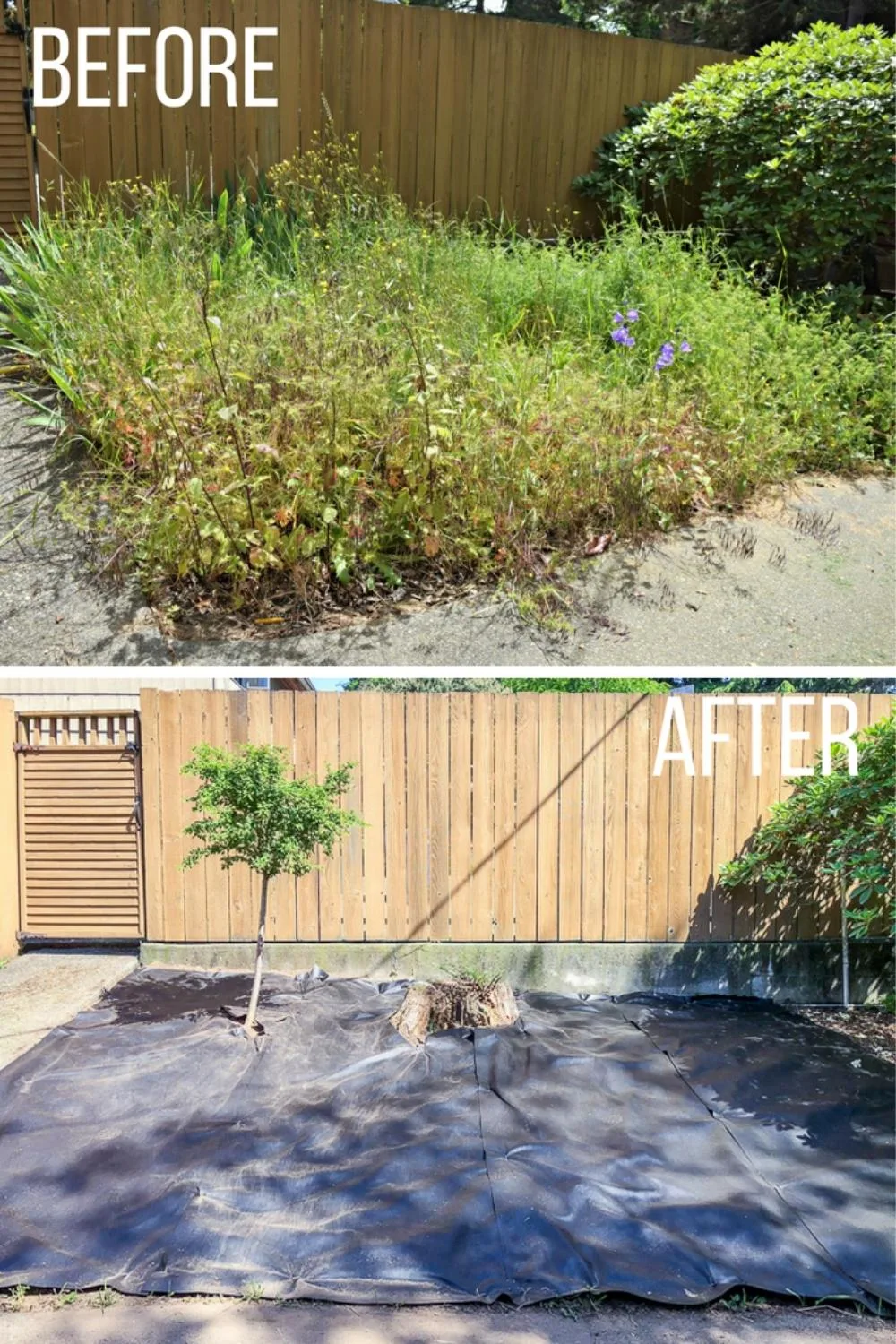
To fix an overgrown plant, there are several steps you can take to rejuvenate it and encourage healthy growth. Overgrown plants often display excessive foliage, lack of sunlight penetration, and reduced airflow, which can lead to pest issues and other health problems. Here are detailed steps and tips on how to effectively manage and restore your overgrown plant.
Assess the Current State of the Plant
Before taking any action, it is important to assess the current state of the overgrown plant. This involves inspecting both the foliage and root system.
- Evaluate the health of the leaves: Look for signs of wilting, yellowing, or pest infestations.
- Check for entangled branches: Identify areas where branches may be crossing over each other or clumping together.
- Examine the pot or soil: Ensure that the roots have enough space to grow and that the soil is not compacted.
Pruning the Overgrown Foliage
Pruning is a vital step in managing an overgrown plant. It involves cutting back excess growth to promote a more manageable size and healthier structure.
- Use sharp, clean pruning shears: This helps prevent damage to the plant and reduces the risk of disease.
- Remove dead or unhealthy branches: These can hinder the overall health of the plant.
- Trim back healthy growth selectively: Aim to shape the plant while allowing enough foliage for photosynthesis.
Repotting for Improved Growth
If your overgrown plant is root-bound, repotting it into a larger container can provide the necessary space for growth.
- Select an appropriately sized pot: Choose a pot that is at least 1-2 inches larger in diameter than the current one.
- Use fresh, well-draining soil: This will help support root health and prevent waterlogging.
- Gently separate roots if root-bound: Avoid damaging the roots as you transfer the plant to its new pot.
Providing Proper Light and Air Circulation
After addressing the size of the plant through pruning and repotting, ensuring it receives adequate light and air circulation is crucial.
- Identify the optimal light requirements for your plant variety: Some plants thrive in direct sunlight, while others prefer indirect light.
- Position the plant appropriately: Ensure it gets enough light without being scorched by direct sun for too long.
- Space out foliage: If the plant allows, trim back dense areas to improve airflow between branches.
Regular Maintenance and Care
Ongoing maintenance will help in the sustained health of your plant after it has been trimmed and repotted.
- Establish a watering routine: Ensure the plant receives moisture based on its specific needs, typically when the topsoil feels dry.
- Fertilize appropriately: Use balanced, slow-release fertilizers during the growing season to support vigorous growth.
- Monitor for pests and diseases: Regularly check for issues and take action immediately if you notice any signs of trouble.
Questions from Our Readers
What are the best ways to prune a tall plant?
To prune a tall plant effectively, start by identifying the tallest stems and deciding how much to cut back. Use sharp scissors or pruning shears to make clean cuts just above a leaf node. This encourages bushier growth and can help maintain the plant's shape, ensuring it does not become overly tall or leggy.
Can I repot my plant to control its height?
Yes, repotting can help control the height of your plant. Choose a slightly smaller pot to limit root growth, which can subsequently limit the overall height of the plant. When repotting, make sure to use fresh soil to provide necessary nutrients and encourage healthy growth.
What techniques can I use to support taller plants?
Using support stakes or trellises can help manage taller plants. Make sure to gently tie the stems to the support with soft ties to prevent damage. This will provide stability without restricting growth, allowing the plant to reach its full potential while remaining upright.
See also:
When should I consider cutting my plant back significantly?
Consider cutting your plant back significantly if it has become overgrown or leggy, losing its shape. The best time for a hard prune is during the growing season, typically in spring, when the plant is primed for new growth. This encourages a more compact and healthier appearance in the long run.

If you want to read more articles like Ultimate Guide: What to do when your plant gets too tall?, we recommend you check out our Plants category.
Leave a Reply
Related Articles