Can I Put Cuttings Straight Into Soil? Expert Tips for Successful Rooting

Starting a garden from cuttings can be a rewarding experience, but many novice gardeners often wonder if they can place cuttings directly into the soil. The answer isn't straightforward, as success largely depends on various factors such as the plant species, time of year, and soil composition. In this article, we will explore expert tips and techniques to enhance your chances of successful rooting. From preparing your cuttings properly to selecting the right environment, understanding these essential steps will help you cultivate a thriving garden, maximizing the potential of your plant cuttings.
Can I Put Cuttings Straight into Soil?
Yes, you can put cuttings straight into soil; however, the success of this method often depends on several factors, including the type of plant, the quality of the soil, and the care provided after planting. When planting cuttings, using a well-draining potting mix is essential to prevent root rot and encourage healthy growth. Additionally, certain plants respond better to this method than others; for example, softwood cuttings from plants like basil and mint are generally more successful when placed directly into soil. It's also crucial to keep the soil consistently moist but not overly wet, as this balance helps stimulate root development while minimizing the risk of fungal diseases.
Type of Cuttings
The type of cuttings you choose plays a significant role in determining if you can put them straight into soil. Softwood cuttings are typically taken from new growth and are best for immediate planting, as they root quickly and efficiently in soil. Hardwood cuttings, taken from mature wood, may need a period of dormancy and can benefit from additional treatment, such as rooting hormone, before being placed in soil. Understanding the specific requirements for each cutting type will help increase your chances of successful propagation.
Soil Requirements
Using the right type of soil is critical when planting cuttings directly into the ground. A well-draining potting mix or a combination of peat moss, perlite, and vermiculite allows for proper aeration and drainage, reducing the risk of rot. Additionally, a nutrient-rich soil can provide essential elements needed for root development. Ensuring that the soil remains consistently moist but not soggy will further enhance the possibility of root establishment.
Watering Techniques
After placing the cuttings in the soil, proper watering techniques become vital. It's important to water the soil thoroughly at the time of planting, ensuring that it is evenly moist. Afterward, maintain consistent moisture levels by checking the soil frequently; watering should be done when the top inch of soil feels dry. Using a spray bottle or light watering can help avoid disturbing the cuttings, and ensuring the cuttings do not sit in standing water will minimize the risk of root rot.
See also:
Light Conditions
The right light conditions are essential for the successful rooting of cuttings. Once planted, most cuttings prefer bright, indirect sunlight to encourage growth without the risk of scorching the leaves. Too much direct sunlight can cause stress and hinder root development, while too little light may lead to weak, leggy growth. Providing a controlled environment with the right balance of light will enhance the chances of successful establishment.
Using Rooting Hormone
While it's possible to plant cuttings straight into soil without rooting hormone, utilizing this product can boost your success rate. Rooting hormone contains growth hormones that stimulate root development and can be especially beneficial for hardwood cuttings or more challenging plant varieties. When using rooting hormone, dip the cut end of the cutting into the powder or gel before planting it in the soil. This extra step can help establish roots faster and promote strong growth.
| Factor | Details |
|---|---|
| Cutting Type | Softwood roots quickly; hardwood may need hormone. |
| Soil | Well-draining, nutrient-rich for healthy growth. |
| Watering | Evenly moist; avoid standing water. |
| Light | Bright, indirect light preferred for growth. |
| Rooting Hormone | Can enhance success, especially for difficult cuttings. |
Understanding the Best Practices for Plant Cuttings
When considering whether to put cuttings straight into soil, it’s crucial to understand that while this can be effective, the success often depends on factors such as the type of plant, the soil quality, and proper moisture levels. Choosing the right container and ensuring that the cutting is healthy will significantly influence the rooting process. Utilizing a well-draining potting mix that contains the right balance of nutrients can enhance the chances of successful root development. Additionally, keeping the cutting in a warm and bright environment, away from direct sunlight, will promote better growth and healing.
Choosing the Right Cuttings
When selecting cuttings, it's important to choose healthy segments from the parent plant. The cuttings should be taken from the tip or nodal area, as these places have a higher potential for rooting. Ensure you avoid any plant parts that appear diseased or wilting, as these can hinder the rooting process. The age of the plant also influences the success rate, with younger plants generally rooting more easily than older ones.
Soil Preparation for Rooting
For optimal results, prepare your soil by using a well-aerated and lightweight mix that can retain moisture, yet drain excess water effectively. A combination of peat moss, perlite, or vermiculite creates an excellent medium that encourages root growth. Ensure that the soil is sterile to prevent any potential diseases that may harm the cuttings. The right moisture level is essential, so lightly dampen the soil before placing the cuttings and avoid overwatering, which can lead to rot.
See also:
Watering Techniques for Successful Rooting
Watering your cuttings correctly is vital to ensure they establish roots. After planting the cuttings in the soil, it is recommended to give them a light watering to settle the soil around the base. Subsequently, water only when the top inch of soil feels dry; this prevents overwatering and encourages the roots to grow deeper in search of moisture. Utilizing a misting technique can be beneficial to maintain humidity around the cuttings, promoting a conducive environment for root development.
Light and Temperature Requirements
Lighting plays a crucial role in the rooting of cuttings. Place them in an area with bright, indirect light to prevent leaf burn and stress. Avoid placing cuttings in direct sunlight as it may cause dehydration. Most cuttings thrive in temperatures between 20-25°C (68-77°F), which can accelerate the rooting process. If the environment is too cool, consider using a propagation heat mat to provide warmth and enhance growth.
Transplanting Your Rooted Cuttings
After several weeks, when you notice roots developing, it's time to consider transplanting the cuttings into larger pots or into the garden. Be cautious during this process, as the young roots are fragile and can be easily damaged. Dig a hole in the new location or pot that is slightly larger than the root system of the cutting. Gradually introduce the rooted cutting to its new home, ensuring the soil remains moist as it adjusts to the new environment.
Questions from Our Readers
Can I put cuttings straight into soil?
Yes, you can put cuttings straight into soil. However, it is important to ensure that the soil is well-draining and that the cuttings are healthy. Using a rooting hormone can also improve the success rate of the cuttings establishing roots in the soil.
What type of soil should I use for cuttings?
Using a sterile, lightweight potting mix is recommended for cuttings. This type of soil provides adequate drainage and aeration while holding just enough moisture, which is essential for the cuttings to develop healthy roots.
See also:
How often should I water cuttings in soil?
You should water the cuttings lightly and consistently to keep the soil moist but not soggy. Typically, checking the soil every few days and watering when the top inch feels dry can help maintain the optimal moisture level for root development.
When will I know if my cuttings have rooted?
You can generally expect to see signs of rooting within 2 to 6 weeks, depending on the plant species. Indicators include new leaf growth or resistance when gently pulling on the cutting, which suggests that roots have formed.
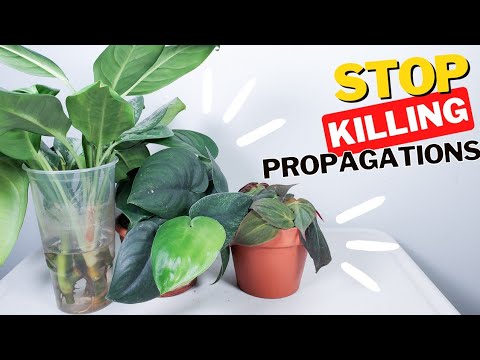
If you want to read more articles like Can I Put Cuttings Straight Into Soil? Expert Tips for Successful Rooting, we recommend you check out our Plants category.
Leave a Reply
Related Articles