What is the best homemade rooting hormone for cuttings? Discover Natural Solutions for Successful Plant Propagation
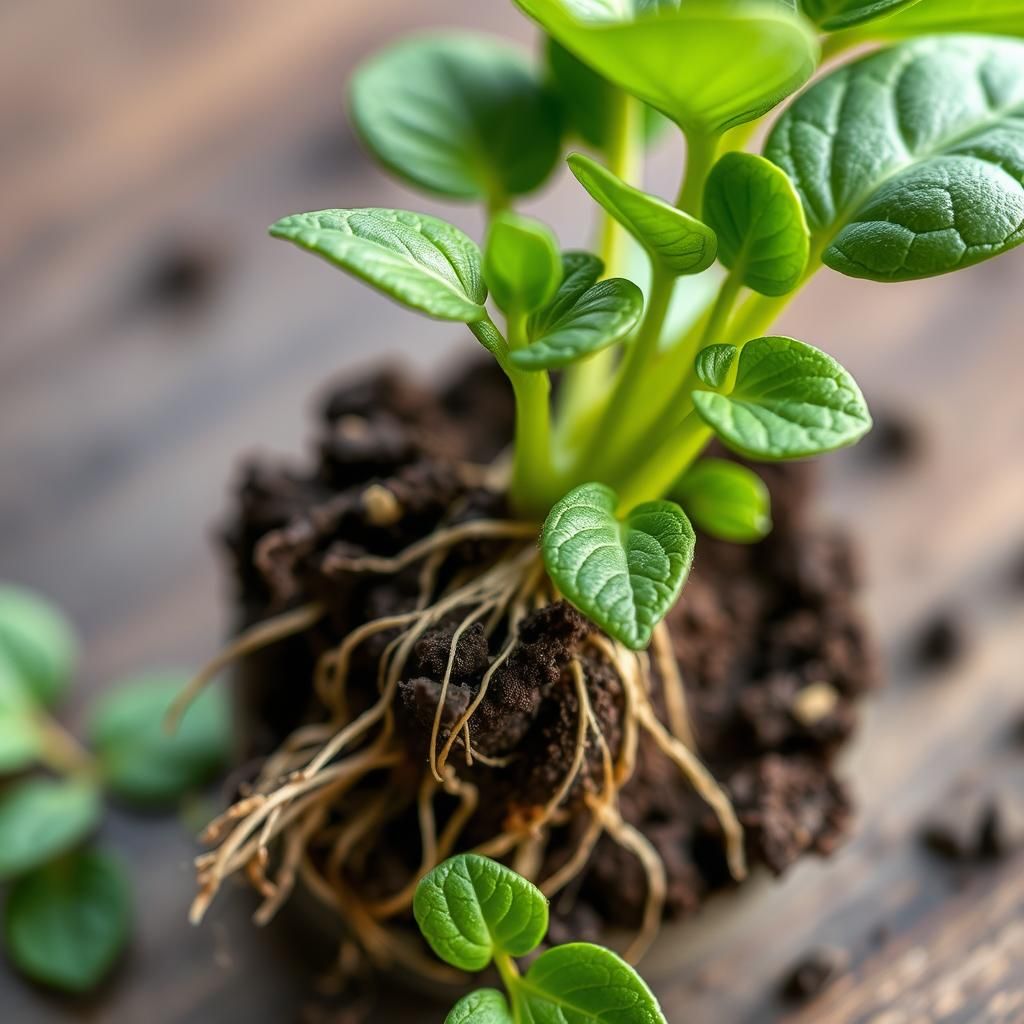
Rooting hormones play a crucial role in the propagation of plants, especially when it comes to taking cuttings. While commercial rooting hormones are readily available, many gardeners are turning to natural solutions that can be just as effective, if not more so. In this article, we will explore the best homemade rooting hormone alternatives, examining ingredients from your kitchen and garden that promote robust root development. Whether you're a seasoned gardener or a curious newcomer, these natural methods can enhance your plant propagation success, providing a sustainable and cost-effective approach to growing new plants from cuttings.
What is the Best Homemade Rooting Hormone for Cuttings?
Creating your own rooting hormone at home can be an effective and economical way to enhance the rooting process of cuttings. Among the most popular homemade options are mixtures that feature honey, which has natural antibacterial properties, or cinnamon, a spice known for its ability to protect against fungal infections. Additionally, using willow water, derived from the bark of willow trees rich in auxins, a type of plant hormone, can significantly improve the success rate of cuttings. These homemade alternatives provide a natural way to stimulate root development, ensuring that your cuttings have the best chance of thriving.
Honey as a Rooting Hormone
Honey is not only a sweetener but also a powerful natural rooting hormone. When diluted in water, honey can create a solution that helps stimulate the growth of roots in plant cuttings due to its unique composition of natural enzymes and hormones. These properties aid in the healing of cut wounds on the cutting, leading to faster and healthier root formation. Additionally, the antimicrobial qualities of honey can help to protect the cuttings from potential infections during the rooting process.
Cinnamon as a Natural Rooting Agent
Cinnamon is another widely used natural remedy that can act as an effective rooting hormone. Its active compounds not only promote root development but also provide a protective barrier against fungal diseases and infections. Simply dusting the cut ends of plant cuttings with ground cinnamon can help in reducing rot and improving overall health during the rooting process. This spice is easily accessible and provides an economical option for gardeners seeking to enhance root growth in their cuttings.
Willow Water and its Benefits
Willow water is made by soaking willow branches in water, extracting the natural auxins present in the plant. Auxins are essential for root growth and development, making willow water an incredibly valuable homemade rooting hormone. By using willow water to soak cuttings or as a watering solution, gardeners can encourage quicker and more robust root establishmen. The natural growth hormones in willow make it a favored choice among both amateur and professional gardeners looking for natural solutions.
Aloe Vera Gel as a Rooting Agent
Aloe vera gel is another natural alternative that can be used as a rooting hormone. It is rich in vitamins and properties that enhance root growth and health. The gel can be applied directly to the cut ends of plant cuttings, providing moisture and essential nutrients that support root formation. Its antimicrobial properties also contribute to preventing diseases during the rooting stage, making it an excellent choice for nurturing healthy plants from cuttings.
Using Aspirin as a Rooting Hormone
Aspirin contains salicylic acid, which has been shown to stimulate root growth in plant cuttings. To utilize it as a homemade rooting hormone, simply dissolve a tablet of aspirin in water and soak the cuttings in this solution before planting. This method can help enhance the cuttings' ability to develop roots by promoting cell division and growth. Furthermore, the compound's potential to ward off diseases adds an additional layer of protection for young plants.
| Homemade Rooting Hormone | Main Benefits |
|---|---|
| Honey | Antibacterial, speeds up root development |
| Cinnamon | Fungal protection, enhances root growth |
| Willow Water | High in auxins, promotes root establishment |
| Aloe Vera Gel | Nutrient-rich, reduces disease |
| Aspirin | Stimulates root growth, disease prevention |
What can be used instead of a rooting hormone?

When propagating plants, gardeners often rely on rooting hormones to promote root growth in cuttings. However, several natural and household alternatives can effectively stimulate rooting without the need for commercial products. Here are some effective substitutes for rooting hormones:
1. Honey
Honey is a well-known natural substitute for rooting hormones due to its antibacterial and anti-fungal properties. It contains natural sugars and enzymes that can stimulate root development.
See also:
- Natural Source: Honey is derived from flowers and has been used since ancient times for various health benefits.
- Application: Dip the cut end of your plant cutting in honey before planting it in soil.
- Benefits: It helps prevent infections in the cutting while promoting healing and root growth.
2. Cinnamon
Cinnamon is another useful natural rooting agent. It is known for its fungicidal properties, which can help protect cuttings from harmful pathogens.
- Natural Sterilizer: It can help to sterilize the cutting, reducing the risk of rot.
- How to Use: Sprinkle cinnamon powder on the cut end of the cutting before planting.
- Root Development: It encourages faster root growth due to its stimulating properties.
3. Aloe Vera
Aloe vera gel is packed with growth hormones known as auxins and gibberellins, which can significantly enhance root development in cuttings.
- Natural Growth Hormone: The gel can act as a rooting medium by providing essential nutrients.
- Usage: Apply fresh aloe vera gel directly to the cut end of the cutting.
- Moisture Retention: It also helps retain moisture around the cutting to foster growth.
4. Potato
Using a potato as a rooting medium is an unconventional but effective method. The starch in potatoes provides energy and aids in root development.
- Energy Source: Potatoes are rich in carbohydrates, which can fuel the growth of new roots.
- How to Implement: Cut a potato in half and make a small hole in the center to place the cutting.
- Moisture: As the potato decomposes, it provides moisture and nutrients to the cutting.
5. Vinegar
Although it is used in many culinary applications, vinegar can also be effective as a rooting agent due to its acetic acid content, which can enhance root propagation when used correctly.
- Acidic Medium: The acidity can create an optimal environment for root growth.
- How to Use: Dilute vinegar with water (1 part vinegar to 4 parts water) and soak the cutting before planting.
- Caution: Too much vinegar can harm the cutting, so ensure to use it sparingly.
What helps cuttings root faster?

To help cuttings root faster, several techniques and conditions are essential. Successful propagation relies on creating an optimal environment that supports root development. Here are some effective methods:
Optimal Cutting Preparation
Properly preparing your cuttings can significantly influence their ability to root. A few key steps include:
- Select healthy parent plants: Choose vigorous plants to ensure your cuttings have strong genetics.
- Use sharp tools: A clean cut minimizes damage and allows for better healing, reducing the chance of infection.
- Cut at the right angle: A diagonal cut increases the surface area, promoting better absorption of water and nutrients.
Hormone Application
Utilizing rooting hormones can dramatically improve the rooting success of cuttings. The benefits include:
- Faster root development: Hormones like auxins encourage quicker root formation.
- Reduction of stress: Hormones help ease the transition from the cutting state to a rooted plant.
- Increased success rates: Using hormones can lead to higher survival rates of cuttings.
Moisture Management
Proper moisture levels are crucial for root development. Consider the following aspects:
- Consistent humidity: Keeping cuttings in a humid environment reduces transpiration and helps maintain turgidity.
- Avoid overwatering: Excessive moisture can lead to rot; well-draining media is essential.
- Misting regularly: Light misting of cuttings can help maintain humidity without waterlogging.
Temperature Control
Temperature plays a vital role in the rooting process. Effective strategies include:
See also:
- Warm environment: Ideal temperatures (around 70-75°F or 21-24°C) promote faster root growth.
- Consistency: Keeping a stable temperature avoids shocks that can hinder rooting.
- Use heat mats: Heat mats can provide bottom heat, which is beneficial for cuttings.
Proper Light Conditions
Lighting conditions can influence root development too. Here are suitable practices:
- Indirect light: Bright, indirect sunlight can enhance photosynthesis without stressing the cutting.
- Avoid direct sun: Full sun can lead to wilting and stress, negatively impacting rooting.
- Use grow lights: If natural light is insufficient, using grow lights can ensure adequate light for healthy growth.
Can you use vinegar as a rooting hormone?

Yes, vinegar can be used as a natural rooting hormone due to its acetic acid content, which can encourage root growth in plant cuttings. However, its effectiveness may not match that of commercial rooting hormones. Below are several aspects to consider when using vinegar as a rooting agent.
What is Vinegar?
Vinegar is a solution of acetic acid and water and is commonly used in cooking and cleaning. Its concentration typically ranges from 4% to 8% acetic acid. When using vinegar in gardening, it’s best to use apple cider vinegar or white vinegar. Each type has different properties that may affect plant growth:
- Apple cider vinegar is more organic and contains vitamins and minerals that may benefit plant health.
- White vinegar is a stronger and more acidic option but may require dilution.
- Vinegar's acidity can have both positive and negative effects depending on the concentration used.
How Does Vinegar Promote Rooting?
When applied to cuttings, vinegar can act to {strengthen root formation} by providing an acidic environment. This can enhance the uptake of nutrients essential for root development. While vinegar does not contain plant hormones like auxins, its acid attributes can stimulate root growth indirectly:
- Acidic conditions can help break down cuttings' protective outer layers.
- Enhanced nutrient absorption through improved soil pH can facilitate healthier root systems.
- It might help in controlling certain pathogens that can hinder root growth.
Best Practices for Using Vinegar as a Rooting Hormone
To effectively utilize vinegar as a rooting hormone, certain best practices should be followed to ensure plant health. Here's how to use vinegar safely:
- Dilute the vinegar to reduce acidity; a common recommendation is a 1:10 ratio of vinegar to water.
- Soak the cuttings in the diluted vinegar solution for a few hours prior to planting.
- Monitor the cuttings for any signs of stress or damage, as too much acidity can harm the plant tissue.
Alternatives to Vinegar for Rooting Hormones
While vinegar can be a useful agent, many gardeners prefer other methods for promoting root growth. Here are some alternatives:
- Commercial rooting hormones are available in gel or powder forms and contain auxins, which are highly effective in promoting roots.
- Natural options like honey or cinnamon can provide beneficial properties to enhance the rooting process.
- Homemade solutions using willows or other plant materials high in natural rooting hormones can also be effective.
Potential Risks of Using Vinegar for Rooting
While vinegar has its merits, there are several risks associated with its use as a rooting hormone that should be considered:
- Over-acidity can damage the delicate tissues of plant cuttings.
- It may not provide the same consistent results compared to dedicated rooting hormones.
- Varied plant responses mean that not all species will react positively to vinegar, requiring careful observation.
Questions from Our Readers
What ingredients can I use to make a homemade rooting hormone?
To create an effective homemade rooting hormone, you can use ingredients such as cinnamon, honey, and aloe vera. Cinnamon contains antifungal properties that help prevent rot, while honey is a natural antibacterial that promotes healthy growth. Aloe vera is rich in vitamins and minerals that support root development, making it an excellent choice for cuttings.
How do I apply homemade rooting hormone to my cuttings?
To apply your homemade rooting hormone, simply dip the cut end of your plant cutting into the rooting solution, allowing it to soak for a few seconds. After that, plant the cutting in moist soil, ensuring good contact between the cutting and the soil. This method helps facilitate root growth by providing the necessary nutrients directly to the base of the cutting.
See also:
How effective are homemade rooting hormones compared to store-bought ones?
While homemade rooting hormones can be quite effective, they may not match the potency of commercial products that often contain growth hormones specifically designed to stimulate root development. However, many gardeners find homemade options to be a natural and sufficient alternative, especially for those who prefer organic gardening methods.
Can I use more than one ingredient in my homemade rooting hormone?
Yes, you can definitely use a combination of ingredients to create a more powerful homemade rooting hormone. Blending ingredients like cinnamon, honey, and aloe vera can enhance their individual benefits, providing a richer source of nutrients and protection for your cuttings. Experimenting with different combinations can help you find the best mix for your plant's needs.

If you want to read more articles like What is the best homemade rooting hormone for cuttings? Discover Natural Solutions for Successful Plant Propagation, we recommend you check out our Plants category.
Leave a Reply
Related Articles