What Fertilizer to Use on Daylilies? A Comprehensive Guide for Thriving Blooms
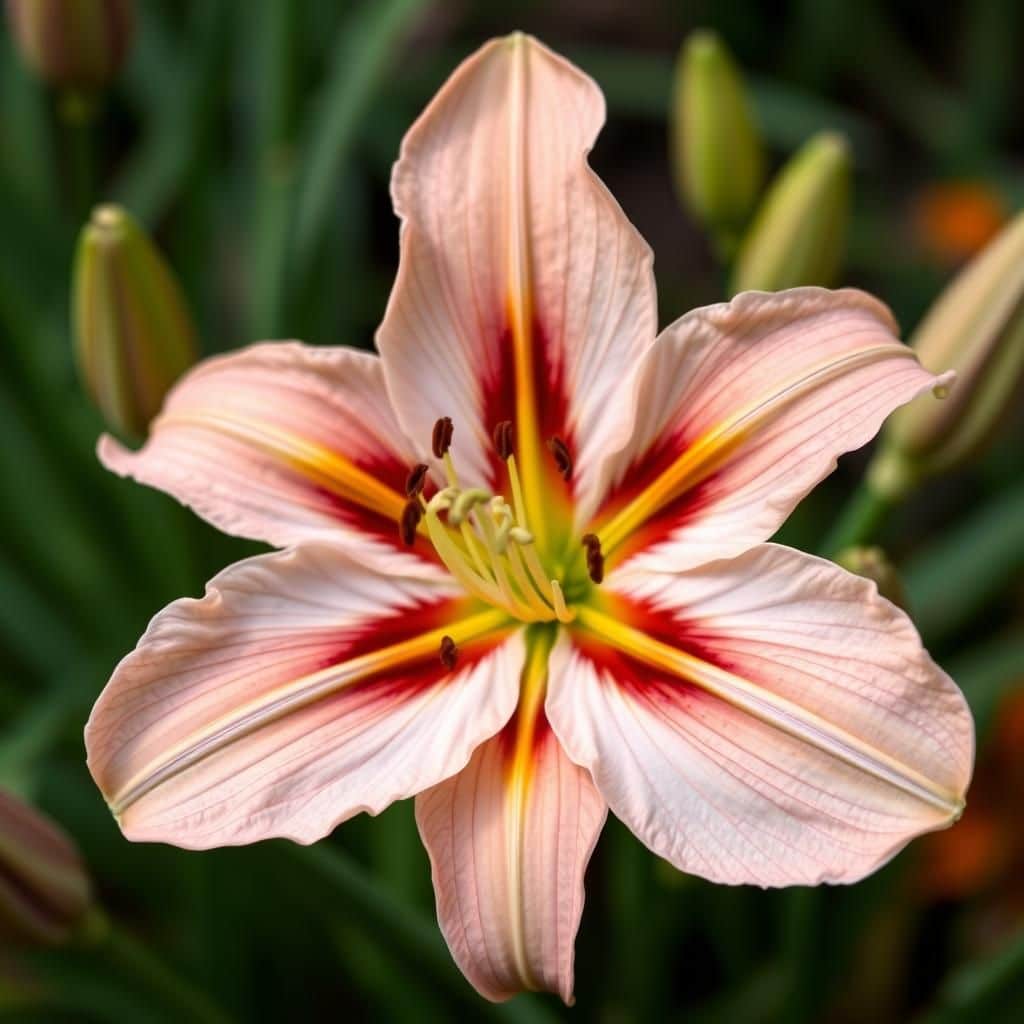
Daylilies are a popular choice for gardeners due to their vibrant blooms and resilience. However, to ensure that these beautiful perennials thrive, selecting the right fertilizer is essential. In this comprehensive guide, we will explore the various types of fertilizers suitable for daylilies, the specific nutrients they need, and the best application methods. Whether you're a novice gardener or an experienced green thumb, understanding how to nourish your daylilies will help you achieve an abundant display of flowers. Join us as we delve into the key factors that contribute to the health and blooming potential of these stunning plants.
What Fertilizer is Best for Daylilies?
Daylilies thrive with the right nutritional balance, making fertilization an important aspect of their care. A slow-release fertilizer with balanced nutrients, such as a 10-10-10 (N-P-K) formulation, is often recommended to promote healthy growth and abundant blooms. Additionally, incorporating organic matter like compost can enhance soil fertility and structure, providing essential micro-nutrients. It's best to apply the fertilizer in early spring as the plants begin to emerge, ensuring they receive the necessary nutrients to support their growth cycle throughout the blooming season.
Types of Fertilizers for Daylilies
There are various types of fertilizers suitable for daylilies, including synthetic, organic, and slow-release options. Synthetic fertilizers typically provide a quick nutrient boost, while organic fertilizers such as bone meal or fish emulsion improve soil health over time. Slow-release fertilizers are ideal for daylilies because they deliver nutrients gradually, reducing the risk of over-fertilization and promoting sustained growth.
When to Apply Fertilizer
The best time to apply fertilizer to daylilies is in early spring, just as new growth begins to emerge. This timing allows the plants to absorb vital nutrients during their peak active growth phase. A second application can be made in mid-summer, especially for strong floriferous types that require a bit more feeding to support their blooming cycle. It's crucial to avoid fertilizing in late summer or fall, as this can lead to excessive foliage growth at the expense of flower production.
How to Apply Fertilizer
When applying fertilizer, it's important to follow the recommended rates on the label to avoid damaging the plants. You can either sprinkle the fertilizer evenly around the base of the plants or mix it into the top layer of soil. Watering after application helps activate the fertilizer and ensures the nutrients reach the root zone. Additionally, maintaining good soil moisture is essential to help daylilies take up the nutrients effectively.
Organic vs. Synthetic Fertilizers
Choosing between organic and synthetic fertilizers depends on individual gardening philosophies and the specific needs of daylilies. Organic fertilizers improve the overall health of the soil, promoting beneficial microbial activity, while synthetic fertilizers provide immediate nutrient availability for faster results. Both types can be effective, but organic options tend to lead to more sustainable growth and resilience over time, especially in maintaining soil quality.
Signs of Over-fertilization
Over-fertilization can lead to several problems for daylilies, including excessive leafy growth and reduced flowering. Symptoms include yellowing of the leaves, which may appear burning at the tips, and poor overall plant vigor. In extreme cases, nutrient imbalances can cause root burn or stress in plants, making them more susceptible to pests and diseases. Monitoring plant health and following fertilizer recommendations can prevent these issues from arising.
| Type of Fertilizer | Advantages | Disadvantages |
|---|---|---|
| Synthetic | Quick nutrient availability | Possible soil depletion over time |
| Organic | Improves soil health | Slower release of nutrients |
| Slow-release | Gradual nutrient delivery | Higher initial cost |
What is the best fertilizer for daylilies?
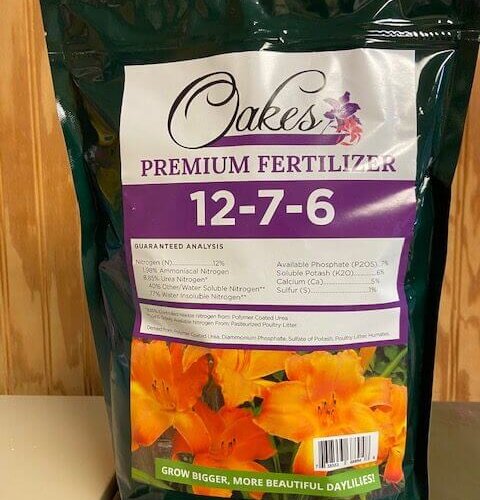
The best fertilizer for daylilies is one that promotes healthy growth, vibrant blooms, and strong root systems. Daylilies are generally tolerant plants but thrive with proper fertilization. A balanced fertilizer with equal parts nitrogen, phosphorus, and potassium (N-P-K ratio of 10-10-10) is often recommended. Additionally, fertilizers with higher phosphorus content can encourage blooming, while slow-release fertilizers provide nutrients over an extended period, reducing the frequency of application. Organic options, like compost or well-rotted manure, also benefit daylilies by improving soil structure and nutrient availability.
Understanding N-P-K Ratios
Understanding the importance of the N-P-K ratio in fertilizers is essential for daylily care. The ratio indicates the relative amounts of nitrogen, phosphorus, and potassium in the fertilizer, which are crucial for plant health.
- Nitrogen: Promotes leaf and stem growth, helping to develop a lush green plant.
- Phosphorus: Essential for root development and flowering, making vibrant blooms more likely.
- Potassium: Supports overall plant health and disease resistance, ensuring longevity and vigor.
Organic vs. Synthetic Fertilizers
Both organic and synthetic fertilizers can be effective for feeding daylilies, but they differ in their application and nutrient release methods. Organic fertilizers release nutrients slowly, allowing plants to absorb them over time, which benefits soil health.
- Organic options: Include compost, manure, and bone meal, which improve soil structure.
- Synthetic fertilizers: Provide quick nutrient boosts but may lead to salt buildup in the soil if over-applied.
- Combination use: Using both types can optimize growth while maintaining soil health.
When to Fertilize Daylilies
The timing of fertilizer application plays a crucial role in maximizing the benefits for daylilies. The best times to fertilize are during the growing season when plants are actively developing.
- Spring application: Fertilize in early spring as new growth begins to support leaf development.
- Post-bloom fertilization: Apply fertilizer again after blooming to encourage new growth and future blooms.
- Fall considerations: Avoid fertilizing in late fall, which can encourage growth that may be damaged by winter cold.
Best Types of Fertilizers for Daylilies
Choosing the right type of fertilizer can significantly impact the health of daylilies. Several options are available to meet the specific needs of these plants.
See also:
- Balanced fertilizers: Such as those with an N-P-K ratio of 10-10-10, which support overall growth.
- Slow-release fertilizers: Provide nutrients gradually, reducing the frequency of applications.
- Specialized formulations: Products designed specifically for flowering plants can promote optimal blooms.
Signs of Nutrient Deficiency in Daylilies
Recognizing signs of nutrient deficiency is essential to adjust care and fertilizer use for daylilies. Common symptoms include changes in leaf color and growth patterns.
- Yellowing leaves: Often a sign of nitrogen deficiency, leading to poor growth.
- Stunted growth: Indicating potential phosphorus or potassium deficiencies.
- Poor blooming: Lack of flowers may suggest insufficient nutrients, particularly phosphorus.
Can you use 10-10-10 fertilizer on daylilies?

Yes, you can use 10-10-10 fertilizer on daylilies, which are known for their resilience and ability to thrive in a variety of soil conditions. This balanced fertilizer contains equal parts of nitrogen (N), phosphorus (P), and potassium (K), which can provide daylilies with the essential nutrients they need for healthy growth and blooming. However, it is important to consider the timing and method of application to maximize the benefits while avoiding potential harm to the plants.
Understanding 10-10-10 Fertilizer
10-10-10 fertilizer is a balanced fertilizer that provides equal ratios of nitrogen, phosphorus, and potassium. Each of these nutrients serves a critical role in plant health:
- Nitrogen: Essential for green, leafy growth and overall plant vigor.
- Phosphorus: Important for root development and blooming.
- Potassium: Helps improve plant resilience and stress tolerance.
Benefits of Using 10-10-10 on Daylilies
Applying 10-10-10 fertilizer to daylilies can yield several benefits that enhance their growth and flowering performance:
- Promotes Healthy Foliage: The nitrogen content supports vibrant leaf development.
- Enhances Bloom Quality: Phosphorus encourages abundant and colorful blooms.
- Strengthens Roots: Potassium aids in developing a robust root system, improving nutrient uptake.
Optimal Timing for Fertilizing Daylilies
The timing of fertilization is crucial to effectively use 10-10-10 on daylilies:
- Early Spring: Apply the fertilizer as new growth begins to encourage a strong start to the growing season.
- Mid-Summer: A second application can support ongoing growth and promote late summer blooms.
- Frequency: Avoid excessive applications which can lead to nutrient imbalances and potential damage.
Application Methods
There are several methods for applying 10-10-10 fertilizer to ensure that daylilies receive the nutrients evenly:
- Broadcasting: Scatter the fertilizer evenly around the base of the plants, avoiding direct contact with the foliage.
- Soil Incorporation: Lightly mix the fertilizer into the top inch of soil for better nutrient accessibility.
- Watering In: Apply water after fertilization to help dissolve the nutrients and promote absorption by the roots.
Potential Risks of Overfertilizing
While 10-10-10 fertilizer can benefit daylilies, overapplication can lead to issues:
- Burning Roots: Excessive nitrogen can scorch roots if the fertilizer is too concentrated.
- Weakening Plants: Over-fertilized plants may grow lush foliage at the expense of blooms.
- Soil Imbalance: Continuous overuse can disrupt soil nutrient levels, leading to long-term plant health issues.
Is Miracle-Gro good for day lilies?
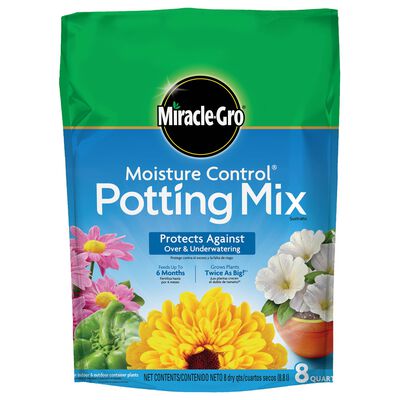
Yes, Miracle-Gro can be beneficial for day lilies when used appropriately. This product is a widely recognized brand of all-purpose fertilizer that promotes healthy growth and blooming in various plants, including day lilies. These perennials thrive in nutrient-rich soil, and Miracle-Gro can help provide the essential nutrients they need to flourish.
Benefits of Using Miracle-Gro on Day Lilies
Using Miracle-Gro can have several advantages for day lilies, including:
- Enhanced Growth: The balanced ratio of nutrients in Miracle-Gro supports robust plant growth.
- Vibrant Blooms: Regular application can result in more abundant and vibrant flowers.
- Easy Application: The fertilizer can be mixed easily with water, making it convenient for gardeners to use.
When to Apply Miracle-Gro to Day Lilies
Timing is crucial when applying Miracle-Gro to day lilies:
- Early Spring: The best time to fertilize is in early spring, just as new growth begins.
- Post-Blooming: A second application can be made after the blooms fade to encourage fall growth.
- Follow Instructions: Always adhere to the product instructions regarding frequency and quantity of application.
How to Apply Miracle-Gro to Day Lilies
The application method can greatly affect the efficacy of the fertilizer:
See also:
- Dilution: Mix the recommended amount of Miracle-Gro with water according to the package instructions.
- Root Zone: Pour the solution directly around the base of the day lilies, avoiding the leaves.
- Watering: Ensure the soil is moist after application to help the nutrients penetrate the roots effectively.
Potential Drawbacks of Miracle-Gro for Day Lilies
While Miracle-Gro is generally beneficial, there are some potential drawbacks:
- Over-Fertilization: Using too much can lead to nutrient burn and damage the plants.
- Short-Term Effects: Miracle-Gro provides nutrients quickly but may not sustain long-term growth.
- Environmental Concerns: Improved growth can lead to water runoff issues, impacting local ecosystems.
Alternatives to Miracle-Gro for Day Lilies
If you prefer alternatives to Miracle-Gro, consider the following options:
- Organic Fertilizers: These options, such as compost or well-rotted manure, enrich the soil without chemicals.
- Slow-Release Fertilizers: Products that release nutrients over time can support long-term growth.
- Soil Amendments: Incorporating materials like peat moss can improve soil structure and fertility.
How to perk up daylilies?
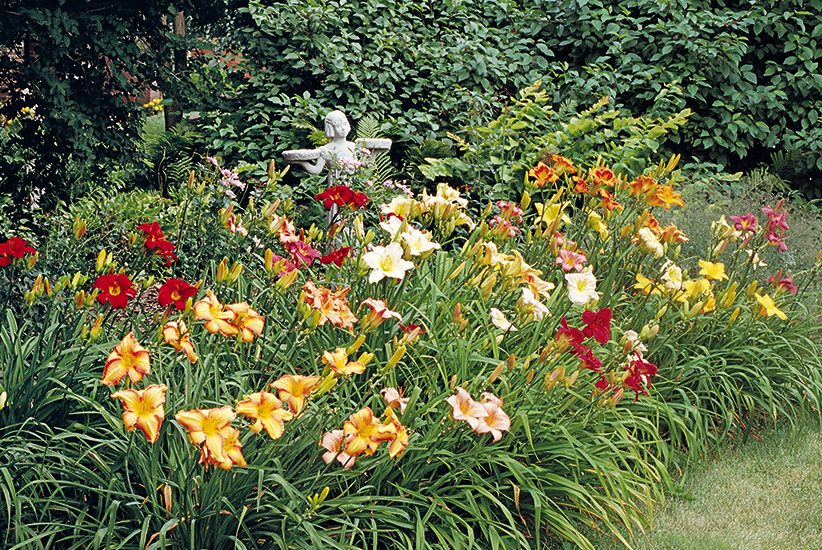
To perk up daylilies, attention to their basic needs is essential to ensure they thrive and produce vibrant blooms. Daylilies (Hemerocallis) are relatively low-maintenance plants, but they do benefit from regular care in terms of watering, fertilizing, and grooming. Here are several effective strategies to enhance the health and appearance of your daylilies.
Watering Techniques
Proper watering is crucial to revitalize daylilies, as they require consistent moisture to flourish. Overwatering can lead to root rot, while underwatering can cause stress and decline.
- Water deeply and less frequently. Aim for about 1 inch of water per week.
- Water early in the morning to minimize evaporation and fungal diseases.
- Check soil moisture regularly to determine individual plant needs.
Fertilization Methods
Applying the right fertilizer can boost the growth and flowering of daylilies. They generally benefit from additional nutrients, particularly in the early spring.
- Use a balanced fertilizer, such as a 10-10-10 or 14-14-14 formula.
- Apply fertilizer in early spring when new growth appears and again after blooming.
- Consider organic options, like compost or well-rotted manure, for a natural nutrient boost.
Trimming and Deadheading
Regular grooming of daylilies aids in maintaining their health and encourages more blooms. Removal of dead or spent foliage can help improve airflow and aesthetics.
- Cut back spent flower stalks to the base after blooming to promote a neater look.
- Remove yellowing or brown leaves to prevent disease spread.
- Prune in early spring before new growth emerges to remove any winter damage.
Pest and Disease Management
Keeping an eye on common pests and diseases will help ensure your daylilies remain healthy and vigorous. Quick action can often resolve issues before they become serious.
- Inspect plants regularly for aphids, spider mites, and thrips.
- Use insecticidal soap or neem oil for mild infestations.
- Practice crop rotation and avoid overhead watering to minimize fungal diseases.
Optimal Location and Soil Conditions
Ensuring that daylilies are planted in the right conditions can significantly improve their vigor. Healthy soil and suitable locations are essential.
- Plant in well-draining soil with a pH range of 6.0 to 6.8.
- Choose a location that receives full sun for at least 6 hours a day.
- Amend soil with organic matter to enhance soil fertility and drainage.
Questions from Our Readers
What type of fertilizer is best for daylilies?
Daylilies thrive with balanced fertilizers that contain equal parts of nitrogen, phosphorus, and potassium (N-P-K). A common recommendation is to use a 10-10-10 fertilizer, which provides essential nutrients to promote healthy growth and blooming.
How often should I fertilize daylilies?
It is advisable to fertilize daylilies twice a year, once in early spring and again after the first bloom. This schedule ensures that they receive the necessary nutrients at critical growth stages, helping them produce optimal flowers and foliage.
Can I use organic fertilizer on daylilies?
Yes, organic fertilizers such as compost, well-rotted manure, or fish emulsion can be excellent choices for daylilies. These organic options not only provide a slow release of nutrients but also improve soil structure and health over time.
Should I fertilize daylilies in the fall?
It is generally not recommended to fertilize daylilies in the fall, as this can promote new growth that may be damaged by winter conditions. Instead, focus on ensuring the plants are properly fertilized in the spring and after blooming to maintain their health and vigor.
See also:
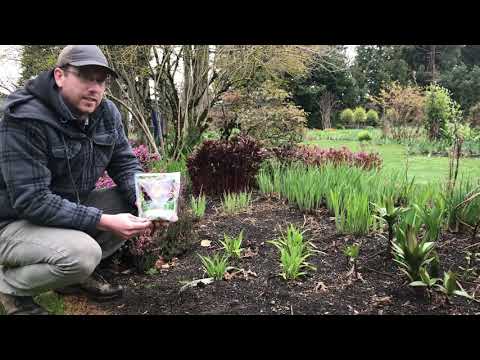
If you want to read more articles like What Fertilizer to Use on Daylilies? A Comprehensive Guide for Thriving Blooms, we recommend you check out our Daylily category.
Leave a Reply
Related Articles