What Does Echinacea Look Like in Winter? A Complete Guide to Its Winter Appearance

Echinacea, commonly known as coneflower, is a beloved perennial that thrives in gardens and natural landscapes. However, its appearance during the winter months may come as a surprise to many. Instead of the vibrant blooms seen in warmer seasons, Echinacea presents a more subdued yet intriguing look in winter. This guide will delve into the winter characteristics of Echinacea, exploring its structure, color changes, and overall hardiness. Understanding how Echinacea endures the cold can enhance your appreciation for this resilient plant and offer insights into garden planning for the seasons ahead.
What Does Echinacea Look Like in Winter?
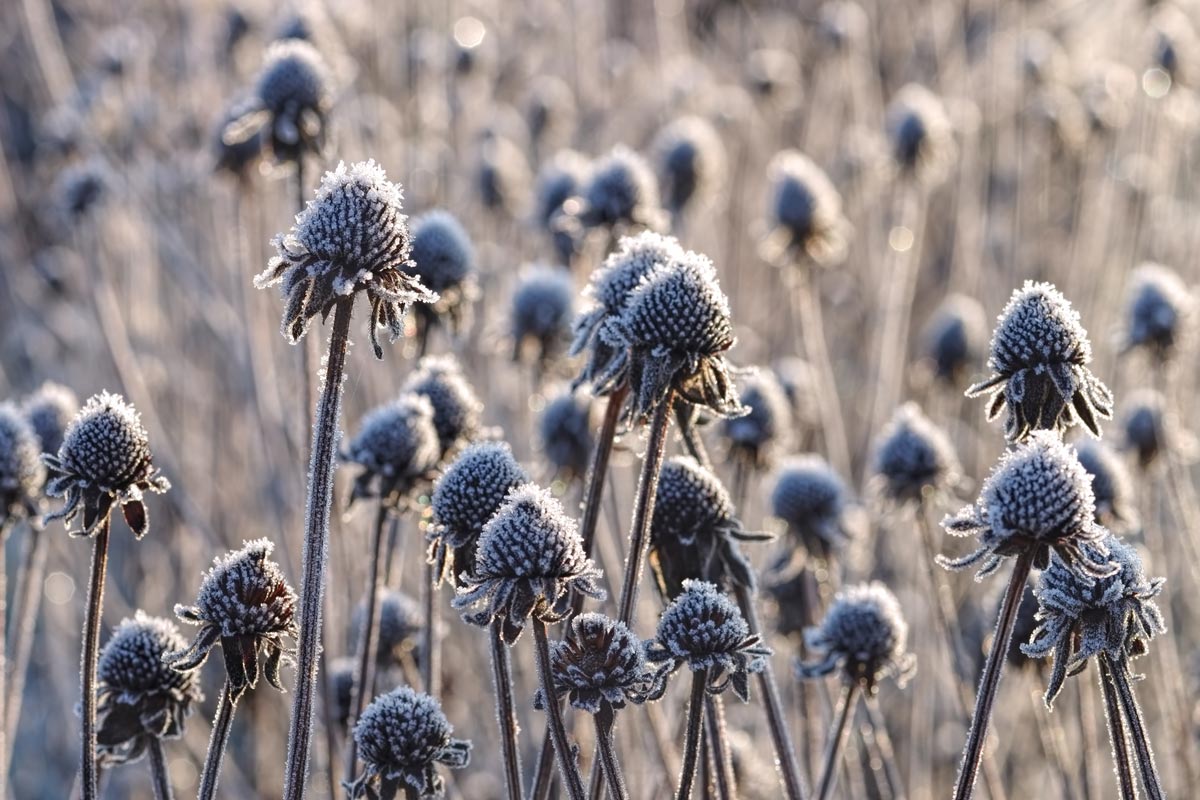
In winter, Echinacea, commonly known as coneflower, undergoes significant changes that make it quite different from its lush summer appearance. The plant's tall, sturdy stems remain, but the vibrant petals have typically fallen off, leaving behind cone-shaped seed heads that are often a light brown or tan color. These seed heads are essential for attracting birds and can provide some winter interest in the garden. The leaves, previously green and full, may turn brown and wilt but tend to remain attached to the stems, adding to the overall silhouette of the plant even in its dormant state.
Physical Characteristics in Winter
During winter, the physical characteristics of Echinacea become more pronounced, revealing the strong structure of the plant. The stems can reach heights of 2 to 4 feet, maintaining their upright stance despite winter winds. The leaves, although less vibrant, are still identifiable by their long, lance-shaped form, even when they fade to brown or dark green. The seed heads can remain intact and often become the focal point of the garden, showcasing a unique texture amidst the cold landscape.
Impact of Winter Weather
The impact of winter weather on Echinacea can be significant. Snow and frost can weigh down the stems, causing them to bend, but they usually spring back as the weather warms. Prolonged cold temperatures can lead to the dieback of leaf tissue, but the root system often remains healthy and ready to send out new growth in spring. Adequate snow cover can actually help insulate the roots against extreme cold.
Wildlife Interaction
Echinacea seeds provide valuable food for birds and other wildlife during the winter months. The nutrient-rich seeds attract a variety of birds, including finches and sparrows, which can be seen foraging on the plant. The remaining seed heads act as natural bird feeders, contributing to the local ecosystem even when the garden appears to be dormant. This interaction with wildlife is a crucial aspect of Echinacea’s role in the winter landscape.
Care and Maintenance in Winter
Winter care for Echinacea involves minimal maintenance but is essential to ensure healthy regrowth in spring. It is advisable to avoid cutting back the stems and seed heads until late winter or early spring, as this provides shelter for overwintering insects and a food source for birds. Additionally, ensuring the planting area is well-drained can help prevent root rot during periods of heavy rain or melting snow.
Visual Appeal in Winter Gardens
Despite its dormancy, Echinacea can contribute to the visual appeal of winter gardens. The natural elegance of the dried seed heads, combined with their structural integrity, provides an interesting contrast against snowy backgrounds or frosty landscapes. Gardeners often appreciate the unique silhouettes created by the bare stems and seed heads, which can add depth and dramatic lines to the winter scenery.
| Aspect | Detail |
|---|---|
| Height | 2 to 4 feet |
| Seed Heads | Brown, cone-shaped |
| Leaf Characteristics | Lance-shaped, brown or dark green |
| Wildlife Benefits | Food source for birds |
| Winter Care | Avoid cutting back until spring |
What happens to Echinacea in winter?
Echinacea, commonly known for its medicinal properties, undergoes several changes during the winter months that impact its growth cycle and overall health. As a perennial plant, Echinacea has evolved to survive the cold temperatures and harsh conditions of winter.
Winter Dormancy of Echinacea
During winter, Echinacea enters a period of dormancy, where growth significantly slows down or completely halts. This process is essential for the plant’s survival, as it conserves energy and resources until favorable conditions return in spring. The roots and underground parts of Echinacea continue to withstand low temperatures, allowing the plant to emerge once the warmth of spring arrives.
See also:
- Growth significantly slows down.
- Energy is conserved for the upcoming growing season.
- Roots remain active underground to support future growth.
Effects of Frost on Echinacea
Frost can have both positive and negative effects on Echinacea plants. While the above-ground portion is typically killed by frost, the roots remain insulated in the soil, provided that the temperature does not drop excessively. The cold can enhance the development of the root system, as it encourages deeper growth while minimizing diseases prevalent in warmer temperatures.
- Frost can kill above-ground foliage.
- Root systems remain alive and develop further underground.
- Influences plant health positively if not too severe.
Winter Care for Echinacea
Proper winter care is crucial for the health of Echinacea. Gardeners should ensure that the plants are well-watered before the onset of winter, as moisture helps the roots survive freezing conditions. Additionally, applying a layer of mulch can protect the soil and roots from temperature fluctuations and retain moisture.
- Water plants adequately before winter.
- Apply mulch to insulate roots.
- Avoid over-exposure to extreme temperatures.
Signs of Echinacea Health in Winter
Even in winter, certain indicators can suggest the health of Echinacea plants. Healthy plants will show minimal wilting of stored leaves, and the roots remain firm when disturbed. Observing the surrounding soil can also indicate moisture levels, which is crucial for the plant's survival during this dormant period.
- Minimal wilting of leaves indicates health.
- Firm roots indicate good condition.
- Soil moisture levels should be checked regularly.
Spring Regrowth After Winter
As winter gives way to spring, Echinacea will show signs of regrowth, often sprouting new shoots from the crown of the plant. This revival is a crucial stage in the plant’s life cycle, allowing it to reestablish itself and prepare for blooming when temperatures rise. The resilience of Echinacea enables it to adapt and thrive even after a harsh winter.
- New shoots emerge as temperatures rise.
- Plants prepare for blooming in spring.
- Strength from winter dormancy supports revitalization.
What does an Echinacea plant look like in winter?
The Echinacea plant, commonly known as coneflower, undergoes significant changes during the winter months. In winter, the plant appears quite different compared to its vibrant summer form. The leaves tend to die back, and the colorful blooms that characterize this perennial vanish. Instead, the dried seed heads and stems become prominent features in the winter landscape.
Physical Appearance in Winter
In winter, the Echinacea plant presents a stark and barren look. The vibrant flowers fade, leaving behind just the skeletal remains of the plant. The key features include:
- The stems turn brown and dry out, often collapsing under their own weight.
- Dried seed heads remain attached to the stems, which can be visually striking against a snowy backdrop.
- The foliage withers and turns brown, often completely disappearing as it decomposes in the cold.
Seed Heads and Wildlife Interaction
Even in winter, the dried seed heads of the Echinacea can attract various forms of wildlife. These seed heads are an important food source for several birds and insects. During this time, you may notice:
- Birds such as finches and sparrows feasting on the remaining seeds.
- Insects, including seeds-eating bugs, may also be found around the plant.
- The plant serves as a shelter for small creatures, providing a haven against the harsh winter weather.
Protective Measures for Echinacea
As winter approaches, some gardeners implement protection measures for their Echinacea plants to ensure their survival into the next season. Key protective measures include:
- Mulching around the roots to insulate from freezing temperatures.
- Pruning the dead foliage can help prevent disease and pest infestations while also allowing new growth in spring.
- Watering prior to the ground freezing helps ensure the plant remains hydrated, reducing stress during winter.
Effects of Snow and Frost
Snow and frost can have a significant impact on the Echinacea plant during winter. While snow can offer some insulation, frost may cause damage to exposed parts of the plant. The effects include:
See also:
- Heavy snow can weigh down the stems, causing them to bend or break.
- Frost can cause the remaining foliage to become limp and may lead to further deterioration.
- A light dusting of snow, however, can protect the plants from extreme temperatures.
Winter Maintenance for Echinacea
Winter maintenance for Echinacea plants is crucial to ensure a healthy bloom in the following summer. Maintenance practices include:
- Monitoring for any signs of disease during the dormant period.
- Removing any dead material, which helps prevent pests and diseases from overwintering.
- Planning for spring care, such as dividing or transplanting when the conditions are right.
Should I cut back Echinacea for winter?
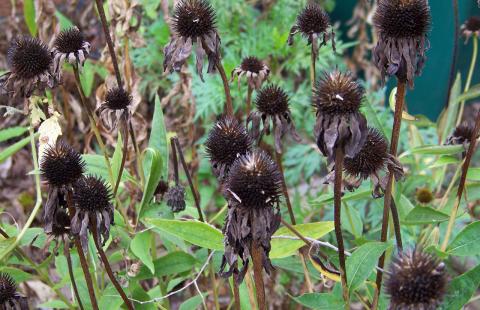
Echinacea, commonly known as coneflower, is a perennial plant that is often grown for its beautiful flowers and potential health benefits. When winter approaches, many gardeners wonder whether they should cut back or leave the plant as it is. The general recommendation is not to cut back Echinacea in the fall or winter, as the dried foliage can provide several benefits during the colder months.
Benefits of Leaving Echinacea Uncut During Winter
Leaving Echinacea uncut during winter has several advantages:
- Wildlife Habitat: The hollow stems and seed heads of Echinacea can provide a habitat for overwintering insects and birds that rely on seeds as food.
- Winter Aesthetic: The dried flowers can add interest and texture to the winter landscape, creating a visually appealing garden even in the cold months.
- Plant Health: The foliage can protect the crown and roots from severe cold and frost, minimizing the risk of winter damage.
When to Cut Back Echinacea
If you decide to cut back your Echinacea, the timing is crucial:
- Late Winter or Early Spring: The best time to cut back Echinacea is in late winter or early spring, just before new growth begins.
- After the Last Frost: Wait until after the last expected frost before pruning to minimize the risk of damaging emerging shoots.
- Look for Signs of New Growth: Cutting back should be done when you can see new growth emerging from the base of the plant.
How to Cut Back Echinacea Properly
If you choose to cut back your Echinacea, it's essential to do it correctly:
- Tools: Use clean and sharp pruning shears to make precise cuts, which can help prevent damage to the plant.
- Height: Cut the stems back to about 3-4 inches above the ground, allowing for new growth while still supporting the plant’s structure.
- Cleansing Debris: Remove any dead leaves or debris to reduce the risk of pests and diseases affecting the plant in spring.
Pest and Disease Management in Winter
Overwintering Echinacea can expose it to various pests and diseases:
- Monitor for Pests: Keep an eye out for pests like aphids and spider mites that may take refuge in the dormant plants.
- Sterilize Tools: Always sterilize your gardening tools before pruning to inhibit the spread of diseases.
- Mulching: Applying a layer of mulch can help protect the roots and keep moisture levels stable.
Preparing Echinacea for Spring Growth
Preparing Echinacea for the spring is crucial for healthy growth:
- Soil Quality: Test and amend soil as needed; Echinacea thrives in well-draining soil rich in organic matter.
- Fertilization: Apply a balanced fertilizer in early spring to encourage robust growth and blooming.
- Watering Practices: Ensure the plant gets adequate water as temperatures rise, especially in the early stages of growth.
Questions from Our Readers
What does Echinacea look like in winter?
During winter, Echinacea plants typically become dormant, losing their vibrant leaves and flowers. The once lush green foliage fades to shades of brown and tan, leaving behind dried flower heads that can add visual interest to a winter garden. These dried flowers can also provide food for birds and create a habitat for beneficial insects.
Should I cut back Echinacea in winter?
It is generally recommended to leave Echinacea standing through the winter months, as cutting them back can remove the protection they offer for the roots and beneficial insects. Instead, waiting until early spring to trim them can help support wildlife and allows the plant to develop naturally.
See also:
Will Echinacea survive the winter?
Yes, Echinacea is a hardy perennial and can survive winter conditions, especially in temperate zones. With proper care and a suitable environment, these plants can endure cold temperatures and re-emerge in spring, displaying their characteristic blooms once again.
How can I protect my Echinacea during winter?
To protect your Echinacea during winter, consider applying a layer of mulch around the base of the plants. This helps to insulate the soil and maintain moisture levels. Additionally, creating a windbreak or using plant covers can shield them from harsh winds and frost, ensuring they remain healthy for the next growing season.

If you want to read more articles like What Does Echinacea Look Like in Winter? A Complete Guide to Its Winter Appearance, we recommend you check out our Echinacea category.
Leave a Reply
Related Articles