Is Lemon Juice a Fungicide? Exploring Its Effectiveness and Uses

Lemon juice, with its bright flavor and acidity, is often celebrated for its culinary uses and health benefits. However, its potential as a natural fungicide is gaining attention among environmentally conscious individuals and gardeners. This article delves into the effectiveness of lemon juice in combating fungal infections, exploring its chemical properties and how it can be applied in various contexts. We will examine scientific studies, anecdotal evidence, and practical uses to determine whether lemon juice is a viable alternative to commercial fungicides. Join us as we uncover the truth behind this tangy solution and its role in managing fungal growth.
Is Lemon Juice an Effective Fungicide?
Lemon juice, derived from the citrus fruit, contains powerful compounds such as citric acid and ascorbic acid, which have demonstrated antimicrobial properties. These characteristics suggest that lemon juice can inhibit the growth of certain fungi and mold, making it a potential natural alternative to synthetic fungicides. While it may not be as potent as commercial fungicides, its acidity can help create an environment that is less conducive to fungal growth, particularly in home gardening and pest control applications. However, scientific studies directly linking lemon juice to fungicidal efficacy are limited, and its effectiveness may vary depending on the type of fungus and environmental conditions.
How Does Lemon Juice Work as a Fungicide?
Lemon juice's antifungal properties largely stem from its high concentration of citric acid, which lowers the pH of the surrounding environment. Many fungal pathogens thrive in neutral to slightly alkaline conditions, thus making the acidic nature of lemon juice a deterrent for their growth. Moreover, the presence of vitamin C in lemon juice offers additional protective benefits against certain fungi by boosting the plant's natural defense mechanisms. When applied to plants or surfaces, lemon juice can create a hostile environment for these organisms, potentially reducing their proliferation.
Types of Fungi That Lemon Juice Can Combat
Research indicates that lemon juice may be effective against a variety of fungal pathogens, including some molds and yeasts commonly found in domestic environments. For example, Aspergillus, a common mold that can contaminate food, may be inhibited by the application of lemon juice. Additionally, its acidic properties can help manage powdery mildew, a fungus that affects various plants, particularly in gardens. While lemon juice is not a cure-all, it represents a natural option for controlling certain fungal infections.
Application Methods for Using Lemon Juice
To utilize lemon juice as a fungicide, it can be applied in several ways. One common method involves diluting fresh lemon juice with water and spraying it directly onto affected plants or surfaces. This not only delivers the acids found in lemon juice to the target area but also helps to prevent damage to the plants. Alternatively, lemon juice can be mixed with baking soda or other natural ingredients to enhance its antifungal effects. Regular applications may be necessary to maintain its efficacy, especially after rain or watering.
Limitations of Lemon Juice as a Fungicide
Despite its potential benefits, there are certain limitations to using lemon juice as a fungicide. Its effectiveness can vary significantly depending on the type of fungus present and the concentration of lemon juice used. Furthermore, lemon juice may not provide lasting protection, as it can be washed away by rain or irrigation, necessitating frequent reapplication. Additionally, it may not be suitable for all plants, as some may be sensitive to acidic substances, leading to potential leaf burn or damage if used improperly.
Comparative Efficacy with Chemical Fungicides
In comparison to commercial chemical fungicides, lemon juice is typically less potent, especially against aggressive fungal infections. While synthetic fungicides are often formulated to target a broad spectrum of fungi and can provide fast-acting results, lemon juice may work slower and is generally more effective for minor fungal issues. However, lemon juice is favored by those seeking organic or natural solutions, as it poses fewer risks to beneficial insects and the environment. Users should weigh these factors when choosing their approach to fungal control.
| Compound | Effectiveness |
|---|---|
| Citric Acid | Deters fungal growth |
| Ascorbic Acid | Boosts plant defenses |
| Acrylic Juice | Inhibits certain molds |
| pH Level | Creates hostile environment |
| Application Frequency | Needs regular reapplication |
What is the most powerful natural antifungal?
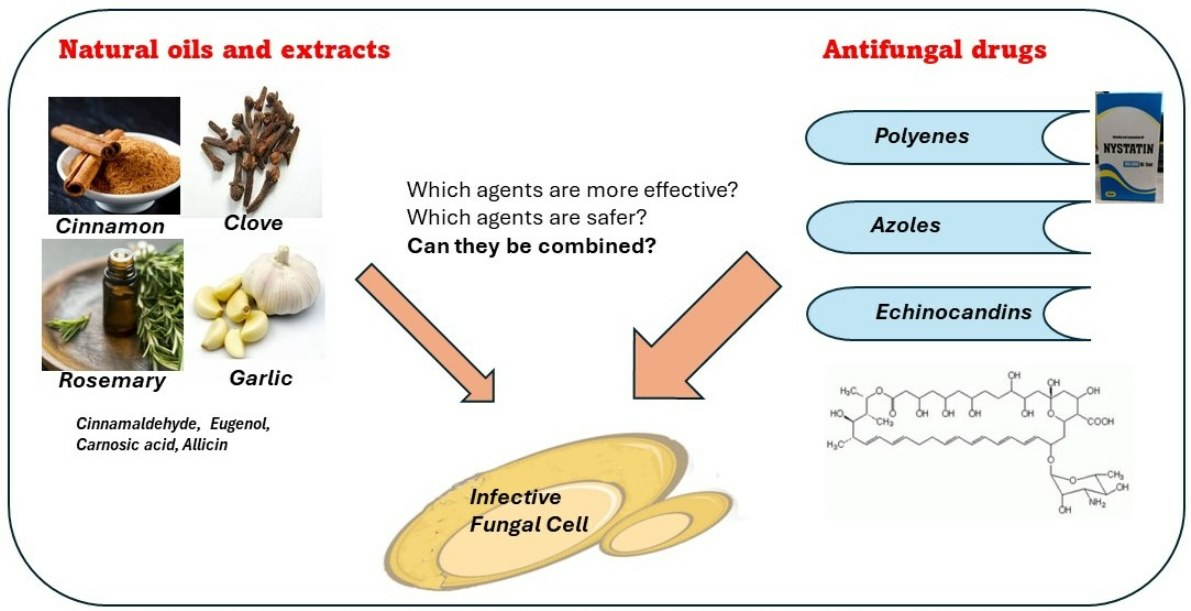
The most powerful natural antifungal is often considered to be garlic (Allium sativum). Garlic has been used for centuries in various cultures not only for its culinary uses but also for its medicinal properties. One of its key components, allicin, is responsible for many of its antifungal effects. Research has shown that garlic can be effective against a variety of fungal infections, including Candida spp. and dermatophytes. Its broad-spectrum antifungal properties, combined with its safety and availability, make garlic a popular choice for those seeking natural remedies.
Garlic: The Antifungal Champion
Garlic has established itself as a prominent natural antifungal due to its ability to combat different types of fungal pathogens effectively. Its active compounds disrupt the cell membrane of fungi, leading to their death. Additionally, garlic can enhance the immune response, further helping the body fight off infections.
See also:
- Mechanism of Action: Allicin inhibits the growth of fungi by interfering with their cellular processes.
- Broad-Spectrum Activity: Effective against both yeast and mold infections.
- Synergy with Other Treatments: Can be used alongside conventional antifungals to enhance efficacy.
The Role of Other Natural Antifungals
While garlic is powerful, several other natural substances also exhibit antifungal properties. These can complement garlic or serve as alternatives depending on the specific fungal infection being treated. These include tea tree oil, coconut oil, and olive leaf extract.
- Tea Tree Oil: Contains terpinen-4-ol, effective against a variety of fungi.
- Coconut Oil: Contains lauric acid and monolaurin that may disrupt fungal membranes.
- Olive Leaf Extract: Rich in oleuropein, which has demonstrated antifungal properties.
How to Use Garlic for Antifungal Purposes
The incorporation of garlic into one's diet or as a topical remedy can be effective for antifungal treatment. Consuming raw garlic is believed to deliver the highest concentration of antifungal compounds, but there are several ways to utilize it effectively.
- Raw Garlic: Chewing or mincing raw garlic can maximize the release of allicin.
- Garlic Oil: Infusing oil with garlic can create a topical antifungal treatment.
- Garlic Supplements: Available in capsules for those who prefer concentrated doses.
Potential Side Effects and Considerations
While garlic is generally safe for most individuals, it can cause side effects and interactions in certain situations. Understanding these potential issues is crucial when considering garlic as a natural antifungal remedy.
- Digestive Issues: Some people may experience gastrointestinal discomfort, such as bloating or gas.
- Allergic Reactions: Rarely, individuals may have an allergic response to garlic.
- Medication Interactions: Garlic can interact with anticoagulants and certain medications.
Proven Efficacy Against Common Fungal Infections
Garlic's antifungal properties have been studied in various contexts, showing efficacy against several common fungal infections. Clinical studies have demonstrated its potential to combat infections that affect the skin, nails, and mucous membranes.
- Skin Fungal Infections: Garlic has been shown to inhibit the growth of dermatophytes responsible for athlete's foot and ringworm.
- Nail Fungal Infections: Topical applications of garlic oil may help in treating onychomycosis (nail fungus).
- Candida Infections: In vitro studies highlight garlic's effectiveness against various Candida species.
Is lemon a good antifungal?

Lemon is often cited for its potential antifungal properties, primarily due to its natural components. The acidity of lemon juice, along with its rich content of citric acid and ascorbic acid (vitamin C), contributes to its effectiveness against certain fungal infections. Lemon has shown some promise in laboratory studies against various fungal pathogens, but its effectiveness can vary based on several factors, including the type of fungus and the method of application.
Potential Mechanisms of Antifungal Action
Lemon may exert its antifungal effects through various mechanisms. The key actions include:
- Acidic Environment: The acidic nature of lemon juice can inhibit the growth of some fungi by creating an unfavorable environment.
- Antioxidant Properties: Lemon contains antioxidants that may help in boosting the immune response, making the body more capable of fighting off infections.
- Interference with Fungal Cell Membranes: Some studies suggest that compounds in lemon can disrupt fungal cell membranes, preventing their growth and reproduction.
Common Fungal Infections Targeted by Lemon
Lemon has been explored for its potential against various fungal infections. Key infections include:
- Athlete's Foot: A common fungal infection that can potentially be alleviated by lemon juice due to its antifungal properties.
- Ringworm: This skin condition may respond to treatments involving lemon, though it is typically managed with more specific antifungal medications.
- Yeast Infections: Lemon may help in creating an environment that is less conducive to yeast growth.
Usage of Lemon for Antifungal Benefits
Utilizing lemon for its antifungal properties can occur in several ways. Common methods include:
- Direct Application: Applying lemon juice directly to the affected area may help in combating superficial fungal infections.
- Foot Baths: Soaking feet in water mixed with lemon juice may be beneficial for conditions like athlete's foot.
- Incorporating into Diet: Consuming lemon may support overall health and immunity, potentially aiding the body’s ability to fight fungal infections.
Limitations and Considerations
While lemon has potential antifungal properties, there are important considerations to keep in mind:
See also:
- Varied Effectiveness: Not all fungi are susceptible to lemon, and its effectiveness may differ by type.
- Skin Irritation: Lemon juice can cause skin irritation or allergic reactions in some individuals; patch testing is advisable.
- Complementary Use: Lemon should not replace conventional antifungal treatments but may be used as a complementary approach.
Research and Evidence on Lemon's Antifungal Properties
Research on lemon’s antifungal characteristics is ongoing, and findings include:
- Laboratory Studies: Some studies demonstrate that lemon extract has antimicrobial activity against specific fungal strains.
- Traditional Remedies: Many cultures have used lemon as a natural remedy for various ailments, including fungal infections.
- Need for Further Research: More clinical studies are needed to establish lemon's efficacy as a reliable antifungal treatment.
Is lemon water antifungal?

Lemon water, a simple mixture of fresh lemon juice and water, is often touted for its health benefits, including its potential antifungal properties. The primary component of lemon, citric acid, has some established properties that may hinder the growth of certain fungi. While more extensive research is needed to definitively classify lemon water as an antifungal treatment, some studies suggest that lemon’s natural components can be effective against various fungal strains.
The Role of Citric Acid in Lemon
Citric acid is the key ingredient in lemons responsible for various health benefits. It has proven antimicrobial properties that can inhibit the growth of bacteria and fungi. Here's how citric acid contributes to antifungal activity:
- pH level regulation: Citric acid lowers the pH level, creating an environment less conducive for fungi.
- Direct antifungal effects: Laboratory studies have shown that citric acid can be effective against some fungal pathogens.
- Preservation: The acidity helps preserve food by preventing mold growth, further supporting its antifungal reputation.
Lemon Water and Immune Support
Regular consumption of lemon water can support the immune system, which is crucial for fighting off infections, including fungal ones. A strong immune system enhances the body’s ability to combat various pathogens:
- Rich in vitamin C: Lemons are high in vitamin C, a vital nutrient that boosts the immune response.
- Antioxidant properties: The antioxidants found in lemon help reduce inflammation and may inhibit fungal infections.
- Hydration: Staying hydrated with lemon water supports overall health and helps the body eliminate toxins.
Studies on Lemon and Fungal Infections
Some studies have explored the effects of lemon on fungal infections, revealing promising findings regarding its antifungal potential:
- Effectiveness against specific fungi: Research indicates that lemon extracts can inhibit the growth of certain fungi, including Candida species.
- Limitations of research: Most studies are preliminary and not comprehensive, requiring further research to validate these findings.
- Combination therapy: Lemon water may be more effective when combined with other antifungal treatments, enhancing overall efficacy.
User Testimonials and Anecdotal Evidence
Many people report positive experiences with lemon water in terms of improving health and reducing fungal infections, though these claims are largely anecdotal:
- Personal success stories: Users often share that they experienced reduced symptoms of fungal infections upon incorporating lemon water into their diet.
- Natural remedy appeal: The growing trend towards natural remedies has popularized lemon water as a go-to solution among health enthusiasts.
- Need for caution: Anecdotal evidence is not a substitute for scientific validation, and outcomes may vary from person to person.
How to Use Lemon Water as a Potential Antifungal
If you're considering lemon water for its possible antifungal benefits, proper preparation and usage can enhance its effectiveness:
- Preparation: Squeeze the juice of half a lemon into a glass of warm or cold water.
- Frequency: Consuming lemon water daily may provide ongoing health benefits.
- Combine with other ingredients: Adding honey or ginger can boost its antifungal properties and enhance flavor.
Questions from Our Readers
Is lemon juice effective as a fungicide?
Yes, lemon juice has shown some effectiveness as a natural fungicide due to its high citric acid content, which can help inhibit the growth of certain fungi. However, its effectiveness may vary depending on the type of fungus and the concentration of the juice used.
How should lemon juice be applied to plants?
To use lemon juice as a fungicide on plants, it is often mixed with water in a spray bottle and applied directly to the affected areas. It is important to test the mixture on a small part of the plant first to ensure it doesn't harm the plant.
See also:
Are there any limitations to using lemon juice as a fungicide?
While lemon juice can be helpful, it is not a comprehensive solution for all fungal issues. Its effectiveness is limited to certain types of fungi and may not be as potent as commercial fungicides designed for specific infections.
Can lemon juice harm beneficial microorganisms?
Yes, using lemon juice can potentially harm beneficial microorganisms in the soil or on plants, as its acidity can alter the pH levels. Care should be taken when applying it to avoid disrupting the ecosystem of beneficial microbes.

If you want to read more articles like Is Lemon Juice a Fungicide? Exploring Its Effectiveness and Uses, we recommend you check out our Plants category.
Leave a Reply
Related Articles