Are There Any Natural Fungicides? Discover Eco-Friendly Solutions for Plant Health

Fungal infections can pose a significant threat to plant health, often leading to reduced yields and compromised ecosystems. As concerns about chemical pesticides grow, many gardeners and farmers are turning to natural fungicides as eco-friendly alternatives. These solutions not only protect crops but also promote a healthier environment by minimizing chemical runoff and preserving beneficial organisms. In this article, we will explore various natural fungicides derived from plant extracts, essential oils, and other organic materials. Discover the effectiveness and benefits of these sustainable approaches to safeguarding your plants, ensuring they thrive without detrimental effects on the ecosystem.
Are There Any Natural Fungicides?
Yes, there are several natural fungicides that can be used effectively to combat fungal infections in plants. These products are derived from natural sources and are often less toxic than their synthetic counterparts, making them a popular choice among organic gardeners and those looking to reduce chemical use in their gardens. Common examples include neem oil, which contains azadirachtin, known for its antifungal properties, and baking soda (sodium bicarbonate), which can inhibit fungal growth when applied as a solution. Additionally, other natural agents such as copper hydroxide, sulfur, and essential oils from plants like tea tree and oregano demonstrate varying degrees of antifungal activity. These natural treatments, especially when used in conjunction with good cultural practices, can help manage fungal diseases effectively.
Common Natural Fungicides
Common natural fungicides include neem oil, which disrupts fungal growth due to its active compounds, and baking soda, which can be mixed with water and sprayed on plants to create an inhospitable environment for fungi. Other options include sulfur, a traditional remedy that has been used for centuries, and garlic juice, which possesses antifungal properties. These natural fungicides are increasingly popular in organic agriculture for their effectiveness and lower environmental impact.
How to Use Neem Oil
Neem oil can be used as a natural fungicide by diluting it with water and a little soap to help it adhere to the plant foliage. Typically, a mixture of 1-2 tablespoons of neem oil per gallon of water is recommended. This solution can be sprayed on plants infested with fungi, targeting the undersides of leaves and other affected areas. It's effective for various fungal diseases, including powdery mildew and black spot, and is safe for most plants when used according to instructions.
Effectiveness of Baking Soda
Baking soda acts as a natural fungicide by altering the pH level on the plant's surface, making it less conducive for fungal spores to germinate. A common recipe involves mixing one tablespoon of baking soda with one gallon of water and a few drops of liquid soap to enhance adherence. This solution is typically applied as a foliar spray every 7-14 days when fungal threats are prevalent, providing a preventative measure against diseases like powdery mildew and rust.
Benefits of Sulfur as a Fungicide
Sulfur is an age-old natural fungicide that works by inhibiting the growth of various fungal pathogens. It is particularly effective against diseases such as powdery mildew, rust, and downy mildew. Sulfur can be applied in powder form or as a liquid spray, but it is most effective when temperatures are moderate, as high heat can cause it to vaporize. It is a versatile option, well-suited for many types of crops, including vegetables and fruits.
Essential Oils with Antifungal Properties
Several essential oils, such as tea tree oil and oregano oil, have demonstrated natural antifungal properties. These oils contain compounds that can disrupt the cell membranes of fungi, effectively reducing their viability. To use essential oils as fungicides, they should be diluted with a carrier oil or water and sprayed on affected plants. Such treatments not only help manage diseases but also add a pleasant aroma to the garden environment.
| Fungicide | Active Ingredient | Application Method | Target Fungi |
|---|---|---|---|
| Neem Oil | Azadirachtin | Foliar spray diluted with water | Powdery mildew, black spot |
| Baking Soda | Sodium bicarbonate | Foliar spray with water | Powdery mildew, rust |
| Sulfur | Sulfur compounds | Powder or liquid spray | Rust, downy mildew |
| Tea Tree Oil | Melaleuca alternifolia | Spray diluted with carrier oil | Various fungal infections |
| Oregano Oil | Carvacrol | Spray diluted with carrier oil | Various fungal infections |
What is the most effective natural fungicide?
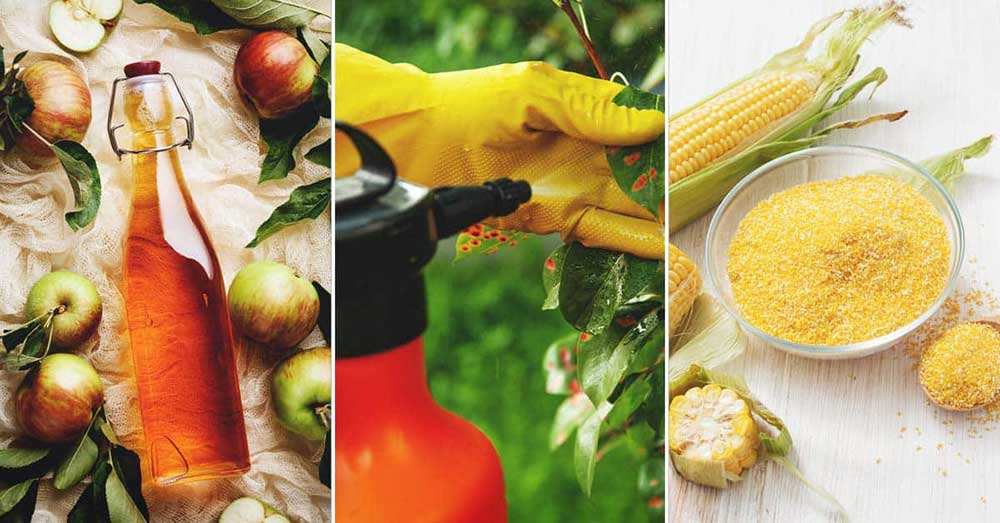
The most effective natural fungicide can vary depending on the specific type of fungus and the plants affected. However, baking soda, also known as sodium bicarbonate, is widely recognized for its effectiveness against various fungal diseases, such as powdery mildew, while being safe for plants and the environment. When combined with a few other ingredients, it enhances its fungicidal properties, making it a popular choice among organic gardeners.
Benefits of Using Natural Fungicides
Natural fungicides like baking soda provide several advantages over synthetic options. Some of these benefits include:
- Environmentally Friendly: Natural fungicides break down more easily in the environment, reducing the risk of soil and water contamination.
- Safety for Humans and Wildlife: These products are typically less toxic, making them a safer choice for gardens that may be frequented by children and pets.
- Promotes Healthy Soil: Many natural fungicides support soil health by not harming beneficial microorganisms.
How to Prepare Baking Soda Fungicide
Creating a baking soda fungicide is straightforward and economical. The following steps outline how to prepare it:
- Combine Ingredients: Mix 1 tablespoon of baking soda with 1 gallon of water. You may add a few drops of liquid soap to help the solution adhere to plant surfaces.
- Spray on Affected Areas: Use a spray bottle to apply the solution directly on the affected plants, focusing on the leaves.
- Repeat as Necessary: Reapply the fungicide every 7 to 14 days, especially after rainfall.
Other Natural Fungicide Alternatives
In addition to baking soda, there are various other natural fungicides that gardeners can use to combat fungal issues:
- Cinnamon: This common spice contains antifungal properties and can be sprinkled on soil or mixed into a solution.
- Neem Oil: Extracted from the seeds of the neem tree, this oil is effective against a wide range of fungal infections.
- Garlic: When crushed and mixed with water, garlic can create a potent fungicide due to its natural antifungal capabilities.
Effectiveness of Natural Fungicides
The effectiveness of natural fungicides can vary based on several factors, including:
See also:
- Type of Fungus: Different fungi may respond differently to various natural treatments, so it is essential to identify the specific fungus affecting your plants.
- Concentration of Active Ingredients: Altering the amounts of baking soda or other components can impact the fungicide’s potency and effectiveness.
- Application Method: Techniques such as spraying from various angles and ensuring complete coverage can enhance the success of the fungicidal treatment.
Precautions When Using Natural Fungicides
While natural fungicides are generally safer, there are still precautions that should be taken:
- Test on a Small Area: Before applying widely, test the solution on a small area of the plant to check for adverse reactions.
- Avoid Overuse: Too much baking soda can lead to leaf burn, so proper dilution and application frequency are important.
- Monitor Plant Health: Keep an eye on the plants for any signs of stress or adverse effects after application.
Is apple cider vinegar a good fungicide?
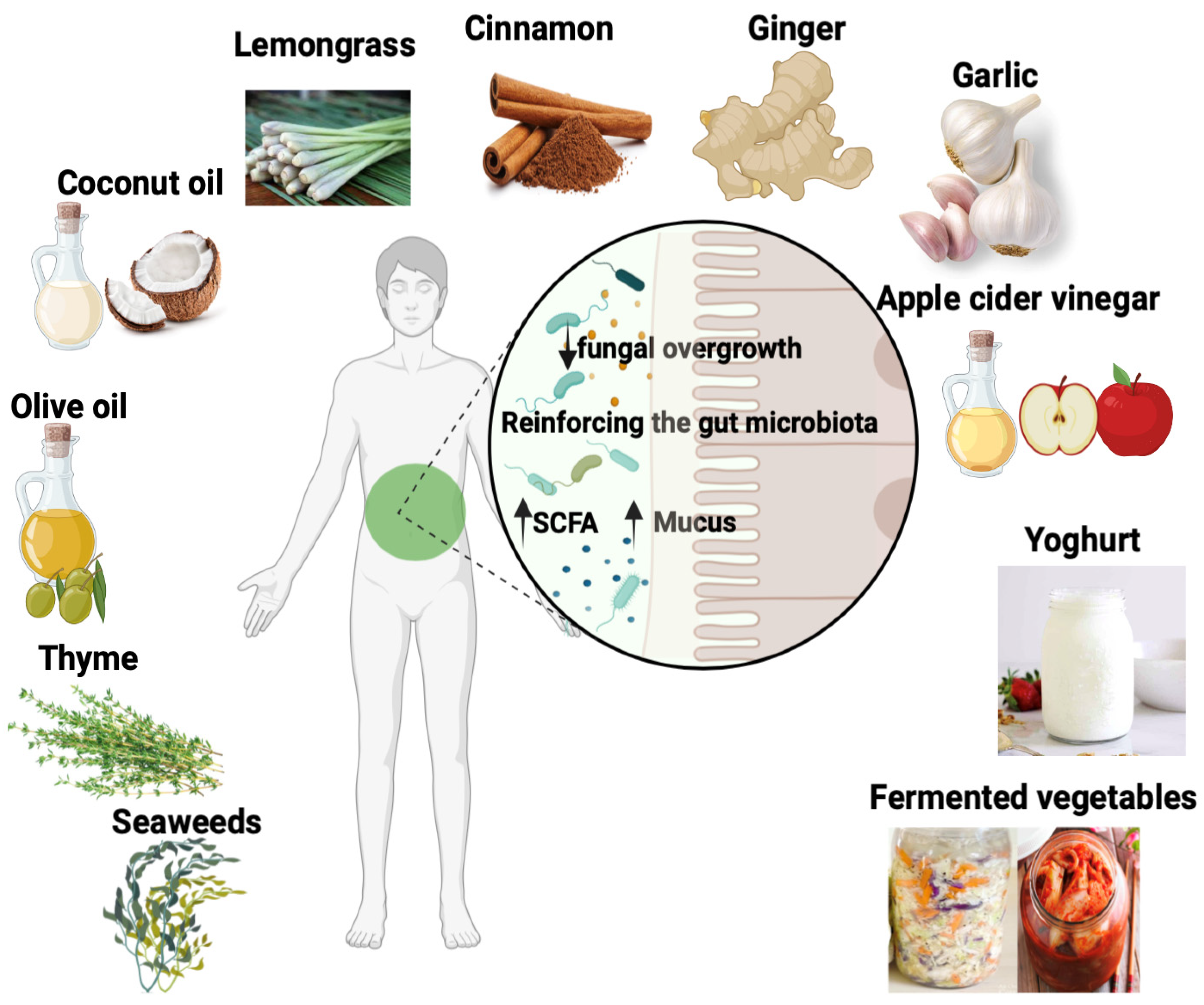
Apple cider vinegar (ACV) is often touted for its various health and household uses, including its potential as a fungicide. The acidity and antimicrobial properties of apple cider vinegar contribute to its effectiveness against some types of fungi. Here’s a detailed look into whether apple cider vinegar can be considered a good fungicide.
Understanding the Antifungal Properties of ACV
Apple cider vinegar contains acetic acid, which is known for its antimicrobial properties. When applied to fungi, the acetic acid can disrupt their cell walls, leading to their deterioration. Studies have shown that acetic acid can effectively kill certain types of pathogenic fungi due to its acidity. The following points outline the underlying reasons for its antifungal potential:
- Acidic environment: The low pH created by acetic acid is hostile to many fungi.
- Natural composition: ACV is a natural product, making it an appealing choice for those seeking organic fungicides.
- Ease of access: Apple cider vinegar is widely available and affordable for household use.
Effectiveness Against Specific Fungal Infections
While apple cider vinegar may be effective against certain types of fungi, it is essential to understand that its effectiveness can vary by strain. Studies indicate that ACV can combat candida and other common fungi. However, it might not be effective against all fungal infections. The following aspects highlight its varying effectiveness:
- Targeted fungi: It has shown efficacy against some strains, but not all fungi are susceptible.
- Application method: The effectiveness can depend on how ACV is applied (dilution, soaking, etc.).
- Concentration: Higher concentrations of acetic acid can result in better antifungal properties.
How to Apply ACV as a Fungicide
To use apple cider vinegar as a fungicide, proper application is essential. This ensures that the fungi are effectively targeted. Here are some popular methods for application:
- Diluted spray: Mix equal parts of ACV and water in a spray bottle and apply directly to affected areas.
- Soaking: For small plants or items, soak them in a solution of ACV and water for several hours.
- Soil drench: Mix ACV with water and pour it around the base of plants to combat soil-borne fungi.
Comparing ACV to Commercial Fungicides
While apple cider vinegar offers a natural alternative, it’s important to compare its efficacy to that of commercial fungicides. Professional fungicides often contain stronger chemicals that can eliminate a wider range of fungi. Key comparison points include:
- Spectrum of fungi: Commercial fungicides typically target a broader range of fungi.
- Speed of action: Store-bought fungicides often provide faster results than ACV.
- Residual effects: Many commercial options offer lasting protection that might not be present with ACV.
Precautions When Using ACV as a Fungicide
Using apple cider vinegar as a fungicide requires caution to prevent damage to plants or surfaces. Certain precautions can enhance its safety and effectiveness:
- Test first: Always conduct a patch test to ensure that your plants can tolerate the ACV solution.
- Use diluted solutions: Too concentrated a solution can harm delicate plants.
- Limit exposure: Avoid over-applying, as this may affect the health of surrounding non-target plants.
How to treat fungus in soil naturally?
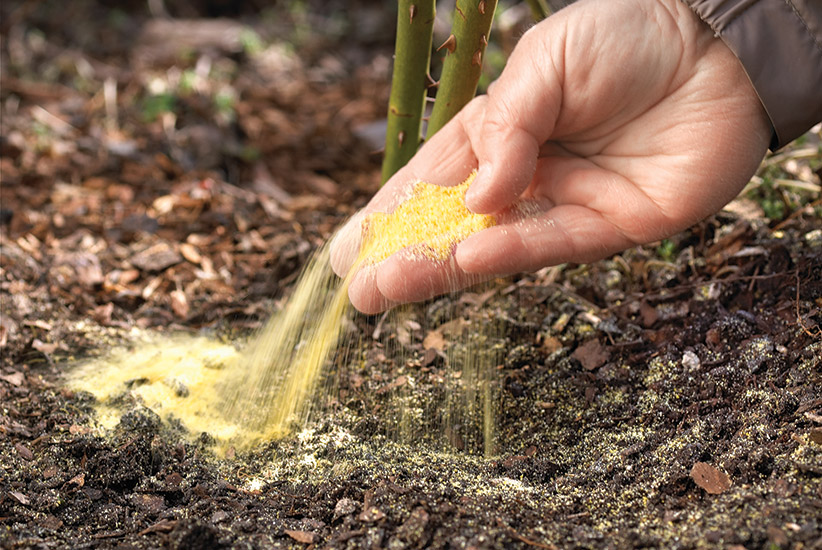
Fungus in soil can be a common issue for gardeners and can lead to various plant diseases. Fortunately, there are several natural methods to manage and treat fungus effectively. Here are some strategies to help you tackle fungal issues in your soil:
Identify the Type of Fungus
Identifying the specific type of fungus present in the soil is crucial for determining the right treatment approach. Different fungi can cause various symptoms in plants. To identify the type of fungus, consider the following steps:
- Examine the soil for visible signs of fungal growth, such as mycelium or fruiting bodies.
- Check for plant symptoms, such as yellowing leaves, wilting, or stunted growth.
- Consult local agricultural extension services or online resources to match symptoms with specific fungal diseases.
Improve Soil Drainage
Poor drainage can create a favorable environment for fungal growth. Improving soil drainage can minimize moisture retention, which helps prevent fungal diseases. Consider these methods to enhance drainage:
- Add organic matter like compost or well-rotted manure to improve soil structure.
- Create raised beds to allow excess water to drain away from plant roots.
- Incorporate sand or perlite to increase soil aeration and drainage capacity.
Use Natural Fungicides
There are several natural fungicides that can be effective against soil-borne fungi. These can help control fungal growth without harming beneficial organisms. Some popular options include:
See also:
- Baking soda: Mix one tablespoon of baking soda in a gallon of water and apply it to the affected soil.
- Neem oil: Use neem oil as a natural pesticide and fungicide, applying according to label instructions.
- Cinnamon: Sprinkle cinnamon powder on the soil; it has antifungal properties that can help suppress fungal growth.
Promote Soil Health
Maintaining a healthy soil ecosystem can help suppress unwanted fungal growth. A strong and balanced environment encourages beneficial microbes that outcompete harmful fungi. To promote soil health, follow these recommendations:
- Rotate crops annually to disrupt the life cycles of soil-borne pathogens.
- Practice cover cropping with legumes, which can enhance nitrogen availability and improve soil structure.
- Avoid over-fertilizing with synthetic fertilizers, as they can harm beneficial microorganisms.
Implement Proper Watering Practices
Excessive watering can lead to moist conditions that favor fungal growth. Implementing proper watering practices can significantly reduce the risk of soil fungus. Here are some effective strategies:
- Water plants early in the morning to allow soil moisture to evaporate during the day.
- Use drip irrigation to deliver water directly to the plant roots, minimizing water on the soil surface.
- Monitor soil moisture levels regularly and adjust watering schedules based on environmental conditions.
Is baking soda a natural fungicide?

Baking soda, chemically known as sodium bicarbonate, has been recognized for its potential as a natural fungicide. Its antifungal properties make it a viable option for controlling various fungal diseases in plants. When applied to affected plants, baking soda works by increasing the pH on the leaf surface, which can inhibit the growth of fungi. Research has shown that sodium bicarbonate can be effective against powdery mildew, black spot, and other fungal pathogens.
How Does Baking Soda Work as a Fungicide?
Baking soda acts as a natural fungicide by creating an environment that is unfavorable for fungal growth. Here's how it operates:
- pH Alteration: It raises the pH level on the leaf surface, making it less hospitable for fungi.
- Hydration Reduction: It can reduce moisture, which is crucial for fungi to thrive.
- Cell Membrane Disruption: Baking soda can interfere with the fungal cell membrane, leading to their death.
Preparation and Application of Baking Soda
Using baking soda as a fungicide requires proper preparation and application techniques to maximize its effectiveness. Here are some key points:
- Mixing Proportions: A common mixture is 1 tablespoon of baking soda per gallon of water, often combined with a small amount of dish soap.
- Spraying Method: Apply the solution with a spray bottle or garden sprayer, ensuring to coat both the upper and lower surfaces of the leaves.
- Timing: Best applied in the morning or late afternoon to minimize evaporation and enhance absorption.
Effectiveness Against Specific Fungal Diseases
Baking soda is particularly effective against several specific fungal diseases. Its efficacy includes:
- Powdery Mildew: Commonly affects various plants, and baking soda can effectively reduce its prevalence.
- Black Spot on Roses: Helps to manage this specific fungal disease affecting roses.
- Leaf Spot Diseases: Can assist in controlling multiple leaf spot areas caused by different fungi.
Safety and Environmental Impact
Using baking soda in gardens and agricultural settings is safer for the environment compared to synthetic fungicides. This section outlines its safety:
- Non-Toxicity: Baking soda is generally recognized as safe for both humans and pets when used properly.
- Minimal Residue: It decomposes quickly and leaves little residue, making it environmentally friendly.
- Compatibility with Organic Farming: Suitable for organic gardening practices as it meets organic standards.
Limitations of Baking Soda as a Fungicide
While baking soda has its benefits, there are limitations to consider:
- Effectiveness Range: It may not be effective against all fungal species, particularly more aggressive ones.
- Repeated Applications: May require frequent reapplications, especially after rain or watering, to maintain effectiveness.
- Plant Sensitivity: Some plants may be sensitive to baking soda and can suffer from phytotoxicity if overly concentrated.
Questions from Our Readers
Are there effective natural fungicides?
Yes, there are several effective natural fungicides available. Common options include baking soda, vinegar, and essential oils like tea tree oil. These substances can help control fungal infections in plants while being less harmful to the environment compared to synthetic chemicals.
How do natural fungicides work?
Natural fungicides work by creating an unfavorable environment for fungal growth or by directly disrupting the life cycle of the fungus. They can either increase the plant's natural defenses or inhibit the fungus's ability to reproduce, thus preventing further spread of the infection.
Are natural fungicides safe for food crops?
Yes, most natural fungicides are generally considered safe for food crops. However, it is crucial to follow application guidelines and observe any waiting periods before harvest to ensure safety. Products derived from natural sources often have lower toxicity compared to their synthetic counterparts.
Can I make my own natural fungicide at home?
Yes, making your own natural fungicide at home is possible using common household ingredients. For instance, a mix of baking soda and water can be an effective fungicide. Similarly, garlic spray and milk mixtures are also popular homemade solutions for combating fungal issues.
See also:

If you want to read more articles like Are There Any Natural Fungicides? Discover Eco-Friendly Solutions for Plant Health, we recommend you check out our Plants category.
Leave a Reply
Related Articles