How Long Does It Take for a Plant to Recover from Transplant Shock? A Complete Guide to Fast Recovery

Transplant shock is a common experience for plants when they're relocated to a new environment. This stress response can hinder their growth and vitality, leaving many gardeners wondering how long it will take for their beloved plants to bounce back. Understanding the factors that influence recovery time, such as plant type, environmental conditions, and care practices, is crucial for ensuring a successful transplant. This complete guide will explore the symptoms of transplant shock, offer practical tips for promoting fast recovery, and provide timelines to help you manage your expectations. Armed with this knowledge, you can help your plants thrive in their new home.
Understanding the Recovery Time from Transplant Shock
Transplant shock typically occurs when a plant is moved from one location to another, resulting in stress that can affect its growth. The recovery period varies depending on several factors including the species of the plant, the time of year, and how well it was cared for during the process. Generally, it can take anywhere from a few weeks to a few months for a plant to fully recover from transplant shock. During this time, the roots need to establish themselves in the new soil, and the plant must acclimate to its new environment. Proper care, including appropriate watering, fertilization, and avoiding extreme conditions, can significantly reduce the recovery time.
Factors Influencing Recovery Time
The recovery time from transplant shock is influenced by many factors. Environmental conditions such as temperature, humidity, and light exposure can either aid or hinder a plant’s recovery. For instance, plants moved during their growth season tend to adapt better than those transplanted in winter. Moreover, the health of the plant before the move plays a crucial role; a vigorous plant has a higher chance of quick recovery compared to a stressed one.
Signs of Transplant Shock
A plant experiencing transplant shock may exhibit several signs, including wilting, yellowing leaves, or stunted growth. These symptoms are indicators that the plant is struggling to adjust to its new surroundings. Additionally, the root system may take longer to become established, leading to delayed growth even in favorable conditions. Recognizing these signs early can help gardeners take necessary measures to assist recovery.
Best Practices to Minimize Transplant Shock
To minimize transplant shock, it is essential to follow best practices during the planting process. This includes water the plant thoroughly before transplanting, ensuring the new hole is adequately sized, and handling the plant carefully to avoid root damage. Furthermore, applying a layer of mulch can help maintain moisture levels and reduce temperature fluctuations in the soil, contributing positively to the recovery process.
Time Frames for Different Plant Types
The recovery time from transplant shock can vary significantly among different types of plants. Typically, perennials may take a few weeks to several months to recover, while annuals might bounce back quicker, often within a couple of weeks. Trees and larger shrubs usually require more time due to their extensive root systems, potentially taking six months to a year to fully establish after transplantation.
Care Tips During Recovery
Providing the right care during the recovery phase is crucial for a successful outcome. Gardeners should focus on consistent watering without over-saturating the soil, as overly wet conditions can lead to root rot. Fertilizing lightly with a balanced fertilizer can also encourage healthy growth, but it should be done sparingly to avoid overwhelming the plant. Monitoring for pests and diseases should also be a priority to ensure that the plant stays healthy as it recuperates.
| Plant Type | Recovery Time | Care Tips |
|---|---|---|
| Perennials | Weeks to months | Water consistently, apply mulch |
| Annuals | 1 to 2 weeks | Light watering, protect from pests |
| Trees | 6 months to 1 year | Monitor soil moisture, provide support |
| Shrubs | Months | Regular watering, check for diseases |
How do you revive a plant from transplant shock?


To revive a plant from transplant shock, it is essential to identify the symptoms and take appropriate actions to help the plant recover. Transplant shock occurs when a plant is moved from one location to another, which can disrupt its root system and cause stress. Here are several effective strategies to help your plant bounce back:
Understanding Transplant Shock
Transplant shock can manifest in various ways, including wilting, yellowing leaves, and stunted growth. This stress occurs because the plant is adjusting to a new environment, and its roots may not yet be established enough to absorb water and nutrients effectively. Factors contributing to transplant shock include improper handling during the move, a sudden change in soil type, or differences in light conditions. To manage transplant shock effectively, it is crucial to understand these symptoms and take action quickly.
Watering Properly
Proper watering is vital for helping a plant recover from transplant shock. Over or under-watering can exacerbate the stress the plant is experiencing. Here are some tips on how to manage watering post-transplant:
- Check Soil Moisture: Before watering, ensure that the top inch of soil is dry. Stick your finger into the soil to gauge moisture levels.
- Water Thoroughly: When you do water, provide enough liquid so it penetrates the root zone. This encourages roots to grow deeper in search of moisture.
- Avoid Standing Water: Ensure good drainage to prevent root rot, which can occur if water collects at the bottom of the pot.
Choosing the Right Location
The environment plays a critical role in helping a plant recover from transplant shock. Placement is essential for ensuring that the plant receives adequate light without being overexposed. Consider the following:
- Avoid Direct Sunlight: When initially moving a plant, place it in a semi-shaded area to reduce stress from intense sunlight.
- Maintain Consistent Temperature: Keep the plant in a location with stable temperatures, away from drafts and heat sources.
- Monitor Humidity Levels: If your area is dry, consider using a humidity tray or misting the plant to maintain moisture around it.
Fertilization Techniques
Fertilizing a plant that is in transplant shock requires caution, as too much can further stress the plant. However, encouraging root development and recovery is essential. You can follow these guidelines:
- Use a Diluted Fertilizer: If the plant shows signs of recovery after a week, apply a diluted, balanced fertilizer to promote growth.
- Consider Organic Options: Use organic compost or liquid seaweed fertilizer, which can enhance soil health without overloading the plant.
- Follow a Schedule: Fertilize every 4-6 weeks during the growing season, ensuring you don’t apply it during the initial stages of shock.
Pruning Damaged Parts
Pruning can be an essential part of helping a plant recover from transplant shock. Damaged leaves and stems can drain energy from the plant, preventing healthy growth. Consider these steps:
- Identify Damaged Areas: Look for leaves that are wilted, yellow, or brown and remove them to redirect the plant’s energy.
- Use Clean Tools: Always use sterilized tools to avoid transmitting diseases during the pruning process.
- Avoid Over-Pruning: Remove only the damaged parts; excessive pruning can stress the plant further.
What is the best thing for transplant shock?
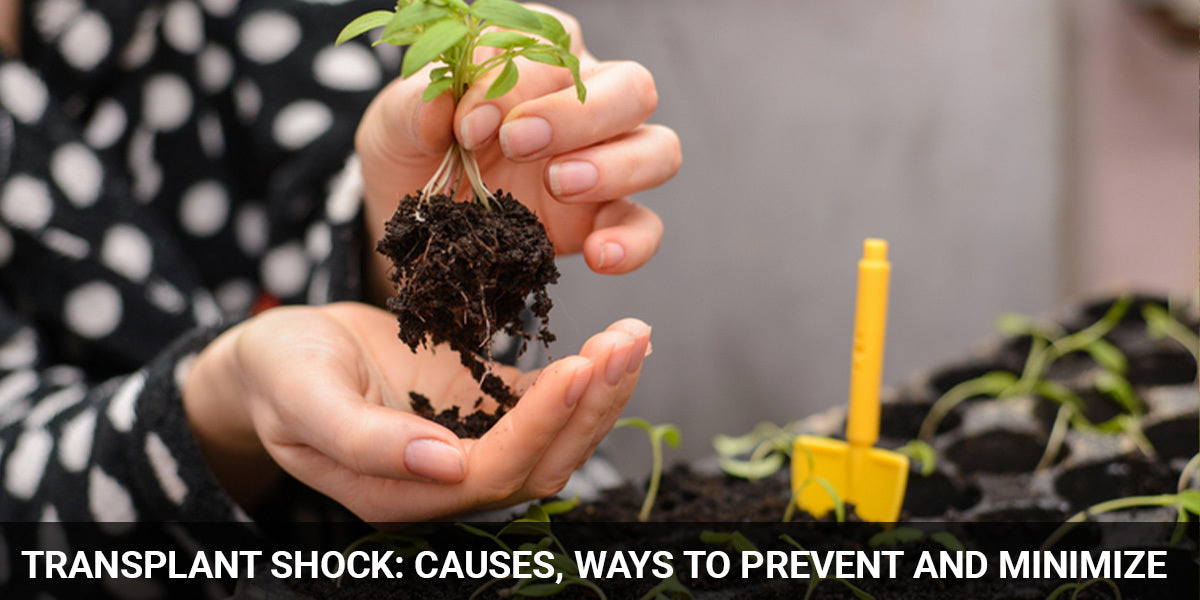
Transplant shock is a common phenomenon that occurs when a plant is relocated from one environment to another, leading to stress and possible decline in health. The best approach to alleviate transplant shock involves several key interventions aimed at promoting recovery and strengthening the plant’s resilience.
See also:
Understanding Transplant Shock
Transplant shock occurs when a plant experiences stress after being moved or replanted. This can manifest in various ways, such as wilting, yellowing leaves, or stunted growth. Factors contributing to transplant shock include changes in soil conditions, moisture levels, and root damage during the transfer.
- Environmental Stress: Plants react to differences in light, temperature, and humidity.
- Root Disturbance: Damage to the roots can severely impact nutrient and water uptake.
- Soil Differences: Variations in soil type and composition can affect a plant's ability to establish.
Proper Timing for Transplanting
The timing of transplantation plays a crucial role in the survival of the plant. Generally, it is best to transplant during periods of lower stress, such as in early spring or fall when temperatures are milder.
- Seasonal Considerations: Autumn or early spring is ideal for many plants.
- Weather Conditions: Avoid transplanting during extreme heat or frost.
- Plant Type: Some species may have specific timing needs.
Optimal Watering Techniques
Watering is vital for helping a plant recover from transplant shock. Providing the right amount of water ensures that the roots can establish themselves in their new environment.
- Consistent Moisture: Keep the soil consistently moist but not soggy.
- Avoid Overwatering: Excess water can lead to root rot.
- Watering Depth: Water deeply to encourage roots to grow downwards.
Soil and Fertilizer Considerations
Choosing the right soil and fertilizer can significantly influence the recovery process for a transplanted plant. The soil should offer adequate drainage and nutrients for optimal growth.
- Well-Draining Soil: Use soil that promotes healthy root growth.
- Organic Matter: Incorporate compost to enhance soil fertility.
- Post-Transplant Fertilization: Use a balanced fertilizer to support recovery.
Providing Shelter and Support
Protecting the transplanted plant from harsh environmental conditions can help it adapt more smoothly to its new environment. Creating a supportive environment ensures that your plant can focus on recovery.
- Shade Protection: Provide shade during extreme heat to reduce stress.
- Windbreaks: Use barriers to shield plants from strong winds.
- Staking Support: Stake tall plants to prevent them from toppling.
Questions from Our Readers
How long does it generally take for a plant to recover from transplant shock?
It typically takes 2 to 6 weeks for a plant to begin recovering from transplant shock. Factors such as the type of plant, environmental conditions, and the care provided can influence this timeframe.
What signs indicate that a plant is recovering from transplant shock?
A plant is often considered to be recovering from transplant shock when it starts to show new growth, healthier leaves, and an overall return of vigor. You may also notice roots beginning to establish in the new soil.
Can transplant shock be prevented, and how?
Yes, transplant shock can be minimized by ensuring proper soil preparation, adequate watering, and avoiding sudden changes in the plant's environment. Using root stimulators and transplanting at the right time of year can also help.
See also:
What should I do if my plant shows signs of severe transplant shock?
If your plant is experiencing severe transplant shock, it is essential to provide extra care such as consistent watering, reducing stressors like direct sunlight, and ensuring it has a stable temperature to promote recovery.

If you want to read more articles like How Long Does It Take for a Plant to Recover from Transplant Shock? A Complete Guide to Fast Recovery, we recommend you check out our Plants category.
Leave a Reply
Related Articles