Can You Overcrowd Hostas? Essential Tips for Healthy Plant Growth

Hostas are beloved shade-loving plants known for their lush foliage and resilience. However, many gardeners often wonder about the implications of overcrowding these beautiful specimens in their yards. While hostas can tolerate some degree of crowding, excessive density can lead to various problems, such as stunted growth, increased susceptibility to pests, and diminished visual appeal. In this article, we will explore essential tips for maintaining the health and vitality of your hostas, ensuring they thrive in your garden. By understanding how to balance spacing and care, you can enjoy the stunning beauty of these plants for years to come.
Can You Overcrowd Hostas?
Overcrowding hostas can lead to several issues that negatively impact their health and growth. While these plants are known for their resilience, planting them too closely together generally results in competition for vital resources such as water, nutrients, and light. This competition can ultimately cause stunted growth, reduced flowering, and increased susceptibility to pests and diseases. Furthermore, overcrowded hostas tend to have poor air circulation, which can promote mold and mildew issues. Therefore, proper spacing is essential for ensuring robust and vibrant foliage while minimizing the risk of health problems.
What Happens When Hostas Are Overcrowded?
When hostas are overcrowded, they experience a lack of space necessary for their roots to grow and expand. This can lead to root binding, where the roots become tangled and restrict each other’s growth. Additionally, the leaves may become smaller and less vibrant due to the limited availability of sunlight. Over time, this stress can result in reduced flower production, making the plants less appealing in a landscape setting. In extreme cases, overcrowding can lead to the death of some plants as they struggle to compete for the same resources.
Biodiversity and Pests in Hostas
Overcrowded hostas can create an environment that is conducive to pest invasions. When plants are densely packed, it promotes higher humidity levels, which are ideal for pests like slugs, snails, and various aphids. Furthermore, diseases such as downy mildew can spread more quickly among plants that are overcrowded due to poor air circulation. Maintaining adequate space between hostas not only promotes individual plant health but also helps limit the spread of pests and diseases within the garden.
Optimal Spacing for Healthy Hostas
To ensure the best health for your hostas, it’s recommended to plant them at an optimal distance of at least 18 to 24 inches apart, depending on their full mature size. Larger hosta varieties may require additional space to thrive fully. This spacing allows adequate light penetration and air circulation around each plant, which are crucial factors for their overall well-being. By providing this room, hostas can develop their characteristic lush foliage and vibrant colors without the stress associated with overcrowding.
Signs of Overcrowding in Hostas
Several signs indicate that hostas may be overcrowded in their current planting environment. The most noticeable sign is a significant reduction in leaf size or color vibrancy. Additionally, if you observe that the center leaves of the hosta are dying while outer leaves thrive, this can be a clear indication of overcrowding. Flowering may also be significantly reduced as the plants divert their energy toward survival rather than blooming. If you notice an increase in pest activity or a decline in plant vigor, consider evaluating your hostas' spacing.
How to Manage Overcrowded Hostas
Managing overcrowded hostas often involves dividing the plants to promote healthier growth. This is typically done every 3 to 5 years when the hostas have outgrown their space. Division should be carried out in early spring or early fall to minimize stress on the plants. After dividing, replant the separated pieces with adequate spacing based on their future growth potential. Additionally, amending the soil with organic matter can help improve nutrient availability and support the recovering plants.
| Feature | Overcrowded Hostas | Well-Spaced Hostas |
|---|---|---|
| Growth Rate | Reduced | Optimal |
| Flower Production | Limited | Abundant |
| Pest Issues | Increased | Reduced |
| Leaf Size | Smaller | Larger |
| Air Circulation | Poor | Good |
How often can I split hostas?
:strip_icc()/dividing-hosta-plants-BKS033209-16-9-bb7d9518a2684d588b35c65bab05eaf2.jpg)
When it comes to splitting hostas, it's essential to understand the appropriate frequency for this task to maintain the health of the plants and encourage optimal growth. Generally, hostas can be split every 3 to 5 years. This interval allows the plants enough time to become established and flourish, while also preventing overcrowding, which can lead to poor air circulation, increased moisture retention, and susceptibility to diseases.
Optimal Timing for Splitting Hostas
The best time to split hostas is during their dormant season, typically in early spring before the new growth starts or in late summer when the plants are not actively growing. This timing helps reduce stress on the plants and promotes a quicker recovery.
See also:
- Early Spring: Before new growth begins.
- Late Summer: After flowering but before the first frost.
- Avoid Splitting in Fall: This can expose the plants to winter damage.
Signs That Your Hostas Need Splitting
It's important to recognize when your hostas are overcrowded and need to be split. Healthy hostas can show signs of stress or decline if they are not divided when necessary.
- Size: If the hosta has outgrown its space and is becoming too large.
- Decline in Health: Poor growth or fewer leaves can signal overcrowding.
- Reduced Flowering: Fewer blooms may indicate that the plant needs splitting.
How to Split Hostas Effectively
Proper techniques for splitting hostas will ensure that both the original and newly created plants thrive. Here’s a step-by-step approach to ensure success.
- Water the plants a day before splitting to lessen transplant shock.
- Use a sharp spade or knife to carefully remove the plant from the ground.
- Divide the root ball into smaller sections, ensuring each has adequate roots and shoots.
Aftercare for Splitted Hostas
Taking care of hostas after they have been split is crucial for their recovery and growth. Ensuring they are well taken care of can lead to a lush and healthy garden.
- Water Immediately: Ensure they are well-hydrated after splitting.
- Mulch: Apply a thin layer of mulch to help retain moisture.
- Avoid Direct Sun: Keep them shaded until they establish roots in their new locations.
Benefits of Splitting Hostas
Splitting hostas not only helps manage overcrowding but also comes with several other benefits for the garden and the specific plants.
- Healthier Plants: Reduces competition for nutrients and water.
- New Growth: Encourages fresh, vigorous growth in both divided sections.
- Propagation: Allows you to create new plants for different areas in your garden or to share with friends.
What to do with too many hostas?

Having an abundance of hostas in your garden can be both a blessing and a challenge. If you find yourself with more hostas than you can accommodate in your landscape, there are several options to consider. Here are some effective ways to handle an overabundance of these beautiful plants.
1. Divide Your Hostas
Dividing hostas is a practical way to manage their numbers while also promoting healthier plants. This process can encourage growth and rejuvenate older plants.
- Select the right time: The best time to divide hostas is in spring as they emerge or in early fall when the leaves begin to die back.
- Prepare the area: Make sure to choose a suitable spot with adequate shade and moist, well-drained soil.
- Carefully dig up the hosta: Use a spade to dig around the plant, then gently lift it out, ensuring you retain the roots.
- Separate the clumps: Using a sharp knife or spade, divide the clump into smaller sections, each with a healthy root system.
- Replant or share: Replant the divisions in the garden or give them away to friends and family.
2. Create a Hosta Garden
If you have several varieties of hostas, consider designing a dedicated hosta garden. This can become a beautiful focal point in your landscape.
- Choose a location: Ideally, find a spot that receives partial to full shade to keep your hostas thriving.
- Plan your layout: Group different varieties together based on their size, color, and texture for visual interest.
- Incorporate other shade-loving plants: Complement your hostas with other plants like ferns, astilbes, or heucheras.
- Add decorative elements: Use rocks, garden statues, or paths to create a tranquil atmosphere.
- Mulch the area: Applying mulch will help retain moisture and weed suppression.
3. Sell or Donate Hostas
If you have more hostas than you want to keep, consider selling or donating them. This can be a rewarding way to find them new homes.
- Post on social media: Share your extra plants with friends or local gardening groups online.
- Participate in plant swaps or community sales: These events often welcome donations of excess plants.
- Visit local nurseries or garden centers: Some will buy back plants or allow you to donate them if they have an initiative for community gardening.
- Contact local charities: Many organizations appreciate garden donations, particularly community gardens or shelters.
- Offer to share with neighbors: Sometimes neighbors are looking to fill spots in their gardens and will be happy to take some off your hands.
4. Use Hostas for Edging or Ground Cover
If you have too many hostas but still want to keep them, consider using them as edging plants or ground cover. This can fill spaces effectively while still enhancing the beauty of your landscape.
See also:
- Identify areas: Look for spots in your garden that need filling, such as borders or around trees where other plants might struggle.
- Plant hostas strategically: Place shorter varieties in front and taller ones toward the back, creating layers for visual depth.
- Maintain a consistent look: Use the same variety for a uniform look or mix several for a more eclectic feel.
- Keep hostas spaced properly: Ensure that they have enough room to grow without crowding each other.
- Regularly trim spent foliage to maintain a tidy appearance throughout the growing season.
5. Experiment with Container Gardening
If space is limited in your garden but you still want to keep some hostas, consider container gardening. This allows for flexibility in placement and easy mobility.
- Select the right containers: Choose pots that are large enough to accommodate root growth and have excellent drainage.
- Mix and match varieties: Use different types of hostas in a single container for a stunning display.
- Place strategically: Set containers in shady spots on patios, balconies, or pathways to brighten otherwise unused areas.
- Water thoroughly: Ensure that container plants are adequately watered, as potted plants can dry out faster than those in the ground.
- Fertilize regularly: Container plants need extra nutrients, so use a balanced fertilizer to keep them healthy.
What not to plant next to hostas?
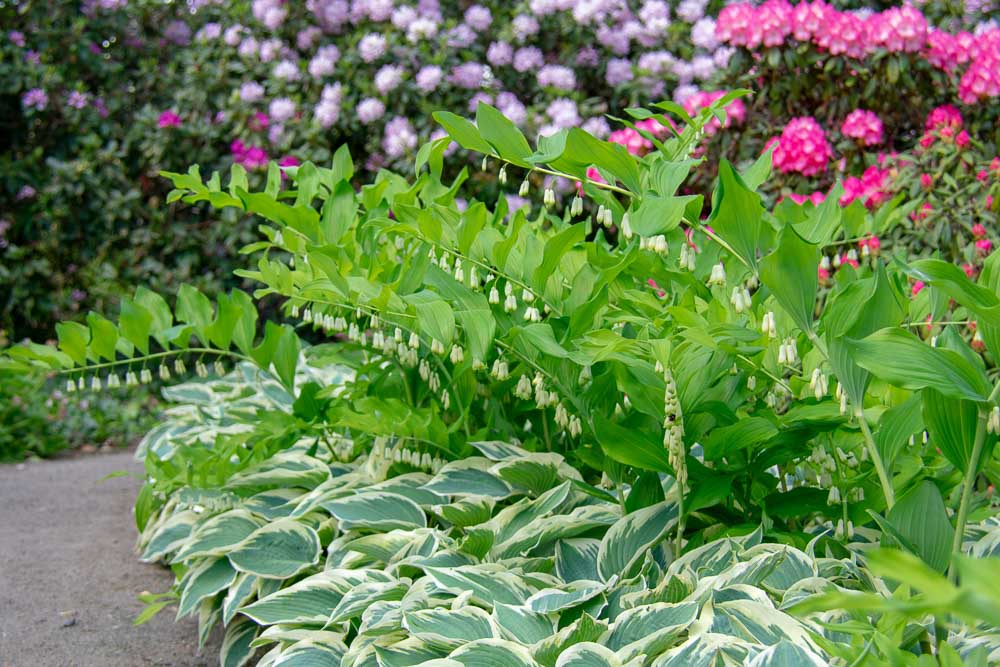
Hostas are beloved for their lush foliage and shade tolerance, but not all plants thrive when grown alongside them. Understanding what not to plant next to hostas can help maintain a healthy garden and promote the growth of your hostas. Here are some key plants and considerations to keep in mind.
Plants That Compete for Nutrients
Certain plants are known to be aggressive growers and can easily overshadow hostas, competing for essential nutrients and water in the soil. It is best to avoid planting these species near your hostas to ensure they receive the resources they need.
- Daylilies: These plants grow rapidly and can overshadow hostas during their growing season.
- Astilbe: While they enjoy similar conditions, astilbes can outcompete hostas for moisture and nutrients.
- Japanese Blood Grass: This grass can quickly take over space and may inhibit the growth of hostas.
Avoid Hostile Plants
Some plants can be considered invasive or aggressive, which can be detrimental to the health of your hostas. These plants not only compete for resources but can also disrupt the local ecosystem.
- Bamboo: Known for its aggressive spreading, bamboo can take over your garden, choking out hostas.
- Mint: While fragrant, mint spreads uncontrollably and can overrun less aggressive plants like hostas.
- Vinca Minor: This ground cover can be invasive and may smother hostas if not managed properly.
Plants with Similar Light Requirements
Planting species that require identical light conditions as hostas can hinder their growth, as they may both struggle to thrive in environments that don’t fully support their needs.
- Ferns: Some fern species thrive in similar conditions but can outgrow hostas, creating a shade competition.
- Hydrangeas: Depending on the variety, some hydrangeas can grow large and block light to hostas.
- Caladiums: They require similar moisture levels but can be too aggressive in their growth habits.
Pests-Attracting Plants
Certain plants are known to attract pests that may also find their way to your hostas, causing potential damage and detracting from the overall health of your garden.
- Marigolds: While they are known for pest deterrence, they can sometimes attract harmful insects that may also target hostas.
- Bee Balm: This fragrant plant can attract pollinators, which, while beneficial, may also bring pests that affect hostas.
- Common Dill: Attracts various insects that could harm the sensitive leaves of hostas.
Plants with High Water Requirements
Hostas prefer consistently moist but well-drained soil. Planting alongside those with high water demands can lead to a struggle for moisture management.
- Canna Lilies: Require a lot of water, which can draw moisture away from hostas.
- Water Lilies: These thrive in wet conditions and may outcompete hostas for water in a mixed environment.
- Japanese Iris: While beautiful, these plants need more moist soil than hostas are typically comfortable with.
Questions from Our Readers
Can you overcrowd hostas?
Yes, you can overcrowd hostas, but it is generally not advisable. When they are planted too closely together, they may compete for nutrients, water, and light, which can lead to stunted growth and a decrease in their overall vitality.
What are the signs of overcrowded hostas?
Overcrowded hostas may exhibit several signs, such as smaller leaves, leggy growth, and an overall unhealthy appearance. Additionally, you may notice that some plants are struggling to thrive due to the lack of space and resources.
See also:
How can I prevent overcrowding in my hostas?
To prevent overcrowding, it is essential to provide adequate spacing between each hosta at the time of planting. A general rule is to space them about 18 to 24 inches apart, depending on the species, to ensure they have enough room to grow and expand.
What should I do if my hostas are overcrowded?
If your hostas are overcrowded, it's best to divide them. This involves carefully lifting the plants and separating the clumps, then replanting them with sufficient space in between. This not only helps reduce overcrowding but also promotes healthier growth.

If you want to read more articles like Can You Overcrowd Hostas? Essential Tips for Healthy Plant Growth, we recommend you check out our Hostas category.
Leave a Reply
Related Articles