Are Zinnias Annual or Perennial Plants? Discover the Truth Behind Their Lifespan

Zinnias are beloved garden staples known for their vibrant colors and stunning blooms, making them a favorite among gardeners and floral enthusiasts alike. However, a common question arises: are zinnias annual or perennial plants? Understanding their lifespan is essential for gardeners looking to create stunning displays with these cheerful flowers. In this article, we'll delve into the nature of zinnias, exploring their growth cycles, variations, and the conditions that influence their longevity. Join us as we uncover the truth behind the lifespan of zinnias and how to care for them to maximize their beauty in your garden.
Are Zinnias Annual or Perennial Plants?
Zinnias are generally considered annual plants, meaning they complete their life cycle within a single growing season. However, there are some varieties that can behave like perennials in warm climates where they are able to survive mild winters. Zinnia elegans, the most common type, is typically grown as an annual, thriving in sunny environments and providing vibrant blooms from early summer until the first frost. In contrast, some perennial zinnias, such as Zinnia angustifolia, can return each year in suitable zones, making them popular for gardeners looking for long-lasting color in their landscapes.
Characteristics of Annual Zinnias
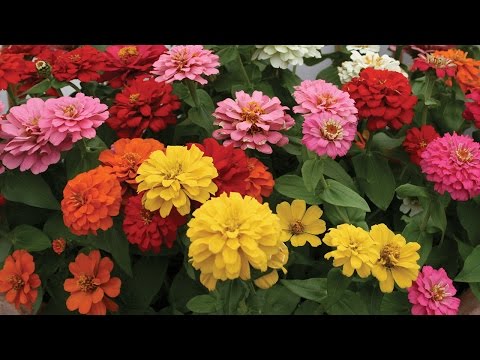
Annual zinnias are characterized by their quick growth, producing lush foliage and bright flowers throughout the growing season. They typically bloom from the beginning of summer until the first frost, offering a continuous display of colors that includes hues such as red, yellow, pink, and white. Given their short life cycle, they require replanting each year, which can lead to vibrant, fresh gardens every season.
Characteristics of Perennial Zinnias
Perennial zinnias, particularly Zinnia angustifolia, can establish roots that allow them to survive through the winter months in warmer climates. These varieties often have a more compact growth habit and produce smaller flowers when compared to their annual counterparts. They are valued for their drought resistance and ability to return year after year, making them ideal for low-maintenance gardens.
Growth Zones for Zinnias
Zinnias thrive best in USDA hardiness zones 3 to 10, but their classification as either annual or perennial largely depends on the specific species and the local climate. In colder areas, even perennial zinnias will behave like annuals due to frost, while in warmer zones, they can establish as true perennials, surviving winter to bloom again in spring. Understanding your local environment is crucial for determining the longevity of these plants in your garden.
Planting and Care for Zinnias
Proper planting and care techniques can enhance the growth of both annual and perennial zinnias. They prefer full sun and well-drained soil, thriving best in areas that receive at least 6 hours of sunlight each day. Regular watering is important, especially during dry spells, but care should be taken to avoid waterlogged conditions. Feeding with a balanced fertilizer can promote lush foliage and abundant blooms, ensuring a vibrant display throughout their growing season.
See also:
Common Pests and Diseases
Zinnias can be susceptible to various pests such as aphids and spider mites, as well as diseases like powdery mildew and botrytis blight. Regular monitoring and maintenance, including proper air circulation around the plants and avoiding overhead watering, can help mitigate these issues. Using organic pesticides can also be effective in managing pest populations, ensuring the health and longevity of the zinnias.
| Aspect | Annual Zinnias | Perennial Zinnias |
|---|---|---|
| Life Cycle | Complete in one season | Can live for multiple years |
| Examples | Zinnia elegans | Zinnia angustifolia |
| Growth Habit | Tall and bushy | Compact and hardy |
| Climate Adaptation | Best in moderate climates | Thrives in warm areas |
| Maintenance | Replant annually | Minimal, returns each year |
Which zinnias are perennials?
:strip_icc()/Zinnias-BCyb0YBhqDh9-MJJ79kSzJ-cc246aa0cd1c4e0098a64d58c2ddc848.jpg)
Zinnias are typically known as annual flowers, but there are a few varieties that can be considered perennials. Among them, the most notable is Zinnia angustifolia, commonly known as the narrowleaf zinnia. This species can survive in warmer climates and may return year after year under ideal conditions. Another less common perennial option is Zinnia elegans, which is often grown as an annual but can sometimes behave as a perennial in temperate regions where winters are mild.
Characteristics of Perennial Zinnias
Perennial zinnias differ from their annual counterparts in several ways, primarily in their lifespan and growth patterns. While annual zinnias die after one season, perennials can live for multiple seasons. The characteristics of perennial zinnias include:
- Longevity: They have a longer lifespan and can bloom year after year.
- Mature Size: They typically grow larger and become bushier with age.
- Care Needs: They may require different care, including winter protection in colder climates.
Growing Conditions for Perennial Zinnias
To thrive, perennial zinnias require specific growing conditions that align with their native environments. These include:
- Soil Type: Well-drained, loamy soil is preferred for optimal growth.
- Sunlight: They thrive in full sunlight, needing at least 6-8 hours of direct light daily.
- Watering: Moderate watering is essential; overwatering can lead to root rot.
Popular Varieties of Perennial Zinnias
While not as common as annual zinnias, several varieties of perennial zinnias can be found in gardens. Some popular ones include:
See also:
- Zinnia angustifolia: Known for its narrow leaves and drought resistance.
- Zinnia haageana: Also known as the Mexican zinnia, it displays vibrant colors.
- Zinnia linearis: It features narrow, linear leaves and is found in tougher environments.
Care Tips for Perennial Zinnias
To ensure healthy growth and blooming of perennial zinnias, it is important to follow some key care tips, which include:
- Pruning: Regular deadheading encourages more blooms and prevents self-seeding.
- Fertilizing: A balanced fertilizer can enhance growth, particularly in the growing season.
- Pest Management: Watch for common pests such as aphids and caterpillars, which can affect health.
Planting Perennial Zinnias
When it comes to planting perennial zinnias, where and how you plant can greatly affect their growth. Consider these factors:
- Transplanting: Start seeds indoors, then transplant after the last frost for best results.
- Spacing: Ensure enough space between plants to promote good air circulation.
- Mulching: Use mulch to retain moisture and suppress weeds around the plants.
Questions from Our Readers
Are zinnias annual or perennial plants?
Zinnias are primarily considered annual plants, meaning they complete their life cycle in one growing season. However, in certain climates, zinnias can behave like perennials, especially if they are allowed to reseed themselves.
How long do zinnias typically last in a garden?
In ideal conditions, zinnias can bloom from late spring to the first frost, lasting about generally three to four months. This blooming period contributes to their popularity as annuals in many garden settings.
Can zinnias be grown from seeds?
Yes, zinnias can easily be grown from seeds, which should be sown directly into the soil after the last frost has passed. Given the right conditions, these seeds germinate quickly and produce vibrant flowers in a matter of weeks.
Do zinnias require any special care?
Zinnias are relatively low-maintenance but thrive best in full sun and well-drained soil. Regular watering and occasional deadheading can promote more blooms throughout the growing season, ensuring a colorful display.
See also:
If you want to read more articles like Are Zinnias Annual or Perennial Plants? Discover the Truth Behind Their Lifespan, we recommend you check out our Flowers category.
Leave a Reply
Related Articles