Do Dahlias Like Sun or Shade? Discover the Best Growing Conditions for Your Dahlias

Dahlias are a stunning addition to any garden, known for their vibrant colors and unique flower shapes. However, to truly thrive, these beautiful blooms require specific growing conditions. A common question among gardeners is whether dahlias prefer sun or shade. Understanding the light requirements of dahlias is crucial for optimal growth and flowering. In this article, we will explore the best conditions for growing dahlias, including their sunlight preferences and how to create an environment that promotes lush, healthy plants. Discover the key factors to ensure your dahlias flourish and become the centerpiece of your garden.
Do Dahlias Prefer Sunlight or Shade?
Dahlias thrive best in full sunlight, requiring at least six to eight hours of direct sunlight each day for optimal growth and blooming. While they can tolerate some partial shade, especially during the hottest parts of the day, prolonged periods in the shade can lead to poor flowering and weaker plants overall. It’s important to choose a location in your garden that provides sufficient light exposure, as this will help promote vibrant colors and healthy foliage. Adequate sunlight also assists in keeping the dahlia tubers dry and minimizes the risk of diseases caused by excess moisture, which can thrive in shaded areas.
Sunlight Requirements for Dahlias
Dahlias have specific sunlight requirements to flourish. Ideally, they need full sun, which means at least 6-8 hours of direct sunlight daily. In regions with extremely high temperatures, they may benefit from some afternoon shade to protect them from scorching. However, consistent exposure to sunlight is essential for encouraging blooming and maintaining healthy growth, reducing the risk of stunted development.
Impact of Shade on Dahlia Growth
When dahlias are subjected to excessive shade, their growth and flowering can be significantly impacted. Flower production diminishes, resulting in fewer blooms and diminished color vibrancy. Additionally, shaded plants are more susceptible to diseases as the lack of sunlight leads to increased moisture retention in the soil, creating a favorable environment for fungal illnesses. Therefore, avoiding extremely shady locations is crucial for their overall health and productivity.
Choosing the Right Location for Dahlias
When planting dahlias, selecting the right location is crucial for their success. Look for areas in your garden that receive ample direct sunlight throughout the day, especially in the morning. Avoid spots near tall buildings or trees that can cast prolonged shadows. Instead, target open spaces or garden beds where they can have unobstructed access to sunlight, allowing them to thrive and produce stunning blooms.
Signs of Insufficient Sunlight
If your dahlias are not receiving enough sunlight, several signs may become apparent. You may notice that the plants are tall and leggy, indicating they are stretching towards the light. Additionally, blooming may be minimal and the flowers may appear smaller and less vibrant in color. The foliage might also turn a dull green or exhibit signs of disease due to increased humidity in shaded conditions. Recognizing these symptoms early can help gardeners make necessary adjustments for better growth results.
Benefits of Full Sunlight for Dahlias
Providing dahlias with full sunlight offers numerous benefits that enhance their overall performance. Full exposure to sunlight encourages robust growth, vibrant colors, and abundant flowering. Healthy plants that receive adequate sunlight also have stronger root systems, making them more resilient to pests and diseases. Furthermore, sufficient sunlight aids in the drying of the ground around the tubers, minimizing the risk of tuber rot and promoting a thriving garden.
| Light Conditions | Plant Health | Flower Production |
|---|---|---|
| Full Sunlight | Strong and healthy | Abundant and vibrant |
| Partial Shade | Moderate strength | Limited blooms |
| Full Shade | Weak and leggy | Minimal or no blooms |
Where is the best place to plant dahlias?
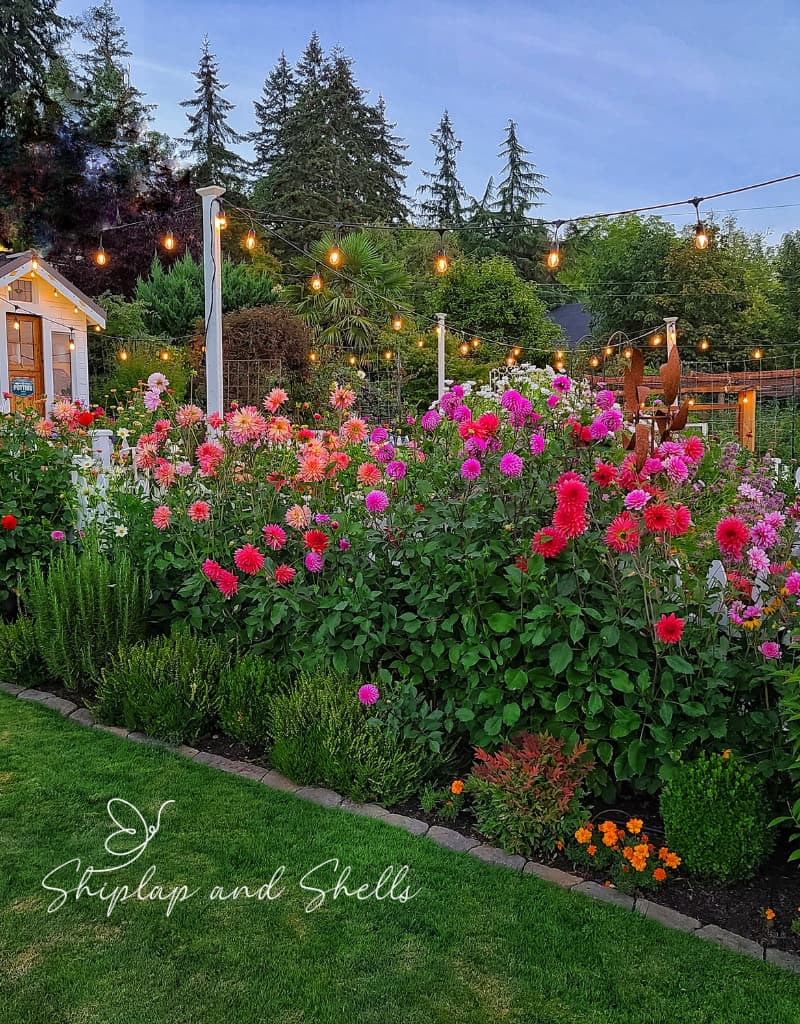
The best place to plant dahlias is in a location that provides optimal conditions for their growth and flowering. These stunning plants thrive in areas where they receive full sunlight, adequate drainage, and nutrient-rich soil. Following these guidelines can lead to a flourishing dahlia garden with vibrant blooms.
Optimal Sunlight Exposure
Dahlias require a minimum of six hours of full sunlight each day to thrive. Choosing a spot that receives ample sunlight not only helps these flowers grow strong but also encourages more blooms.
- Look for south-facing areas that capture sunlight throughout the day.
- Avoid planting in shaded areas, especially under trees or tall structures.
- Monitor the sunlight in your garden to confirm the chosen spot maintains consistent light.
Soil Quality and Nutrient Content
Strong, healthy dahlias begin with quality soil. The soil should be well-draining and rich in organic matter to ensure that plants receive essential nutrients for growth.
- Enrich the soil with compost before planting to improve its fertility.
- Consider conducting a soil test to check for pH and nutrient levels.
- Avoid heavy clay soils that can retain too much moisture around the tubers.
Water Drainage and Irrigation Needs
Dahlias are susceptible to rot if kept in overly wet conditions. A location with good drainage is crucial to prevent water accumulation.
- Choose raised beds or areas with naturally draining soil without standing water.
- Water the dahlias regularly but allow the soil to dry slightly between watering sessions.
- Use mulch to help retain soil moisture while preventing waterlogging.
Space and Air Circulation
Dahlias require adequate spacing to ensure good air circulation, which helps prevent fungal diseases. This is particularly important in humid environments.
See also:
- Space the plants at least 12 to 36 inches apart, depending on the variety.
- Position the dahlias in a manner that allows airflow between the plants.
- Avoid clustering dahlias too closely together in confined spaces.
Protection from Strong Winds
Dahlias can be vulnerable to wind damage, especially when they reach their full height. Finding a sheltered location can protect these beautiful plants.
- Plant dahlias near a fence or hedge that can act as a windbreak.
- Avoid open areas where strong gusts could knock them over.
- Consider staking tall varieties for added support against wind damage.
Do dahlias like lots of water?

Dahlias are known for their striking blooms and vibrant colors, making them a popular choice for gardens. When it comes to watering, dahlias do have specific needs that are crucial for their health and growth. They do enjoy water, but the key is to strike the right balance.
Water Requirements of Dahlias
Dahlias prefer a consistent level of moisture. While they thrive on water, it’s essential to ensure they don't become waterlogged. Here are some important points to consider regarding their water needs:
- Adequate Moisture: Dahlias need about 1 to 2 inches of water per week.
- Soil Type: Well-draining soil helps prevent root rot.
- Watering Schedule: Deep watering once a week is sufficient rather than frequent shallow watering.
Signs of Overwatering
Overwatering can lead to several issues that can jeopardize the health of your dahlias. Recognizing these signs early is vital:
- Yellowing Leaves: Indicating potential root rot or suffocation.
- Wilting Stems: Although they appear dry, overwatered plants can also exhibit wilting due to lack of oxygen.
- Mold Growth: Presence of mold around the base signals excessive moisture conditions.
Draining Techniques for Dahlias
To ensure dahlias receive the right amount of water, proper draining is crucial. Here are some practical techniques:
- Soil Amendments: Adding organic matter can improve drainage capabilities.
- Raised Beds: Planting in raised beds allows excess water to escape more effectively.
- Mulching: Using mulch helps retain moisture while preventing water buildup around the roots.
Seasonal Watering Adjustments
Dahlias require different watering strategies depending on the season. Understanding these changes can enhance your plant's performance:
- Spring Care: Increase watering as growth starts, but monitor soil moisture.
- Summer Needs: Water daily if temperatures soar, especially in drought conditions.
- Autumn Practices: Gradually reduce watering as the growing season comes to a close.
Best Practices for Watering Dahlias
Implementing the right practices can nurture your dahlias effectively. Here are some best practices:
- Morning Watering: Watering early allows leaves to dry out, preventing fungal diseases.
- Check Soil Moisture: Always test the soil before watering to avoid oversaturation.
- Consistent Routine: Establish a regular watering schedule based on weather and soil conditions.
Can dahlias get too much sun?

Dahlias are beautiful, vibrant flowers that thrive in gardens, but they can indeed get too much sun. These plants prefer full sun, which typically means around 6 to 8 hours of direct sunlight per day. However, in extremely hot climates, excessive sunlight can lead to problems such as wilting, leaf scorch, and stunted growth. Understanding the balance of sunlight and other care factors is crucial for their health.
Symptoms of Too Much Sun for Dahlias
Exposure to high levels of sunlight can manifest in various symptoms in dahlias. Recognizing these signs can help gardeners take appropriate action.
- Wilting: Leaves may begin to droop and the plant looks less vigorous.
- Leaf Scorch: Edges of leaves may turn brown and crispy.
- Stunted Growth: The overall growth of the plant may slow down, leading to fewer blooms.
Ideal Sunlight Conditions for Dahlias
Dahlias thrive best under specific sunlight conditions. Knowing these requirements is essential for optimal growth.
- Morning Sun: Dahlias benefit from morning sunlight, which is less intense than afternoon rays.
- Partial Shade: In extremely hot climates, providing some partial shade during the hottest parts of the day can be beneficial.
- Well-Draining Soil: Soil that drains well keeps roots from becoming waterlogged, particularly in sunny conditions.
How to Protect Dahlias from Excessive Sun
If you live in a region where sun exposure is intense, it's important to protect the dahlias to ensure they stay healthy.
See also:
- Use Shade Cloth: Implementing a shade cloth during peak sun hours can help reduce stress on the plants.
- Mulching: Adding a layer of mulch around the base of the dahlias helps retain moisture and regulate soil temperature.
- Watering Schedule: Maintaining a consistent watering schedule can help the plants cope with high temperatures.
The Role of Soil Type in Sun Exposure
The type of soil in which dahlias are planted can significantly affect their ability to withstand sunlight.
- Well-Draining Soil: Dahlias require well-draining soil to prevent root rot, particularly under intense sun exposure.
- Organic Matter: Enriching soil with organic matter can help retain moisture and support healthy growth.
- pH Levels: Maintaining optimal pH levels (between 6.0 and 7.0) aids in nutrient absorption, which is essential for healthy blooms.
Common Misconceptions About Dahlias and Sunlight
Various misconceptions exist regarding the sunlight needs of dahlias, leading to improper care.
- Dahlias Need Full Sun Only: While they thrive in full sun, they can suffer if the sun is too intense.
- More Sun Equals More Blooms: Irregular watering combined with excessive sun can actually reduce bloom output.
- All Types of Dahlias Have the Same Needs: Different varieties may have varying tolerances to sunlight due to their native environments.
Do dahlias prefer morning or afternoon sun?
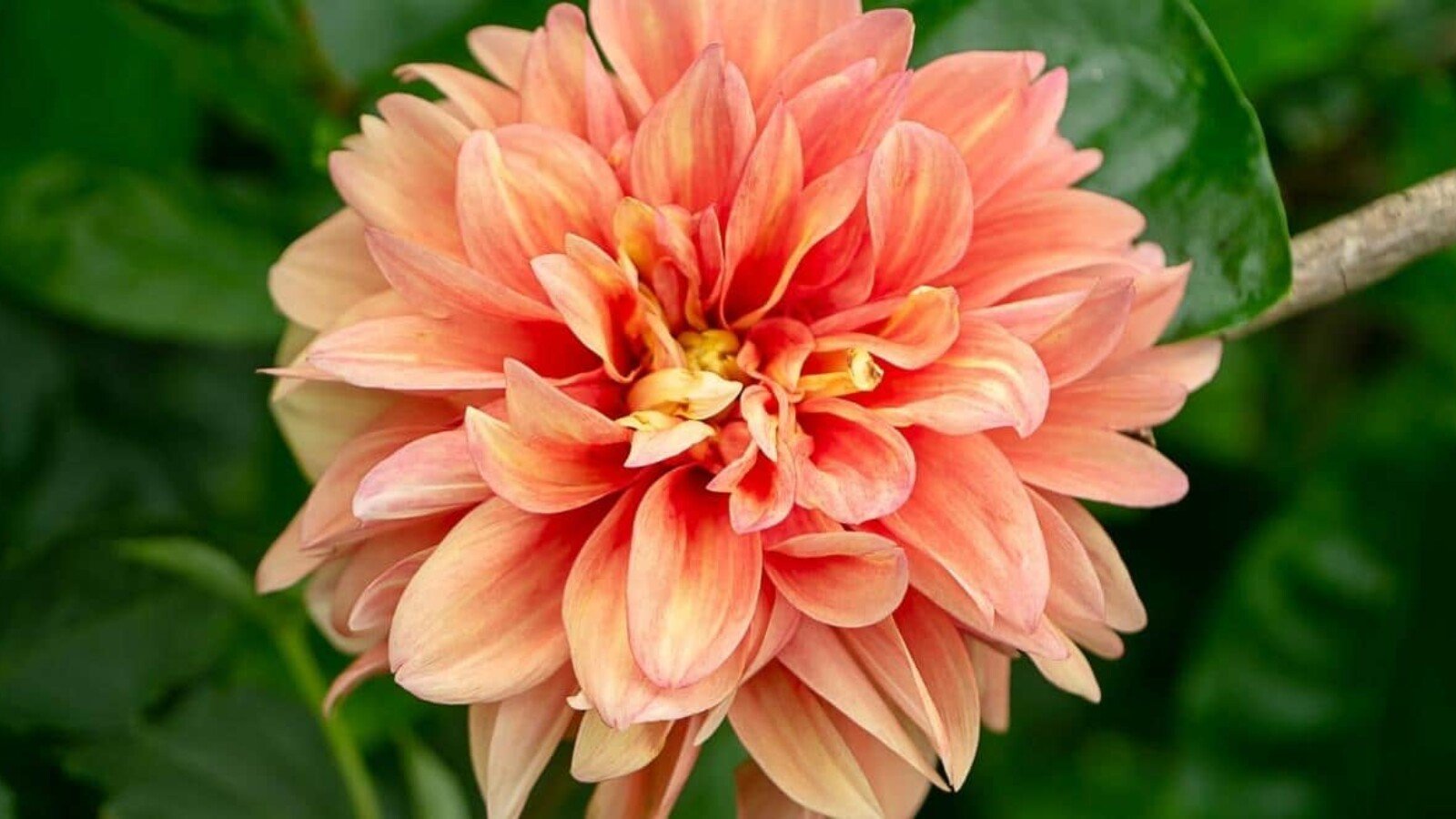
Dahlias typically thrive best with a combination of morning sun and afternoon shade. They are known to prefer full sun, which generally means at least six hours of direct sunlight per day. However, exposure to the harsh afternoon sun can often lead to scorching, especially in extremely hot climates. Therefore, many gardeners find that placing dahlias where they receive morning sunlight allows the plants to warm up gradually and helps them avoid the stress of intense afternoon sun. This balance supports their growth and enhances blooming.
Benefits of Morning Sun for Dahlias
Dahlias benefit significantly from morning sunlight due to several reasons:
- Gentle Warming: Morning sun warms the plants gradually, reducing the risk of thermal shock.
- Moisture Management: Exposure to morning sun helps evaporate dew quickly, minimizing the risk of fungal diseases.
- Flowering Enhancements: Morning sun supports early blooming when the light is optimal for photosynthesis.
Potential Risks of Afternoon Sun
While afternoon sunlight can be beneficial, it poses some risks for dahlias:
- Heat Stress: Prolonged exposure to intense afternoon rays can lead to wilting and stress on the plants.
- Scorching of Leaves: Leaves may become scorched, leading to brown edges and a decline in plant health.
- Reduced Flower Quality: Too much harsh light can affect the vibrancy and longevity of blooms.
Ideal Planting Locations
Choosing the right location can make a significant difference in dahlia health:
- East-Facing Gardens: These areas receive ample morning sun while protecting plants in the hotter afternoon periods.
- Partial Shade Areas: Locations that receive filtered sunlight in the afternoon provide a perfect balance.
- Near Taller Plants: Planting dahlias near taller plants can provide them with shade as the afternoon sun approaches.
Watering Practices in Sunlight Conditions
Watering dahlias requires special consideration based on their exposure to sunlight:
- Early Morning Watering: Watering in the early morning is ideal, allowing plants to absorb moisture before the heat sets in.
- Consistent Moisture: Maintaining consistent moisture is crucial, especially in areas with high afternoon temperatures.
- Avoiding Overhead Watering: Direct watering at the base can mitigate leaf burn from sun exposure.
Tips for Upcoming Dahlia Growth
To ensure healthy growth of dahlias, implement these tips:
- Choose Hardy Varieties: Select dahlia types that are best suited for your climate and sunlight conditions.
- Monitor Soil Moisture: Regularly check the soil to maintain optimal growing conditions, particularly in sunny areas.
- Pinching Back: Pinch back stems to encourage bushier growth and enhanced flower production without overexposure to sun.
Questions from Our Readers
Do dahlias prefer full sun or partial shade?
Dahlias prefer full sun, ideally receiving at least 6 to 8 hours of direct sunlight each day. While they can tolerate some partial shade, their growth and flowering may be significantly reduced in less sunny conditions.
Can dahlias survive in shaded areas?
While dahlias can survive in shaded areas, they generally do not thrive. Insufficient sunlight can lead to leggy growth, reduced flower production, and increased susceptibility to disease.
What happens to dahlias if they do not get enough sunlight?
If dahlias do not receive enough sunlight, they may become stunted and produce fewer flowers. This lack of light can also lead to poor coloration and overall reduced vigor of the plants.
How can I ensure my dahlias get enough sunlight?
To ensure your dahlias get enough sunlight, plant them in a location that receives full sun for most of the day. Additionally, consider monitoring the surrounding plants or structures that may cast shadows and affect their sunlight exposure.
See also:

If you want to read more articles like Do Dahlias Like Sun or Shade? Discover the Best Growing Conditions for Your Dahlias, we recommend you check out our Flowers category.
Leave a Reply
Related Articles