Is Dianthus a Perennial or Annual? Discover the Truth About This Popular Flower.

Dianthus, commonly known as carnations or pinks, is a beloved flower adored for its vibrant colors and delightful fragrance. Gardeners and flower enthusiasts often debate whether Dianthus should be classified as a perennial or an annual. This distinction is crucial for planting and care, as it influences how these flowers are cultivated and maintained throughout the seasons. In this article, we will explore the characteristics of Dianthus, examining its growth habits, life cycle, and the factors that determine its classification. Join us as we uncover the truth about this popular flowering plant and provide insights that will enhance your gardening experience.
Is Dianthus a Perennial or Annual?
Dianthus, commonly known as carnations or pinks, is primarily classified as a perennial plant. Most species of Dianthus are perennial, meaning they can live for several years, returning season after season. However, some varieties may behave as annuals in certain climates, especially if they do not survive the colder months. Generally, the perennials offer vibrant blooms and fragrant foliage, making them a popular choice for gardens and landscapes. Their versatility allows them to thrive in various conditions, contributing to their widespread appeal among gardeners.
Characteristics of Perennial Dianthus
Perennial Dianthus species are known for their ability to thrive in multiple growing seasons. They typically feature fleshy leaves and fragrant flowers that bloom in vibrant shades of pink, red, and white. These plants develop a robust root system that allows them to store nutrients and water, facilitating their survival through changing seasons. The longevity of these species makes them ideal for creating lasting floral displays in gardens.
Annual Dianthus Varieties
While most Dianthus are perennials, some varieties are classified as annuals. These annuals complete their life cycle in one year, germinating, flowering, and producing seeds all within a single growing season. They are often easier to grow from seed and can quickly fill a garden bed with color, although they require replanting each year. Examples of annual Dianthus include the popular Dianthus chinensis, which is often used in bedding displays.
Growing Conditions for Dianthus
Dianthus plants thrive in well-drained soil and prefer full sun to partial shade. They are quite tolerant of drought conditions once established, making them suitable for a variety of garden landscapes. The ideal soil pH for these plants is slightly alkaline, which helps promote healthy growth and vibrant blooms. Proper water management is essential, as overwatering can lead to root rot.
Maintenance of Dianthus Plants
Maintaining Dianthus plants involves regular deadheading, which encourages further blooming and prevents the plant from expending energy on seed production. It's also vital to divide perennial varieties every few years to maintain healthy growth and increase flower production. Fertilizing during the growing season helps support lush foliage and prolific flowers, ensuring the longevity and vitality of the plants.
See also:
Landscape Uses for Dianthus
Dianthus is a versatile plant suitable for a range of landscape applications. It can be utilized in rock gardens, as border plants, or even in containers for patios and balconies. Their aromatic flowers attract beneficial pollinators like bees and butterflies, enhancing the biodiversity of the garden. These plants are also effective in cut flower arrangements, thanks to their long-lasting blooms.
| Type | Life Cycle | Growth Habit | Flower Colors |
|---|---|---|---|
| Perennial | Multiple Years | Robust | Pink, Red, White |
| Annual | One Year | Fast-Growing | Variety of Colors |
Do all Dianthus come back every year?
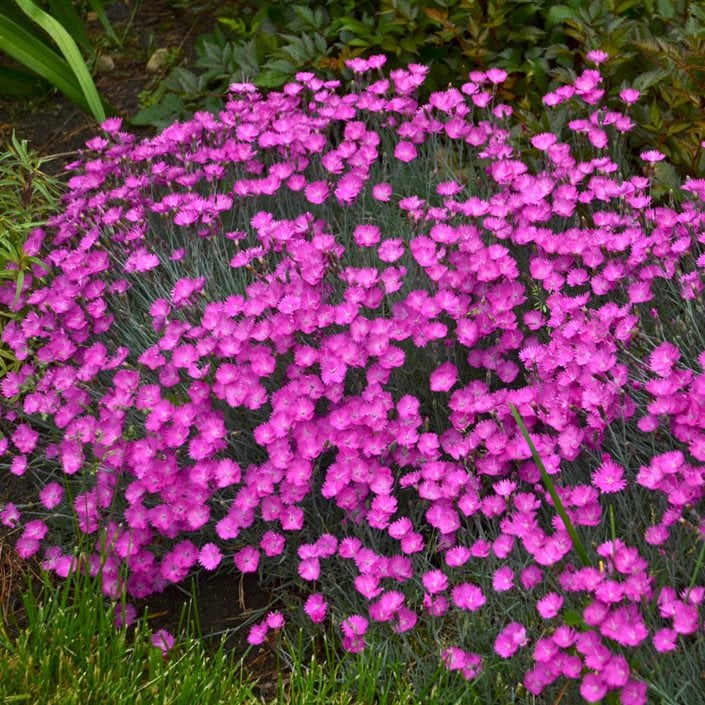
Dianthus, commonly known as carnations or pinks, is a genus that includes many different species and cultivars. When it comes to their lifespan and whether they come back every year, the answer is that it depends on the specific type of Dianthus you are referring to.
Some Dianthus are perennial, while others are classified as biennial or annual. Perennials are plants that can live for several years and will typically return each growing season, while annuals complete their life cycle in one year. Hence, whether or not Dianthus comes back every year depends on the variety.
Types of Dianthus
The Dianthus genus includes a wide variety of species, each with unique characteristics.
- Dianthus caryophyllus (Carnation) - Generally grown as an annual.
- Dianthus barbatus (Sweet William) - A biennial that often acts as a short-lived perennial.
- Dianthus deltoides (Maiden Pink) - A true perennial that returns year after year.
Growing Conditions
The growing conditions surrounding Dianthus can affect their lifespan and ability to return each year.
See also:
- Climate - Many Dianthus thrive in temperate climates, while some may struggle in extreme heat or cold.
- Soil drainage - Well-draining soil is crucial for preventing root rot and encouraging healthy growth.
- Sunlight - Most varieties prefer full sun, which is essential for robust flowering and longevity.
Plant Care
Proper care is essential for ensuring that your Dianthus plants return each year.
- Watering - Regular watering is important, but overwatering can lead to disease.
- Pruning - Deadheading and pruning spent blooms can promote new growth and flowering.
- Fertilizing - A balanced fertilizer can help enhance blooming and overall plant vitality.
Winter Protection
For perennial Dianthus, winter protection can be a key factor in their survival.
- Mulching - Adding mulch around the base can help insulate the roots during cold months.
- Draining - Ensuring proper drainage can prevent waterlogging, which is detrimental in winter.
- Covering - In particularly harsh climates, covering with burlap can shield from extreme cold.
Identifying Perennials versus Annuals
Identifying whether a particular Dianthus is a perennial or annual is crucial for understanding its lifespan.
- Labeling - Always check the plant label for growth information.
- Research - Look up specific varieties to learn about their longevity and growth habits.
- Local expertise - Consulting with local garden centers can provide insights into which types thrive in your area.
Questions from Our Readers
Is Dianthus a perennial or annual plant?
Dianthus is primarily considered a perennial plant, meaning it can live for more than two years. However, some species can also behave as annuals in certain conditions, especially if they are grown in less favorable climates.
How can I tell if my Dianthus is perennial?
To determine if your Dianthus is perennial, look for characteristics such as woody stems at the base and a tendency to return each year with new growth. Additionally, healthy root systems and the ability to bloom multiple seasons are good indicators of a perennial plant.
What conditions does Dianthus need to thrive as a perennial?
For Dianthus to thrive as a perennial, it requires well-drained soil, adequate sunlight, and moderate watering. They typically prefer full sun conditions, which can help them bloom beautifully during the growing season.
See also:
Can I grow Dianthus as an annual in colder climates?
Yes, in colder climates, Dianthus can be grown as an annual. In these regions, they may complete their life cycle within a single growing season, especially if winter temperatures are too harsh for their survival.

If you want to read more articles like Is Dianthus a Perennial or Annual? Discover the Truth About This Popular Flower., we recommend you check out our Flowers category.
Leave a Reply
Related Articles