Are Lotus Flowers Poisonous to Cats? Understanding the Risks for Your Feline Friend

When it comes to keeping our feline friends safe, understanding the potential dangers of plants is crucial. One flower that often raises questions among cat owners is the lotus flower. Known for its beauty and serene presence in water gardens, the lotus has a fascinating allure. However, many pet parents wonder: are lotus flowers poisonous to cats? This article aims to delve into the risks associated with lotus flowers and highlight the symptoms of poisoning, ensuring you have the knowledge to protect your cat from any harmful effects. Understanding these risks is essential for maintaining a safe home environment for your beloved pet.
Are Lotus Flowers Poisonous to Cats?
Lotus flowers, while renowned for their beauty and cultural significance, are not considered toxic to cats. According to current veterinary research, there is no evidence that ingestion of lotus plants leads to any harmful effects in felines. However, as with any plant, there is a risk that a cat may experience gastrointestinal discomfort if it consumes a significant amount. Symptoms like vomiting or diarrhea may occur, but these are generally mild and self-resolving. It is wise for pet owners to monitor their cats and consult a veterinarian if any unusual behavior or health concerns arise post-ingestion.
What Are Lotus Flowers?
Lotus flowers belong to the genus Nelumbo and are aquatic plants known for their striking blossoms and large, round leaves. They are often found in ponds and lakes and are appreciated for their aesthetic appeal as well as their significance in various cultures, where they symbolize purity and enlightenment. Lotus flowers come in different species, with the most common being the sacred lotus (Nelumbo nucifera) and the American lotus (Nelumbo lutea). While admired for their beauty, it is crucial for pet owners to be informed about the potential impact of such plants on their pets.
Are There Any Toxic Plants for Cats?
Yes, many common plants are known to be toxic to cats, including lilies, azaleas, and oleander. These plants can cause various symptoms ranging from mild stomach upset to severe reactions leading to organ failure. It is essential for cat owners to identify which plants are harmful and take precautions to keep them out of their pets' reach. When introducing new plants into the home, it is wise to research their toxicity levels to ensure the safety of your feline companion.
Symptoms of Ingestion
If a cat ingests lotus flowers, the symptoms are typically mild but can include vomiting, diarrhea, or general lethargy. Since lotus flowers are not poisonous, these reactions may be due to the cat's sensitive digestive system rather than actual toxicity. Pet owners should monitor their pets and consider any other food or plants that may have been consumed around the same time, as multiple factors may lead to gastrointestinal upset.
Common Alternatives to Lotus Flowers for Cat Owners
For cat owners seeking safe plants to introduce into their homes, options include catnip, cat grass, and certain varieties of mint. These plants not only are safe for cats, but they can also provide stimulation and enjoyment for them. Additionally, many of these alternatives may even promote better digestion or provide other health benefits. Ensuring that the home environment is filled with safe and enriching plants can enhance a cat’s well-being.
Precautions for Cat Owners
To ensure the safety of cats, it is recommended that pet owners take precautions when it comes to houseplants. A few methods include placing plants out of reach, using hanging planters, or opting for non-toxic plant varieties. If a cat has a tendency to chew on plants, consider providing designated safe plants for them to enjoy. Regularly checking the condition of plants and ensuring they remain healthy can also be beneficial, as wilted or decaying plants may pose additional risks.
| Plant Name | Toxicity | Symptoms if Ingested |
|---|---|---|
| Lotus Flower | No | Possible mild gastrointestinal upset |
| Lily | Yes | Kidney failure, vomiting |
| Azalea | Yes | Vomiting, diarrhea, lethargy |
| Catnip | No | None, safe for cats |
| Mint | No | None, safe for cats |
Are lotus plants poisonous to cats?

Lotus plants are not considered toxic to cats. In fact, they belong to the family of aquatic plants known as Nymphaeaceae, which includes several species that can be found in ponds and lakes. While they are generally safe, it is still essential for pet owners to keep an eye on their pets around any plants. Some cats may experience mild gastrointestinal upset if they consume any part of the lotus plant, but this is not common and usually not severe.
Understanding Lotus Plants
Lotus plants are beautiful aquatic perennials that thrive in shallow waters. Their distinct flowers blossom above the water's surface, providing both aesthetic appeal and ecological benefits. Key characteristics of lotus plants include:
- Adaptive Growth: They grow in a variety of water conditions, making them common in ponds.
- Distinctive Leaves: Lotus leaves can rise above the water, providing shade and shelter for aquatic life.
- Cultural Significance: They hold symbolic meanings in various cultures, often representing purity and enlightenment.
Potential Risks of Lotus Plants
Though lotus plants are non-toxic, there are still potential risks associated with them in a feline environment. Cats are naturally curious and may chew on plants, leading to potential issues like gastrointestinal upset. Some considerations include:
- Plant Parts: While the lotus itself is safe, consuming large amounts of any plant can lead to vomiting or diarrhea.
- Contaminants: If the plant has been treated with pesticides, those chemicals can be harmful.
- Foreign Objects: Cats may ingest non-plant items found around the lotus, leading to choking or intestinal blockages.
Symptoms of Plant Ingestion in Cats
If a cat does consume parts of a lotus plant, it’s crucial to monitor for any signs of distress. Common symptoms of mild gastrointestinal upset include:
- Vomiting: Cats might vomit shortly after consuming parts of the plant.
- Diarrhea: Loose or watery stools can indicate mild digestive upset.
- Loss of Appetite: A cat may be less interested in food if it feels unwell.
Best Practices for Cat Owners
To ensure the safety of cats around lotus plants, cat owners should practice certain precautions. Tips to consider include:
- Supervision: Keep an eye on your cat when they are near plants.
- Plant Location: Consider placing lotus plants in areas where cats cannot access them.
- Alternative Plants: Provide safe plants specifically designed for cats to avoid accidental ingestion of harmful substances.
Consulting Your Veterinarian
If there are any concerns about your cat’s health related to plant ingestion, it’s always best to consult a veterinarian. Professional advice can ensure proper care and understanding of any symptoms. Important steps include:
- Immediate Consultation: Contact a vet if your cat shows any signs of distress after plant ingestion.
- Providing Information: Share details about the plant consumed for better diagnosis.
- Follow-Up Care: Adhere to any treatment or monitoring recommendations from your veterinarian.
Is lotus flower pet friendly?
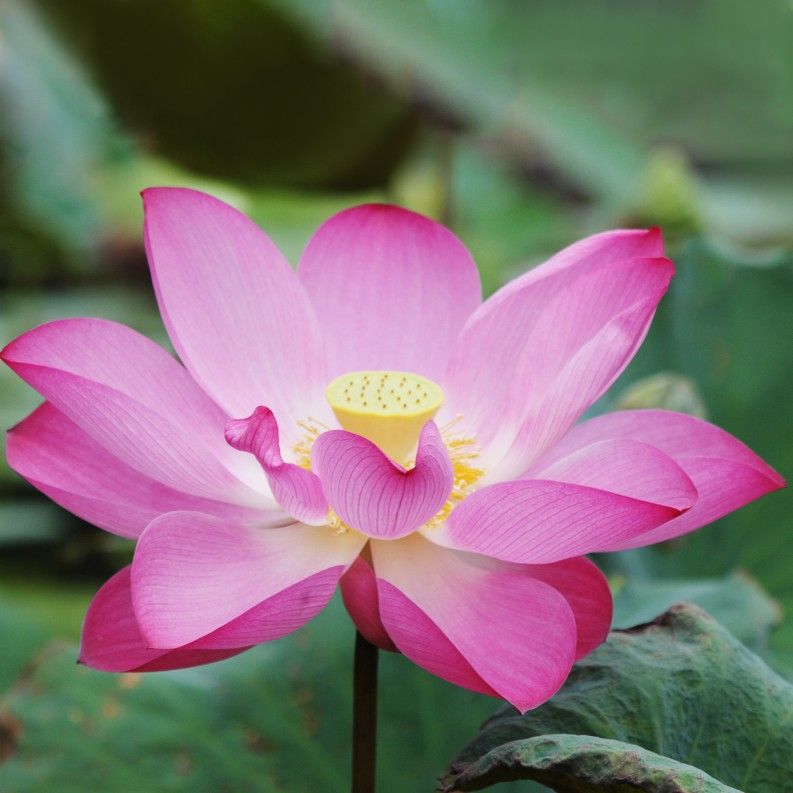

The lotus flower, belonging to the genus Nymphaea, is a beautiful aquatic plant often found in ponds and water gardens. When it comes to pet safety, particularly for common household pets like dogs and cats, it's essential to assess whether the lotus flower poses any risks.
The lotus flower is generally considered non-toxic to pets. However, it is important to note that while its petals and leaves are safe, the plant's environment can have factors that may not be as safe. Below are details regarding specific aspects of lotus flowers and their relationship with pets.
Pet Safety Considerations
The lotus flower is largely regarded as a safe addition to a pet-friendly garden. However, there are a few important aspects to keep in mind:
- Supervision: Always supervise pets when they are around new plants, including lotus flowers.
- Ingestion: Though lotus flowers are non-toxic, ingestion of large amounts may lead to mild digestive upset for some animals.
- Environmental Factors: The water conditions may contain algae or chemicals that can be harmful to pets.
Signs of Potential Issues
While the lotus flower is generally safe, it's wise to be vigilant for any signs of distress in pets. Here are a few signs to watch for:
- Vomiting: If your pet prepares to vomit, it could be a sign of an issue.
- Lethargy: Decreased energy levels may indicate discomfort or illness.
- Diarrhea: Changes in stool consistency can signal that something is wrong with their diet or environment.
Lotus Flowers Around Pets
Setting up a habitat with lotus flowers involves understanding how to keep pets safe. Consider the following elements:
- Placement: Keep lotus flowers in areas that are difficult for pets to access.
- Boundaries: Use fences or barriers to limit your pet's access to ponds containing lotus flowers.
- Water Quality: Regular maintenance of the water can prevent harmful bacteria or chemicals that can affect pets.
Lotus Flower Care
Taking care of lotus flowers is crucial not only for the plant's health but also for ensuring a safe environment for pets. Here’s how to care for them:
- Cleaning: Regularly clean the pond to remove debris, which can harbor harmful substances.
- Fertilization: Use pet-safe fertilizers to enhance plant growth without endangering your pets.
- Controlling Pests: Opt for natural pest control methods that won’t harm pets.
Alternative Plants for Pet-Friendly Gardens
If you're looking for alternatives or additions to your garden, consider these safe options:
- Marigolds: Bright and cheerful, they repel harmful insects without posing risks to pets.
- Sunflowers: Tall and vibrant, they are safe and attract beneficial pollinators.
- Spider Plants: Resilient and easy to care for, spider plants are non-toxic to pets.
What flowers are toxic for cats?
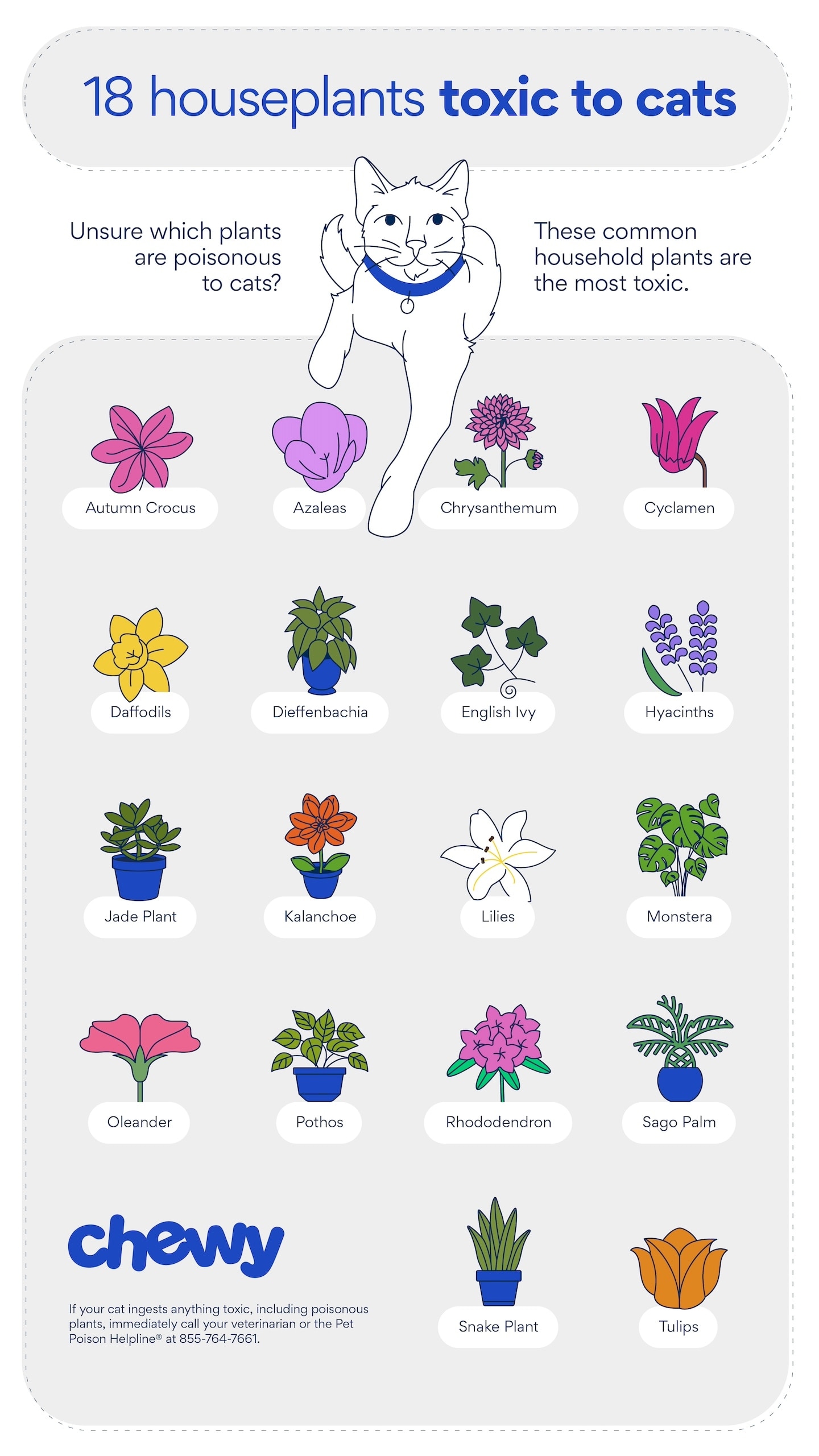
When it comes to flowers and plants, many cat owners may unknowingly bring toxic varieties into their homes. Some flowers can pose serious health risks to cats if ingested. Here are several common flowers that are toxic to cats:
1. Lilies: All types of lilies, including Easter lilies, Tiger lilies, and Daylilies, are highly toxic to cats. Even small amounts of lily parts can cause severe kidney failure.
2. Tulips: Tulips contain toxins in their petals and bulbs that can lead to gastrointestinal issues and, in severe cases, depression or tremors.
3. Azaleas: The leaves and flowers of azaleas contain substances that can cause vomiting, diarrhea, and even cardiac issues if ingested.
4. Rhododendrons: Like azaleas, rhododendrons contain toxic compounds that can result in gastrointestinal upset and lethargy in cats.
5. Chrysanthemums: Commonly found in gardens and bouquets, chrysanthemums can cause digestive distress and skin irritation in cats upon contact or ingestion.
Understanding Lily Toxicity
Lily toxicity is a pressing concern for cat owners. The components of lilies can be extremely harmful even in trace amounts, leading to symptoms such as vomiting and lethargy.
See also:
- Kidney failure can occur within 24-72 hours post-ingestion.
- All parts of the lily are toxic, including pollen and water in the vase.
- Immediate veterinary intervention is critical for the best outcomes.
Effects of Tulip Ingestion
Tulips are not only beautiful but can also be dangerous for cats. The primary toxic component is tulipalin, which affects the digestive system.
- Symptoms can include vomiting, diarrhea, and abdominal pain.
- The severity often depends on the amount ingested.
- Seek veterinary advice if tulip ingestion is suspected.
Risks Associated with Azaleas
Azaleas can represent a serious risk to feline health as they contain toxins that may lead to heart problems.
- Common symptoms include vomiting, diarrhea, and depression.
- In severe cases, azalea ingestion can lead to cardiac failure.
- Early identification and treatment are crucial for recovery.
Toxicity from Rhododendrons
Rhododendrons, closely related to azaleas, have notable risks associated with their ingestion.
- Symptoms may include loss of appetite, vomiting, and lethargy.
- They contain grayanotoxins, which are harmful to cats.
- Timely veterinary care can mitigate serious health issues.
Chrysanthemums and Feline Health
Chrysanthemums, often used in gardens and as cut flowers, can also be hazardous for cats.
- They can cause gastrointestinal upset and skin irritation.
- Symptoms often manifest as vomiting, diarrhea, or drooling.
- Close monitoring and consultation with a vet are recommended if exposure occurs.
Are lotus flowers poisonous?

Lotus flowers are often celebrated for their beauty and cultural significance, but there is a common inquiry regarding their potential toxicity. The most widely recognized lotus species, such as the Nelumbo nucifera (sacred lotus) and Nymphaea (water lily), are not considered poisonous. However, it is essential to note that while the flowers themselves are safe, certain parts of the plant may contain compounds that require caution.
Lotus Species and Edibility
The lotus plant has several species, many of which are used in culinary applications, particularly in Asian cuisines. The roots, seeds, and young leaves of the lotus are edible and packed with nutrients.
- Roots: Commonly used in soups and stir-fries, lotus root is crunchy and offers a unique flavor.
- Seeds: Often eaten raw or cooked, lotus seeds are nutritious and can be used in desserts.
- Leaves: Young leaves can be used in cooking, providing vitamins and minerals.
Potential Toxicity of Other Parts of the Lotus Plant
While the lotus flower is safe, some parts of the plant, particularly when improperly prepared, might present issues. For instance, using unripe seeds or certain extracts without proper knowledge can lead to undesired effects.
- Unripe Seeds: They may contain alkaloids that can be harmful if consumed in large quantities without preparation.
- Chemical Exposure: Overexposure to chemicals or pollutants in water bodies could lead to toxic conditions in the plant.
- Preparation Method: Wrong cooking methods could introduce toxins if not handled properly.
Medicinal Uses of Lotus Flowers
In addition to their edibility, lotus flowers have various medicinal properties in traditional medicine. They are widely acknowledged for their calming effects and are used in herbal remedies.
- Anti-inflammatory: Lotus flowers possess compounds that reduce inflammation and may aid in healing.
- Antioxidants: Rich in antioxidants, they help combat oxidative stress in the body.
- Stress Relief: Many herbalists recommend lotus for its potential to promote relaxation and relieve anxiety.
Precautions When Consuming Lotus
Despite the general safety of lotus flowers, certain precautions should be taken to ensure safe consumption.
- Source Verification: Ensure that lotus products come from safe and clean sources to avoid chemical contamination.
- Proper Preparation: Follow traditional recipes or guidance to prepare lotus parts correctly.
- Allergic Reactions: While rare, individual allergies may occur, so consuming a small amount first is advisable.
Cultural Significance of Lotus Flowers
Lotus flowers hold profound cultural significance across various societies, symbolizing purity, rebirth, and beauty. They are often depicted in art, religion, and folklore.
- Religious Symbolism: In many cultures, the lotus is a sacred flower associated with spirituality.
- Artistic Representation: It features prominently in traditional and contemporary art.
- Environmental Indicators: The presence of lotus in water bodies often signifies a healthy ecosystem.
Questions from Our Readers
Are lotus flowers toxic to cats?
Lotus flowers are generally considered non-toxic to cats. While it is always best to monitor your pet's interactions with any plant, lotus flowers do not contain harmful compounds that would typically cause serious health issues in felines.
What should I do if my cat eats a lotus flower?
If your cat has ingested a lotus flower, there is usually no cause for concern due to their non-toxic nature. However, it is advisable to observe your cat for any unusual behavior and consult your veterinarian if you notice any signs of distress or discomfort.
Can lotus flowers cause allergic reactions in cats?
While lotus flowers are not toxic, they can still cause allergic reactions in some cats. If a cat shows signs of an allergic response, such as itching or swelling, it is important to seek veterinary care to address the symptoms promptly.
Are there any plants that are harmful to cats?
Yes, there are several plants that are known to be harmful to cats, including lilies, azaleas, and oleander. It's crucial to research any plants in your home or garden to ensure they are safe and to prevent accidental ingestion.
See also:

If you want to read more articles like Are Lotus Flowers Poisonous to Cats? Understanding the Risks for Your Feline Friend, we recommend you check out our Flowers category.
Leave a Reply
Related Articles