Can You Eat Lotus Flowers? Exploring the Culinary Uses and Benefits
Lotus flowers, often associated with beauty and serenity, have also found their way into culinary traditions across various cultures. This article delves into the intriguing question: Can you eat lotus flowers? By exploring the edible parts of this aquatic plant, we will uncover its culinary uses, nutritional benefits, and unique flavors. From salads to teas, the lotus flower has much to offer beyond its aesthetic appeal. Join us on this journey to discover how this remarkable plant can enhance your meals and contribute to your health, making it a fascinating addition to both traditional and modern cuisine.
Can You Eat Lotus Flowers?
Yes, you can eat lotus flowers, specifically the petals and the seeds. In many cultures, particularly in Asian cuisines, lotus flowers are prized not only for their beauty but also for their culinary uses. The edible parts of the plant are often used in salads, soups, and teas and are known for their delicate flavor. Besides their taste, lotus flowers are often admired for their health benefits, as they are rich in a variety of nutrients and antioxidants that contribute to overall well-being. However, it is essential to ensure that the flowers you intend to consume are grown in clean environments, free from pollutants and harmful chemicals.
Nutritional Benefits of Lotus Flowers
Lotus flowers contain a range of nutritional benefits that make them an appealing addition to a healthy diet. They are low in calories but high in fiber, which can aid in digestion and promote a feeling of fullness. Additionally, lotus flowers are rich in vitamins such as vitamin C, which is known for its immune-boosting properties. The presence of antioxidants in lotus flowers can help combat oxidative stress in the body, making them a nutritious option for enhancing overall health.
Traditional Uses of Lotus Flowers
In various cultures, particularly in Asian countries like India and China, lotus flowers have been used traditionally for their potential health benefits and culinary applications. In Chinese medicine, they are often regarded as a natural remedy for various ailments, believed to have calming and anti-inflammatory effects. The petals and seeds are sometimes used in traditional celebrations and are incorporated into certain ceremonial dishes, showcasing the flower's cultural significance beyond just food.
How to Prepare Lotus Flowers for Consumption
Preparing lotus flowers for consumption involves careful handling to ensure they are safe and palatable. Start by selecting fresh, clean flowers, preferably those cultivated in organic environments. Remove the petals from the flower, as they are the most commonly eaten part. It’s advisable to wash them thoroughly under running water to remove any dirt or potential pesticides. The petals can be eaten raw in salads or lightly cooked in dishes, while the seeds can be boiled or roasted for a crunchy snack.
Culinary Recipes Featuring Lotus Flowers
Lotus flowers can be incorporated into a variety of culinary recipes that highlight their subtle flavor and appealing texture. One popular dish is a salad that combines fresh lotus petals with mixed greens, nuts, and a tangy dressing. Alternatively, lotus seeds can be cooked into soups or stir-fries, adding a delightful crunch to the meal. In some cultures, they are also used to make herbal teas, where the dried petals are steeped in hot water, creating a fragrant and refreshing beverage that can be enjoyed either hot or cold.
Safety Considerations When Eating Lotus Flowers
While lotus flowers are generally safe to eat, there are some safety considerations to bear in mind. It's crucial to ensure that the flowers are sourced from non-polluted areas and are free from harmful chemicals or pesticides, as these can pose health risks. Additionally, individuals with allergies or intolerances to this plant should exercise caution and consult with a healthcare provider before incorporating lotus flowers into their diet. Proper washing and preparation are key to enjoying the nutritional benefits while minimizing any potential risks.
| Lotus Part | Uses | Nutrients |
|---|---|---|
| Petals | Salads, soups, teas | Vitamins A, C |
| Seeds | Snacks, soups, stir-fries | Protein, fiber |
| Roots | Stir-fried, boiled dishes | Carbohydrates, minerals |
Is it safe to eat a lotus flower?
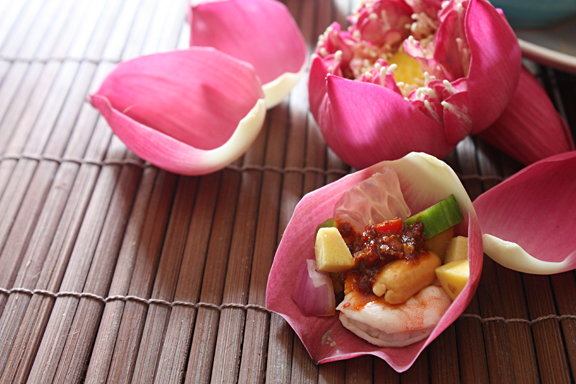

Yes, it is generally safe to eat certain parts of the lotus flower, particularly the seeds and rhizomes. The lotus plant, especially the species Nelumbo nucifera, is not only admired for its beauty but also utilized as a food source in many cultures. The seeds and roots have nutritional benefits and are often featured in Asian cuisine. However, caution should be exercised, as not all parts of the plant are edible, and there may be concerns regarding contaminants in wild plants.
Nutritional Benefits of Lotus Seeds
Lotus seeds are highly valued for their nutritional content. These seeds are a good source of protein, carbohydrates, and dietary fiber. They also contain essential minerals like potassium, magnesium, and phosphorus. Moreover, lotus seeds are known for their antioxidant properties, which can help in reducing the risk of chronic diseases.
- High in protein.
- Rich in dietary fiber.
- Contains beneficial antioxidants.
Edible Parts of the Lotus Plant
The lotus plant has several parts that can be consumed, with the most popular being the seeds, rhizomes, and young leaves. The seeds can be eaten raw or cooked, while the rhizomes can be sliced and added to soups or stir-fries. Young leaves may be used as wraps or in salads. It is essential to ensure that the parts consumed come from a safe and uncontaminated source.
- Lotus seeds: eaten raw or cooked.
- Rhizomes: used in soups and stir-fries.
- Young leaves: used in salads and as wraps.
Potential Risks of Consuming Wild Lotus
While cultivated lotus parts are generally safe, consuming wild lotus can pose risks. These plants may absorb toxins from polluted water, leading to contamination. Additionally, certain parts of the lotus are not edible and can cause digestive issues. It is crucial to source lotus from reliable and safe locations to avoid these health risks.
- Potential for chemical contamination.
- Some parts are inedible.
- Risks of digestive problems.
Cooking and Preparation Methods
Proper preparation and cooking are key to enjoying lotus products safely. The seeds should be rinsed before use to remove any residue, and rhizomes need to be peeled and cooked thoroughly. Various cooking methods can enhance the flavors of lotus, such as boiling, frying, or simmering in soups.
- Rinse seeds before consumption.
- Peel and cook rhizomes thoroughly.
- Utilize in various cooking methods for flavor enhancement.
Lotus Flower in Traditional Medicine
In addition to its culinary uses, the lotus flower has a longstanding tradition in traditional medicine. It is often used for its potential health benefits, including fostering calming effects, aiding digestion, and even improving heart health. While claiming these benefits may require further scientific validation, they reflect the plant's significance in various cultures.
- Used for calming effects.
- May aid digestion.
- Believed to improve heart health.
What are the effects of eating the lotus flower?
Eating the lotus flower, known scientifically as Nymphaea, can impart several beneficial effects on health. Traditionally used in various cultures, particularly in Asia, the lotus flower is consumed for its nutritional properties and medicinal benefits. Here are some of the notable effects of eating the lotus flower:
See also:
Nutritional Benefits of the Lotus Flower
The lotus flower is a source of essential nutrients and antioxidants that promote health. Consuming the flower can contribute to a balanced diet. Key nutritional benefits include:
- Rich in vitamins: The lotus flower is high in vitamins such as vitamin C and B-complex, which are crucial for various bodily functions.
- Low in calories: Its low-calorie content makes it an excellent choice for those aiming to maintain a healthy weight.
- High in fiber: The fiber content aids in digestion and helps in regulating blood sugar levels.
Medicinal Properties
The lotus flower is celebrated for its various medicinal properties, which have been recognized in traditional medicine systems like Ayurveda and Traditional Chinese Medicine. The consumption of lotus can provide:
- Anti-inflammatory effects: The flower contains compounds that can reduce inflammation, potentially benefiting conditions like arthritis.
- Antioxidant activity: Rich in antioxidants, it helps combat oxidative stress in the body and may lower the risk of chronic diseases.
- Supports mental health: Lotus extracts may have calming effects, which can alleviate stress and anxiety symptoms.
Effects on Heart Health
Incorporating the lotus flower into the diet can contribute positively to heart health. Here are some ways it can benefit the cardiovascular system:
- Reduces cholesterol levels: Certain components in the lotus flower are believed to help lower bad cholesterol (LDL) in the blood.
- Improves circulation: The flower can enhance blood flow, which is vital for maintaining a healthy heart.
- Regulates blood pressure: The consumption of lotus can help manage blood pressure levels, thus lowering the risk of heart disease.
Potential Benefits for Skin Health
Eating the lotus flower may provide various advantages for skin health, making it a popular ingredient in skincare formulations. The effects include:
- Hydration: The flower contains moisture-boosting properties, which can keep the skin well-hydrated.
- Anti-aging properties: Its antioxidant content may slow down the aging process by reducing the appearance of fine lines and wrinkles.
- Calms irritation: Lotus extracts can soothe irritated skin conditions, promoting a healthy complexion.
Impact on Blood Sugar Levels
Consuming the lotus flower can have a positive impact on blood sugar levels, making it particularly beneficial for individuals with diabetes. Key effects include:
- Regulates glucose levels: Lotus is believed to help lower blood sugar levels and improve insulin sensitivity.
- Aids in weight management: By supporting stable blood sugar levels, it can reduce cravings and promote healthy eating habits.
- Supports metabolic health: The fiber content in lotus may aid in better metabolic function and energy regulation.
Questions from Our Readers
Can you eat lotus flowers?
Yes, lotus flowers can be eaten, but it's usually the lotus root that is consumed rather than the petals themselves. The roots are often cooked in various dishes and can be enjoyed in salads, soups, or stir-fries due to their crunchy texture and mild flavor.
Are lotus flowers safe to eat?
Yes, lotus flowers are generally safe to eat as long as they are sourced from clean environments. However, it's important to ensure that they have not been treated with pesticides or chemicals, which can be harmful if ingested.
How are lotus flowers prepared for consumption?
Lotus flowers can be used in various ways; the petals can be added to salads for a decorative touch, while the roots can be sliced, boiled, or fried. Before consuming, they should be thoroughly washed and prepared to enhance their flavor and ensure safety.
See also:
What are the health benefits of eating lotus flowers?
Eating lotus flowers and roots can provide several health benefits, including being a good source of vitamins and minerals. They are low in calories, high in fiber, and may assist in improving digestion and boosting the immune system.

If you want to read more articles like Can You Eat Lotus Flowers? Exploring the Culinary Uses and Benefits, we recommend you check out our Flowers category.
Leave a Reply
Related Articles