Is it good to put coffee grounds around hostas? Benefits, Tips, and Best Practices Explained

Coffee grounds are often touted as a valuable addition to garden soil, but their specific benefits for hostas deserve closer examination. These lush, shade-loving perennials can thrive in a variety of conditions, and incorporating coffee grounds may enhance their growth and resilience. This article delves into the potential advantages of using coffee grounds around hostas, including improved soil structure, nutrient availability, and pest deterrence. We'll also provide practical tips and best practices for applying coffee grounds effectively, ensuring that your hostas not only survive but flourish in your garden. Discover how this common kitchen waste can boost your gardening efforts.
Is it Beneficial to Use Coffee Grounds Around Hostas?
Using coffee grounds around hostas can be advantageous, as they contribute valuable nutrients to the soil. Coffee grounds are rich in nitrogen, which is essential for plant growth, and they can also help improve soil structure by enhancing drainage and aeration. Additionally, they may attract beneficial earthworms that further enrich the soil. However, it is important to use coffee grounds in moderation, as excessive amounts can lead to an imbalance in soil acidity, potentially affecting the overall health of your hostas.
Nutrient Benefits of Coffee Grounds
Coffee grounds are a fantastic source of nitrogen, which plays a crucial role in the growth and development of hostas. Incorporating coffee grounds into the soil can help promote lush foliage and vibrant colors. Additionally, they contain other essential nutrients such as phosphorus and potassium, which contribute to root development and plant vigor. This makes coffee grounds a valuable addition to the nutrient content of the soil where hostas are planted.
Improving Soil Structure
By adding coffee grounds to the soil around hostas, gardeners can significantly enhance soil structure. The gritty texture of coffee grounds can improve drainage, preventing waterlogging that can lead to root rot. Furthermore, they can enhance aeration, allowing roots to access much-needed oxygen. This improvement in soil quality can create a healthier environment for hostas to thrive.
Attracting Beneficial Organisms
Coffee grounds can attract beneficial organisms like earthworms, which play a vital role in maintaining healthy soil. Earthworms help break down organic matter, leading to the formation of humus, a critical component of fertile soil. This process not only enriches the soil with nutrients but also helps retain moisture, creating a better growing environment for hostas and supporting their overall health.
Potential pH Imbalance
While coffee grounds can have numerous benefits, it's essential to be cautious about their potential impact on soil pH. Coffee grounds are typically slightly acidic, which means that excessive use could lower the soil's pH level too much for hostas, which prefer a balanced to slightly acidic pH. Monitoring the soil's acidity and using coffee grounds in moderation can help mitigate this risk.
Application Tips for Coffee Grounds
When using coffee grounds around hostas, it's best to apply them in thin layers rather than large quantities. A thin layer of about 1/4 to 1/2 inch can provide the desired benefits without overwhelming the plants. Mixing the grounds into the soil or using them as a top dressing is advisable to prevent clumping and ensure even distribution. As with any amendment, it’s important to observe the hostas for any signs of stress or nutrient imbalance after application.
| Benefit | Description |
|---|---|
| Nutrient Supply | Provides essential nitrogen and other nutrients. |
| Soil Structure | Enhances drainage and aeration. |
| Organism Attraction | Attracts beneficial earthworms. |
| pH Consideration | Potential to lower soil pH. |
| Application Method | Use in moderation as a thin layer. |
How to use coffee grounds around hostas?
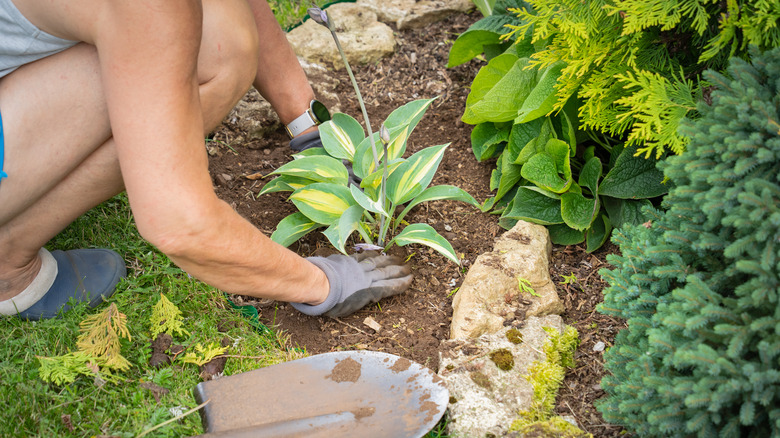
Using coffee grounds around hostas can be a beneficial gardening practice, as they provide nutrients and aid in soil health. Here’s how to effectively utilize coffee grounds in your hosta gardening efforts.
Benefits of Using Coffee Grounds
Coffee grounds are rich in nitrogen and other essential nutrients that support healthy plant growth. Some of the benefits include:
See also:
- Improved Soil Structure: Coffee grounds can help enhance soil aeration and drainage, allowing hostas to thrive.
- Nutrient Supply: They provide a slow-release source of vital nutrients, particularly nitrogen, which is important for foliage growth.
- Pest Deterrent: Coffee grounds may help repel certain pests and slugs, protecting your hostas from damage.
How to Apply Coffee Grounds
Applying coffee grounds around your hostas is simple and can be done in several ways:
- Direct Application: Sprinkle a thin layer of dry coffee grounds directly on the soil around the base of each hosta plant.
- Mixing into Soil: Integrate the coffee grounds into the soil to improve its structure and nutrient content during planting or as a top dressing.
- Composting: Add coffee grounds to your compost pile to accelerate decomposition and enrich the overall compost mix.
Optimal Amount to Use
Using the right amount of coffee grounds is key to ensuring your hostas benefit without adverse effects:
- Moderate Application: Use coffee grounds in moderation; a couple of cups per plant per month is generally sufficient.
- Avoid Overuse: Excessive coffee grounds can lead to soil acidity, which may not be suitable for all plants.
- Monitor Plant Responses: Regularly check the growth and color of your hostas to adjust your application rate as needed.
Timing for Application
The timing of coffee ground application can impact their effectiveness:
- Spring and Fall: Apply coffee grounds in early spring to support new growth or in the fall to prepare hostas for winter.
- After Rain: Consider applying coffee grounds after a rainstorm to take advantage of improved soil moisture.
- Avoid Hot Weather: Refrain from applying during extremely hot periods, as this can stress vulnerable plants.
Potential Drawbacks
While coffee grounds can be beneficial, there are some considerations to keep in mind:
- Acidity Levels: Coffee grounds are slightly acidic; monitor soil pH to ensure it remains suitable for hostas.
- Fungal Growth: In some cases, excessive moisture from wet coffee grounds can promote fungal growth.
- Pest Attraction: If not cleaned up well, used coffee grounds may attract insects or pests, so ensure to apply them neatly.
What plants cannot tolerate coffee grounds?

Coffee grounds are often regarded as a beneficial addition to compost and soil; however, not all plants thrive when exposed to them. The caffeine and certain compounds found in coffee grounds can be harmful to specific species. Here are some plants that cannot tolerate coffee grounds:
1. Acid-sensitive plants
Certain plants, particularly those that prefer alkaline or neutral soils, may struggle with the acidity introduced by coffee grounds. The following are examples:
- Lavender: Preferring well-drained, alkaline soils, lavender can suffer from the increased acidity caused by coffee grounds.
- Phlox: Similar to lavender, phlox does not appreciate acidic conditions and can exhibit stunted growth when exposed to coffee grounds.
- Hydrangeas (certain varieties): While some hydrangeas benefit from acidic soil, those that thrive in neutral pH levels may be negatively impacted.
2. Herbs that are sensitive
Some culinary herbs find the compounds in coffee grounds detrimental to their health. These include:
- Basil: Known for its love of warm, sunny environments, basil may not respond well to the additional acidity from coffee grounds.
- Rosemary: Preferring dry, well-drained soils, rosemary can be adversely affected by moisture-retaining coffee grounds.
- Sage: This herb thrives in alkaline soils and may become less vigorous when coffee grounds are introduced into the soil.
3. Vegetables with specific soil needs
Certain vegetables require balanced pH levels and may exhibit poor growth if coffee grounds are added to the soil. The following vegetables are examples:
- Carrots: Preferring neutral soil, the acidity from coffee may hinder their growth and sweetness.
- Potatoes: As tubers, they thrive in neutral to slightly acidic conditions, which can be altered negatively by coffee grounds.
- Onions: Onions prefer a more neutral pH level and may not tolerate the acidity introduced by coffee grounds.
4. Flowers that dislike coffee grounds
Some flowering plants do not respond favorably to the acidity of coffee grounds. Notable examples include:
See also:
- Asters: This perennial flower may suffer when exposed to coffee grounds, which alter the soil's pH towards acidity.
- Geraniums: While robust, they can be sensitive to soil conditions, particularly acidity.
- Marigolds: Although somewhat resilient, marigolds may see decreased vigor and bloom output when coffee grounds are mixed into their soil.
5. Fruits that can be negatively impacted
Certain fruit-bearing plants may be adversely affected by the addition of coffee grounds to their soil. Examples include:
- Strawberries: Prefer well-drained, slightly acidic soils; excess acidity from coffee grounds may damage root systems.
- Blueberries: While they like acidic environments, an overload of coffee grounds can be harmful, leading to nutrient leaching.
- Citrus trees: These trees prefer well-drained soils and may not thrive in overly moist, acidic conditions created by coffee grounds.
How do you keep hostas happy?

To keep hostas happy, it is crucial to focus on their specific needs regarding light, water, soil, and care. Here are several essential guidelines to ensure hostas thrive in your garden.
Light Requirements
Hostas thrive in shade to partial shade areas. While some varieties can tolerate full sun, excessive sunlight can lead to leaf scorch. Follow these tips to provide adequate lighting for your hostas:
- Identify the right location with minimal direct sunlight.
- Consider varieties that are better suited for sunnier spots if you have limited shaded areas.
- Monitor the plants during peak sunlight hours to ensure they don’t show signs of stress.
Watering Techniques
Proper watering is vital for the health of hostas. They prefer consistent moisture, but overwatering can lead to root rot. Here are effective watering techniques:
- Water deeply but infrequently, allowing the top layer of soil to dry out between waterings.
- Use mulch to retain soil moisture and prevent evaporation.
- Adjust watering frequency based on seasonal changes, ensuring they remain hydrated during hot, dry spells.
Soil Conditions
Hostas prefer well-draining, rich organic soil that retains some moisture. The soil quality directly impacts their growth and vitality. Follow these tips for optimal soil conditions:
- Incorporate compost or well-rotted manure into the planting area to enrich the soil.
- Ensure the soil pH is between 6.0 and 7.0 for best results.
- Consider raised beds or amend clay soils to improve drainage.
Fertilizing Schedule
Regular fertilization is essential to keep hostas robust and flourishing. The right type and timing of fertilizer can enhance growth. Here’s how to fertilize effectively:
- Apply a balanced, slow-release fertilizer in early spring as new growth emerges.
- Use an organic fertilizer to provide nutrients without the risk of chemical overload.
- Reassess the nutrient needs mid-season, as hostas benefit from an additional dose if growth appears sluggish.
Pest and Disease Management
Hostas can be susceptible to various pests and diseases, such as slugs, aphids, and root rot. Active management can prevent significant damage. Consider these management strategies:
- Regularly inspect plants for signs of pest infestation, such as holes in the leaves.
- Introduce natural predators like birds or use barriers to deter slugs.
- Practice good sanitation by removing fallen leaves and debris that can harbor diseases.
Questions from Our Readers
Is it beneficial to use coffee grounds around hostas?
Using coffee grounds around hostas can be beneficial as they provide nutrients like nitrogen, which helps promote healthy plant growth. Additionally, coffee grounds can improve soil drainage and aeration, creating a better environment for your hostas to thrive.
Do coffee grounds repel pests from hostas?
Yes, coffee grounds may help to repel certain pests such as slugs and snails, which are common threats to hostas. The texture of the coffee grounds can deter these pests from moving over them, although it may not be completely effective against all types.
See also:
How much coffee grounds should I use for hostas?
It's best to use coffee grounds in moderation when applying them to hostas, generally around one inch thick layer on the soil's surface. Too much can create a dense layer that may hinder water absorption and air circulation.
Can coffee grounds harm hostas in any way?
While coffee grounds generally provide nutrients, using them excessively or in combination with high-acid materials may harm hostas by making the soil too acidic. It's important to monitor the overall soil conditions to avoid any adverse effects.

If you want to read more articles like Is it good to put coffee grounds around hostas? Benefits, Tips, and Best Practices Explained, we recommend you check out our Hostas category.
Leave a Reply
Related Articles