What are the downsides of hostas? Understanding the Challenges of Growing Hostas in Your Garden

Hostas are a popular choice among gardeners for their lush foliage and adaptability to shaded areas. However, despite their many benefits, there are several downsides to consider when cultivating these plants. From susceptibility to pests and diseases to challenges in maintaining their vibrant appearance, growing hostas can present obstacles that may discourage even the most dedicated gardeners. Understanding these challenges is crucial for anyone looking to create a thriving hosta display. In this article, we will delve into the common issues associated with hostas and offer insights on how to navigate these hurdles effectively.
What are the Downsides of Hostas?
Although hostas are widely appreciated for their lush foliage and low maintenance requirements, they do come with several downsides that potential gardeners should consider. One of the main issues is their susceptibility to pests, particularly slugs and snails, which can cause significant damage to the leaves. Additionally, hostas thrive in shaded areas but may not perform well in extreme heat or drought, leading to wilting or brown spots on the leaves. Furthermore, their roots can become tangled and overcrowded if not properly managed, requiring periodic division. Some gardeners also note that while hostas have a robust growth habit, they can take several years to reach their full potential size, which may not suit those looking for instant gratification in their gardens.
Susceptibility to Pests
Hostas are prone to a variety of pests that can significantly affect their health and appearance. Slugs and snails are among the most common culprits, as they are attracted to the moist environments where hostas thrive. These pests feed on the leaves, resulting in unsightly holes and damage. Additionally, hostas can also be affected by aphids, which can sap the plant's strength, leading to yellowing leaves. Regular monitoring and integrated pest management strategies are essential to protect these valuable plants.
Stress in Hot, Dry Conditions
While hostas prefer shade, they are not entirely invulnerable to adverse weather conditions. During periods of extreme heat or drought, hostas may struggle to maintain their lush appearance, leading to curled or scorched leaves. Although they can tolerate some sun, excessive heat can be detrimental, particularly for varieties that are not heat-tolerant. Providing adequate moisture and occasional shade during peak sunlight hours can help mitigate these stress factors.
Root Crowding
Over time, hostas can become root-bound due to their tendency to grow and spread. This overcrowding can lead to a decrease in overall plant health and vigor since the roots may struggle for space and nutrients in the soil. If left unchecked, this can stunt the plant's growth and result in decreased flowering or leaf variegation. To ensure prolonged health, it is advisable to divide mature hostas every three to five years, giving them room to thrive.
Slow Growth Rate
One notable downside of hostas is their slow growth rate, especially in the initial years after planting. While these perennial plants can ultimately reach impressive sizes, they often take several years to establish themselves. For gardeners seeking quicker results or immediate garden impact, hostas may prove somewhat disappointing. Fostering patience and understanding the long-term beauty they can offer is crucial for those integrating these plants into their landscapes.
Limited Color Variety
While hostas are celebrated for their stunning foliage, the options in terms of flower color can be quite limited. Most hostas produce white or lavender flowers that, although attractive, may not provide the same vivid color palette found in other perennial plants. This can result in a less dynamic garden design if hostas are the primary plant chosen. To enhance color diversity, gardeners might consider complementing hostas with other flowering perennials that offer more vibrant blooms.
| Downside | Description |
|---|---|
| Susceptible to Pests | Attracts slugs and snails that can damage leaves. |
| Stress in Hot, Dry Conditions | May wilt or suffer leaf scorch in extreme heat. |
| Root Crowding | Can become root-bound, requiring periodic division. |
| Slow Growth Rate | May take several years to reach full potential size. |
| Limited Color Variety | Predominantly white or lavender flowers. |
What are the cons of hostas?
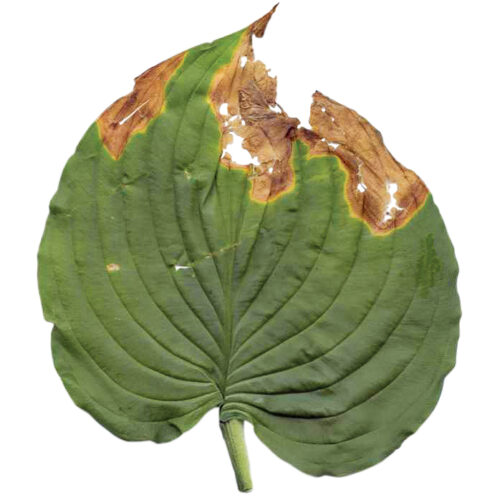
Hostas are popular perennial plants prized for their lush foliage and shade tolerance. However, they come with a few drawbacks that may influence a gardener's decision to include them in their landscape. Here are some of the cons associated with hostas:
Vulnerability to Pests
Hostas are particularly susceptible to various pests, which can significantly affect their health and appearance. The most common pests include:
See also:
- Slugs and Snails: These creatures are notorious for feasting on the tender leaves of hostas, creating unsightly holes and damage.
- Thrips: These small insects can cause discoloration and distortion of leaves, leading to a decline in plant vitality.
- Deer and Rabbits: In certain areas, these herbivores may snack on hostas, further reducing the aesthetic appeal of the garden.
Susceptibility to Diseases
Hostas can be prone to several diseases that can lead to serious health issues for the plants. Some of these diseases include:
- Powdery Mildew: A fungal disease that results in a white, powdery substance on leaves, reducing photosynthesis and weakening the plant.
- Root Rot: Caused by overwatering or poorly-drained soil, this disease can lead to the death of the plant.
- Leaf Spot: This can cause unsightly brown spots on leaves, which may eventually lead to leaf drop.
Limited Flowering
While hostas are mainly grown for their foliage, their flowers may not be the primary attraction for many gardeners. This limitation includes:
- Inconspicuous Flowers: The flowers of most hostas are pale purple or white, which may not stand out in the garden.
- Short Flowering Period: The bloom time is relatively short compared to other flowering plants, which may cause a lack of extended visual interest.
- Foliage Overflowers: The large leaves often overshadow the flowers, making them less noticeable, which can detract from the overall design of a garden.
Space Requirements
Hostas can require considerable space in the garden, leading to challenges in garden planning. Some considerations are:
- Large Growth Habit: Many hostas grow wide and can quickly fill up space, putting pressure on nearby plants.
- Maintenance Space: Sufficient room is needed for maintenance tasks, such as watering or pest control.
- Invasive Growth: Some hostas can spread aggressively, potentially taking over areas of the garden without proper management.
Seasonal Dormancy
Another con of hostas is their dormancy during the winter months, which can affect garden aesthetics. Important points include:
- Leaf Dieback: Hostas will die back to the ground in fall, leaving bare spots in the garden during winter.
- Seasonal Garden Design: The lack of foliage can disrupt the visual continuity of a garden designed for year-round interest.
- Delayed Spring Growth: In cooler climates, hostas may take time to emerge in spring, which can lead to less immediate greenery in the garden.
What not to plant next to hostas?
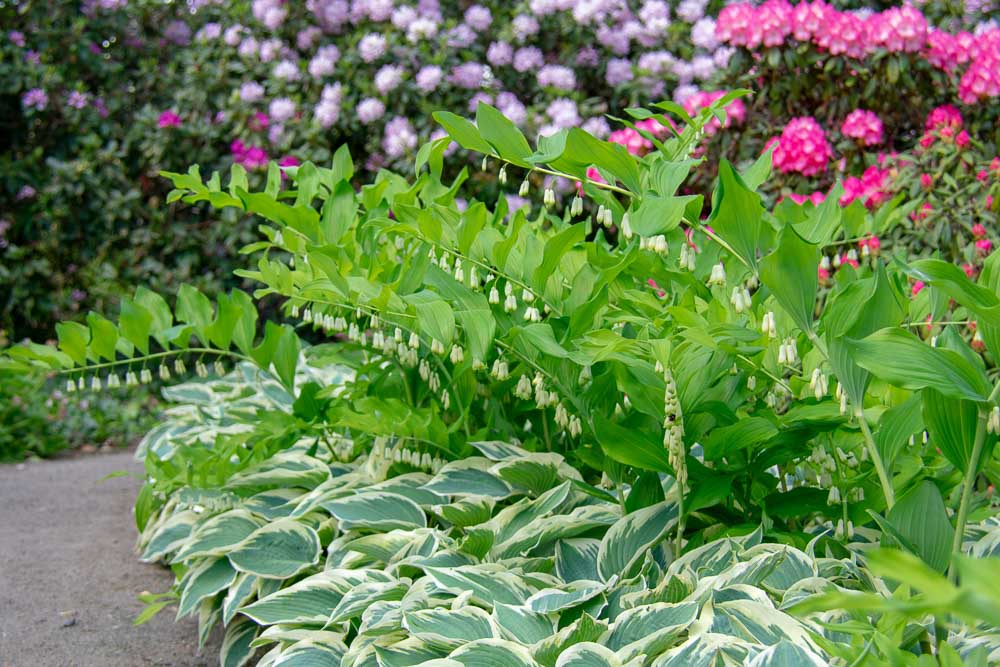
Hostas are popular shade-loving plants known for their lush foliage and ability to thrive in various conditions. However, it's essential to consider plant compatibility in order to maintain a healthy garden environment. Here are some plants and groups that should not be planted next to hostas.
Invasive Plants
Invasive plants can compete for resources, ultimately harming your hostas. Some examples of invasive species include:
- Bamboo: This plant can spread aggressively and overshadow hostas.
- Mint: Known for its rapid growth, mint can take over the space and dominate the area where hostas are planted.
- English ivy: While it seems decorative, it can choke out hostas and other plants.
Aggressive Perennials
Certain perennials have strong growth habits, making them poor companions for hostas. Avoid planting the following:
- Daylilies: They can spread quickly, stealing nutrients and space from hostas.
- Astilbe: While they prefer similar conditions, they can overshadow hostas due to their height.
- Geraniums: They have a vigorous growth habit and may restrict the sunlight and resources that hostas need.
Plants with High Water Needs
Hostas thrive in well-drained soil but do not require excessive moisture. Be cautious of these plants:
- Pond lilies: Requiring constant wetness, they can create soggy conditions detrimental to hostas.
- Butterbur: This plant thrives in wet areas, which may lead to over-saturation of hosta roots.
- Japanese iris: Although beautiful, they prefer wetter environments, conflicting with hosta care needs.
Plants with Similar Nutrient Requirements
Some plants have similar nutrient needs, which can lead to competition. Avoid pairing hostas with:
See also:
- Ferns: They may compete for the same nutrients, potentially leading to nutrient depletion in the soil.
- Hydrangeas: They can absorb nutrients quickly, limiting what hostas can access.
- Foxgloves: These plants have a high nutrient requirement that may inhibit healthy hosta growth.
Heavy Feeders
Certain plants, known as heavy feeders, consume a lot of nutrients from the soil, which can negatively affect your hostas. Consider avoiding:
- Tomatoes: They require significant nutrients, leading to competition that hostas may not endure.
- Cabbages: These leafy greens deplete the soil of essential nutrients, which can affect hostas adversely.
- Peppers: Similar to tomatoes, they are heavy feeders that can monopolize beneficial soil components.
Do hostas attract anything?
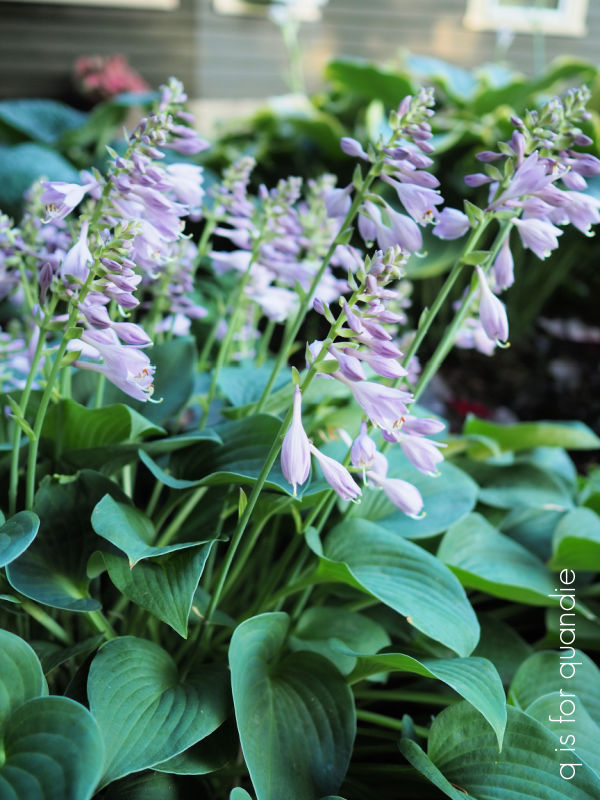
Hostas are popular plants known for their lush foliage and shade tolerance. They can attract a variety of insects and animals, with some beneficial while others may cause issues. Here’s a detailed look at what hostas attract.
Attraction to Pollinators
Hostas are known to attract various pollinators, especially when they are in bloom. Their flowers, which can range in color from white to purple, are particularly appealing to bees and butterflies.
- Bees: Many species of bees are drawn to the nectar produced by hosta flowers, playing a crucial role in pollination.
- Butterflies: These insects are often seen fluttering around hostas, attracted by the bright blooms during the summer months.
- Hummingbirds: Some hosta varieties may also attract hummingbirds, especially the ones with larger and more colorful flowers.
Potential Pests
While hostas can attract helpful pollinators, they are also prone to pests. Certain insects can be problematic for these plants.
- Slugs and Snails: These are notorious for munching on hostas, especially in moist conditions, leading to significant foliar damage.
- Japanese Beetles: These beetles are known to skeletonize the leaves of hostas, making them less attractive.
- Leafcutter Bees: While they can aid in pollination, they may also cause damage by cutting circular holes in the leaves.
Deer and Other Mammals
Hostas are often a target for larger animals such as deer and rabbits, who may not find them toxic.
- Deer: These animals are known to browse on hostas, especially in gardens that lack other food sources.
- Rabbits: Like deer, rabbits find hostas palatable and may cause significant damage if their population is large in an area.
- Groundhogs: These creatures may also be drawn to hostas, and their burrowing activities can disturb the plants' root systems.
Beneficial Insects
Some insects that are attracted to hostas can actually be beneficial to the garden ecosystem.
- Lacewings: These insects feed on aphids and other pests, helping control unwanted populations.
- Ladybugs: Similar to lacewings, ladybugs are known for their voracious appetite for aphids.
- Predatory Wasps: These wasps can help keep pests in check by preying on caterpillars and other harmful insects.
Companion Planting Considerations
When considering hostas, it's essential to be aware of what plants they are compatible with in a garden setting.
- Companion Plants: Plants like ferns and astilbes do well alongside hostas, creating a diverse and appealing environment.
- Avoiding Certain Plants: Be mindful of plants like mint that can outcompete hostas for nutrients and space.
- Creating Habitat: Pairing hostas with flowering plants can attract more pollinators and beneficial insects to your garden.
Questions from Our Readers
What are the common pests that affect hostas?
Hostas are vulnerable to several pests, with slugs and snails being the most notorious. These creatures can cause significant damage by consuming the leaves and creating large holes. Additionally, aphids and spider mites may also infest hostas, leading to unhealthy plants and potentially impacting their overall appearance.
Do hostas require a lot of maintenance?
While hostas are generally low-maintenance plants, they do require some care to thrive. This includes regular watering to keep the soil moist and occasional fertilization during the growing season. However, they may become quite messy in the fall as their leaves die back, necessitating some cleanup after the growing season ends.
See also:
How susceptible are hostas to diseases?
Hostas can be prone to a variety of diseases, including fungal infections like powdery mildew and crown rot. These conditions can compromise the health of the plant and require prompt intervention, such as removing affected leaves or applying fungicides. Keeping hostas in a well-drained area can help minimize the risk of disease.
Can hostas tolerate direct sunlight?
Most hostas prefer partial to full shade, making them ill-suited for direct sunlight. Exposure to too much sun can lead to scorched leaves and a decline in overall health. It is important to select a location with the appropriate light conditions to ensure that hostas grow successfully.
If you want to read more articles like What are the downsides of hostas? Understanding the Challenges of Growing Hostas in Your Garden, we recommend you check out our Hostas category.
Leave a Reply
Related Articles