Will Hostas Grow Back After Being Eaten? Everything You Need to Know

Hostas are beloved perennials known for their lush foliage and resilience in the garden. However, when the leaves are munched on by hungry pests or wildlife, many gardeners worry about their plants’ recovery. Understanding whether hostas will grow back after being eaten is crucial for effective garden management. In this article, we will explore the regrowth potential of hostas following damage, tips for encouraging healthy recovery, and methods to protect these beautiful plants from future nibbling. Whether you're a seasoned gardener or new to hostas, you'll find valuable insights to help your plants thrive despite their challenges.
Will Hostas Grow Back After Being Eaten?
Hostas are known for their lush foliage, but they can often fall victim to herbivores such as deer and slugs. Fortunately, if hostas are eaten, they can have a remarkable ability to grow back. After being damaged, these resilient plants typically focus on rejuvenating their leaves and stems, especially if the roots remain intact and healthy. The extent of the recovery can depend on how much of the plant has been consumed; in mild cases, hostas may sprout new growth within the same growing season. Maintaining proper care, including watering and fertilization, can further support their recovery, allowing hostas to thrive even after being eaten.
Factors Affecting Hostas Recovery
Several factors can influence the recovery of hostas after being eaten. The degree of damage is crucial; if the roots are not harmed, hostas are more likely to bounce back. Additionally, the plant's health prior to being eaten—such as its overall vigor and nutritional status—can impact its ability to regenerate. Environmental conditions, including sunlight, moisture levels, and soil quality, also play a significant role in how quickly and effectively the hostas can recover.
Best Care Practices for Recovering Hostas
To enhance the recovery of hostas that have been eaten, it's important to follow best care practices. Regular watering is essential, especially during dry spells, to help support new growth. Applying a balanced fertilizer can provide necessary nutrients that will aid in the regeneration of foliage. Furthermore, ensuring the hostas receive adequate sunlight while protecting them from further herbivore attacks through barriers or repellents can significantly boost their chances of full recovery.
Potential for Further Damage
After hostas have been eaten, there is a risk of further damage from pests or environmental stresses. Animals may return to a previously visited plant due to its diminished defenses, while competition from weeds could hamper its recovery efforts. Keeping the surrounding area well-maintained can help reduce these risks. Additionally, monitoring for signs of diseases or pests after the initial damage ensures a timely response to protect the health of the hostas.
Timing of New Growth for Hostas
Typically, hostas can start to produce new growth within a week or two after being eaten, as long as the conditions are favorable. Timing can vary depending on the climate and the plant’s health; in warmer conditions, growth may resume more quickly. Understanding the specific growing habits of different hosta varieties can also provide insight into when one might expect to see new foliage emerging.
Table of Hostas Recovery Timeline
| Damage Level | Recovery Time | Expected New Growth |
|---|---|---|
| Minor (1/4 eaten) | 1-2 weeks | New shoots and leaves |
| Moderate (1/2 eaten) | 2-4 weeks | Significant new foliage |
| Severe (more than 1/2 eaten) | 4-8 weeks | Slow recovery, but possible |
Will hostas regrow if eaten?

Hostas, known for their lush foliage and vibrant leaves, are often regarded as a favorite in many gardens. However, when they are eaten—whether by animals or human hands—the question arises: will they regrow? The short answer is yes, hostas can regrow after being eaten, but the extent of regrowth largely depends on how much of the plant was consumed and the time of year when the damage occurs.
See also:
When hostas are eaten, they can regenerate from the remaining roots and underground rhizomes. If only a portion of the leaves is consumed, the plant can photosynthesize and continue to grow. However, if significant portions of the plant, including the crown and roots, are removed, recovery may be stunted or even impossible. Generally, hostas are resilient and can bounce back, particularly when environmental conditions are favorable.
Factors Affecting Regrowth
The regrowth of hostas after being eaten can depend on several key factors:
- Time of Year: Hostas are more likely to recover if they are eaten during the growing season, particularly in spring or early summer.
- Severity of Damage: If only a few leaves are consumed, the plant has a better chance of survival compared to significant damage to the roots.
- Environmental Conditions: Adequate moisture, sunlight, and nutrients can encourage faster regrowth.
Recovery Process
Once a hosta is eaten, the recovery process can indeed commence:
- Photosynthesis Activation: Remaining leaves can still perform photosynthesis, providing energy for the plant's recovery.
- Root Regeneration: Hostas can draw upon their stored energy in the roots to support new growth.
- Production of New Shoots: New leaves and shoots may emerge from the crown or remaining portions of the plant.
Strategies to Promote Regrowth
To enhance the chances of successful regrowth, consider implementing certain strategies:
- Proper Watering: Ensure that hostas receive adequate water, especially after experiencing damage.
- Fertilization: Applying a balanced fertilizer can supply necessary nutrients for recovery.
- Protection from Further Damage: Fencing or repellents may prevent additional feeding by animals.
Animal Impact on Hosta Plants
The impact of animals on hosta plants can significantly influence regrowth. Different animals have varied feeding behaviors and preferences:
- Deer: These animals may consume entire leaves, leading to greater damage and a prolonged recovery time.
- Slugs and Snails: These pests typically eat portions of leaves, often allowing hostas to recover more easily.
- Bunnies: They may nibble on the edges of leaves; regrowth is often possible if the main body remains intact.
Hosta Resilience
Hostas are inherently resilient plants, making them popular among gardeners. Their ability to regrow stems from unique characteristics:
- Extensive Root Systems: Strong roots help support longevity and recovery irrespective of surface damage.
- Adaptability: Hostas can thrive in various conditions, enabling them to recover from a range of adverse situations.
- Natural Dormancy: Hostas can go dormant in unfavorable conditions but still revive when circumstances improve.
Will damaged hostas grow back?
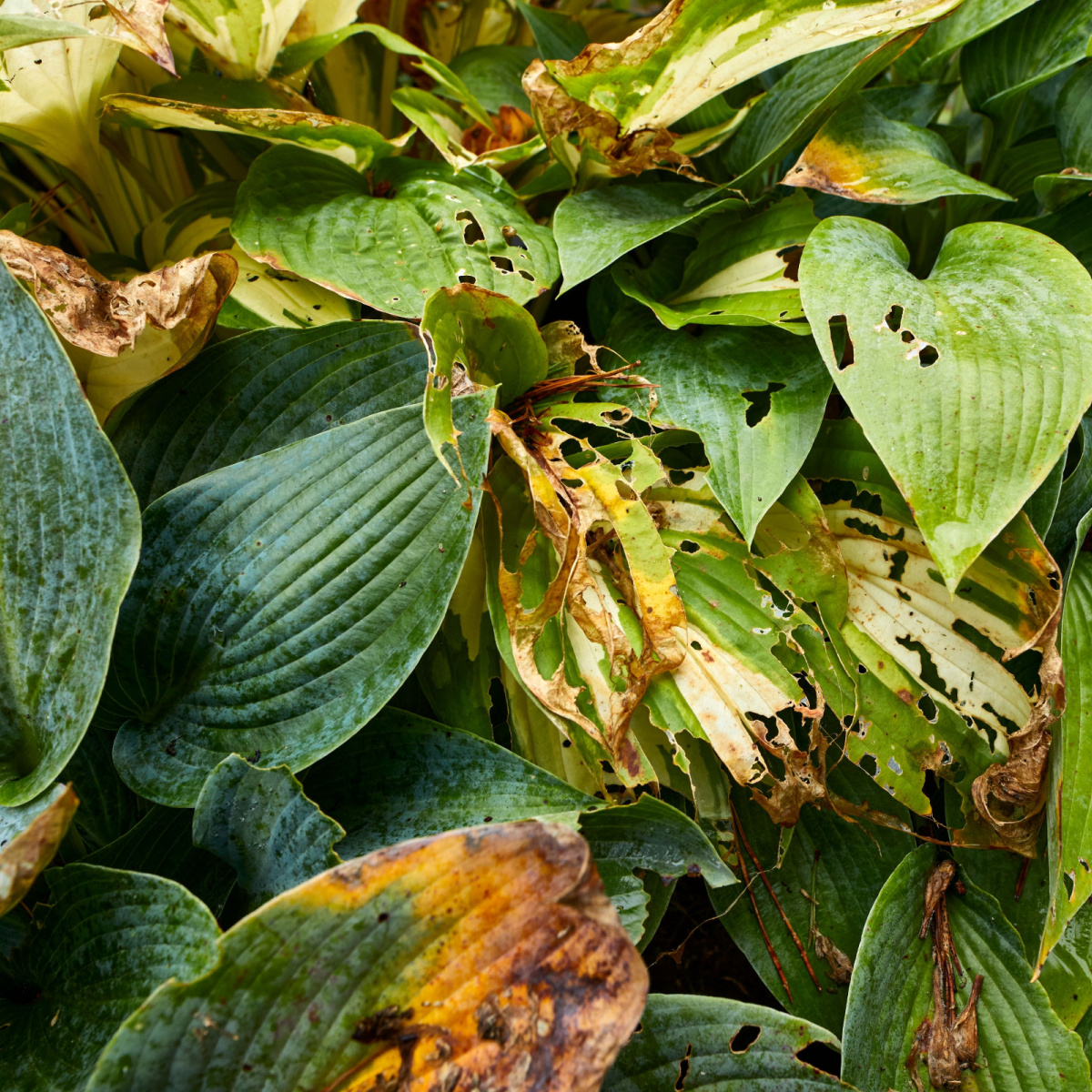
Damaged hostas can potentially grow back, depending on the extent of the damage and the care provided after the incident. When hostas are affected by environmental stressors such as pests, disease, or unfavorable weather conditions, their ability to recover hinges on several factors. If the plant's root system remains healthy and sufficient foliage is intact, there's a good chance that new growth will emerge in the following season.
See also:
Understanding Hostas' Resilience
Hostas are known for their adaptability and resilience in various conditions. Their robust nature allows them to bounce back from damage if the following conditions are met:
- Root Health: The roots must be in good condition, accessing nutrients and water.
- Environmental Factors: They need optimal light, soil, and moisture.
- Pruning: Damaged leaves should be trimmed to allow for new growth.
Signs of Recovery in Damaged Hostas
When hostas are starting to recover, specific indicators suggest they are bouncing back. Look for the following signs:
- New Growth: Fresh leaves emerging from the base.
- Color Change: A return to vibrant green hues indicates health.
- Root Development: Established roots in the soil promote new growth.
Care Tips for Encouraging Recovery
To support the recovery of damaged hostas, certain care practices can make a substantial difference. Consider implementing these tips:
- Watering: Ensure adequate moisture without waterlogging the roots.
- Fertilization: Use a balanced fertilizer to promote health.
- Mulching: Apply mulch to retain soil moisture and suppress weeds.
Pest Management for Healthy Hostas
A healthy hosta is less susceptible to damage from pests. Effective pest management strategies include the following steps:
- Regular Inspection: Check plants routinely for any signs of infestation.
- Natural Predators: Introduce beneficial insects that prey on common pests.
- Organic Treatments: Use insecticidal soaps or neem oil as needed for treatment.
Timing for Recovery
Understanding the timing for hosta recovery is crucial, as it correlates to the growing season. Recovery timelines can vary:
- Spring Growth: Watch for signs of recovery as temperatures warm.
- Seasonal Changes: Hostas may take a full season to return to vitality.
- Patience Required: Plants often need time and consistent care to flourish again.
Questions from Our Readers
Will hostas grow back after being eaten?
Yes, hostas can grow back after being eaten, especially if the plants are healthy and have a strong root system. While they may suffer some visible damage and might take time to recover, most hostas have the ability to regenerate their foliage as the growing season continues.
How quickly do hostas recover after being eaten?
The recovery time for hostas can vary, but typically, you might see new growth within a few weeks to a couple of months after the damage occurs. The extent of recovery depends on the severity of the damage and the health of the plant.
Should I take any special care of hostas that have been eaten?
If your hostas have been eaten, it's beneficial to provide them with adequate water and possibly a balanced fertilizer to help them recover. Additionally, removing any heavily damaged leaves can redirect the plant's energy toward new growth.
See also:
What can I do to prevent hostas from being eaten again?
To prevent hostas from being eaten again, consider using natural deterrents like repellents or introducing companion plants that pests dislike. Additionally, keeping the garden clean and free of debris can discourage animals that may feed on your hostas.

If you want to read more articles like Will Hostas Grow Back After Being Eaten? Everything You Need to Know, we recommend you check out our Hostas category.
Leave a Reply
Related Articles