10 Expert Tips on How to Make Hostas Grow Huge?

Hostas are a popular choice for shade gardens, prized for their lush foliage and diverse colors. However, many gardeners struggle to achieve the impressive size and vitality these plants are capable of. Understanding the best practices for nurturing hostas can transform your garden into a vibrant oasis. In this article, we will explore ten expert tips that can help you cultivate larger, healthier hostas. From optimal soil conditions to effective watering strategies, these insights will equip you with the knowledge to unlock the full potential of your hostas, ensuring they thrive and become the centerpiece of your landscape.
Tips for Growing Large Hostas
To make hostas grow huge, it is essential to provide them with the right growing conditions, which include selecting an optimal location with adequate shade, enriching the soil with organic matter, and ensuring consistent moisture while avoiding overwatering. Hostas thrive in rich, well-draining soil that retains moisture but does not become waterlogged. Additionally, the use of fertilizers specifically designed for foliage plants can support strong growth. Regularly mulching helps to conserve moisture and suppress weeds, giving the hostas the energy they need to expand and flourish, ultimately leading to larger leaves and a more substantial presence in your garden.
Choosing the Right Location
Selecting a proper location is crucial for the growth of hostas. These plants prefer shaded or partially shaded areas as they are native to woodland environments. Direct exposure to strong sunlight can scorch the leaves and inhibit growth. Look for spots in your garden that receive filtered sunlight or dappled shade to create the ideal microclimate where hostas can reach their full potential.
Soil Preparation
Hostas require rich, loamy soil that is rich in organic matter. Before planting, amend the soil with compost or well-rotted manure to enhance its texture and nutrient content. This nutrient-rich environment fosters healthy root systems, which are essential for the uptake of water and nutrients. Additionally, ensuring good drainage will prevent root rot and allow hostas to thrive.
Watering Techniques
Consistent and appropriate watering is vital for the growth of large hostas. They prefer moist but not soggy soil, so it is important to monitor their moisture levels, especially during dry spells. A good rule of thumb is to water deeply once a week, allowing the soil to dry slightly between waterings. Using a soaker hose or drip irrigation can help maintain consistent soil moisture without over-saturating the plants.
Fertilization Practices
Fertilizing hostas is essential for enhancing their size and overall health. A balanced, slow-release fertilizer applied in early spring can provide the necessary nutrients to support vigorous growth. Look for fertilizers high in nitrogen, which encourages lush leaf development. Side-dressing with organic materials like compost throughout the growing season can also provide additional nutrition.
Mulching Benefits
Applying a layer of mulch around the base of the hostas improves moisture retention, suppresses weeds, and regulates soil temperature. Organic mulches like shredded bark or pine needles not only enhance the aesthetic of the garden but also decompose over time, adding more nutrients to the soil. This overall benefit contributes to the health and size of your hostas as they absorb the necessary resources effectively.
| Aspect | Recommendation |
|---|---|
| Location | Partial shade |
| Soil Type | Rich, loamy soil |
| Watering Frequency | Once a week deeply |
| Fertilization | Balanced, slow-release fertilizer |
| Mulch Type | Organic shredded bark or pine needles |
How can I get my hostas to grow bigger?

To encourage your hostas to grow bigger, it is essential to provide the right conditions and care for these shade-loving plants. Here are some effective strategies to help them thrive.
Soil Quality
The quality of soil plays a crucial role in the growth of hostas. They prefer rich, well-draining loamy soil that retains moisture but also provides adequate drainage.
See also:
- Test your soil to ensure it is nutrient-rich and has a pH between 6.0 to 7.5.
- Add organic matter such as compost or well-rotted manure to improve soil fertility.
- Avoid compacted soil by loosening it with a garden fork, allowing roots to expand more easily.
Proper Watering Techniques
Hostas require consistent moisture to grow larger. Both overwatering and underwatering can lead to stunted growth.
- Water your hostas deeply and regularly, especially during hot, dry periods, to keep the soil moist.
- Use mulch to retain moisture and regulate soil temperature, preventing evaporation.
- Check the soil moisture by inserting your finger; water if the top inch is dry.
Optimal Light Conditions
While hostas are shade plants, the amount of light they receive directly affects their growth rate.
- Place hostas in partial shade, as too much sun can scorch their leaves and stunt growth.
- Avoid deep shade where sunlight rarely penetrates, as this can lead to weak, leggy plants.
- Some varieties can tolerate more sun; research specific types for sunlight preferences.
Nutrient Management
Providing the right nutrients can significantly enhance the size of your hostas.
- Fertilize in early spring with a balanced, slow-release fertilizer high in potassium to promote robust growth.
- Consider a specialized hosta fertilizer that contains micronutrients for optimal development.
- Apply fertilizer according to package instructions to avoid over-fertilization, which can harm the plants.
Dividing and Spacing
Dividing your hostas can encourage healthier growth by reducing competition for resources.
- Divide hostas every 3 to 5 years during early spring or fall when they are dormant.
- Ensure proper spacing of at least 2-3 feet apart to allow enough room for roots to expand.
- Replant divisions in rich soil with adequate sunlight and moisture to promote vigorous growth.
Why are my hostas staying so small?
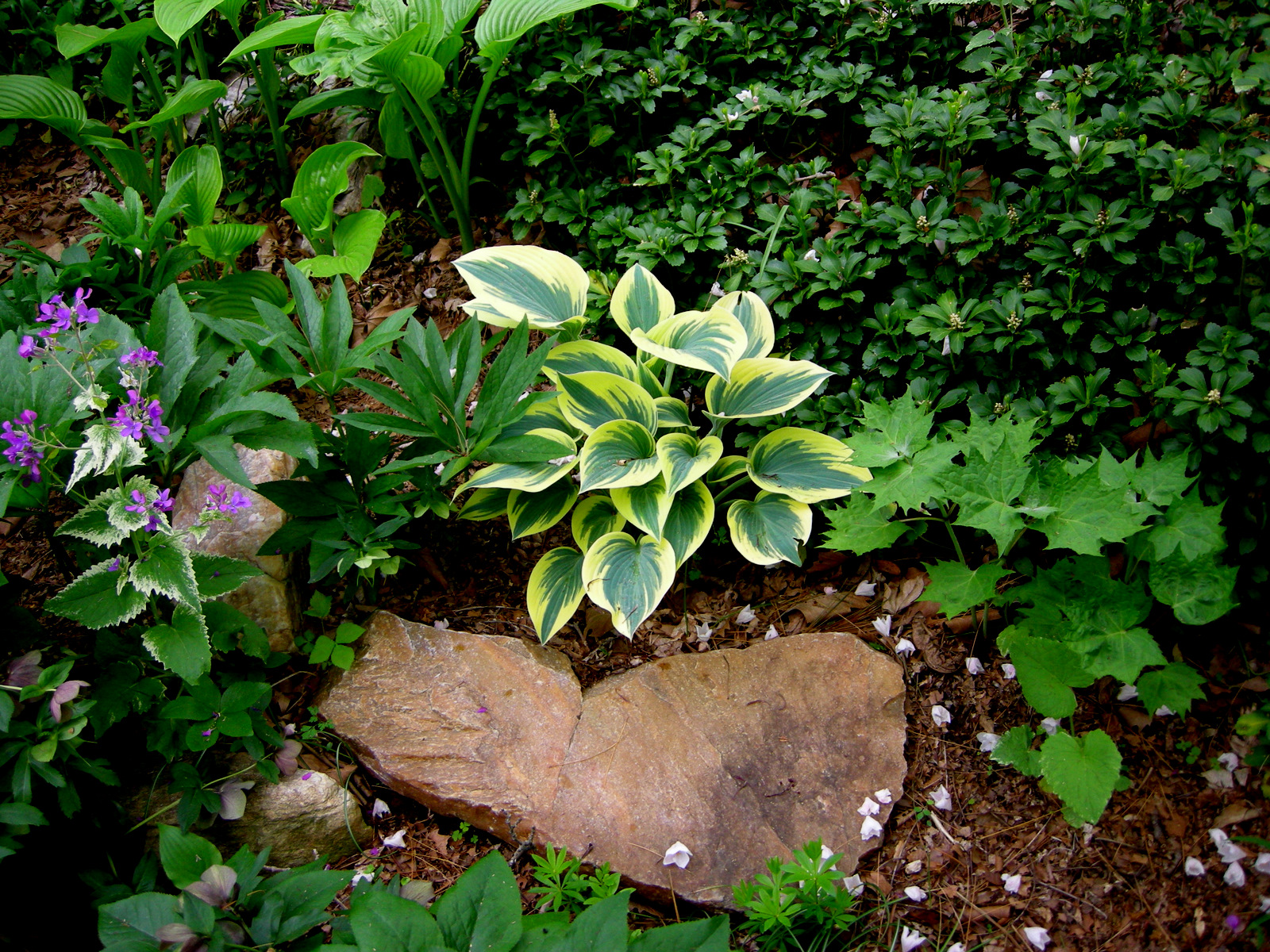
The issue of why your hostas are remaining small can stem from multiple factors related to their growing conditions, care, and environmental influences. Below are detailed explanations of these aspects and their potential effects on the health and growth of your hostas.
Growing Conditions
Hostas thrive in specific growing conditions that cater to their needs. If these conditions are not met, they may not grow to their full potential.
- Soil Quality: Hostas prefer rich, well-draining soil with organic matter. Poor soil can hinder their growth.
- Sunlight Exposure: These plants are adapted to shade; too much direct sunlight can stress them and stunt growth.
- Watering Practices: Inadequate watering can cause stress. Hostas need consistent moisture, especially during their growing season.
Environmental Factors
Environmental factors play a significant role in the health and size of hostas. Variations in climate and local conditions can affect their growth.
- Climate: Hostas are generally more suited for temperate climates. Extreme heat or cold can affect their development.
- Competing Plants: Nearby plants that compete for nutrients and water can limit the resources available to hostas.
- Pests and Diseases: Pests like slugs or diseases can weaken plants and inhibit their growth.
Plant Care Practices
Plant care practices are essential for the overall health of your hostas. Neglect or improper techniques can result in stunted growth.
- Fertilization: Insufficient nutrients can lead to poor growth. Hostas often benefit from a balanced, slow-release fertilizer.
- Pruning and Division: Lack of pruning can lead to overcrowding, while not dividing them regularly can lead to smaller plants.
- Mulching: Applying mulch can help retain soil moisture and regulate temperature, which are vital for healthy growth.
Varietal Characteristics
Understanding the varietal characteristics of your hostas is important as not all varieties grow to the same size.
See also:
- Size Expectations: Different hosta varieties have different growth potentials. Some are naturally smaller than others.
- Growth Rate: Some hostas have a slower growth rate and may take longer to reach their full size.
- Seasonal Behavior: Hostas may also spread slowly in their first year, focusing on root development before showing significant above-ground growth.
Soil pH Levels
Soil pH levels can greatly influence your hostas' ability to absorb nutrients, which directly affects their growth.
- Optimal pH Range: Hostas prefer slightly acidic to neutral soil (pH 6.0 to 7.0) for optimal growth.
- Nutrient Availability: Extreme pH levels can limit the availability of essential nutrients needed for growth.
- Soil Amendments: Regular testing and amending soil pH can help in maintaining a suitable environment for hostas.
What can I put on hostas to make them grow?
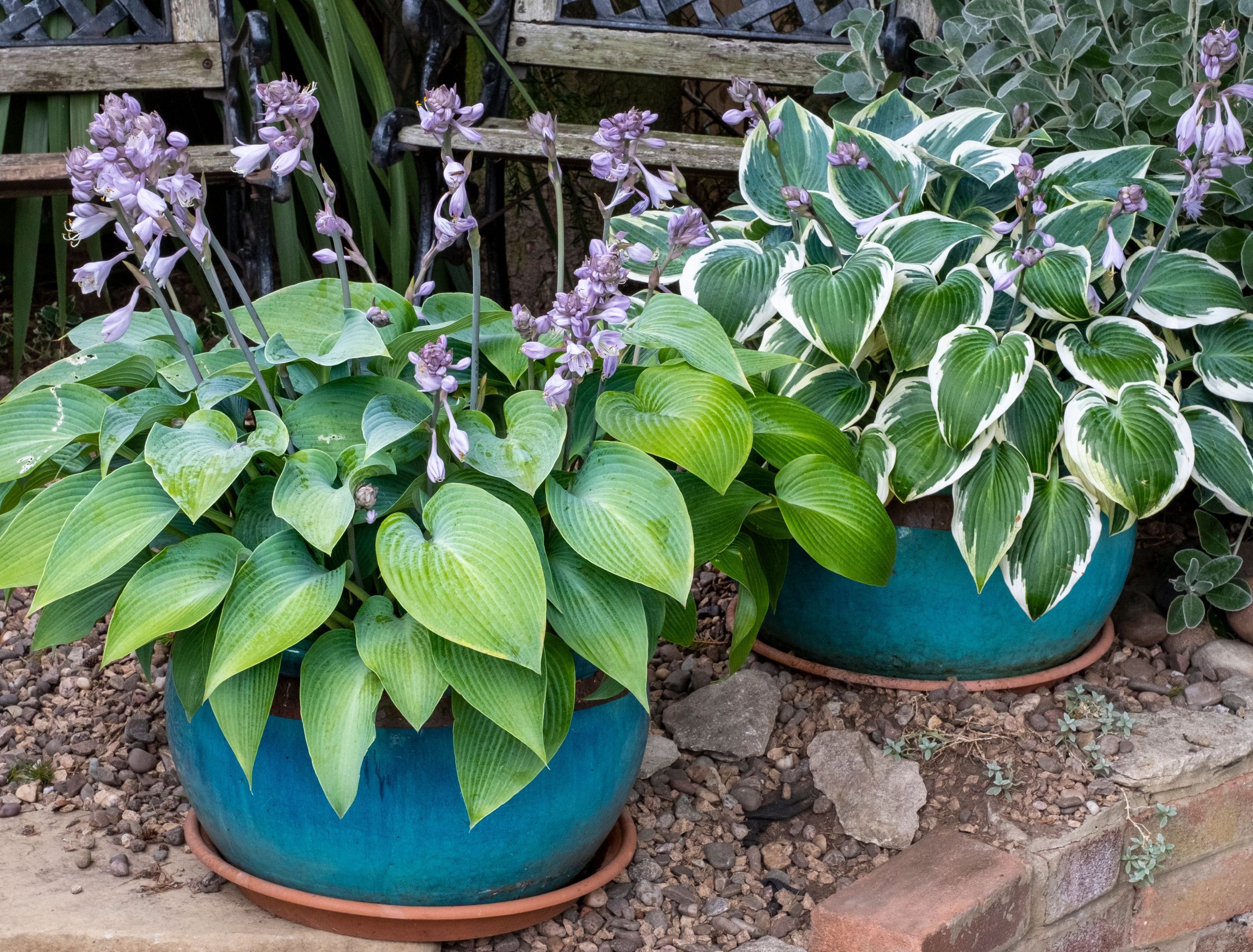
To promote the growth of hostas, several strategies and amendments can be used. Hostas thrive in well-draining soil that retains moisture and are typically found in shaded areas, so enhancing their environment is crucial for optimal growth. Here are some approaches you can take:
Soil Composition
The first step to ensuring healthy hostas is to amend the soil. Incorporating organic matter can significantly improve soil structure, drainage, and fertility. Here are key components you might consider:
- Compost: Adding well-rotted compost enriches the soil with nutrients and enhances moisture retention.
- Pine Bark Mulch: This helps in maintaining soil moisture levels while improving drainage.
- Peat Moss: Incorporating peat moss boosts the soil's organic content and aids in retaining moisture.
Fertilizers for Hostas
Using fertilizers strategically can provide essential nutrients to stimulate growth and improve foliage quality. It's best to choose a balanced fertilizer. Consider these options:
- Slow-Release Fertilizer: This provides a steady supply of nutrients over time, supporting consistent growth.
- Liquid Fertilizers: These can be applied during the growing season for an immediate nutrient boost.
- Organic Fertilizers: Such as fish emulsion or seaweed extract, are beneficial for enhancing nutrient uptake.
Watering Practices
Adequate watering is crucial for hostas, particularly during dry spells. However, proper watering techniques are essential to avoid root rot. Focus on:
- Consistent Moisture: Ensure the soil stays evenly moist, especially during warmer months.
- Avoiding Overhead Watering: Watering at the base reduces the risk of fungal diseases.
- Mulching: A layer of mulch helps retain soil moisture and keeps weed growth at bay.
Companion Planting
Planting hostas alongside other compatible plants can enrich their environment and create a supportive ecosystem. The right companions can provide shade and prevent weeds. Consider:
- Ferns: These love the same shade conditions and help create a lush appearance.
- Astilbe: Their vibrant flowers complement hosta foliage and grow well in similar conditions.
- Brunnera: This plant also thrives in shady areas and produces lovely blue flowers, enhancing the visual appeal.
Pest and Disease Management
Healthy hostas are less susceptible to pests and diseases. Regular maintenance and proactive measures can prevent infestations. To keep hostas flourishing:
- Inspect Regularly: Check for signs of pests such as slugs, snails, and aphids.
- Natural Remedies: Using diatomaceous earth or neem oil can help deter pests without harmful chemicals.
- Remove Debris: Keeping the area clean of dead leaves and debris can help prevent disease outbreaks.
Questions from Our Readers
What type of soil is best for growing hostas?
To ensure your hostas grow huge, it's essential to use well-draining soil that is rich in organic matter. A mix of compost, peat moss, and garden soil provides the ideal balance of nutrients and drainage, allowing the plants to grow strong and healthy.
How often should I water my hostas for optimal growth?
Hostas prefer consistently moist soil, so watering them deeply once a week is ideal, especially during hot, dry spells. It's important to monitor the moisture level and adjust watering frequency based on rainfall and temperature conditions to prevent overwatering or drought stress.
See also:
What type of fertilizer is best for large hostas?
To promote robust growth in hostas, use a slow-release fertilizer that is high in nitrogen, such as a 10-10-10 or 20-20-20 formula. Applying this fertilizer in early spring as new growth emerges will provide the necessary nutrients for your hostas to develop into huge, lush plants.
How does sunlight affect the growth of hostas?
While hostas thrive in shade to partial shade, the amount of sunlight they receive can significantly impact their size. Too much direct sunlight can lead to scorched leaves, while too little light can inhibit growth; therefore, finding the right balance is key to achieving lush, substantial hostas.

If you want to read more articles like 10 Expert Tips on How to Make Hostas Grow Huge?, we recommend you check out our Hostas category.
Leave a Reply
Related Articles