How Do I Keep My Hostas Healthy? Essential Tips for Thriving Plants

Hostas are a favorite among garden enthusiasts for their lush foliage and adaptability to various environments. However, maintaining their health and vibrancy requires attention to several key factors. In this article, we will explore essential tips and practices to ensure your hostas thrive in any garden setting. From soil composition and watering techniques to optimal lighting conditions and pest management, we’ll provide you with the knowledge needed to cultivate stunning hostas. By following these guidelines, you can create a flourishing environment that showcases the beauty of these perennial plants all season long.
How to Maintain Healthy Hostas
To keep your hostas healthy, it is essential to provide them with the right combination of sunlight, water, and nutrients. Hostas thrive in partial shade but can tolerate full shade or even some morning sun. Ensure that the soil is well-draining and rich in organic matter; incorporating compost can significantly enhance soil quality. Regular watering is crucial, especially during dry spells, as hostas prefer consistent moisture without being waterlogged. Fertilizing in early spring with a balanced, slow-release fertilizer can help promote lush growth, while mulching can retain moisture and keep weeds at bay. Lastly, monitor for pests such as slugs and snails which can be detrimental to their health.
Sunlight Requirements
Hostas generally prefer partial shade, making them ideal candidates for locations that receive dappled sunlight throughout the day. Too much direct sunlight can scorch their leaves, leading to unsightly brown edges. In regions with hotter climates, aiming for more shade will ensure that the leaves maintain their vibrant colors and healthy texture. It's wise to observe your plants throughout the day to determine if they are receiving the appropriate amount of light and to adjust their placement if necessary.
Watering Techniques
Proper watering practices are critical for the health of hostas. These plants prefer consistent moisture, so watering deeply once or twice a week during dry spells is advisable. It's important to water at the base of the plant to avoid wetting the leaves, which can lead to fungal diseases. During particularly hot weather, you may need to increase the frequency. A good rule of thumb is to ensure the soil remains damp but not saturated, allowing for proper drainage to avoid root rot.
Soil Quality and Fertilization
The success of your hostas largely depends on the quality of the soil in which they’re planted. Hostas do best in loamy and well-draining soil enriched with organic matter. Adding compost or well-rotted manure will not only supply essential nutrients but also improve soil structure. Fertilizing in the spring with a balanced fertilizer can support vigorous growth and enhance leaf color. Aim for slow-release fertilizers that provide nutrients over time, and avoid over-fertilization as this can lead to leggy plants.
Pest and Disease Management
Hostas can be susceptible to pests such as slugs and snails, which chew on the leaves and can cause significant damage. To combat these pests, consider using copper barriers or natural repellents and keep the garden area debris-free to eliminate their hiding spots. Regularly inspecting the plants for any signs of infestations will help you address issues before they escalate. Additionally, maintaining good air circulation and avoiding overcrowding can lessen the risk of fungal diseases.
Mulching Benefits
Applying a layer of mulch around your hostas has multiple benefits that contribute to their health. Mulch helps to retain soil moisture, suppresses weeds, and stabilizes soil temperature. Organic mulches, like shredded bark or wood chips, also break down over time, enriching the soil with additional nutrients. Ensure that the mulch layer is no more than 2-3 inches thick and kept away from the plant's crown to prevent rot.
| Aspect | Recommendation |
|---|---|
| Sunlight | Partial shade |
| Watering | Deep watering once or twice a week |
| Soil | Loamy, well-draining with organic matter |
| Pest Control | Monitor for slugs and snails |
| Mulching | Apply a layer of organic mulch |
How to make hostas healthier?
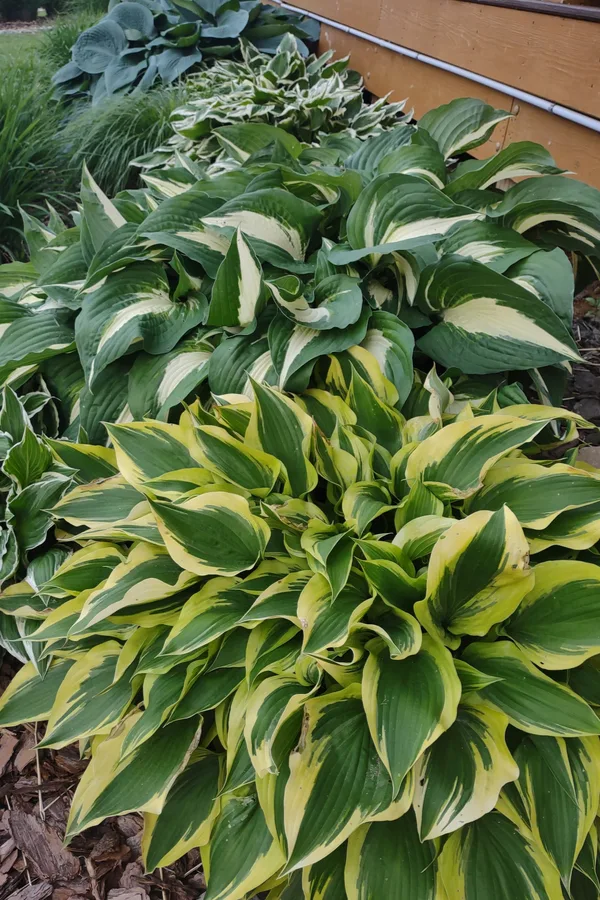

To make hostas healthier, it is essential to focus on several key aspects of their care, including soil health, watering practices, fertilization, pest management, and proper placement. By addressing these areas, you can ensure that your hostas thrive and exhibit vibrant foliage.
Soil Health
The foundation of healthy hostas lies in the quality of the soil. Hostas prefer well-draining, fertile soil rich in organic matter. Here are some tips to improve soil health:
- Test Soil pH: Hostas thrive in slightly acidic to neutral pH (6.0 to 7.0). Conduct a soil test to determine pH and amend accordingly.
- Add Organic Matter: Incorporate compost or well-rotted manure into the soil to enhance nutrient availability and improve drainage.
- Avoid Compaction: Ensure the soil remains loose and aerated to promote healthy root development.
Watering Practices
Proper watering is crucial for the health of hostas. These plants require consistent moisture but can be sensitive to waterlogged conditions. Follow these guidelines for effective watering:
- Regular Watering Schedule: Water hostas deeply at least once a week, adjusting based on rainfall and temperature.
- Avoid Overhead Watering: Water at the base of the plant to reduce the risk of fungal diseases by keeping foliage dry.
- Mulch Application: Apply a layer of mulch around the base to retain moisture and prevent weed competition.
Fertilization
Providing the right nutrients is vital for promoting healthy growth and vibrant foliage in hostas. Consider these fertilization practices:
- Use Balanced Fertilizers: Apply a slow-release, balanced fertilizer in early spring to support growth. Look for a formula with equal ratios of nitrogen, phosphorus, and potassium (e.g., 10-10-10).
- Feed During Growth:”: Reapply fertilizer mid-season, especially for particularly vigorous varieties or those that show signs of nutrient deficiency.
- Organic Options: Consider organic fertilizers like fish emulsion or seaweed extracts for a gentler nutrient boost.
Pest Management
Hostas can be prone to several pests that can affect their health. Implementing effective pest management strategies is crucial for preventing infestations:
- Regular Inspections: Check plants frequently for signs of pests such as slugs, snails, and aphids. Early detection allows for timely intervention.
- Natural Predators: Introduce or encourage beneficial insects like ladybugs and lacewings that feed on common hosta pests.
- Use Barriers: Implement physical barriers such as copper tape or diatomaceous earth around plants to deter slugs and snails.
Proper Placement
The location of your hostas significantly influences their health and growth. Ensuring they are planted in an ideal environment is critical. Consider these placement strategies:
- Shade Preference: Hostas thrive in partial to full shade. Avoid placing them in direct sunlight which can scorch their leaves.
- Space for Airflow: Ensure adequate spacing between hostas to promote good air circulation, reducing the risk of fungal diseases.
- Consider Microclimates: Observe local conditions such as wind or moisture levels and choose a placement that offers protection from harsh elements.
How do you keep hostas happy?

To keep hostas happy, it is essential to provide them with the right environment and care. Hostas are shade-loving perennials that thrive in cool and moist conditions but can also adapt to varying light levels. Here are several factors that contribute to the health and happiness of hostas:
See also:
Proper Soil Conditions
To ensure hostas are happy, start with the right soil. They prefer well-drained, moist soil that is rich in organic matter. You can achieve this by:
- Mixing in compost or well-rotted manure to enrich the soil.
- Testing the soil pH to ensure it is between 6.0 and 7.5 for optimal growth.
- Adding mulch to help retain moisture and prevent weeds.
Optimal Light Exposure
While hostas are known for their shade tolerance, the amount of light can affect their growth patterns. They are classified into groups based on their light needs:
- Full shade: Ideal for varieties with lighter foliage that may scorch in direct sun.
- Partial shade: Many hostas thrive with some dappled sunlight, especially in the morning.
- Filtered sunlight: Varieties with thicker leaves can tolerate more sunlight and may even prefer it.
Regular Watering Practices
Hostas require consistent moisture to thrive. Over or under-watering can lead to problems such as root rot or stress. To keep your hostas hydrated:
- Water deeply once a week, allowing the soil to dry out slightly between waterings.
- Use mulch to retain moisture, reducing the frequency of watering.
- Observe weather conditions; adjust watering during hot or dry spells.
Fertilization Techniques
Feeding hostas with a balanced fertilizer can promote healthy growth and vibrant foliage. Fertilization tips include:
- Applying a slow-release fertilizer in early spring as new growth emerges.
- Using a liquid fertilizer every month during the growing season for a nutrient boost.
- Avoiding high-nitrogen fertilizers which can lead to excessive leaf growth and weaker plants.
Pest and Disease Management
Hostas can be susceptible to various pests and diseases, which can hinder their growth. To keep them healthy:
- Regularly check for slug and snail damage, and implement control methods such as traps or barriers.
- Look out for leaf spots or other fungal diseases and treat with appropriate fungicides.
- Ensure good air circulation around the plants by spacing them adequately to prevent disease spread.
Questions from Our Readers
How often should I water my hostas?
To keep your hostas healthy, it's important to water them consistently. Hostas thrive in moist soil, so aim to water them deeply about once a week, depending on your climate and weather conditions. Ensure the soil doesn't get waterlogged, as this can lead to root rot.
What type of soil is best for hostas?
Hostas prefer well-draining soil that is rich in organic matter. A mixture of loam, peat moss, and compost works well to provide necessary nutrients while ensuring proper drainage, which helps prevent root problems.
How much sunlight do hostas need?
Most hostas enjoy partial to full shade; however, some varieties can tolerate more sunlight. To keep your hostas healthy, it's best to plant them in areas with filtered sunlight, especially in hotter climates, to prevent leaf scorch.
See also:
How can I protect my hostas from pests?
To protect your hostas from pests such as slugs and snails, you can use natural deterrents like diatomaceous earth or crushed eggshells around the base of the plants. Regularly inspecting your hostas and removing any affected leaves also helps in managing pest populations effectively.
https://youtube.com/watch?v=F_eoW9woDPs
If you want to read more articles like How Do I Keep My Hostas Healthy? Essential Tips for Thriving Plants, we recommend you check out our Hostas category.
Leave a Reply
Related Articles