Should You Let Your Hostas Flower? Discover the Pros and Cons for Your Garden

When it comes to cultivating hostas, a popular perennial known for their lush foliage, gardeners often face the dilemma of whether to allow them to flower. The decision can significantly impact the overall aesthetics of your garden and the health of the plants. While the delicate blossoms can add a charming touch, they may also draw energy away from the foliage you cherish. In this article, we’ll explore the pros and cons of allowing hostas to flower, helping you make an informed choice that aligns with your gardening goals. Discover the implications of this decision for your beautiful green space.
- Should You Let Your Hostas Flower?
- The Aesthetic Appeal of Hosta Flowers
- The Impact on Plant Health
- The flowering of hostas can significantly benefit the garden ecosystem by attracting beneficial pollinators such as bees and hummingbirds. These creatures are essential for maintaining a balanced garden as they help with the pollination of many other plants nearby. By allowing hostas to bloom, gardeners can contribute to a healthier environment and support local wildlife, making flowering a rewarding choice for those looking to enhance their garden's biodiversity.When to Cut Back the Flowers
- Different Varieties of Hostas and Their Flowers
- Is it good when hostas bloom?
- Can hostas bloom twice?
- Questions from Our Readers
Should You Let Your Hostas Flower?
Allowing your hostas to flower can be a matter of personal preference, as these plants are primarily grown for their attractive foliage rather than their blooms. The flowers, typically in shades of purple, white, or lavender, can add a nice aesthetic in the garden, attracting pollinators such as bees and hummingbirds. However, many gardeners choose to cut the flower stalks before they bloom to maintain the plant's energy for leaf growth and to achieve a denser foliage appearance. If you decide to let your hostas flower, it's essential to ensure they are healthy and well-maintained, as flowering can sometimes divert energy away from overall plant vigor.
The Aesthetic Appeal of Hosta Flowers
The aesthetic appeal of hosta flowers can be significant in a garden setting, as they rise above the foliage and can create a striking contrast against the lush leaves. The delicate, tubular shapes of the flowers can create visual interest, especially during mid to late summer when other plants may begin to fade. Even though hosta flowers might not be as showy as those of other flowering plants, for many gardeners, their subtle beauty is a wonderful addition to the overall garden landscape.
The Impact on Plant Health
Allowing hostas to flower can impact their overall health and vigor. When hostas divert energy away from foliage production to support flowering, it can result in a less robust plant. If the flowers are allowed to develop fully, the plant's resources may become stretched, ultimately impacting the lushness and density of the leaves. Therefore, those focused on achieving healthy and vibrant foliage may want to consider removing the flower stalks shortly after they appear.
The flowering of hostas can significantly benefit the garden ecosystem by attracting beneficial pollinators such as bees and hummingbirds. These creatures are essential for maintaining a balanced garden as they help with the pollination of many other plants nearby. By allowing hostas to bloom, gardeners can contribute to a healthier environment and support local wildlife, making flowering a rewarding choice for those looking to enhance their garden's biodiversity.
When to Cut Back the Flowers
Timing is crucial when it comes to cutting back hosta flowers. Ideally, they should be removed just as the flower stalks begin to emerge but before they bloom. This strategy helps redirect the plant’s energy back into the leaves, ensuring strong growth for the next season. If the flowers bloom but you want to maintain foliage vigor, cutting them off soon after they fade can also allow the plant to recover more quickly and prevent any energy depletion.
Different Varieties of Hostas and Their Flowers
There are many different varieties of hostas, each with unique flower types and bloom colors. Some cultivars are known for their stunning spikes of flowers, while others may produce more delicate, ground-hugging blooms. Understanding the specific characteristics of each variety can help gardeners decide whether to showcase the flowers or focus solely on the foliage. For instance, while some varieties may have fragrant flowers, others may be primarily ornamental with minimal visual impact.
| Variety | Flower Color | Height |
|---|---|---|
| Blue Angel | Lavender | 36 inches |
| Frances Williams | White | 30 inches |
| June | Purple | 24 inches |
| Sum and Substance | Yellow | 36 inches |
| Patriot | Lavender | 24 inches |
Is it good when hostas bloom?
:strip_icc()/green-white-hostas-in-bloom-562666cc-958398cab4ae4317981fb58d63b6b749.jpg)
When it comes to hostas, the question of whether it is good when they bloom is subjective and depends on the gardener's preferences and the specific variety of hosta. In general, hostas are grown primarily for their foliage; their leaves are prized for their various shapes, sizes, and colors. However, hosta blooming can add an extra element of interest to the garden.
See also:
Hosta flowers are typically bell-shaped and can range in color from white to lavender. While some gardeners may enjoy the additional color and beauty they bring to the landscape, others might consider the blooms to be an unwanted distraction from the lush leaves. It's also important to note that the blooming period can signal the end of the growing season for the hosta, potentially affecting how the plant looks afterward.
For those who appreciate the blooms, it's also essential to consider that not all hosta varieties have significant or showy flowers. Some hostas might produce flowers that are relatively inconspicuous, while others can have more prominent displays. Thus, the value of hosta blooming can vary significantly from one cultivar to another.
The Aesthetic Value of Hosta Blooms
The bloom of hostas adds a new layer of visual interest to the garden.
- Complementing Foliage: The vertical flower spikes contrast beautifully with the broad, lush leaves.
- Seasonal Change: Hostas bloom in late summer, providing color when many other plants are fading.
- Variety in Color: Depending on the hosta type, flowers can range from white to purple, broadening the color palette of your garden.
Impact on Plant Health
Flowering can impact hosta health and vigor.
- Energy Allocation: When hostas bloom, they allocate energy towards producing flowers instead of growing foliage.
- Potential Stress: If blooms are not removed, this can lead to stress on the plant, affecting its overall health.
- Seed Production: Flowering allows for the potential of seed production, which can enhance genetic diversity if seeds are collected and planted.
Care Tips During Blooming
Taking care of hostas during their blooming period can help them thrive.
- Watering Needs: Make sure to keep the soil consistently moist but not soggy.
- Fertilization: Use a balanced fertilizer to support blooming without neglecting leaf health.
- Deadheading: Removing spent flowers can redirect energy back into the plant for foliage growth.
Varieties Known for Exceptional Blooms
Certain hosta varieties are particularly noted for their beautiful flowers.
- Hosta 'Plantaginea': Known for its fragrant white flowers that bloom late in the season.
- Hosta 'Avocado': Features lavender flowers and vibrant, textured leaves.
- Hosta 'June': Presents lovely lavender blooms alongside gorgeous variegated foliage.
Choosing to Indulge or Remove Blooms
Deciding whether to let hostas bloom or remove the flower stalks is a personal choice.
- Garden Design Preference: Some gardeners might prefer the aesthetic of foliage over flowers.
- Overall Plant Health: If hostas are showing signs of stress, it may be wise to remove the blooms.
- Enjoyment of Blossoms: For those who appreciate the flowers, allowing them to bloom can enhance garden enjoyment.
Can hostas bloom twice?
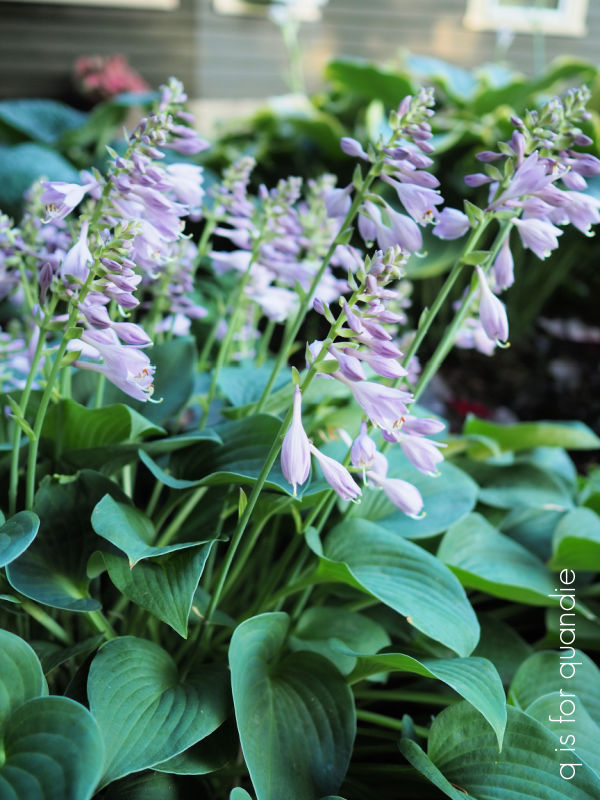
Hostas, which are popular perennial plants known for their attractive foliage, can indeed bloom more than once under certain conditions. Typically, hostas produce flower spikes in early to mid-summer, showcasing lavender, white, or blue flowers. However, whether they can bloom again later in the season largely depends on various factors such as the specific hosta variety, environmental conditions, and care practices.
See also:
To encourage a potential second bloom, it is vital to maintain optimal growing conditions throughout the growing season. This includes adequate watering, proper fertilization, and ensuring the plants receive the right amount of sunlight. Deadheading spent flowers can also promote additional blooming efforts in some hosta varieties.
Understanding Hosta Blooming Cycles
The blooming cycle of hostas typically occurs once during the summer months. However, a second blossom can sometimes be initiated if the right conditions are met. Here are some key points to understand:
- Timing: Initial blooms commonly occur in June or July.
- Variety: Some hosta varieties are more prone to reblooming than others.
- Weather: Favorable weather conditions can influence blooming potential.
Factors Influencing Second Bloom
Several factors can impact whether hostas will produce a second set of blooms. Understanding these can help in garden management:
- Fertilization: Adequate nutrients can enhance plant vigor.
- Watering: Consistent moisture is essential for blooming cycles.
- Light exposure: Hostas prefer partial to full shade for optimal growth.
Care Techniques to Encourage Reblooming
Proper care and management practices can create an environment conducive to reblooming:
- Deadheading: Removing spent flowers encourages further blooming.
- Optimal Watering: Ensuring the soil remains moist but not waterlogged.
- Seasonal Fertilization: Using a balanced fertilizer during the growing season.
Hosta Varieties Known for Reblooming
Certain hosta varieties have been identified to have a greater tendency to bloom more than once:
- H. plantaginea: Known for producing fragrant white flowers.
- H. 'Krossa Regal': Often reblooms in favorable conditions.
- H. 'Blue Angel': Can occasionally produce second blooms during late summer.
Common Challenges with Reblooming
While it is possible for hostas to bloom again, several challenges can inhibit this process:
- Plant Stress: Drought or pest issues can affect overall plant health.
- Temperature Extremes: Unseasonably hot or cold weather can disrupt blooming.
- Soil Quality: Poor soil conditions may impede nutrient uptake.
Questions from Our Readers
Should I let my hostas flower?
Letting your hostas flower can be a personal choice, but it's important to consider that while the flowers do add aesthetic value, they can divert energy from the leaves. If your main goal is lush foliage, you might prefer to remove the flower buds to promote greater leaf growth.
What are the benefits of allowing hostas to bloom?
Allowing your hostas to bloom can attract various pollinators, such as bees and butterflies, which may enhance the overall biodiversity of your garden. Additionally, their delicate flowers can provide a lovely contrast to the foliage during the growing season.
When is the best time to remove hosta flower spikes?
The best time to remove flower spikes is typically as soon as the blooms start to fade or if you notice them forming. This helps to ensure that the plant can redirect its energy back into the roots and leaves for better health and vitality.
See also:
Do all hosta varieties flower?
Yes, all hosta varieties do flower, but the intensity and appearance of the blooms can vary significantly. Some varieties showcase vibrant flowers, while others may produce somewhat subdued blooms, so it's worthwhile to explore different types to find those that suit your garden style.

If you want to read more articles like Should You Let Your Hostas Flower? Discover the Pros and Cons for Your Garden, we recommend you check out our Hostas category.
Leave a Reply
Related Articles