Ultimate Guide: How to Make Hostas Multiply? Tips for Successful Propagation
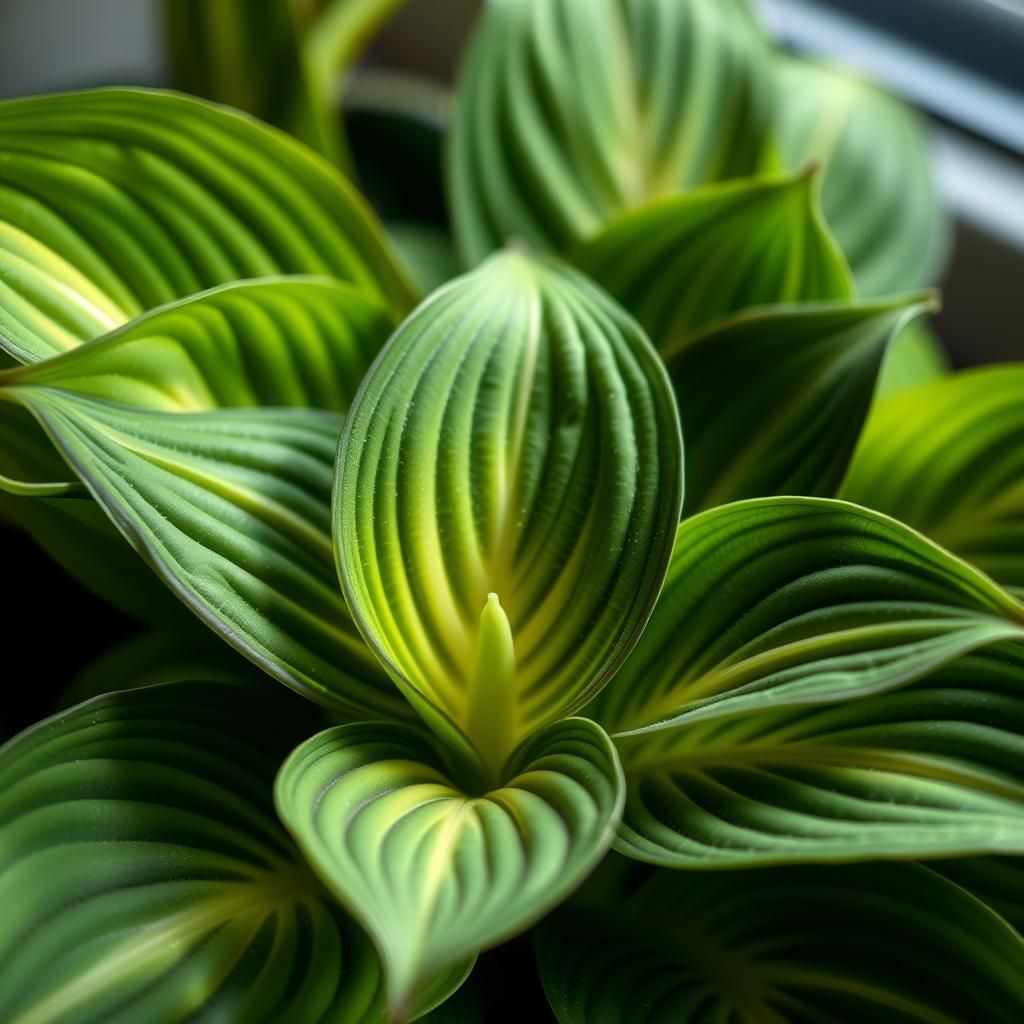
Hostas, with their lush foliage and variety of colors, are a beloved choice for garden enthusiasts. These shade-loving perennials not only enhance the beauty of any landscape but are also remarkably easy to propagate. In this ultimate guide, we will explore effective methods to multiply hostas, ensuring your garden remains vibrant and thriving. From division techniques to seed propagation, we’ll provide you with essential tips and insights for successful multiplication. Whether you're a seasoned gardener or a beginner, mastering these strategies will help you expand your hosta collection and enjoy the lush greenery that these plants offer.
How to Effectively Multiply Hostas
To successfully multiply hostas, the best method is through division, which typically involves separating the clumps of established hostas during the spring or fall when they are dormant. Begin by carefully digging around the base of the plant, lifting it out of the ground without damaging the roots, and then gently separate the clump into smaller sections, ensuring that each division has healthy roots and at least one growing eye. It is also crucial to replant these divisions immediately into well-prepared soil that retains moisture but drains well, ensuring the new plants have the best chance to establish themselves.
Understanding the Best Time to Divide Hostas
Dividing hostas works best in early spring or late summer, as at these times the plants are either just starting their growth cycle or preparing for dormancy. In early spring, the newly emerging shoots can make it easier to see where to cut during division, while late summer allows divisions to take root well before winter. Timing is key, as dividing at the wrong time can stress the plants and inhibit healthy new growth.
Choosing the Right Tools for Division
Using the right tools is essential for effective hosta division. A sharp, clean garden spade or a garden fork will help you penetrate the soil around the roots without causing unnecessary damage. It’s also wise to have gloves on to protect your hands from dirt and rough edges of the plant. Proper tools ensure that you can make clean cuts, which helps reduce the risk of diseases affecting the hostas after division.
Preparing the New Planting Site
Before replanting your divided hostas, it is important to prepare the new site adequately. Choose a location that offers partial shade to full shade, as excessive sunlight can lead to scorched leaves. Additionally, improve the soil quality by adding compost or well-rotted manure to enhance nutrient content and moisture retention. Well-drained soil will help prevent root rot and allow the hostas to thrive.
Watering Newly Divided Hostas
After planting the newly divided hostas, watering is crucial for their survival and growth. Ensure that the soil remains consistently moist but not soggy. A thorough soaking immediately after planting will help settle the soil around the roots. Regular watering is required especially during the first few weeks as the new divisions establish themselves, avoiding both underwatering and overwatering, which can damage the plants.
See also:
Monitoring and Caring for Divided Hostas
Once your hostas are replanted, regular monitoring is necessary to ensure they adapt well to their new environment. Check for signs of stress, such as wilting or discolored leaves, and assess moisture levels in the soil. Additionally, implement a light fertilizer regime a few weeks post-planting to encourage growth. Keeping an eye out for pests or diseases is also important so that any issues can be addressed promptly to maintain healthy plants.
| Action | Best Time | Tool | Watering Needs | Soil Type |
|---|---|---|---|---|
| Division | Early Spring or Late Summer | Garden Spade/Fork | Consistently Moist | Well-drained with Organic Matter |
Can you grow hostas from a cutting?
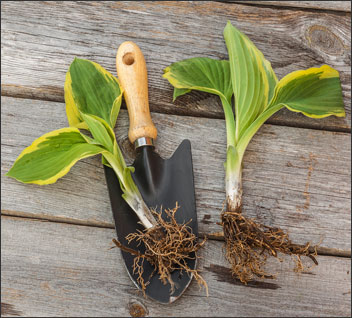
To address the question of whether you can grow hostas from a cutting, it's important to understand the propagation methods for this popular perennial plant. Hostas are typically propagated through division rather than cuttings. Here’s a detailed exploration of this topic.
Understanding Hostas and Their Growth
Hostas, known for their lush foliage and shade tolerance, are a staple in many gardens. These plants thrive in low-light conditions and are favored for their diverse leaf shapes and colors. Understanding their growth habits is key to successful propagation.
- Variety of Hostas: Hostas come in numerous varieties, each with unique characteristics.
- Growth Environment: They flourish best in well-drained soil with adequate moisture.
- Lifecycle: Hostas exhibit seasonal changes, with foliage emerging in spring and dying back in winter.
Propagation Methods for Hostas
The most effective way to propagate hostas is through division. This method allows gardeners to create multiple plants from a single hosta clump, ensuring genetic consistency.
- Timing for Division: The best time to divide hostas is in early spring or early fall.
- Cutting Techniques: Use a sharp spade to slice through the root mass carefully.
- Replanting: Ensure the divisions have adequate roots and are re-planted at the same soil depth.
Why Cuttings Are Not Effective
Trying to propagate hostas from cuttings is generally unsuccessful because hostas do not generate roots from stem cuttings like many other plants. They rely on their root systems for nutrient uptake and stability.
See also:
- Inability to Root: Hostas lack the necessary properties to develop roots from leafy cuttings.
- Alternative Methods: The division method remains the most successful and reliable.
- Root Hormones: While some gardeners might attempt using rooting hormones, success rates are still low for hostas.
Best Practices for Hostas Division
To successfully propagate hostas, adhere to the best division practices. This ensures the health of both the original plant and the new divisions.
- Soil Preparation: Ensure the soil is rich and well-draining to encourage healthy growth.
- Watering Regimen: Water the divisions thoroughly after planting to reduce transplant shock.
- Mulching: Apply mulch around the base to retain moisture and suppress weeds.
Conclusion on Hostas Propagation
While the question of growing hostas from a cutting suggest alternative methods, the consensus among horticulturists is that division is the preferred and successful method. Focusing on this technique will yield the best results for any gardener looking to expand their hosta collection.
Questions from Our Readers
How can I propagate hostas through division?
To propagate hostas through division, wait until the spring or early fall when the plant is not actively growing. Carefully lift the entire plant from the ground and use a sharp spade to divide the root ball into sections, ensuring that each section has at least one crown and some healthy roots. Replant the divisions in suitable locations with proper spacing.
What is the best time of year to multiply hostas?
The best time to multiply hostas is in spring or early fall. During these periods, the plants are not under stress, allowing for better root recovery and faster establishment in their new locations. Spring is ideal as it coincides with their active growth phase, while fall gives them time to establish roots before winter.
Do hostas need special care after division?
Yes, after dividing and replanting hostas, they require special care to ensure successful establishment. This includes keeping the soil moist but not waterlogged, providing shade if necessary, and ensuring they have adequate fertilization to promote healthy growth in their new environment.
Can I propagate hostas from seeds?
Yes, hostas can be propagated from seeds, but this method is less common and takes longer to produce mature plants. Seeds should be collected from the seed pods after they ripen, and then stratified for a few months in a cool, moist environment to encourage germination. However, keep in mind that growing from seeds may not yield plants true to the parent variety.
See also:

If you want to read more articles like Ultimate Guide: How to Make Hostas Multiply? Tips for Successful Propagation, we recommend you check out our Hostas category.
Leave a Reply
Related Articles