Ultimate Guide: How to Make Hostas Happy? Tips for Thriving Plants

Hostas are beloved for their lush foliage and resilience, making them a favorite among gardeners. However, ensuring these plants thrive requires understanding their specific needs and preferences. In this ultimate guide, we will explore essential tips and techniques to cultivate happy hostas. From optimal planting locations and soil conditions to effective watering and fertilization strategies, each section will provide valuable insights to help your hostas flourish. Whether you are a seasoned gardener or a beginner, our comprehensive approach will enable you to create an ideal environment for these stunning perennials, transforming your garden into a vibrant oasis.
How to Ensure Your Hostas Thrive
To make your hostas happy, it's essential to provide them with the right combination of light, water, and soil conditions. Hostas prefer partial to full shade, as excessive sunlight can scorch their leaves. They thrive in rich, well-draining soil that retains some moisture without being waterlogged. It's also crucial to maintain a consistent watering schedule, especially during dry spells, to keep the soil evenly moist. Additionally, incorporating organic matter, such as compost, can enhance soil fertility and support healthy growth. Lastly, keeping an eye out for pests and diseases will help ensure these stunning plants remain vibrant and resilient throughout the growing season.
Optimal Light Conditions
Hostas thrive best in shade or partial shade. While some varieties can tolerate more sunlight, exposure to intense afternoon sun can lead to leaf burn and overall stress. When positioning your hostas, consider areas that receive filtered light or dappled shade provided by taller plants or trees.
Watering Techniques
Proper watering is vital for hostas to flourish. They require consistent moisture, especially during the hotter months. It's best to water deeply but less frequently, allowing the top inch of soil to dry out before the next watering. This promotes robust root growth and prevents overwatering, which can lead to root rot.
Soil Quality and Fertility
The ideal soil for hostas is rich in organic matter, well-draining, and slightly acid to neutral in pH. Incorporating compost before planting can enhance soil fertility and structure. A balanced application of fertilizer in early spring can also help support lush foliage and vibrant colors in your hostas.
Pest and Disease Management
Hostas can be susceptible to pests such as slugs and snails. Implementing barriers like copper tape or regular monitoring can help control these pests. Additionally, be vigilant for diseases such as leaf spot or downy mildew, which can affect the health of your plants. Early intervention with appropriate treatments can keep your hostas thriving.
Mulching for Moisture Retention
Applying a layer of organic mulch around your hostas can significantly enhance moisture retention in the soil and regulate temperature. Mulch also helps suppress weed growth, which can compete for nutrients and water. Opt for materials like shredded bark, wood chips, or straw to maintain a healthy environment for your hostas.
| Aspect | Recommendation |
|---|---|
| Light | Partial to full shade |
| Watering | Deep, consistent moisture |
| Soil | Rich, well-draining, organic |
| Pests | Monitor and control regularly |
| Mulch | Organic materials for moisture |
How do I make my hostas thrive?
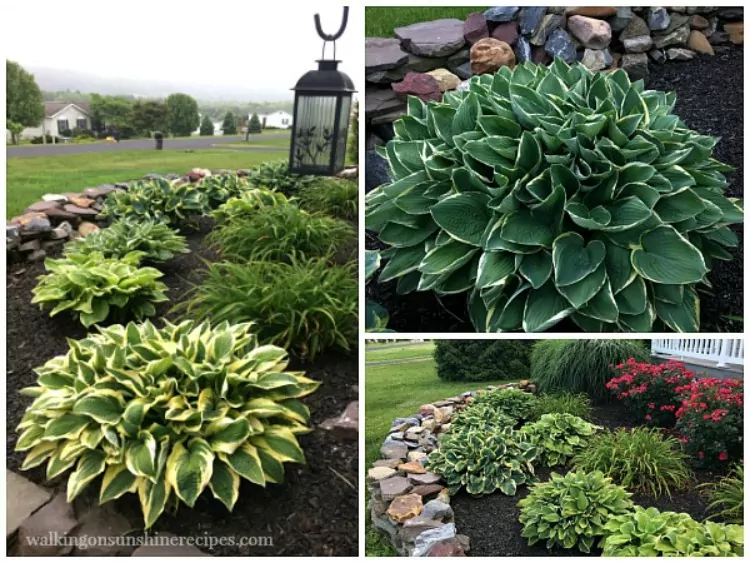

To make your hostas thrive, there are several essential care practices you need to implement. Hostas are beautiful foliage plants that can flourish in shady areas of your garden. Here’s a detailed guide on how to ensure your hostas grow healthy and vibrant.
Soil Quality
The quality of the soil is crucial for the health of your hostas. They prefer rich, well-draining soil that retains moisture but does not become waterlogged. To improve your soil quality, consider the following steps:
- Add organic matter: Mix in compost or well-rotted manure to enrich the soil.
- Ensure proper drainage: If your garden has compacted clay soil, consider raised beds or adding sand for better drainage.
- Conduct a soil test: Testing your soil pH can help determine if any amendments are needed, aiming for a pH between 6.0 and 7.5.
Watering Practices
Proper watering is vital for healthy hostas. They thrive with consistent moisture, especially during the growing season. Here are some effective watering practices:
- Water deeply: Ensure that the water penetrates several inches into the soil to encourage deep root growth.
- Mulch to retain moisture: Applying a layer of mulch can help keep the soil moist and reduce weeds.
- Watch for signs of stress: Look for wilting or yellowing leaves, which may indicate that the plants need more water.
Light Conditions
Hostas generally prefer partial to full shade. However, some varieties can tolerate more sunlight. Understanding their light needs is essential:
- Identify your hosta variety: Some hostas can handle more sun than others. Research the specific light requirements of your variety.
- Create shade if needed: If your hostas are in too much sun, consider planting taller plants nearby to provide some natural shade.
- Avoid extreme conditions: Protect your hostas from intense afternoon sun, which can scorch the leaves.
Pest and Disease Management
Hostas are susceptible to a few pests and diseases that can impede their growth. To keep them healthy, follow these preventive measures:
- Regularly inspect plants: Look for signs of pests, such as holes in leaves caused by slugs or snails.
- Use organic pest control: Consider using diatomaceous earth or neem oil to address infestations without harsh chemicals.
- Promote air circulation: Space hostas properly to avoid overcrowding, which can lead to fungal issues.
Fertilization
Adequate fertilization can significantly enhance the growth of your hostas. Here are insights into effective fertilization practices:
- Choose the right fertilizer: Use a slow-release fertilizer with balanced nutrients to support continuous growth.
- Apply in early spring: Fertilize when new growth begins, ensuring that nutrients are available when the plants need them most.
- Avoid over-fertilizing: Too much fertilizer can lead to lush foliage but weak plants; follow label instructions carefully.
How do you keep hostas happy?

To keep hostas happy, it's essential to understand their preferences regarding light, moisture, soil, and care routines. Here are some detailed strategies on how to ensure your hostas thrive:
See also:
Choosing the Right Location
Selecting the appropriate location for your hostas is crucial for their growth. Hostas generally prefer partial shade to full shade, which allows their leaves to thrive without burning in direct sunlight.
- Assess light conditions: Monitor the light available in your garden to ensure it meets hostas' needs.
- Avoid direct sunlight: Areas with too much sun can scorch the leaves, so choose shadier spots for planting.
- Consider companion plants: Pair hostas with plants that have similar shade requirements to create a harmonious garden.
Soil Quality and Composition
Hostas thrive in well-draining, rich loamy soil. The right soil mix enhances nutrient uptake and promotes healthy root development.
- Test soil pH: Aim for a pH between 6.0 and 7.5 for optimal growth.
- Amend soil: Incorporate compost or well-rotted organic matter to improve texture and nutrient content.
- Ensure drainage: Avoid heavy clay or waterlogged areas that can lead to root rot.
Irrigation Practices
Proper watering habits are essential for keeping hostas hydrated without over-saturating their roots.
- Consistent moisture: Keep the soil evenly moist, particularly during dry spells.
- Avoid overhead watering: Water at the base of the plants to prevent leaf diseases.
- Mulch application: Apply a layer of organic mulch to help retain soil moisture and suppress weeds.
Fertilization Schedule
Hostas benefit from regular feeding, particularly in the spring when they come out of dormancy.
- Use a balanced fertilizer: Apply a slow-release fertilizer in early spring to provide essential nutrients.
- Monitor leaf color: Pale or yellowing leaves can indicate nutrient deficiencies that need addressing.
- Avoid over-fertilizing: Excessive fertilizer can burn the roots and damage the plant.
Pest and Disease Management
Being vigilant about pests and diseases is key to keeping hostas healthy. Regular monitoring can prevent infestations and infections.
- Inspect regularly: Look for signs of pests such as slugs, snails, and aphids that can damage foliage.
- Implement control measures: Use organic pest control methods to protect your plants without harmful chemicals.
- Practice good hygiene: Remove dead leaves and debris to minimize disease spread and pest habitats.
Questions from Our Readers
How much sunlight do hostas need to be happy?
Hostas generally prefer partial shade to full shade. While some varieties can tolerate more sunlight, direct sunlight can scorch their leaves and lead to stunted growth. It’s important to observe your hostas and provide adequate shade to keep them thriving.
What type of soil is best for hostas?
Hostas thrive in moist, well-draining soil that is rich in organic matter. They prefer loamy or sandy soil with a neutral to slightly acidic pH. Incorporating compost or well-rotted manure can significantly enhance soil quality, promoting healthy root growth.
How often should hostas be watered?
Hostas need to be watered regularly, especially during hot, dry periods. It’s essential to keep the soil consistently moist but not waterlogged. Typically, watering once a week is sufficient, but you should adjust based on weather conditions and soil moisture levels.
See also:
What is the best way to fertilize hostas?
Fertilizing hostas in the spring with a slow-release, balanced fertilizer will encourage robust growth. Look for fertilizers with a ratio of 10-10-10 or similar, and be sure to follow the recommended application rates to avoid over-fertilization, which can damage the plants.

If you want to read more articles like Ultimate Guide: How to Make Hostas Happy? Tips for Thriving Plants, we recommend you check out our Hostas category.
Leave a Reply
Related Articles