Essential Tips on How to Make Hostas Thrive? A Complete Guide for Gardeners

Hostas are among the most popular perennials for shady gardens, celebrated for their lush foliage and low maintenance requirements. However, ensuring these beautiful plants thrive requires a bit of knowledge and care. In this complete guide, we will explore essential tips on how to cultivate hostas successfully, from selecting the right varieties to understanding their specific needs in soil, light, and moisture. Whether you are a novice gardener or an experienced green thumb, this article will provide you with valuable insights and practical advice to make your hostas flourish and enhance your garden's beauty.
How to Ensure Your Hostas Flourish
To make your hostas thrive, it is essential to provide them with the right conditions for growth, including ample shade, well-drained soil, and consistent moisture. Hostas prefer locations that mimic their natural habitat of the forest floor, where they receive filtered sunlight. Additionally, ensuring their environment is free from pests and diseases, while also applying a balanced fertilizer during the growing season, will promote lush foliage and vibrant colors. Lastly, regular dividing of hostas every few years can rejuvenate their growth and prevent overcrowding.
Choosing the Right Location
Selecting the appropriate location for your hostas is crucial for their success. They thrive in partial to full shade, where direct sunlight is limited, as too much sun can scorch their delicate leaves. Ideally, a spot that receives morning sun followed by afternoon shade is perfect, as it allows for some light while protecting the plants from the harshest conditions of the day.
Soil Requirements for Hostas
Hostas flourish in moist, well-drained soil rich in organic matter. Amending the soil with compost or leaf mold improves its structure and nutrient content, helping retain moisture while ensuring adequate drainage. A slightly acidic to neutral pH is preferred, as overly alkaline or compacted soils can hinder their growth and overall health.
Watering Techniques
Consistent moisture is vital for hostas, particularly during the hot summer months. Watering should be deep and infrequent to encourage deep root systems. Aim for about 1 inch of water per week, either from rainfall or irrigation, and make sure to water at the base of the plants rather than overhead, to prevent leaf disease and maintain healthy foliage.
Pest and Disease Management
While hostas are relatively resilient, they can fall victim to pests like slugs, snails, and various insects. Regular inspections and instantaneous management are beneficial; using organic treatments and creating barriers can mitigate infestations. Additionally, ensuring good air circulation can prevent common diseases such as powdery mildew.
Fertilization Tips
Applying a balanced fertilizer in early spring encourages robust growth and vibrant foliage. A slow-release granular fertilizer or an organic option can nurture your hostas effectively. It's advisable to follow the package instructions for application rates and frequency, as over-fertilization can lead to excessive leaf growth at the expense of overall plant health.
| Aspect | Optimal Condition |
|---|---|
| Light | Partial to full shade |
| Soil | Moist, well-drained, rich in organic matter |
| Watering | 1 inch per week, deep watering |
| Pest Control | Regular inspections, organic treatments |
| Fertilization | Balanced fertilizer in spring |
How do I make my hostas grow better?
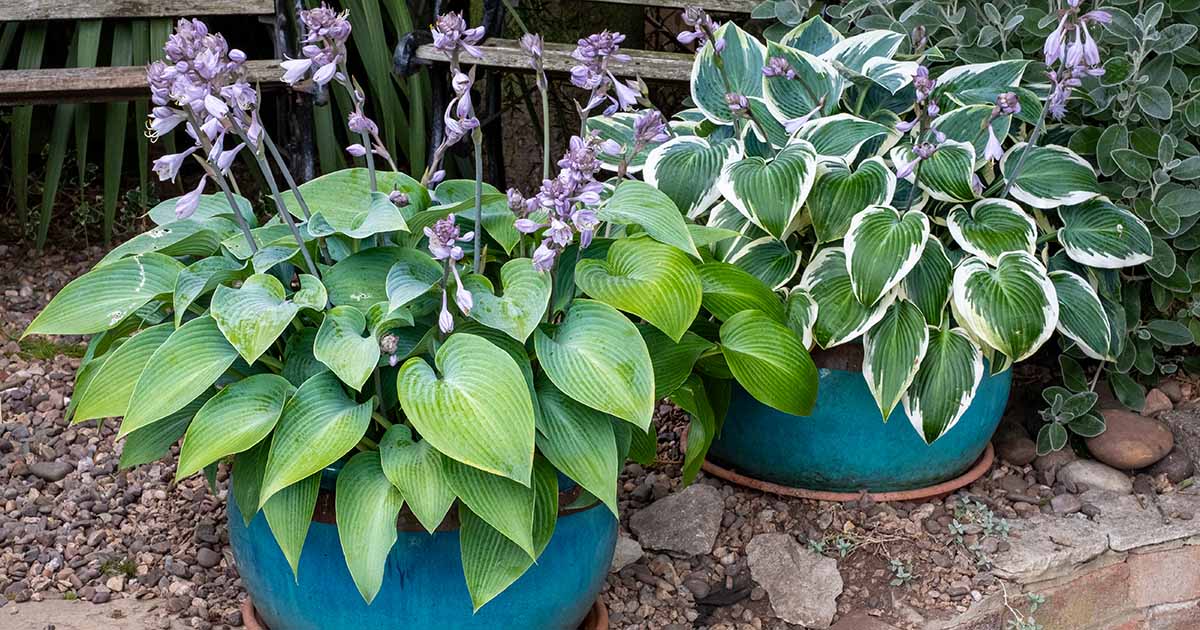

To make your hostas grow better, it's essential to focus on their specific growing conditions and needs. Hostas thrive in shaded areas and require well-draining soil. Here are several strategies to enhance their growth:
Soil Preparation
Proper soil preparation is fundamental to the success of your hostas. They prefer rich, moist, and well-draining soil that allows their roots to spread freely.
- Test the soil pH: Hostas prefer a pH between 6.0 and 7.0.
- Add organic matter: Incorporate compost or well-rotted manure to enrich the soil.
- Improve drainage: If the soil retains too much moisture, consider raising the planting area or mixing in sand to promote drainage.
Watering Techniques
Regular and adequate watering is crucial for hostas, especially during dry periods. However, it's equally important to avoid waterlogging.
- Water deeply: Ensure the roots receive enough water by watering at least once a week.
- Use mulch: Applying a layer of mulch retains moisture and prevents evaporation.
- Avoid overhead watering: This helps prevent fungal diseases by keeping the foliage dry.
Fertilization
Feeding your hostas can significantly enhance their growth and vibrant foliage.
- Choose the right fertilizer: Use a balanced, slow-release fertilizer in early spring.
- Avoid over-fertilizing: Too much fertilizer can lead to burnt roots and leggy growth.
- Consider organic options: Natural fertilizers like fish emulsion or seaweed extracts can be beneficial.
Sunlight Requirements
Understanding the light needs of your hostas is vital to their growth.
- Provide shade: Hostas generally prefer partial to full shade; direct sunlight can scorch their leaves.
- Monitor light levels: If leaves start wilting or browning, they may be getting too much sun.
- Choose the right variety: Some hosta varieties are more tolerant of sun than others.
Pest and Disease Management
Hostas can be susceptible to pests and diseases, which can hinder their growth if not managed properly.
- Inspect regularly: Check leaves for signs of pests like slugs, snails, and mites.
- Implement preventive measures: Use barriers or traps for slugs and maintain good airflow around plants.
- Treat diseases promptly: If infected, remove affected leaves and consider fungicidal treatments if needed.
Why is my hosta not thriving?

There are several reasons why your hosta may not be thriving. Understanding the specific needs of hostas and the conditions in which they are growing is vital for their health. Here are some common issues and factors to consider:
See also:
Improper Light Conditions
Hostas thrive best in partial to full shade, depending on the variety. If they receive too much sun, especially in hot climates, the leaves may scorch or become discolored.
- Sunburned Leaves: Excessive light can cause browning edges.
- Stunted Growth: Lack of appropriate shade can hinder growth.
- Varied Requirements: Different hosta varieties have varying light needs.
Soil Quality and Drainage
The quality of the soil and its ability to drain properly is crucial for hostas. They prefer rich, loamy soil that retains moisture but does not become waterlogged.
- Soil pH: Hostas generally prefer slightly acidic to neutral pH.
- Compacted Soil: Poor drainage can suffocate roots.
- Nutrients: They require a good balance of nutrients for optimal growth.
Watering Issues
Improper watering practices can stress hostas. They prefer consistently moist soil but can suffer from both underwatering and overwatering.
- Underwatering: Leaves may wilt and become crispy.
- Overwatering: Roots may rot if the soil is too soggy.
- Watering Schedule: Adjust based on weather conditions and season.
Pest and Disease Problems
Hostas are susceptible to various pests and diseases that can affect their growth and appearance. Common pests include slugs and aphids, while diseases can range from fungal infections to bacterial issues.
- Slug Damage: Look for holes in leaves; slugs are notorious for this.
- Aphids: Can weaken plants by sucking sap.
- Fungal Issues: Leaf spots may indicate a fungal infection.
Fertilization Needs
Hostas benefit from regular fertilization to ensure healthy growth. However, over-fertilizing can lead to more harm than good.
- Balanced Fertilizer: Use a slow-release fertilizer for best results.
- Time of Application: Fertilize in early spring as growth begins.
- Signs of Nutrient Deficiency: Yellowing leaves can indicate a lack of nutrients.
Questions from Our Readers
How much sunlight do hostas need to thrive?
Hostas thrive best in partial to full shade, with some varieties tolerating more sun. Ideally, they should receive around 2 to 6 hours of indirect sunlight daily, as too much direct sunlight can scorch their leaves.
What type of soil is best for hostas?
Hostas prefer well-drained, moist soil rich in organic matter. A loamy or sandy soil amended with compost can provide the necessary nutrients and ensure that the roots do not become waterlogged.
How often should I water my hostas?
Hostas require consistent moisture, so watering them once a week is usually sufficient, especially during dry spells. However, it's crucial to keep the soil evenly moist but not soggy, as overwatering can lead to root rot.
See also:
Should I fertilize my hostas, and if so, when?
Fertilizing hostas is recommended in the spring when new growth begins. Using a balanced fertilizer can promote vibrant foliage, but it is essential to avoid over-fertilizing, which can lead to weak growth and less vibrant colors.
https://youtube.com/watch?v=F_eoW9woDPs
If you want to read more articles like Essential Tips on How to Make Hostas Thrive? A Complete Guide for Gardeners, we recommend you check out our Hostas category.
Leave a Reply
Related Articles