Effective Tips: How Do You Keep Slugs from Eating Your Hostas?

Hostas are beloved for their lush foliage and resilience, but they often find themselves at the mercy of hungry slugs. These slimy pests can quickly turn a thriving garden into a devastated landscape, munching away at your carefully tended plants. To protect your hostas and ensure they flourish, it’s essential to implement effective strategies to deter slugs. In this article, we will explore practical tips and methods to keep these unwanted guests at bay, enabling you to enjoy the beauty of your hostas without the threat of destruction. Say goodbye to slug troubles and hello to a thriving garden!
Effective Strategies to Prevent Slugs from Devouring Your Hostas
To keep slugs from eating your hostas, it is crucial to implement a combination of physical barriers, environmental adjustments, and natural deterrents. Initiating measures such as creating a gravel or copper barrier around the hostas can discourage slugs from approaching due to their sensitivity to these textures. Additionally, reducing moisture levels in the garden by watering in the morning rather than in the evening can minimize the ideal conditions for slug activity. Planting companion plants that slugs dislike, such as rosemary or sage, can also provide a defensive strategy. Using organic repellents, like coffee grounds or crushed eggshells, sprinkled around the plants can help deter these pests without harming the surrounding environment.
Creating Physical Barriers
Physical barriers such as copper tape, gravel, or garden mesh can effectively protect hostas from slugs. When slugs come into contact with the copper, it creates a slight electric shock that deters them from crossing. A ring of gravel can also be effective, as slugs prefer smoother surfaces. Additionally, covering the soil with plant mesh can physically block slugs from reaching the plant leaves, particularly when they're young and most vulnerable.
Adjusting Garden Watering Practices
To deter slugs, adjusting your watering schedule is essential. Watering your garden in the early morning allows plants to absorb moisture throughout the day, thereby drying out excess water by evening. This creates less inviting moist environments for slugs, which thrive in damp conditions. Implementing drip irrigation systems can also help target the roots directly while keeping the foliage dry, further reducing slug attraction.
Utilizing Natural Deterrents
Applying natural deterrents such as coffee grounds or crushed eggshells around your hostas can create barriers that slugs dislike. Coffee grounds are known for their ability to repel slugs due to their texture and acidity, disrupting their soft bodies. Similarly, crushed eggshells provide a sharp surface that slugs tend to avoid. These options serve as eco-friendly ways to safeguard your hostas without introducing harmful chemicals to your garden.
Companion Planting
Engaging in companion planting is a strategic method to keep slugs at bay. By surrounding your hostas with plants like rosemary, lavender, or sage, you can create an aromatic barrier that naturally repels slugs. These herbs have strong scents that many pests find off-putting, encouraging slugs to move to less protected areas of your garden. Moreover, companion planting can enhance biodiversity, which is beneficial for overall pest management.
Regularly Monitoring and Managing Slug Populations
Regularly monitoring your garden for signs of slugs, such as slime trails or damaged leaves, is necessary for effective management. Using traps, such as shallow dishes filled with beer, can attract and drown slugs, helping to keep their populations in check. Consistently checking your plants and managing slug numbers proactively can prevent significant damage to your valuable hostas.
| Method | Description |
|---|---|
| Copper Barriers | Deters slugs through electric shock upon contact. |
| Watering Schedule | Reduces moisture at night, less inviting for slugs. |
| Natural Deterrents | Uses materials like coffee grounds to keep slugs away. |
| Companion Planting | Planting herbs that repel slugs near hostas. |
| Regular Monitoring | Using traps and checking for signs of slugs for management. |
What is the best slug deterrent?

The best slug deterrent varies depending on the gardening environment and the specific needs of the plants being protected. However, some of the most effective methods include physical barriers, natural repellents, and environmental modifications. Below are some popular slug deterrents that have been proven effective.
Physical Barriers
One of the most effective ways to deter slugs is by using physical barriers. These barriers prevent slugs from accessing your plants directly. Common types of physical barriers include:
- Copper Tape: Placing copper tape around the border of your garden creates a small electrical reaction that deters slugs from crossing.
- Sand and Diatomaceous Earth: Sprinkling coarse sand or diatomaceous earth around plants creates a rough terrain that slugs find difficult to traverse.
- Row Covers: Using lightweight row covers can protect plants while still allowing light and rain to reach them, effectively keeping slugs out.
Natural Repellents
Utilizing natural repellents can be an excellent way to keep slugs at bay without resorting to harmful chemicals. These methods are safe for both people and pets:
See also:
- Salt: Sprinkling salt around the garden area can deter slugs, but should be used sparingly as it can also harm soil and plants.
- Garlic Juice: Mixing garlic juice with water and spraying it on affected areas releases a smell that slugs dislike.
- Caffeine: Research has shown that caffeine can kill slugs. Mixing caffeine with water can be sprayed as a deterrent.
Environmental Modifications
Making certain environmental modifications can also help reduce slug populations in your garden:
- Reduce Moisture: Since slugs thrive in moist environments, reducing watering or improving drainage can make the garden less inviting.
- Eliminate Hiding Spots: Clearing out debris, weeds, and clutter can deprive slugs of shelter.
- Companion Planting: Growing plants that slugs tend to avoid, such as lavender or rosemary, can help protect susceptible plants.
Beer Traps
Using beer traps is a popular and effective method to trap and eliminate slugs:
- Setup: Bury a container slightly below ground level and fill it with beer to attract slugs.
- Attraction: Slugs are naturally attracted to the yeast in beer, causing them to enter the container and drown.
- Maintenance: Regularly check and refill the beer traps to keep them effective throughout the slug season.
Commercial Slug Baits
There are also various commercial slug baits available in the market that can help control slug populations effectively:
- Iron Phosphate Baits: These baits are safe for pets and wildlife, as they break down in the soil and do not leave harmful residues.
- Metaldehyde Baits: These are effective but should be used with caution due to potential toxicity to pets and wildlife.
- Organic Baits: Many products are made from natural ingredients and provide an effective deterrent for slugs while maintaining an eco-friendly approach.
What makes a hosta slug resistant?
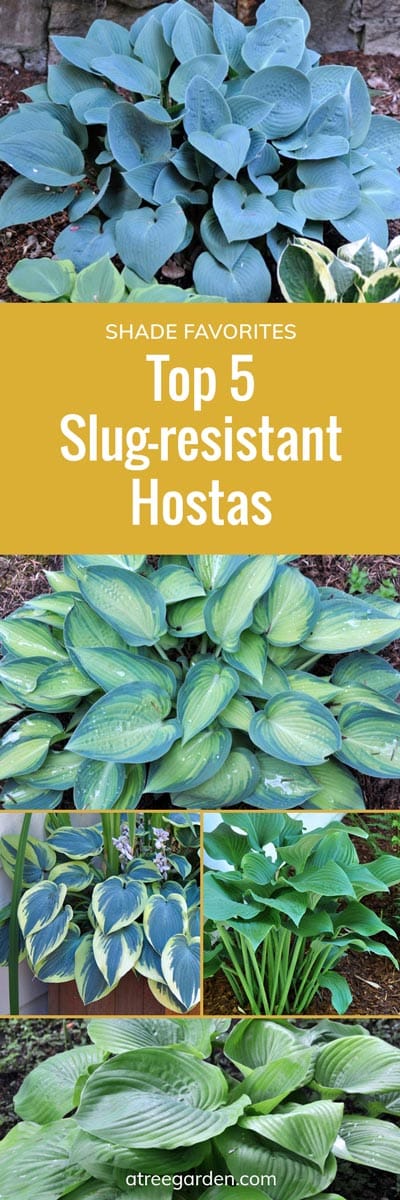
Hostas are well-known for their beauty and hardiness, but they are often targeted by slugs due to their lush, tender leaves. However, some hosta varieties exhibit traits that make them slug resistant. These traits include tougher leaves, chemical defenses, and specific physical characteristics that deter slugs.
Leaf Toughness
The toughness of hosta leaves is a primary factor in their resistance to slugs. Varieties with thicker and waxier leaves are less appealing to slugs, as these features make it more difficult for them to feed.
- Thicker Leaves: The structural integrity of thicker leaves means that slugs have a harder time penetrating them.
- Waxy Coating: The presence of a waxy layer can deter slugs, as it may make it more difficult for them to gain a foothold on the leaf surface.
- Leaf Textures: Varieties with rough or ribbed textures can create additional barriers for slugs, making it more challenging for them to glide along the surface.
Chemical Defenses
Many hosta species produce chemical compounds that can repel slugs. These compounds may include secondary metabolites that are unpalatable or toxic to these pests.
- Tannins: Some hostas contain higher levels of tannins, which can deter feeding due to their astringent taste.
- Essential Oils: Certain hostas may emit volatile compounds that are off-putting to slugs, making the plant less appealing.
- Alkaloids: Alkaloids present in some varieties can be harmful if ingested by slugs, effectively reducing their likelihood of feeding.
Plant Habitats
The environment in which hostas grow can also influence their slug resistance. Hostas placed in certain conditions may be less susceptible to slug damage.
- Sun Exposure: Hostas grown in sunnier locations can be less attractive to slugs, as these areas tend to be drier.
- Soil Drainage: Well-drained soils can prevent water accumulation, reducing the moist conditions that slugs prefer.
- Companion Plants: Pairing hostas with slug-repelling plants can create an environment that deters slugs from approaching.
Varietal Differences
Not all hostas are created equal. Some varietal differences contribute to their degree of slug resistance, due in part to selective breeding and natural adaptations.
- Hybrid Varieties: Many modern hybrids have been bred for not only aesthetic qualities but also for pest resistance, including slugs.
- Native Varieties: Some native hostas have evolved in specific environments that inherently ensure they are less palatable to local slug populations.
- Growth Habit: Varieties that grow in a more upright habit may be less accessible to slugs when compared to those that spread and cover ground.
Local Adaptation
Hostas may exhibit local adaptation to their environments, influencing their susceptibility to slugs. Over time, some plants may develop traits that better suit their specific habitat.
- Geographic Location: Hostas from regions with high slug populations may develop more robust defenses compared to those from less affected areas.
- Soil Composition: The mineral content within the soil can affect a plant's growth, leading to variations in leaf toughness and chemical defenses.
- Climate Influences: Different climates can alter the growth rate and leaf structure of hostas, impacting their overall slug resistance.
How do you treat hostas with holes in leaves?
:strip_icc()/slug-damage-holes-in-hosta-leaves-c8e1570ba85940dbb911672b19f137f3.jpg)

How to treat hostas with holes in leaves
Hostas are popular garden plants known for their lush foliage, but they can be susceptible to various pests and diseases, which may lead to holes in their leaves. Here are some effective methods to treat hostas when you encounter this problem.
Identifying the Cause of Holes
Understanding what causes the holes in hosta leaves is essential for effective treatment. Several culprits could be responsible, including:
- Slugs and Snails: These pests are notorious for feasting on hosta leaves, especially during damp conditions.
- Insects: Beetles, caterpillars, and other insects may also nibble on the foliage, causing damage.
- Environmental Stress: Sometimes, environmental factors like drought or disease can manifest as holes.
Inspecting for Pests
Before taking any action, it’s crucial to thoroughly inspect the hostas for any visible pests. Look under the leaves and at the base of the plant for signs of:
- Slugs: Often found in moist conditions, these soft-bodied creatures may be hiding during the day.
- Insect Eggs: Small clusters of eggs on the underside of leaves can indicate future damage.
- Signs of Feeding: Check for frass (insect waste) or webbing, which can point to specific pests.
Applying Pest Control Methods
Once you’ve identified the pests causing the damage, applying suitable pest control measures can mitigate further issues. Consider these options:
- Handpicking: Manually removing slugs and larger pests can be effective for smaller infestations.
- Neem Oil: This natural pesticide can deter a variety of insect pests without harming beneficial ones.
- Metallic Barriers: Placing copper tape around the base of the hostas can repel slugs.
Improving Plant Health
A healthy plant is more resilient to pests and disease. To ensure the health of your hostas:
- Watering: Maintain consistent moisture but avoid waterlogging to help plants recover from stress.
- Soil Quality: Ensure the soil is rich in organic matter, improving overall plant vigor.
- Fertilizing: Use a balanced fertilizer in early spring to provide essential nutrients.
Preventative Measures
Preventing holes in the leaves of hostas is often more manageable than treating existing damage. To protect your plants:
- Regular Inspections: Routinely check for pests or early signs of damage to take action promptly.
- Companion Planting: Certain plants can repel pests, creating a natural barrier around hostas.
- Seasonal Cleanup: Remove fallen leaves and debris in the fall to reduce overwintering pests.
Questions from Our Readers
What are effective methods to deter slugs from hostas?
To deter slugs from your hostas, consider using barriers like copper tape, which creates a reaction that slugs dislike. Additionally, you can apply diatomaceous earth around the plants or use coffee grounds as a natural repellent. Planting companion plants that slugs avoid, such as lavender or rosemary, can also be effective.
Are there any natural remedies to keep slugs away?
Yes, several natural remedies can be used to keep slugs at bay. For example, salt can be sprinkled around the hostas, but be cautious as excessive amounts may harm the plants. Another option is to create a beer trap, where slugs are attracted to the beer and drown in it.
How can I encourage natural predators of slugs?
Encouraging natural predators like birds, frogs, and ground beetles can help control slug populations. You can do this by creating a habitat in your garden that attracts these predators, such as adding birdhouses, water sources, and native plants that provide shelter.
When is the best time to apply slug control methods?
The best time to apply slug control methods is in the evening or early morning when slugs are most active. Regularly checking your hostas during these times will help you notice any slug activity and take preventive measures before they damage your plants.
See also:

If you want to read more articles like Effective Tips: How Do You Keep Slugs from Eating Your Hostas?, we recommend you check out our Hostas category.
Leave a Reply
Related Articles