What to Put Around Hosta? Top Companion Plants and Landscaping Tips

Hostas are beloved for their lush foliage and versatility in garden design. However, to enhance their beauty and create a thriving landscape, selecting the right companion plants is crucial. This article explores the best companion plants to pair with hostas, discussing their growth habits, color contrasts, and texture variations. Additionally, we'll provide landscaping tips that will help you design a harmonious outdoor space, ensuring that your hostas not only stand out but also thrive alongside their companions. Whether you're a seasoned gardener or a novice, these insights will inspire you to create a vibrant hosta garden that captivates all year round.
What to Consider When Choosing Surroundings for Hosta Plants
When selecting what to put around hosta plants, it's essential to consider both aesthetic and practical elements that enhance the beauty of the hostas while providing them with a healthy growing environment. Suitable companions for hostas include plants with complementary foliage colors and textures, such as ferns or shade-tolerant flowers like astilbe and heuchera. Additionally, incorporating mulch around the base of the hostas helps retain soil moisture, suppress weeds, and maintain a neat appearance. It's also crucial to ensure that any plants placed nearby have similar light and water requirements, as hostas thrive in partial to full shade and prefer consistently moist soil.
Companion Plants for Hosta
Companion plants for hostas should be chosen based on their compatibility in terms of light and moisture needs. Ideal companions include fuchsia, which adds a pop of color with its hanging flowers, and bleeding heart, known for its unique heart-shaped blooms. Additionally, coral bells provide vibrant foliage that complements the lush leaves of hostas, enhancing the overall visual appeal of the garden space.
Mulching Techniques for Hostas
Mulching is an essential practice for hosta care, as it helps retain moisture in the soil, regulates temperature, and suppresses weed growth. Use organic materials such as bark chips, straw, or shredded leaves to create a protective layer around hostas. A mulch depth of 2-3 inches is typically recommended, but care should be taken to keep it away from the plant crowns to prevent rot.
Benefits of Using Rocks or Gravel Around Hosta
Incorporating rocks or gravel around hostas can offer several benefits, including improved drainage and a visually interesting landscape feature. These materials can help prevent soil erosion while allowing excess moisture to escape, which is particularly important in regions with heavy rainfall. Additionally, a rock garden can provide a striking contrast to the soft foliage of hostas, enhancing the overall design of the garden.
Using Edging for a Defined Space
Adding edging around hosta plants can create a defined space that enhances the aesthetic appeal of the garden. Various materials can be used for edging, including bricks, stone, or wood, which can help create a crisp boundary between the hosta beds and surrounding areas. This not only improves visual organization but also helps to confine mulch and soil, making maintenance easier.
Considerations for Sun Exposure
When placing hostas, it's crucial to consider sun exposure as these plants thrive in shade or partial shade. Assess the sunlight each area of the garden receives during the day and select surrounding plants that also prefer similar light conditions. For instance, plants like ferns and pulmonaria can tolerate low light and complement hostas beautifully while ensuring the overall health of the garden.
| Plant Type | Sunlight Requirement | Moisture Level |
|---|---|---|
| Hosta | Partial to Full Shade | Moist |
| Ferns | Shade | Moist |
| Astilbe | Partial Shade | Moist |
| Heuchera | Partial Shade | Moderately Moist |
| Bleeding Heart | Partial Shade | Moderately Moist |
What not to plant next to hostas?
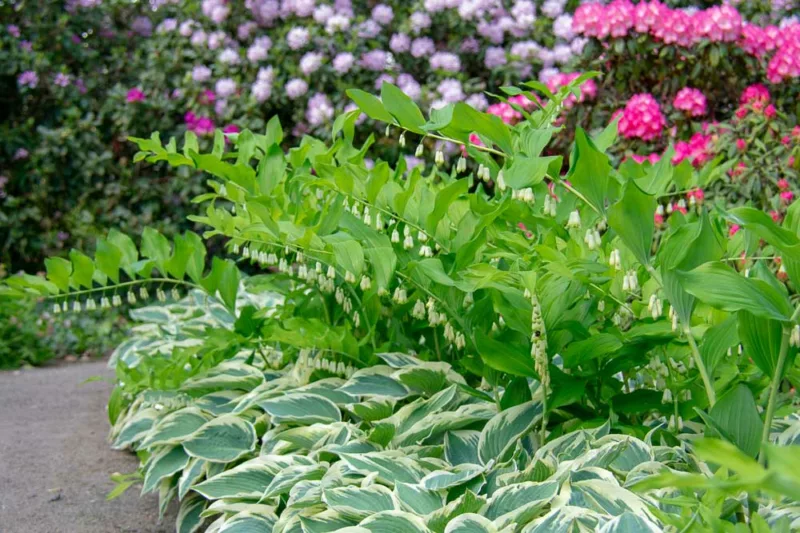
Planting hostas can enhance the beauty of your garden, but certain plants can negatively affect their growth and health. Here are some considerations regarding what not to plant next to hostas.
Competing Ground Cover
When planted near hostas, thick ground covers can compete for nutrients and water. Hostas thrive in rich, well-drained soil, and planting invasive ground covers can lead to a depletion of essential resources. Some examples include:
See also:
- Pachysandra: Often spreads rapidly and can outcompete hostas for nutrients.
- Vinca minor: Also known as creeping periwinkle, this plant can blanket the area and choke hostas.
- Mint: A highly invasive plant that can overtake hostas if not regularly managed.
Plants with Similar Nutrient Needs
Hostas require specific soil nutrients to thrive. Planting species that have similar or high nutrient demands can lead to competition. It's wise to avoid:
- Asters: While beautiful, they can draw nutrients from the soil that hostas need.
- Daylilies: Prefer similar soil conditions and can compete effectively with hostas.
- Ferns: Many ferns thrive in similar shady conditions and can hinder hosta growth.
Heavy-Feeding Plants
Certain plants are classified as heavy feeders, which consume significant amounts of nutrients from the soil. Surrounding your hostas with such plants can lead to nutrient competition. Consider avoiding:
- Tomatoes: These plants are heavy feeders and deplete the soil of nutrients.
- Cabbage family plants: Brassicas like broccoli require rich soil, potentially harming hostas.
- Corn: Another heavy feeder which can overshadow and compete with hostas for resources.
Plants with Aggressive Growth Habits
Certain plants exhibit aggressive growth and can easily overwhelm hostas, stealing light and space. It's best to keep the following away from hostas:
- Japanese Knotweed: Highly invasive and can choke out hostas very quickly.
- Climbing Vines: Such as bindweed, which can wrap around hostas and block sunlight.
- Sunflowers: They may tower over hostas, casting excessive shade and taking nutrients.
Plants that Attract Pests
Certain species attract pests that can harm hostas. Avoid integrating the following:
- Rue: Known to attract aphids and other pests that may impact surrounding plants.
- Marigolds: While beneficial in some ways, they can sometimes draw unwanted insects close to hostas.
- Chives: These can lure pests that may not harm themselves but could affect hostas.
What to cover hostas with?
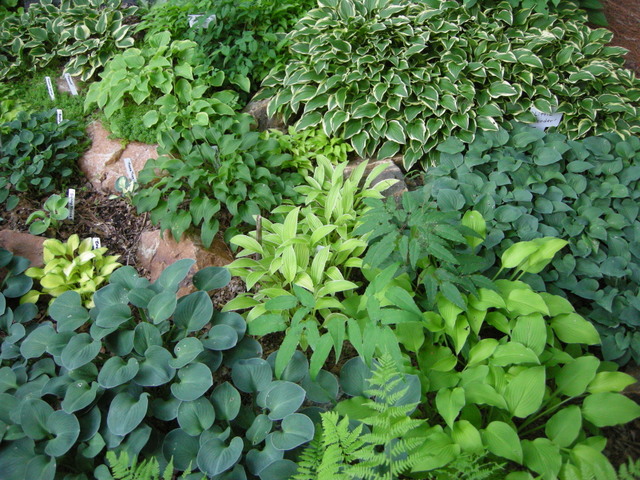
To effectively protect hostas during various seasons, especially in winter, selecting the right covering material is crucial. Hostas are known for their lush foliage, but they are vulnerable to extreme temperatures, frost, and pest infestations. Here are some recommended ways and materials to cover your hostas:
Using Mulch
Applying a layer of mulch is an excellent way to insulate hostas during the colder months. Mulch not only helps retain soil moisture but also moderates temperature fluctuations.
- Benefits of Organic Mulch: Materials such as shredded bark or straw can break down over time, enriching the soil.
- Layer Thickness: A thickness of about 2-4 inches is recommended to provide adequate insulation.
- Timing: Apply mulch after the first frost to prevent any further growth damage during cold spells.
Using Frost Cloths
Frost cloths or blankets can offer an effective shield against frost damage, especially for young hosta plants. These lightweight fabrics allow for light penetration but can trap heat.
- Material Choices: Look for breathable fabrics designed specifically for plant protection.
- Securing the Cloth: Use garden stakes or heavy rocks to prevent the cloth from blowing away.
- When to Remove: Remove the cloth during the day if temperatures rise to ensure adequate sunlight reaches the plants.
Using Plastic or Fabric Covers
For extremely cold environments, plastic or fabric covers can be used as a more rigid protection method.
- Plastic Sheets: Clear plastic can effectively trap heat but should not be directly in contact with the leaves to avoid overheating.
- Fabric Sheets: These provide an additional layer of insulation while ensuring there’s still ventilation.
- Check Regularly: Monitor the plants frequently to prevent any moisture-related issues under the cover.
Using Wire Frames with Covers
Creating wire frames can provide structure when covering hostas, which can be particularly beneficial during heavy snowfall.
See also:
- Design: Use lightweight wire or PVC pipes to create a dome over the plants.
- Covering Options: The dome can be covered with frost cloth, burlap, or even plastic.
- Ease of Access: This method allows for easy access for watering or checking plant health without removing the entire cover.
Using Leaves or Straw
Natural materials such as leaves or straw can also serve as effective coverings for hostas during winter.
- Leaf Pile: Piling leaves around the base of the hostas can offer natural insulation.
- Straw Bales: Bales of straw can provide a thicker layer of protection against harsh conditions.
- Decomposition: As they break down, these materials contribute nutrients back into the soil.
Is it okay to put coffee grounds around hostas?
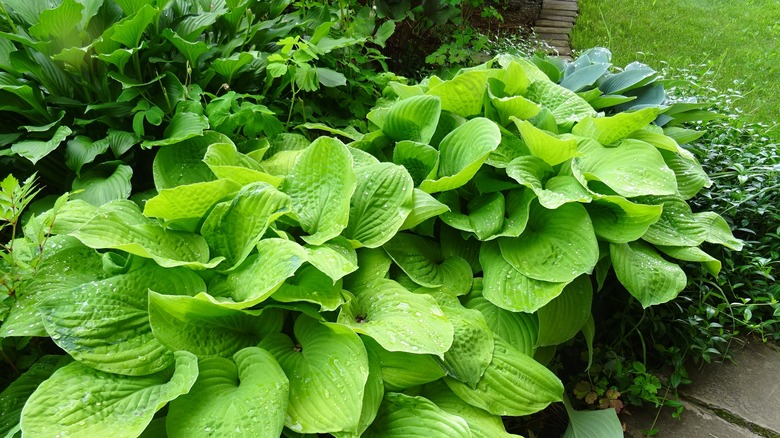
Using coffee grounds around hostas can offer several benefits, but it is essential to consider specific factors to ensure it is done correctly. Coffee grounds are rich in nitrogen, which is beneficial for plant growth. Additionally, they can improve soil structure and drainage. However, moderation is key, and care must be taken to avoid potential negative effects.
Benefits of Coffee Grounds for Hostas
Coffee grounds can enhance soil quality and provide nutrients that are beneficial for hostas. Some advantages include:
- Nitrogen Supply: Coffee grounds contain a significant amount of nitrogen, which is vital for leaf growth in hostas.
- Soil Amendment: They act as an organic matter that can improve the soil's texture, aeration, and drainage.
- Moisture Retention: The grounds help retain moisture in the soil, which can be beneficial during dry periods.
How to Apply Coffee Grounds
Proper application of coffee grounds can maximize their benefits while minimizing risks. Here are some steps to follow:
- Use Sparingly: Apply a thin layer of coffee grounds (about 1/4 inch) to avoid overwhelming the soil with nitrogen.
- Mix with Other Materials: Combine coffee grounds with compost or mulch to create a balanced mixture that supports healthy plant growth.
- Avoid Clumping: Spread the grounds evenly to prevent them from forming a dense layer, which can block water and air from reaching the soil.
Potential Risks of Using Coffee Grounds
While coffee grounds can be beneficial, there are some risks to be aware of:
- Excess Nitrogen: Too many coffee grounds can lead to nitrogen burn, harming the hostas.
- Acidity Concerns: Coffee grounds are slightly acidic; excessive application may alter soil pH negatively for plants that prefer neutral or alkaline conditions.
- Pest Attraction: In some cases, coffee grounds may attract pests or create a habitat for certain insects.
Alternatives to Coffee Grounds for Hostas
If you are hesitant about using coffee grounds, several alternatives can provide similar benefits:
- Compost: A well-balanced compost can offer a rich source of nutrients and improve soil structure.
- Mulch: Organic mulches such as bark or straw can help retain moisture and regulate soil temperature.
- Worm Castings: These provide a nutrient-rich amendment that promotes healthy plant growth without the risks associated with coffee grounds.
Testing Soil Health Before Application
Before applying coffee grounds, it is wise to evaluate the existing soil health. Here are some recommendations:
- Soil Test Kit: Use a soil test kit to analyze pH levels and nutrient composition, determining if coffee grounds are suitable.
- Assessing Structure: Check if the soil has good drainage and aeration, as coffee grounds can improve these properties if needed.
- Determine Plant Needs: Understanding the specific nutrient needs of your hostas will guide the amount and type of amendment required.
Questions from Our Readers
What are the best companion plants for hostas?
When choosing companion plants for hostas, look for options that thrive in shade or partial shade and have similar water requirements. Consider using plants like ferns, astilbe, or bleeding hearts, as they will add texture and color while complementing the lush foliage of the hostas without competing for light.
Should I use mulch around hostas?
Yes, using mulch around hostas is highly beneficial. It helps to retain moisture, suppress weeds, and regulate soil temperature. Organic mulches, such as bark chips or shredded leaves, not only improve the aesthetic appeal but also decompose over time, enriching the soil as they do.
See also:
How can I protect hostas from pests?
To protect hostas from common pests like slugs and snails, consider placing barriers such as copper tape or using natural repellents, such as diatomaceous earth. Creating a healthy garden environment by keeping the area clean and free of debris will also discourage these pests from making a home around your hostas.
Is it necessary to divide hostas, and when should I do it?
Dividing hostas is not strictly necessary, but it is recommended every 3-5 years to maintain their health and vigor. The best time to divide hostas is in early spring or late summer when the plants are actively growing, allowing for easier transplanting and promoting better establishment in new locations.
https://youtube.com/watch?v=F_eoW9woDPs
If you want to read more articles like What to Put Around Hosta? Top Companion Plants and Landscaping Tips, we recommend you check out our Hostas category.
Leave a Reply
Related Articles