What Plant Paralyzes You? Discover the Most Dangerous Species and Their Effects

Nature is filled with a myriad of plants, many of which are beautiful and beneficial. However, lurking among them are species capable of causing severe harm, some even leading to paralysis. In this article, we will explore the most dangerous plants around the world, focusing on their toxic properties and the effects they can have on the human body. From the infamous Strychnine tree to the less well-known but equally perilousرةo tree, understanding these plants is essential for anyone who enjoys the great outdoors. Join us as we uncover the dangers that these seemingly innocent plants can pose.
What Plant Paralyzes You?
The plant known to potentially cause paralysis is the Deadly Nightshade, or Atropa belladonna. This perennial herb contains potent alkaloids such as atropine, scopolamine, and hyoscyamine, which can disrupt the normal functioning of the nervous system. These chemicals, if ingested in sufficient quantities, can lead to symptoms like hallucinations, dilated pupils, and in extreme cases, paralysis, affecting the muscular control of individuals. Although it has been historically used in medicine for its therapeutic effects, the narrow margin between a therapeutic dose and a toxic dose makes it highly dangerous, and one must treat this plant with respect and caution.
Recognizing the Deadly Nightshade
The Deadly Nightshade can be identified by its distinctive features, including dark green, glossy leaves and bell-shaped purple flowers. The plant produces shiny black berries that are particularly attractive but highly toxic. Each part of the plant contains toxic alkaloids, making it crucial to avoid any contact or consumption. Knowing how to identify this plant is essential, especially for those who might wander into areas where it grows wild, such as woodlands and hedgerows.
Symptoms of Poisoning
The symptoms of Deadly Nightshade poisoning can be severe and include dilated pupils, increased heart rate, delirium, and hallucinations. If the poisoning is severe, it can lead to muscle paralysis, making it difficult to control bodily movements. This paralysis is often related to the overdose of atropine, as it affects the autonomic nervous system. Anyone who suspects they have ingested this plant should seek immediate medical attention.
Historical Uses of Deadly Nightshade
Historically, the Deadly Nightshade was used for various medicinal purposes, including pain relief and as an anesthetic. Ancient texts document its use by witches and herbalists, who sometimes utilized the plant in ritualistic contexts. However, due to its toxic properties, its use has significantly declined in modern medicine. While some extracts are still used in regulated doses, the historical tales surrounding this plant contribute to its notorious reputation.
Preventive Measures
To prevent accidental poisoning by the Deadly Nightshade, it is vital to educate individuals, especially those who enjoy foraging or gardening. Avoiding wild areas known to harbor this plant, teaching children about its dangers, and ensuring that herbal remedies are sourced from reputable suppliers can mitigate risks. Additionally, wearing gloves when handling unfamiliar plants can help prevent skin absorption of toxic substances.
Current Research and Awareness
Research on the Deadly Nightshade continues, particularly in the fields of pharmacology and toxicology. Scientists are studying the potential therapeutic applications of its alkaloids in controlled medical settings, while simultaneously raising awareness about its dangers. Public awareness campaigns aim to educate communities about the risks associated with wild plants, including encouraging responsible foraging practices.
| Plant Name | Scientific Name | Primary Effects |
|---|---|---|
| Deadly Nightshade | Atropa belladonna | Toxic, may cause paralysis |
| Other Toxicity Plants | N/A | Diverse symptoms, some leading to paralysis |
What is the most lethal plant for humans?

The most lethal plant for humans is often considered to be Aconitum, commonly known as aconite or monkshood. This plant is notorious for its high toxicity, which can lead to severe poisoning or even death if ingested. All parts of the plant contain potent alkaloids, primarily aconitine, that affect the nervous system, heart, and gastrointestinal tract. Even small amounts can be fatal, making it imperative to handle the plant with extreme caution. Symptoms of poisoning include nausea, vomiting, diarrhea, irregular heartbeat, and severe respiratory distress, often leading to death within a few hours if not treated promptly.
Identifying Aconitum
Aconitum is characterized by its unique physical features, helping to distinguish it from other non-toxic plants:
- Leaf Structure: Aconitum leaves are palmately lobed and deeply divided, resembling the shape of fingers.
- Flower Appearance: It produces distinct blue or purple flowers that resemble a hood, giving it the name monkshood.
- Growth Habit: The plant typically grows between 2 to 4 feet tall, often found in temperate regions, especially in mountainous areas.
Mechanism of Toxicity
The toxicity of Aconitum is attributed to its alkaloids, which interfere with nerve impulses:
- Nervous System Effects: Aconitine disrupts sodium channels in nerve cells, leading to a cascade of symptoms including numbness and tingling.
- Cardiovascular Impact: It can cause severe cardiac dysrhythmias and potentially lead to cardiac arrest.
- Gastrointestinal Distress: Ingestion may also result in symptoms like nausea, vomiting, and abdominal pain.
Symptoms of Poisoning
Recognizing symptoms of Aconitum poisoning is crucial for timely treatment:
- Nausea and Vomiting: These are often the first symptoms experienced after ingestion.
- Dizziness and Weakness: Victims may feel lightheaded or faint due to disrupted blood flow.
- Respiratory Failure: Severe cases lead to respiratory distress, requiring immediate medical intervention.
Treatment Options
In cases of poisoning, getting appropriate medical help is essential:
See also:
- Immediate Medical Attention: Call emergency services if poisoning is suspected.
- Activated Charcoal: In some cases, activated charcoal may be administered to absorb the toxins.
- Supportive Care: Patients may require fluids, medications to stabilize heartbeat, or respiratory support.
Prevention of Accidental Poisoning
Taking precautions can help avoid dangerous encounters with Aconitum:
- Proper Identification: Familiarize yourself with the plant if you live in an area where it grows.
- Avoidance: Do not touch or ingest any part of the plant without expert knowledge.
- Education: Informing others about the dangers associated with Aconitum helps reduce risks.
What is the poisonous plant that kills prisoners?
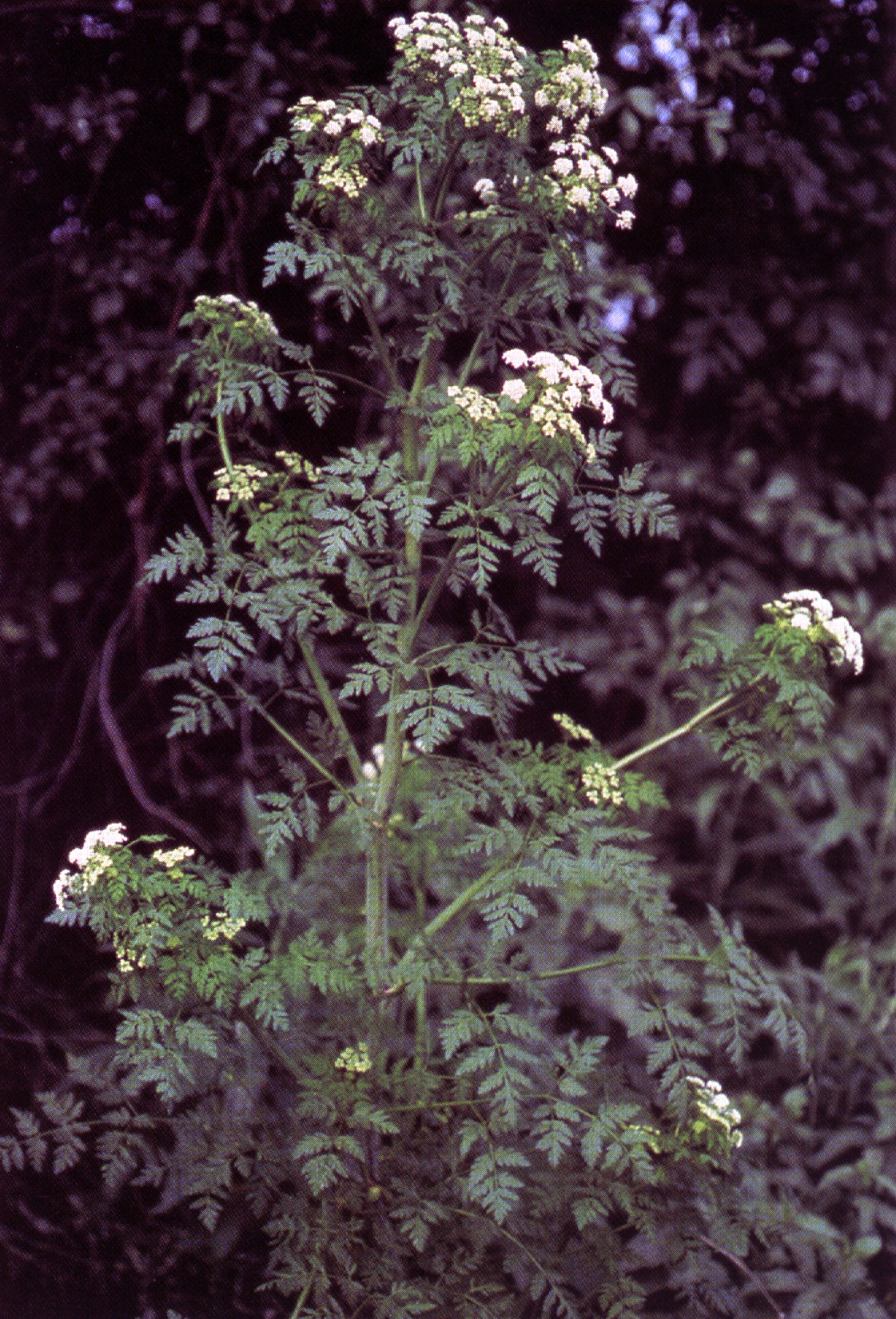
The plant known for its poisonous properties that have historically led to the execution of prisoners is Aconitum, commonly referred to as monkshood or wolf's bane. This plant contains potent alkaloids, particularly aconitine, which can be fatal if ingested. Its toxic effects interfere with the heart’s electrical conduction system, leading to arrhythmias, respiratory paralysis, and ultimately death. Historically, its use is documented in various cultures for both medicinal and lethal purposes, making it a significant subject of study regarding toxicology and botany.
Historical Uses of Aconitum
Aconitum has been utilized throughout history for various purposes, including execution and medicinal applications.
- In ancient Rome and Greece, Aconitum was used as a method of execution.
- For centuries, it was employed in poisons to eliminate enemies or criminals.
- Certain indigenous tribes used the plant in hunting as a poisonous arrow tip.
Toxic Properties of Aconitum
The toxic compounds found in Aconitum are responsible for its deadly effects, and understanding these properties is crucial.
- Aconitine affects the nervous system, leading to severe cardiovascular disturbances.
- Even small amounts can cause symptoms like nausea, vomiting, and arrhythmias.
- Due to its rapid onset of action, symptoms can escalate quickly, leading to death if not treated promptly.
Legal and Ethical Implications
The use of Aconitum as a means of execution raises numerous legal and ethical concerns.
- Using toxic plants for capital punishment prompts discussions about the humaneness of such methods.
- Many countries have laws against the use of cruel or unusual punishments.
- Ethically, there is a debate surrounding the morality of using naturally occurring substances for lethal purposes.
Medicinal Uses and Risks
Despite its toxicity, Aconitum has been used in traditional medicine, albeit with significant caution.
- In controlled doses, it has been used for pain relief and treating certain conditions.
- Medical practitioners must exercise caution, as the line between therapeutic dosage and lethal dose is very thin.
- Contemporary use is often focused on homeopathy, which advocates for highly diluted preparations.
Identification and Precautions
Knowledge about how to identify Aconitum is essential for safety and prevention of accidental poisoning.
- Aconitum plants are characterized by their distinctive blue or purple flowers and lobed leaves.
- Those handling the plant should wear gloves and ensure they do not ingest any part of it.
- Education about the risks associated with this plant will help in preventing accidents and intentional misuse.
What is the plant that burns you?

The plant that is commonly known for causing skin irritation or a burning sensation is poison ivy (Toxicodendron radicans). This plant contains an oily resin called urushiol, which can cause a severe allergic reaction in many people upon contact. The symptoms of exposure to poison ivy typically include redness, swelling, and blistering of the skin.
What is Urushiol?
Urushiol is a sticky oil found in the leaves, stems, and roots of poison ivy and related plants such as poison oak and poison sumac. When the skin comes in contact with urushiol, it can trigger an immune response, leading to irritation.
- Urushiol can remain potent on various surfaces for long periods.
- Even dead plants can still cause reactions if urushiol is present.
- About 50% of people will develop a rash after exposure.
Symptoms of Poison Ivy Exposure
The symptoms of poisoning from poison ivy most commonly appear within 12 to 72 hours after exposure. The irritation can be intense and may last for several weeks.
- Itching is often the first symptom.
- Red, swollen patches may develop on the skin.
- Blisters filled with fluid can form, which may ooze when scratched.
Prevention Methods
Preventing exposure to poison ivy involves a combination of awareness and protective measures. Knowing how to identify the plant is the first step in avoiding it.
See also:
- Learn to recognize the leaves of poison ivy, which usually have three leaflets.
- Avoid areas where poison ivy is commonly found, especially in wooded areas or along trails.
- Wear protective clothing (long sleeves, pants, gloves) when hiking or gardening in areas where the plant may grow.
Treatment Options for Poison Ivy Rash
If exposure occurs and a rash develops, there are several treatment options available to alleviate symptoms.
- Over-the-counter topical creams like hydrocortisone can help reduce inflammation.
- Oral antihistamines may relieve itching and discomfort.
- In severe cases, a healthcare provider may prescribe corticosteroids or recommend oral medications.
When to Seek Medical Help
In certain situations, it may be necessary to contact a healthcare professional for treatment of poison ivy exposure.
- If the rash covers a large portion of the body or face.
- If there are severe symptoms, such as difficulty breathing or swallowing.
- If the rash becomes infected, indicated by increased redness, swelling, or pus.
What plants can make you numb?

Several plants are known either traditionally or scientifically to induce a numb sensation due to their active compounds. These plants often have been utilized in various cultures for pain relief, relaxation, or even recreational use. Below are some notable examples.
Cannabis
Cannabis is widely recognized for its psychoactive properties, particularly due to the presence of THC (tetrahydrocannabinol). This compound interacts with the body’s endocannabinoid system, leading to various effects, including numbness, pain relief, and altered perception. Many patients use cannabis to manage chronic pain, as it may help reduce discomfort significantly.
- THC binds to cannabinoid receptors.
- It is often consumed through smoking, edibles, or oils.
- Medical cannabis may provide relief from various ailments.
Willow Bark
Willow bark contains salicin, which is a precursor to salicylic acid, the main ingredient in aspirin. The bark has been traditionally used to alleviate pain and is known for its anti-inflammatory properties. When ingested, willow bark can produce a mild numbing effect similar to that of aspirin, although it is slower acting.
- Salicin is converted to salicylic acid in the body.
- It works as a natural pain reliever.
- Often available in tea or supplement form.
Medicinal Poppy
The medicinal poppy (Papaver somniferum) is the source of opiates like morphine and codeine, which are well-known for their potent analgesic properties. These substances can induce a profound sense of numbness and euphoria, leading to their use in pain management, particularly for severe pain.
- Active compounds include morphine and codeine.
- Used in medical settings for pain relief.
- Can lead to dependency if misused.
Foxglove
Foxglove, or Digitalis, contains compounds known as cardiac glycosides, primarily digoxin. While primarily utilized for heart conditions, it can also affect the nervous system, leading to sensations of numbness in some cases. However, it can be toxic and must be used cautiously under professional guidance.
- Cardiac glycosides affect heart rate and blood pressure.
- May cause numbness in specific circumstances.
- Caution is necessary due to potential toxicity.
Belladonna
Belladonna, or deadly nightshade, contains tropane alkaloids like atropine and scopolamine, which have anticholinergic properties. These compounds can depress the central nervous system, leading to sensations of numbness or reduced pain perception. This plant has historical uses in medicine but is also known for its toxicity.
- Atropine can reduce muscle spasms and pain.
- Used in specific medical treatments.
- High toxicity makes it dangerous in uncontrolled use.
Questions from Our Readers
What plant is known to paralyze humans?
The plant that is known to paralyze humans is the Gympie-Gympie, a type of stinging tree found in Australia. Its fuzzy leaves contain potent toxins that can cause intense pain and temporary paralysis upon contact with skin.
How does the paralysis from this plant occur?
The paralysis occurs due to the neurotoxic compounds found in the plant's stinging hairs, which affect the nervous system. These toxins can lead to symptoms such as numbness, loss of coordination, and in some cases, respiratory difficulties if ingested.
Can the effects of the plant's paralysis be reversed?
Yes, the effects of the plant's paralysis can be reversed over time. Treatment typically involves pain management and symptomatic support, allowing the body to heal. In most cases, individuals recover fully without lasting effects.
Are there any other plants that can cause paralysis?
Yes, aside from the Gympie-Gympie, several other plants can cause paralysis, such as the deadly nightshade (Atropa belladonna) and certain types of poison hemlock. These plants contain alkaloids that disrupt normal muscle function and can lead to severe toxicity if ingested.
See also:

If you want to read more articles like What Plant Paralyzes You? Discover the Most Dangerous Species and Their Effects, we recommend you check out our Plants category.
Leave a Reply
Related Articles