How to Perk Up a Wilted Plant? Essential Tips and Tricks for Reviving Your Greenery

When your beloved houseplants start to droop and lose their vibrant allure, it can be disheartening. However, with the right techniques, reviving a wilted plant is entirely possible. This article will explore essential tips and tricks to perk up your greenery, helping you restore its health and beauty. From assessing the plant's environment and watering needs to understanding proper light exposure and fertilization, we’ll provide practical guidance to breathe new life into your wilting plants. Get ready to transform your space with flourishing foliage once again!
How to Revive a Wilting Plant
To perk up a wilted plant, the first step is to assess the underlying cause of the wilting, which could be due to underwatering, overwatering, or insufficient light. Begin by checking the soil moisture; if it's dry several inches below the surface, give the plant a thorough watering until water drains from the bottom of the pot, ensuring that the roots receive adequate hydration. If the soil feels soggy, consider repotting the plant in fresh, well-draining soil to avoid root rot. Additionally, make sure the plant is placed in an area with the right amount of light for its species, as poor lighting can contribute to wilting. Regularly monitor the plant's environment and adjust watering and light conditions as necessary to encourage healthy growth.
Understanding the Causes of Wilting
Identifying the root cause of wilting is essential for effective treatment. Common reasons include inadequate water, poor soil conditions, and lack of light. Each plant species has different needs, so understanding its specific requirements can help determine the best course of action. For example, succulents and cacti may wilt from overwatering, while leafy plants often wilt due to underwatering. Additionally, extreme temperatures or drafts can also stress a plant, leading to wilting. Recognizing these factors will aid in reviving a wilting plant effectively.
How to Check Soil Moisture
To check soil moisture accurately, insert your finger into the soil about two to three inches deep. If the soil feels dry at this depth, it's time to water the plant. On the other hand, if the soil feels wet or soggy, the plant may be suffering from overwatering. A moisture meter can also be used for precise readings, which will help prevent inconsistent watering habits. Understanding soil moisture is crucial for maintaining the overall health of the plant and preventing wilting in the first place.
Watering Techniques for Revitalization
When reviving a wilting plant, effective watering techniques can make a significant difference. For underwatered plants, give them a generous soaking, allowing water to drain through the bottom of the pot, ensuring even distribution to the roots. If a plant is overwatered, allow the soil to dry out completely before watering again, possibly transferring it to a new pot with drainage holes to enhance airflow around the roots. Utilizing a self-watering pot can also help regulate moisture levels more effectively, further preventing wilting.
Providing Adequate Light
Proper lighting is crucial for the plant’s revival. Ensure the plant is receiving the appropriate amount of natural light it requires to thrive. If the plant is in low lighting conditions, consider moving it to a brighter spot, while still being cautious of direct sunlight, which may scorch the leaves. For plants that are light-sensitive, using grow lights can supplement natural light, especially during shorter winter days. Understanding the light preferences of each specific plant will enhance its chance of flourishing.
Repotting for Healthier Growth
If a plant shows persistent signs of wilting despite proper care, it may be time to consider repotting. This process involves transferring the plant to a new pot with fresh, draining soil, which can help alleviate issues such as compacted soil or root rot. When repotting, gently remove the plant from its current container, shaking off excess soil and pruning any damaged or dead roots. Choose a pot that is one size larger to give the roots room to expand, and after repotting, ensure to water the plant thoroughly to help it settle into its new environment.
| Plant Condition | Recommended Action |
|---|---|
| Underwatered | Water thoroughly until drainage occurs |
| Overwatered | Allow soil to dry, possibly repot with new soil |
| Insufficient Light | Move to a brighter area or use grow lights |
| Root Rot | Repot in new soil, trim unhealthy roots |
| Damaged Leaves | Prune damaged leaves to promote new growth |
Can you revive wilted plants?
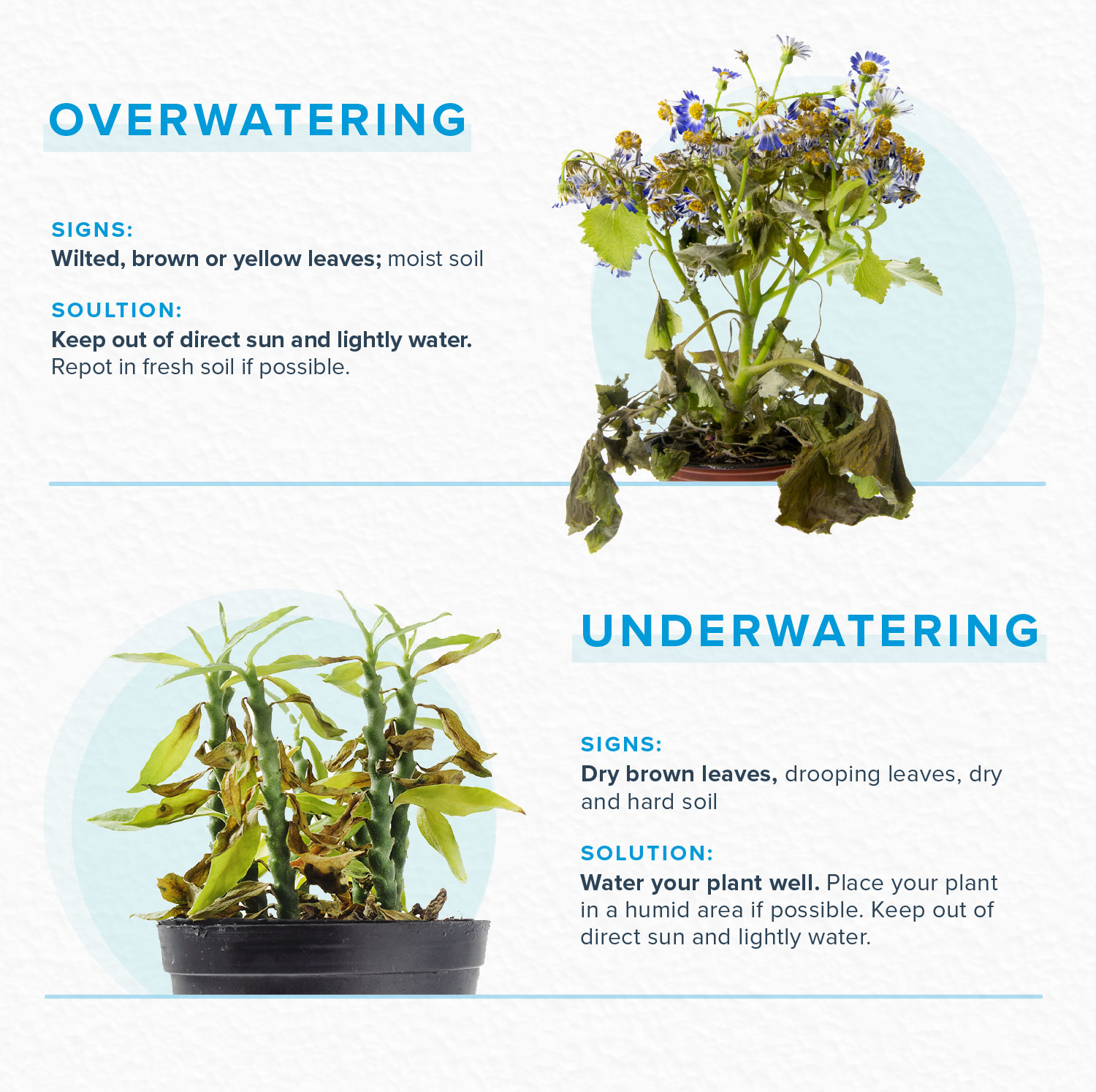
Yes, you can revive wilted plants in many cases by taking appropriate steps to address the underlying issues causing the wilting. Wilting usually occurs due to a lack of water, excess water, nutrient deficiencies, or environmental stresses. The good news is that with the right intervention, you can often restore their vitality.
Understanding the Causes of Wilting
Identifying the cause of wilting is crucial for effective revival. Common causes include:
- Underwatering: Insufficient moisture in the soil can lead to wilted leaves and drooping stems.
- Overwatering: An excess of water can suffocate roots and promote root rot, affecting the plant’s ability to absorb nutrients.
- Nutrient Deficiencies: Lack of essential nutrients can weaken the plant's overall health, leading to wilting.
- Pest Infestation: Insects such as aphids can sap the plant’s energy and cause wilting.
- Environmental Factors: Conditions like extreme heat, cold, or lack of light can stress the plant.
Steps to Revive Wilted Plants
Once you identify the cause, you can take specific steps to revive your wilted plants:
- Watering: If underwatered, provide adequate moisture without waterlogging. If overwatered, allow the soil to dry before watering again.
- Trimming: Remove any dead leaves or stems to allow the plant to focus its energy on new growth.
- Fertilizing: Apply a balanced fertilizer to address nutrient deficiencies and promote recovery.
- Adjusting Conditions: If the plant is in a poor location, move it to a spot with better light or temperature conditions.
- Pest Control: Inspect for pests and treat infestations with appropriate measures such as insecticidal soap.
Proper Watering Techniques
Watering is one of the most crucial aspects of plant care. Here are some effective watering techniques for wilted plants:
- Check Soil Moisture: Always check the soil moisture by sticking your finger 1-2 inches deep.
- Water Deeply: When you water, do so thoroughly to ensure water reaches the root zone.
- Watering Schedule: Establish a consistent schedule based on the plant's needs and environmental conditions.
Post-Recovery Care
After taking steps to revive a wilted plant, ongoing care is essential for continued health:
- Observe Growth: Monitor the plant closely for signs of recovery, such as new leaves emerging.
- Maintain Humidity: Ensure adequate humidity levels, which can be beneficial for recovery in many plant types.
- Regular Fertilization: Continue fertilizing periodically to support ongoing growth and health.
Signs of Successful Revival
Knowing when a plant has successfully recovered is important. Signs to watch for include:
See also:
- Firm Leaves: Leaves that feel firm again are a good indicator of recovery.
- New Growth: The appearance of new leaves or stems signifies that the plant is regaining its health.
- Improved Color: Rich, vibrant colors returning to the foliage can indicate that the plant is thriving once more.
How to perk up a droopy plant?
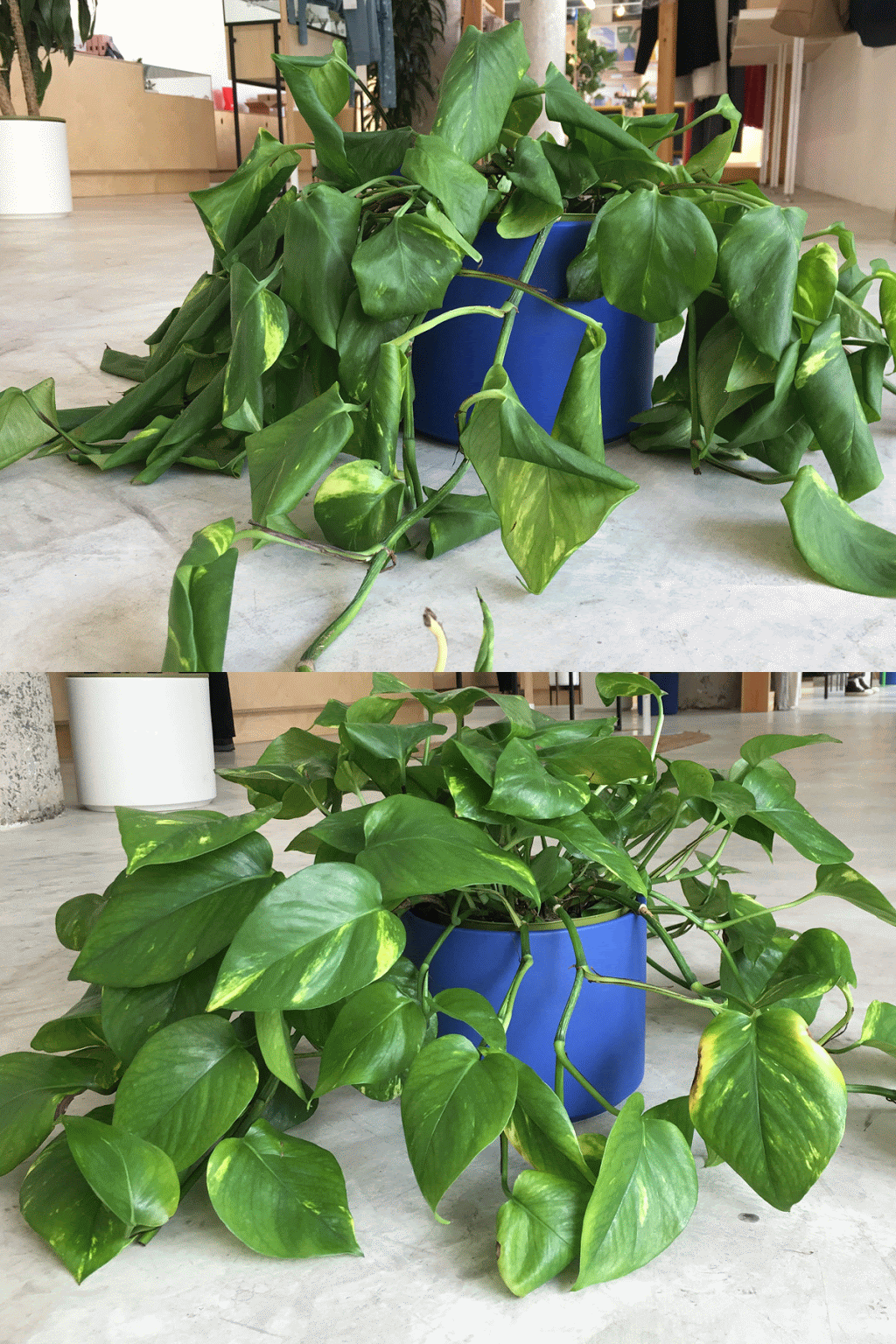
To perk up a droopy plant, first identify the underlying cause for the wilting, as this will guide you in taking the right steps. Common reasons for droopiness include insufficient water, overwatering, poor lighting, pests, or nutrients deficit. Here are several methods to revive your droopy plant:
Assess Watering Needs
To determine if your plant is suffering from either underwatering or overwatering, check the soil moisture. Stick your finger about an inch into the soil; if it feels dry, your plant likely needs water. On the other hand, if it’s soggy, you may have overwatered it. Follow these tips:
- Adjust your watering schedule: Water your plants when the top inch of soil is dry.
- Use pots with drainage holes to avoid waterlogging.
- Consider using a moisture meter for accurate readings.
Provide Adequate Light
Lighting plays a crucial role in a plant's health. If a plant receives too much or too little light, it can cause drooping. Evaluate your plant’s location and make adjustments as needed:
- Move your plant closer to a window if it is not getting enough light.
- For plants that prefer indirect light, use sheer curtains to diffuse direct sunlight.
- Rotate your plant regularly for even exposure to light on all sides.
Check for Pests
Pests can weaken a plant and lead to drooping. Inspect the leaves, stems, and soil for any signs of infestations. If you find pests, take action immediately:
- Use insecticidal soap or neem oil to combat infestations.
- Regularly wipe leaves with a damp cloth to remove any dust or small pests.
- Consider quarantining the affected plant to prevent the spread of pests.
Fertilize Appropriately
A lack of essential nutrients can also cause a plant to droop. Ensure that your plant is receiving the right kind of fertilizer at the appropriate intervals:
- Use a balanced, water-soluble fertilizer during the growing season.
- Follow the instructions on the fertilizer package for proper dosage.
- Avoid over-fertilizing, as it can lead to fertilizer burn and damage the plant.
Repot if Necessary
If the plant has outgrown its container or the soil has degraded, repotting can breathe new life into a droopy plant. Here’s how to do it:
- Choose a pot that is one size larger and has drainage holes.
- Carefully remove the plant from its current pot, gently loosening the roots if necessary.
- Fill the new pot with fresh, high-quality potting soil and place the plant back into it.
Can a withered plant be revived?
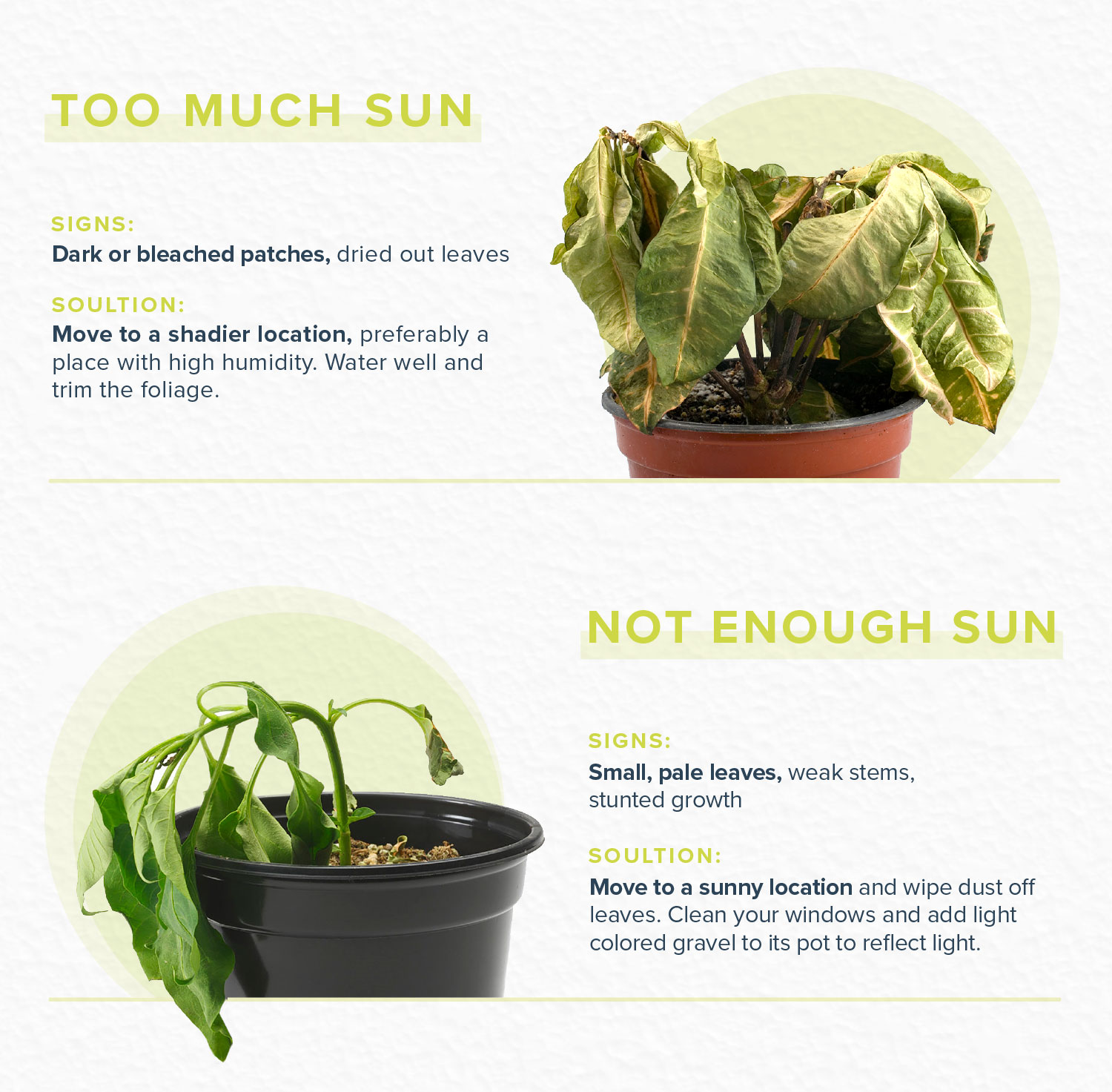
Yes, a withered plant can often be revived, but it largely depends on the extent of the damage and the type of plant. A withered or wilted plant signals that it is experiencing stress, usually due to factors such as lack of water, nutrient deficiencies, or exposure to extreme temperatures. With proper care and attention, it is possible to restore the plant’s health. The revival process typically involves assessing the plant’s condition, providing appropriate water and nutrients, and adjusting the environment to facilitate recovery.
Signs of a Withered Plant
Identifying the signs of a withered plant is crucial for effective revival. Common indicators include:
- Drooping Leaves: Leaves may look limp and sagging.
- Brown Edges: Leaf edges may become crispy and brown.
- Wilting Stems: Stems may appear weak and bent.
Recognizing these signs early can help in taking timely measures for treatment.
Watering Techniques for Revival
Proper watering is essential for reviving a withered plant. The techniques involve:
- Soaking Method: Immersing the pot in water to allow roots to absorb moisture.
- Regularity: Watering at consistent intervals based on the plant's needs.
- Drainage Check: Ensuring pots have sufficient drainage to prevent root rot.
Implementing these techniques can significantly affect the plant’s recovery.
Environmental Adjustments
Creating a suitable environment can aid in the revival of a withered plant. Consider:
See also:
- Lighting: Positioning the plant in an area with adequate sunlight, depending on its requirements.
- Temperature Control: Keeping the plant in a stable temperature zone, avoiding extreme heat or cold.
- Humidity Levels: Increasing humidity around the plant, particularly for tropical species.
These adjustments facilitate better growth conditions for struggling plants.
Nutrient Enrichment
Supplementing nutrients can be vital in restoring health to a withered plant. Follow these guidelines:
- Fertilization: Using a balanced fertilizer to provide essential nutrients.
- Organic Matter: Adding compost to improve soil quality and enhance nutrient availability.
- pH Level: Testing and adjusting soil pH to optimize nutrient absorption.
Nutrient enrichment is essential for ensuring the plant receives what it needs for recovery.
Long-Term Care for Healthy Growth
Once a plant is revived, maintaining its health requires ongoing care, which includes:
- Regular Monitoring: Keeping an eye on the plant’s health to catch any issues early.
- Pruning: Removing dead or damaged leaves to promote new growth.
- Seasonal Care: Adjusting care routines according to seasonal changes and plant lifecycle.
Long-term care ensures that a revived plant remains healthy and thrives.
Can I revive a droopy plant?
Yes, you can revive a droopy plant, but the success of this process depends on identifying the underlying cause of the droopiness. Various factors, such as inadequate watering, poor lighting, pests, or diseases, can lead to a plant looking wilted or droopy. Here are several steps you can take to assess the situation and help revitalize your plant.
Assess Watering Needs
One of the most common reasons for a droopy plant is either overwatering or underwatering.
- Check the soil moisture: Use your finger to feel the soil about an inch deep. If it feels dry, your plant likely needs water.
- Look for overwatered signs: Yellowing leaves, a mushy stem, or a foul smell from the soil can indicate overwatering.
- Adjust your watering routine: If underwatered, provide a thorough drink and allow excess water to drain. If overwatered, let the plant dry out before resuming a normal watering schedule.
Examine Lighting Conditions
Insufficient or excessive light can also cause droopiness in plants.
- Identify your plant’s light requirements: Different plants have varying needs; some thrive in direct sunlight, while others prefer indirect light.
- Move the plant: If it’s receiving too much light, relocate it to a shadier spot, or if it needs more light, place it closer to a window.
- Consider using grow lights: If natural light is insufficient, especially during the winter months, supplemental grow lights can help.
Check for Pests and Diseases
Pests and diseases often go unnoticed but can drastically affect a plant's health.
- Inspect the plant closely: Look at the leaves and stems for signs of pests such as spider mites, aphids, or mealybugs.
- Look for disease symptoms: Yellow spots, mold, or wilting areas could indicate diseases that need to be addressed.
- Treat any issues found: Use natural insecticides or quarantine infected plants to stop the spread, and take appropriate measures for diseases.
Evaluate the Soil Quality
Poor soil quality can lead to nutrient deficiencies, causing plants to become droopy.
- Check for compaction: If the soil feels hard and dry, it may be time to repot your plant in fresh soil.
- Consider soil type: Ensure your plant is in the right kind of soil mix for its specific needs (e.g., cactus soil for succulents).
- Add fertilizers: Use a balanced fertilizer if nutrient depletion is suspected, following the recommended dosage to avoid over-fertilizing.
Adjust Temperature and Humidity
Temperature and humidity levels greatly influence plant health.
- Monitor the surrounding environment: Most houseplants prefer temperatures between 65°F to 75°F (18°C to 24°C) and humidity levels around 40%-60%.
- Avoid placing plants near drafts or heat sources, such as radiators, which can cause stress.
- Increase humidity if necessary: You can mist the plant, use a humidity tray, or consider a humidifier if your home is particularly dry.
Questions from Our Readers
How can I tell if my plant is wilted?
Wilting in plants typically presents as droopy leaves and stems, often indicating that the plant is not receiving enough water or is experiencing stress. To assess if your plant is truly wilted, check the soil moisture; if it feels dry several inches down, the plant likely needs more water.
What is the best way to water a wilted plant?
To revive a wilted plant, water it thoroughly by applying enough water until it begins to drain from the bottom of the pot. Ensure the soil absorbs the moisture evenly without causing waterlogging, as this can lead to root rot. It's best to let the plant sit in its saucer for about 30 minutes to ensure it absorbs the right amount of moisture.
See also:
Are there any other methods to revive a wilted plant?
Besides watering, you can increase humidity around the plant by using a misting technique or placing a humidity tray filled with water and pebbles underneath the pot. Additionally, removing any dead leaves can help the plant focus its energy on recovering and thriving.
How long does it take for a wilted plant to recover?
The recovery time for a wilted plant largely depends on its species, the extent of the stress, and the care provided. Generally, you may start to see signs of recovery within a day or two if the plant receives the right attention; however, it can take up to a week or more for the plant to fully bounce back.

If you want to read more articles like How to Perk Up a Wilted Plant? Essential Tips and Tricks for Reviving Your Greenery, we recommend you check out our Plants category.
Leave a Reply
Related Articles