Does Epsom Salt Prevent Transplant Shock? Discover the Benefits for Your Plants

Transplant shock is a common hurdle for gardeners and plant enthusiasts alike, often hindering growth and health after moving plants from one location to another. This phenomenon can lead to wilting, stunted growth, and even plant failure. Recently, Epsom salt has gained attention as a potential remedy for mitigating these effects. Rich in magnesium sulfate, Epsom salt may offer a range of benefits for transplanting plants, from enhancing nutrient absorption to promoting overall vigor. In this article, we will explore the science behind Epsom salt and its effectiveness in preventing transplant shock, along with its practical applications for your garden.
Does Epsom Salt Prevent Transplant Shock?
Epsom salt, chemically known as magnesium sulfate, has been widely discussed for its potential benefits in gardening and plant care, particularly in mitigating transplant shock. Transplant shock occurs when a plant is moved from one location to another, often resulting in stress that can hinder its growth. While Epsom salt is known to provide essential nutrients like magnesium and sulfur, which contribute to better root development and nutrient absorption, its effectiveness in preventing transplant shock is still debated among gardeners. Some believe that soaking plant roots in a solution of Epsom salt before transplanting can improve resilience, while others argue that other factors, such as proper watering and soil quality, play a more significant role in reducing transplant shock.
What is Transplant Shock?
Transplant shock refers to the stress experienced by a plant when it is relocated from its original growing environment to a new one. This condition can lead to wilting, stunted growth, and in severe cases, plant death. The shock occurs due to various factors like disruption of roots, changes in soil conditions, and differences in moisture and light levels. Understanding transplant shock is crucial for gardeners and horticulturists to implement effective strategies that facilitate a smoother transition for the plants.
How Does Epsom Salt Help Plants?
Epsom salt is believed to be beneficial for plants due to its high content of magnesium and sulfur, two essential nutrients that promote healthy growth. Magnesium aids in the production of chlorophyll, thereby enhancing a plant's ability to perform photosynthesis efficiently. Sulfur, on the other hand, helps in protein synthesis and plays a vital role in synthesizing certain vitamins. Consequently, using Epsom salt can potentially boost overall plant health, which may help mitigate the effects of transplant shock.
Application Methods of Epsom Salt for Transplanting
There are several ways to apply Epsom salt to plants during the transplanting process. One common method involves dissolving Epsom salt in water and soaking the roots of the plant before planting. Another approach is to add a tablespoon of Epsom salt to the planting hole itself. Both methods aim to provide the plant with the necessary nutrients instantly, which may help with root development and recovery from transplant shock. Following the recommended dosing is crucial, as too much Epsom salt can lead to nutrient imbalances.
Potential Drawbacks of Using Epsom Salt
While Epsom salt has its benefits, there are potential drawbacks to consider. Over-reliance on Epsom salt can lead to an imbalance of nutrients in the soil, particularly if the soil already contains adequate magnesium and sulfur levels. Moreover, the effectiveness of Epsom salt in preventing transplant shock has not been scientifically validated. Thus, it is essential for gardeners to also focus on other factors such as soil composition, proper watering techniques, and timely planting to ensure a successful transplant.
Best Practices for Reducing Transplant Shock
To effectively reduce transplant shock, it's essential to adopt a holistic approach. Firstly, choosing the right planting time can significantly help; transplanting during cooler months or in overcast weather can minimize stress on the plant. Secondly, retaining as much of the original soil around the roots as possible helps preserve the microbial environment that the plant has adapted to. Additionally, ensuring adequate watering, both before and after transplanting, can promote a quicker recovery. While Epsom salt may play a role, incorporating these best practices can substantially improve transplant success.
| Factor | Impact on Transplant Shock |
|---|---|
| Soil Quality | Essential for nutrient retention and root growth. |
| Watering | Proper moisture levels prevent stress and aid recovery. |
| Transplant Timing | Transplanting in optimal conditions reduces shock. |
| Nutrient Levels | Adequate nutrients support plant wellness post-transplant. |
| Root Handling | Minimizing root disruption can help in quick recovery. |
When not to use Epsom salt on plants?


Epsom salt, primarily composed of magnesium sulfate, can be beneficial to many plants, but there are specific situations where its use is contraindicated. Understanding when not to use Epsom salt is crucial for providing optimal care for your plants. Below are detailed insights regarding the circumstances under which applying Epsom salt might not be advisable.
1. High Soil Magnesium Levels
Using Epsom salt in soils that already have high levels of magnesium can lead to nutrient imbalances. Adding more magnesium may not provide any benefits and could actually harm your plants. Here’s why:
- Plants need a balance of nutrients, and excessive magnesium can interfere with the uptake of other essential elements.
- Symptoms of nutrient deficiency or toxicity can manifest, leading to poor plant health.
- A soil test should be performed to determine existing nutrient levels before applying Epsom salt.
2. When Growing Acid-Loving Plants
Certain plants prefer more acidic soil conditions, and Epsom salt can alter the soil pH when applied in large quantities. This can be detrimental to acid-loving plants.
- Plants such as blueberries, azaleas, and rhododendrons thrive in low pH conditions.
- Altering the pH could lead to poor root development and reduced nutrient absorption.
- Proper pH management is essential for maintaining optimal growing conditions for these species.
3. Over-Application Risk
Applying too much Epsom salt can result in salt stress on plants. This is especially true in well-draining soils where salts can accumulate quickly.
- Symptoms of over-application include leaf burn, wilting, and overall plant decline.
- Always follow recommended dosages to avoid introducing excessive sodium and magnesium into the soil.
- Monitor your plants after application to ensure their health is not adversely affected.
4. Supplementing with Complete Fertilizers
If you're using a complete fertilizer that contains both magnesium and sulfur, additional Epsom salt may be unnecessary and could lead to excess nutrient levels.
- Complete fertilizers are designed to provide a balanced nutrient profile.
- Adding Epsom salt in this context could upset the nutrient balance and lead to toxicity.
- Read the labels of your fertilizers to understand their nutrient content and adjust accordingly.
5. Transplant Shock Situations
During periods of transplant shock, applying Epsom salt may do more harm than good. It's crucial to allow plants some time to adjust to their new environment.
- Transplanted plants need to focus on root establishment, and unnecessary additives can hinder this process.
- Stress from transplanting can lead to nutrient lockout, making it difficult for plants to absorb any newly introduced nutrients, including magnesium.
- Focus on providing proper care during recovery, such as adequate watering and light conditions, rather than introducing Epsom salt.
Does Epsom salt prevent bacterial growth?
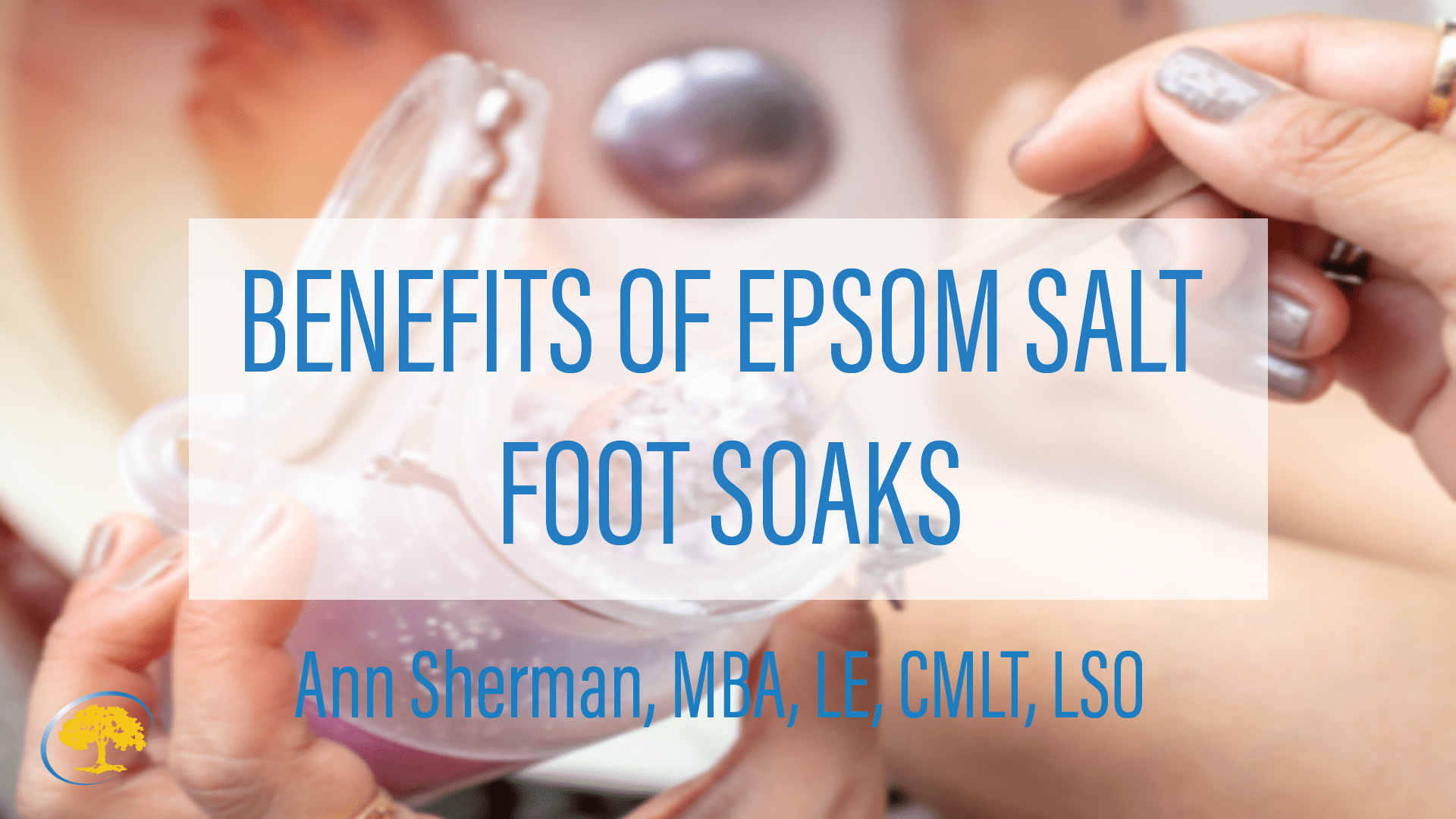
Epsom salt, scientifically known as magnesium sulfate, is often touted for its various health and therapeutic benefits. One of the questions surrounding its use is whether it can effectively prevent bacterial growth. While there is some anecdotal evidence suggesting that Epsom salt may have antibacterial properties, scientific research on this matter is still limited.
See also:
Epsom salt may impede bacterial growth primarily due to its high magnesium content. Magnesium ions can affect the cell membranes of certain bacteria, potentially disrupting their function and hampering their ability to proliferate. Nevertheless, it is essential to note that Epsom salt is not a recognized disinfectant like other chemical agents, and its effectiveness can vary depending on the type of bacteria and the concentration used.
Understanding Bacterial Growth
Bacterial growth is a complex process that allows microorganisms to reproduce and thrive in various environments. Some key points to consider about bacterial growth include:
- Nutrient Availability: Bacteria require nutrients such as proteins, sugars, and other organic compounds to grow.
- Environmental Conditions: Factors like temperature, pH, and moisture play a crucial role in bacterial reproduction.
- Competition: Bacteria often compete with other microbes for resources, which can influence their growth dynamics.
The Role of Epsom Salt in Bacterial Control
Epsom salt is sometimes used in home remedies and personal care products, and its role in controlling bacterial growth can be summarized as follows:
- Osmotic Effect: The high concentration of Epsom salt creates an osmotic environment that can draw moisture out of bacterial cells, potentially leading to dehydration and cell death.
- pH Levels: Epsom salt can influence the pH of a solution, which may create unfavorable conditions for certain bacteria.
- Possible Antimicrobial Properties: Preliminary studies suggest that magnesium may exhibit some antimicrobial activity, but further research is needed to substantiate these claims.
Comparative Effectiveness with Other Antimicrobial Agents
When examining Epsom salt's effectiveness compared to traditional antimicrobial agents, several comparisons can be drawn:
- Chlorine and Alcohol: Common disinfectants like chlorine bleach and alcohol are generally more effective in killing bacteria than Epsom salt.
- Essential Oils: Some essential oils have documented antibacterial properties that may outperform Epsom salt for specific types of bacteria.
- Natural Alternatives: Other natural methods, such as vinegar and hydrogen peroxide, have shown proven antibacterial effects that may be more effective in certain applications.
Uses of Epsom Salt in Personal Care
Epsom salt is widely used in various personal care applications, and understanding these uses helps contextualize its potential antibacterial effects:
- Bath Soaks: People often use Epsom salt in bath water to help soothe sore muscles, which may indirectly reduce the risk of infections by promoting overall hygiene.
- Foot Soaks: Soaking feet in Epsom salt solutions may help alleviate conditions like athlete's foot, although other antifungal treatments are typically recommended.
- Skin Exfoliation: Epsom salt can be used as an exfoliant, potentially aiding in removing dead skin cells where bacteria might thrive.
Limitations and Considerations
While Epsom salt has some properties that may hinder bacterial growth, several limitations need to be considered:
- Not a Disinfectant: Epsom salt is not a substitute for traditional disinfectants in medical or highly hygienic environments.
- Variable Effectiveness: Its effectiveness can vary greatly depending on the bacterial strain, environmental conditions, and concentration used.
- Potential Skin Irritation: In some cases, Epsom salt can cause skin irritation, particularly if used in high concentrations.
Questions from Our Readers
What is transplant shock?
Transplant shock occurs when a plant is moved from one location to another, resulting in stress and poor growth. This is caused by root disturbance, changes in soil conditions, and environmental factors. During this time, the plant may exhibit wilting, yellowing leaves, and stunted growth.
How does Epsom salt help with plants?
Epsom salt contains magnesium sulfate, which is essential for photosynthesis and helps improve nutrient uptake in plants. By providing magnesium, Epsom salt can enhance plant health, promote root development, and improve overall growth.
See also:
Can Epsom salt prevent transplant shock?
While Epsom salt can aid in plant recovery and enhance soil conditions, it does not completely prevent transplant shock. It may facilitate a smoother transition by supplying necessary nutrients, but other factors like careful handling and proper watering are crucial for minimizing shock during transplantation.
When should I apply Epsom salt for transplanting?
It is best to apply Epsom salt before transplanting and shortly after the process to help support the plant. Dilute Epsom salt in water and use it as a soaking solution for the roots or as a watering treatment to ensure that the plant receives the benefits during the critical adaptation period.

If you want to read more articles like Does Epsom Salt Prevent Transplant Shock? Discover the Benefits for Your Plants, we recommend you check out our Plants category.
Leave a Reply
Related Articles