Will a Plant Grow Back If You Cut the Stem? Exploring Regrowth and Plant Care Tips
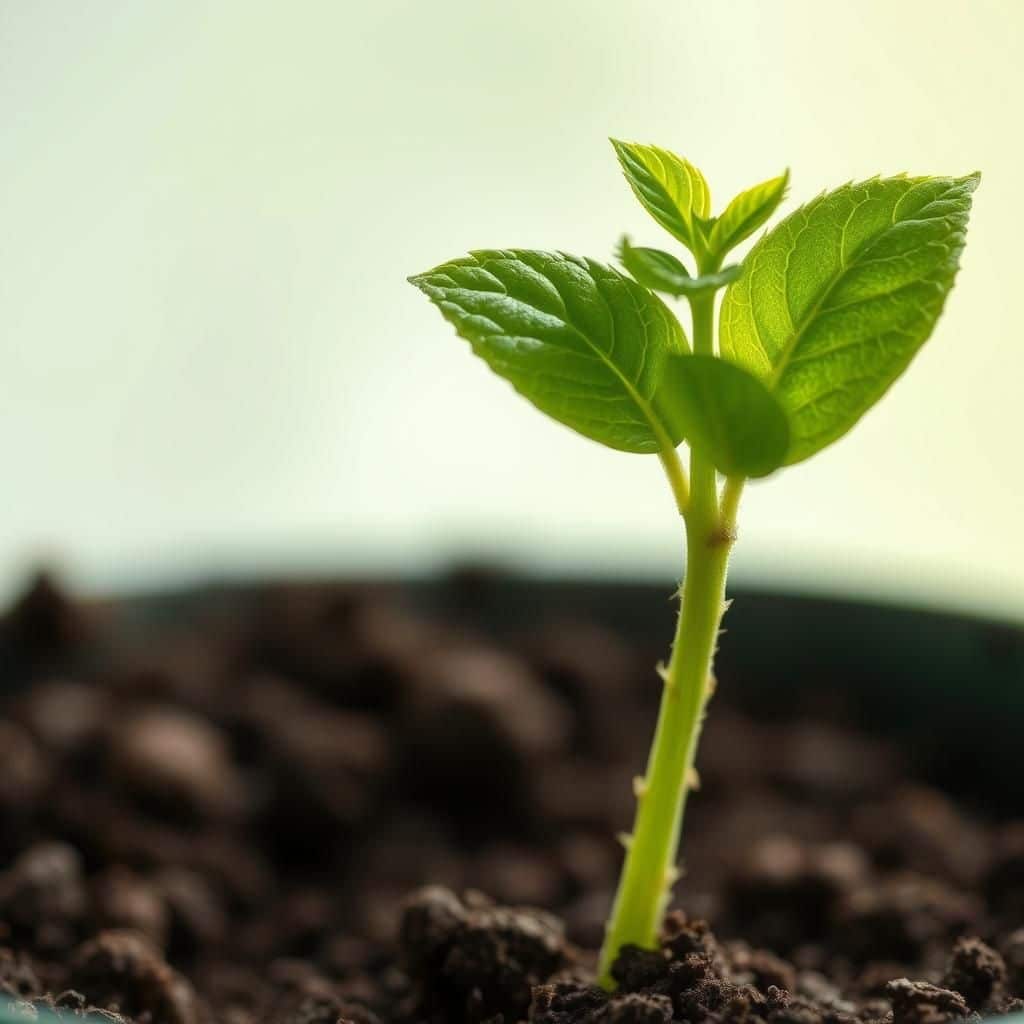
Cutting a plant's stem can be a daunting decision for gardeners and plant enthusiasts alike. Many wonder if their beloved greenery will bounce back after such a drastic measure. This article delves into the fascinating world of plant regrowth, exploring the conditions that influence recovery and the best practices for nurturing your cut plants. By understanding the science behind stem cutting and implementing effective care tips, you can foster a thriving environment for regrowth. Whether you're an experienced gardener or a curious beginner, this guide will equip you with knowledge to enhance your plant care skills and promote healthy growth.
Will a Plant Grow Back if You Cut the Stem?
When you cut the stem of a plant, whether it will grow back or not largely depends on the type of plant and the manner of the cut. In many cases, if the cut is made correctly, such as above a node where leaves emerge, the plant has a good chance of producing new shoots or branches. Some plants, particularly perennials and bushy varieties, demonstrate robust regrowth capabilities and may even thrive after being pruned. On the other hand, if the plant is a single-stemmed variety, harsh cutting might result in limited recovery. Ultimately, factors like the plant's health, growing conditions, and the timing of the cut play crucial roles in determining its ability to regrow.
Types of Plants that Regrow After Cutting
Many plants exhibit a strong capacity for regrowth after their stems are cut. For instance, herbs like basil and mint are known to sprout new growth when their stems are trimmed back. Similarly, many bush-like plants such as hydrangeas or rose bushes can regenerate after pruning, particularly during the growing season. However, some plants may not have the same resilience, making it important to understand the characteristics of the specific plant species you are dealing with.
Proper Techniques for Cutting Plants
Using the correct technique is essential for encouraging regrowth. When cutting a plant's stem, it is advisable to use clean, sharp scissors or pruners to make a clean cut that minimizes damage to the plant. Cuts should be made at an angle, typically just above a node, to encourage new shoots to emerge. Avoid cutting too close to the base, as this can hinder the plant's ability to recover. Proper technique can greatly influence the success of the plant’s recovery process.
Factors Affecting Growth Recovery
Several factors influence how well a plant can recover after a stem cut. These include the plant's overall health, the season in which the cut is made, and the surrounding environmental conditions such as light, water, and soil quality. Plants subjected to optimal conditions following a cut are more likely to thrive and produce new growth. Conversely, stress factors such as drought or pests may hinder the recovery process significantly.
See also:
Signs of Successful Regrowth
After cutting a plant's stem, there are several signs that indicate successful regrowth. New leaves or shoots emerging from the cut area generally suggest that the plant is recovering well. Additionally, robust foliage and healthy growth around the cut point indicate that the plant is redirecting its energy towards repairing and producing new growth. Monitoring these signs will help gardeners understand the plant's health post-pruning.
Transplanting vs. Cutting Stems
Transplanting a plant and cutting its stem are two different techniques with varied implications for growth. While cutting can trigger new growth from the existing plant, transplanting often involves moving the entire root system to a new location, which may also lead to initial stress but can provide long-term benefits if done correctly. Understanding when to cut and when to transplant is crucial for sustaining long-term health and growth of plants.
| Factor | Effect on Regrowth |
|---|---|
| Cutting Technique | Improves chances of healthy regrowth |
| Plant Type | Certain plants regrow better than others |
| Time of Year | Spring and early summer promote faster recovery |
| Environmental Conditions | Optimal conditions enhance growth potential |
| Overall Plant Health | Healthier plants tend to have better recovery rates |
Understanding Plant Regrowth After Stem Cutting
When a stem is cut, many plants have the ability to regrow under the right conditions. The ability for a plant to regrow largely depends on its species, the part of the plant that was cut, and how well it is cared for afterward. In some cases, such as with herbaceous plants, new shoots can emerge relatively quickly if the root system remains healthy and intact. Conversely, woody plants may take longer to produce new growth, and some may not regrow at all if the cut was made too close to the base or if the plant suffers from stress. Proper care practices, including adequate watering, light, and possibly even the application of rooting hormones, can significantly enhance the chances of successful regrowth.
Factors Influencing Regrowth
Several factors play a crucial role in determining whether a plant will regrow after its stem has been cut. Key considerations include the plant type, the timing of the cut, and the overall health of the plant before cutting. For instance, cutting during a plant’s active growing season often leads to better regrowth outcomes compared to cuts made during dormancy. Additionally, healthy plants that are regularly watered and fertilized are more likely to produce new growth after being harmed.
Best Practices for Cutting Stems
To maximize the chances of successful regrowth after cutting a plant stem, it’s important to follow best practices. Use sharp, clean tools to ensure a clean cut, which helps prevent damage to the plant and reduces the risk of disease. Make cuts at a 45-degree angle to increase the surface area for water absorption and promote quicker healing. Additionally, be cautious not to remove too much of the plant at once, as this can hinder its ability to recover.
See also:
Care Tips After Cutting
After cutting the stem, providing the right care can significantly impact whether the plant will regrow. Ensure the plant receives adequate light, but avoid placing it in direct sunlight immediately after a cut, as this can stress it further. Maintaining proper moisture levels in the soil is also essential; the soil should be kept damp, but not soggy. Additionally, consider using a rooting hormone to encourage the formation of new roots, especially in cuttings that will be repotted.
Signs of Regrowth
Recognizing the signs of regrowth is vital for monitoring the plant’s recovery. Look for new leaf shoots or buds emerging from the cut location, which typically indicates that the plant is responding positively to the cut. The presence of new growth signals that the plant is directing its energy toward healing and new development. Other signs may include a change in the plant's color or a general thickening of stems and branches as they prepare for new foliage.
Common Mistakes to Avoid
Several common mistakes can hinder a plant's regrowth after cutting. One frequent error is overwatering, which can lead to root rot and inhibit growth. Another mistake is neglecting light requirements, as insufficient light can stunt the plant's recovery process. Additionally, cutting too much of the plant at once can result in shock, further delaying regrowth. It’s essential to avoid these pitfalls to ensure the best possible outcomes for your plant after stem cuttings.
Questions from Our Readers
Will a plant grow back if you cut the stem?
Yes, in many cases, a plant can grow back if you cut the stem, as long as the plant is healthy and has sufficient resources. However, the extent of regrowth may depend on the type of plant and the location of the cut.
What type of plants are most likely to regrow after cutting the stem?
Plants such as perennials and certain shrubs are typically more likely to regrow after their stems are cut. These plants often have the ability to produce new growth from the remaining root system or dormant buds.
See also:
How should I care for a plant after cutting its stem?
After cutting the stem, it is important to provide the plant with proper care to encourage regrowth. This includes keeping it in a suitable environment, ensuring adequate moisture, and possibly applying fertilizer to promote new growth.
Can cutting the stem harm the plant?
Cutting the stem can harm the plant if done improperly or if too much is removed at once, which can lead to stress or even death. It's crucial to understand the right techniques and timing for pruning to minimize any negative impact.
https://youtube.com/watch?v=5E9GEQ6aqgk
If you want to read more articles like Will a Plant Grow Back If You Cut the Stem? Exploring Regrowth and Plant Care Tips, we recommend you check out our Plants category.
Leave a Reply
Related Articles