Does Epsom Salt Help in Rooting Plants? Discover the Benefits and Tips
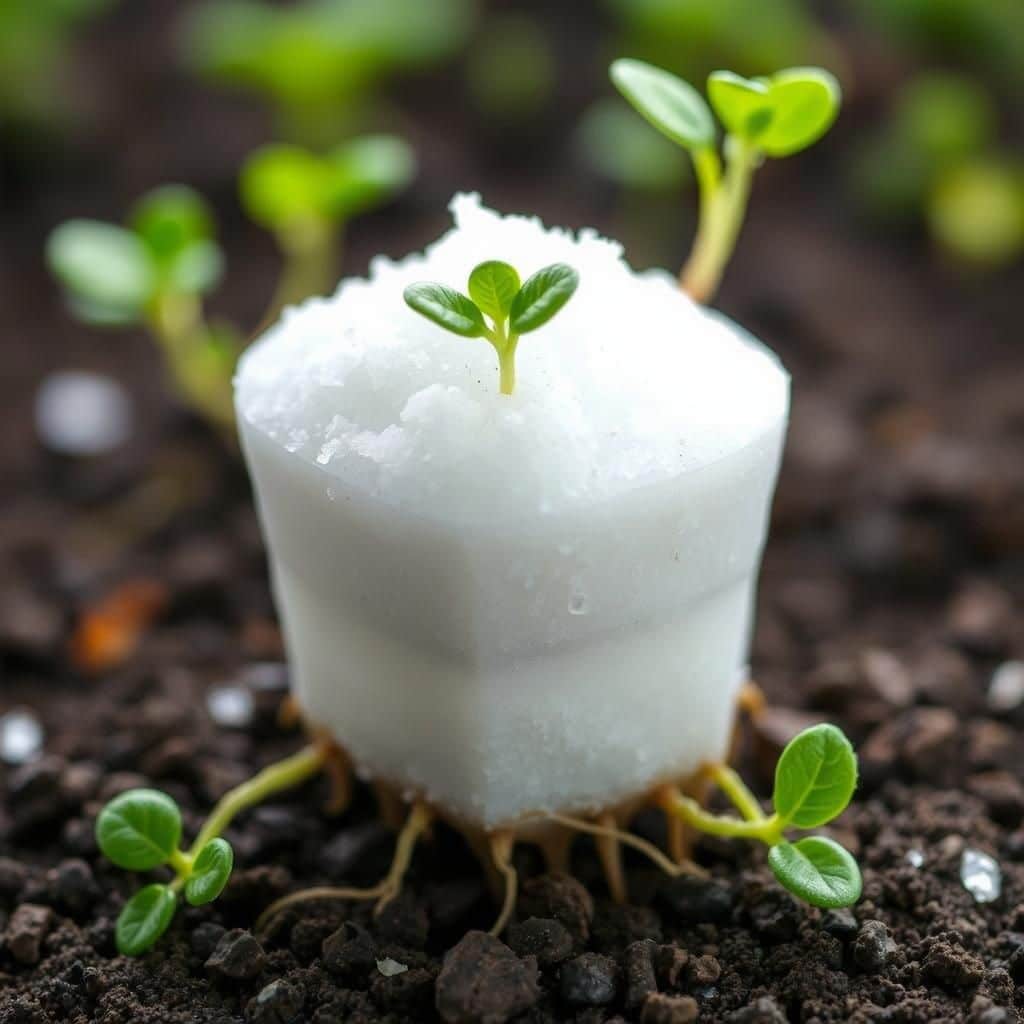
Epsom salt, composed of magnesium sulfate, has gained popularity among gardeners for its potential benefits in promoting plant health. Many enthusiasts claim that this simple household item can enhance rooting in plants, leading to stronger growth and improved yields. But how exactly does Epsom salt contribute to this process? In this article, we will explore the scientific basis behind using Epsom salt for rooting plants, outline its benefits, and provide practical tips for its application. Whether you’re a seasoned gardening expert or a novice, understanding these insights can help you cultivate thriving plants in your garden.
Does Epsom Salt Help in Rooting Plants?
Epsom salt, consisting of magnesium sulfate, is often touted as a beneficial additive for gardening, particularly in the rooting process of plants. When used in moderation, it can enhance root development by supplying magnesium, which plays a crucial role in photosynthesis and overall plant health. The presence of this mineral can help improve nutrient uptake, leading to stronger roots and a more resilient plant. Additionally, Epsom salt can promote the production of chlorophyll, potentially resulting in more vigorous growth. However, it's important to use it judiciously, as excessive application can lead to nutrient imbalances in the soil.
What is Epsom Salt?
Epsom salt is a naturally occurring mineral compound made up of magnesium, sulfur, and oxygen. Its chemical formula is MgSO4, and it is commonly used in various applications, including gardening, due to its ability to provide essential nutrients to plants. The magnesium in Epsom salt supports important plant functions, such as chlorophyll production, while sulfur contributes to the synthesis of amino acids, which are vital for protein formation in plants.
How Does Epsom Salt Affect Root Development?
The application of Epsom salt can positively impact root development by enhancing magnesium availability in the soil. Magnesium aids in nutrient absorption, and a higher concentration of this mineral can help plants develop more extensive root systems. Consequently, better root systems improve the plant's ability to access water and nutrients, leading to healthier and more robust growth overall. Additionally, magnesium promotes the production of essential plant hormones, which can further support root formation.
When is the Best Time to Use Epsom Salt?
The ideal times to apply Epsom salt are during the growing season, particularly in the spring and summer when plants are actively developing. Applying it early in the growing period can help provide the magnesium and sulfur needed for optimal root establishment and overall plant vitality. Additionally, a light application during flowering or fruiting stages can also be beneficial, as these stages require substantial nutrient resources, and Epsom salt can support these processes.
How to Apply Epsom Salt for Plants?
To apply Epsom salt effectively, dissolve approximately 1 tablespoon of Epsom salt in 1 gallon of water and use this solution to water your plants. This method allows for better absorption of the nutrients into the soil. For seedlings, you can lightly sprinkle a small amount of dry Epsom salt around the base of the plant, ensuring it is incorporated into the soil. However, care should be taken not to over-apply Epsom salt, as too much magnesium can result in nutrient lockout, negatively impacting plant health.
Are There Any Risks in Using Epsom Salt?
While Epsom salt can be beneficial for plant growth, there are potential risks associated with its use. Over-application may lead to nutrient imbalances, particularly affecting the levels of other essential nutrients in the soil, such as calcium and potassium. Additionally, excessive magnesium can hinder the absorption of these nutrients, leading to deficient plant health. It is essential to test soil composition and apply Epsom salt according to the specific needs of the plants and the condition of the soil.
| Aspect | Details |
|---|---|
| Primary Component | Magnesium sulfate |
| Benefits | Enhances root development, improves nutrient uptake |
| Best Application Time | Spring and summer during the growing season |
| Application Method | Dissolve in water for watering or sprinkle around base |
| Risks | Nutrient imbalances if over-applied |
Is Epsom salt good for root rot?

Epsom salt, scientifically known as magnesium sulfate, is often touted as a remedy for various plant ailments, including root rot. However, its effectiveness specifically for root rot requires a deeper understanding of the condition and the role of Epsom salt in plant health.
See also:
Root rot is typically caused by overwatering or poorly drained soil, leading to fungal infections that damage the roots. Epsom salt does contain essential nutrients, particularly magnesium and sulfur, which can promote overall plant health, but it may not directly combat the root rot problem itself. Here are some considerations regarding Epsom salt's role in dealing with root rot.
Understanding Root Rot
Root rot is a fungal disease that affects the roots of plants, often resulting in yellowing leaves, stunted growth, and eventually plant death. This condition occurs in waterlogged soil, leading to insufficient oxygen for the roots, thus promoting the growth of harmful pathogens.
- Overwatering is the primary cause of root rot.
- Common symptoms include wilting and browning of leaves.
- Different fungi can cause root rot, including Pythium and Phytophthora.
Role of Epsom Salt in Plant Health
Epsom salt serves as a magnesium source, which is vital for many plant functions, including photosynthesis. While magnesium helps strengthen plant cell walls and promotes growth, it does not specifically target root rot pathogens.
- It can improve nutrient uptake by facilitating chlorophyll production.
- Magnesium plays a role in enzyme function related to plant metabolism.
- Plants may exhibit improved health and resilience with adequate magnesium.
Application of Epsom Salt
When using Epsom salt, it’s important to consider its application method. It should be dissolved in water and applied as a foliar spray or soil amendment, but overuse can lead to salt build-up, which may worsen root rot.
- Mix Epsom salt in water (1-2 tablespoons per gallon).
- Apply directly to the soil around the plant or as a spray.
- Monitor plants closely to avoid signs of salt toxicity.
Preventing Root Rot
Preventing root rot involves proper watering techniques and ensuring good drainage. While Epsom salt may help to some extent, the best approach is to maintain healthy soil conditions.
- Use well-draining soil mixes for potted plants.
- Water only when the top inch of soil feels dry.
- Avoid using containers without drainage holes.
Alternative Treatments for Root Rot
Various treatments can be more effective in dealing with root rot, including fungicides and adjusting watering habits. Epsom salt can be a supplement but not a cure-all.
- Consider using fungicidal treatments specifically designed for root rot.
- Repot affected plants in fresh, dry soil.
- Trim away any dead or unhealthy roots before repotting.
Does Epsom salt promote plant growth?

Epsom salt, chemically known as magnesium sulfate, has been widely used in gardening and agriculture for its purported benefits in promoting plant growth. The primary components of Epsom salt, magnesium and sulfate, play vital roles in various physiological processes in plants.
One of the key benefits of magnesium is its role in the process of photosynthesis, where it acts as a central component of chlorophyll. Without sufficient magnesium, plants may develop yellowing leaves and stunted growth. Additionally, the sulfate component contributes to the formation of amino acids, which are essential for protein synthesis within the plant. Thus, Epsom salt can indeed promote plant growth when used appropriately.
See also:
How Epsom Salt Affects Photosynthesis
Epsom salt influences photosynthesis by increasing the magnesium content in plants. Magnesium is a core component of chlorophyll, which is crucial for capturing light energy. This energy is then used to convert carbon dioxide and water into glucose and oxygen. A well-nourished plant with adequate magnesium levels is much more effective in synthesizing food.
- Enhances chlorophyll production.
- Increases light absorption efficiency.
- Boosts carbohydrate production for energy.
The Role of Magnesium in Plant Health
Magnesium is necessary for the formation of DNA, RNA, and protein, which are critical to plant growth and reproduction. It acts as a cofactor for many enzymatic reactions, making it essential for overall metabolic functions, including the synthesis of starch and sugars.
- Involved in enzyme activation.
- Supports nutrient uptake.
- Helps in the formation of new plant cells.
Impact on Soil Quality
Epsom salt can impact the overall quality of the soil where plants reside. By adding magnesium and sulfate to the soil, it can help correct nutrient deficiencies that may affect the growth and health of plants. It can also enhance the moisture retention capacity of the soil.
- Improves mineral balance in soil.
- Enhances soil fertility.
- Stimulates beneficial microbial activity.
Best Practices for Using Epsom Salt in Gardening
When applying Epsom salt in the garden, it's imperative to follow best practices to ensure optimal results without risking plant health. Overuse can lead to nutrient imbalances and adverse effects on plant growth. Therefore, proper dosing and application methods are vital.
- Use Epsom salt sparingly, typically one tablespoon per gallon of water.
- Apply around the base of the plants to maximize absorption.
- Incorporate it into the soil during planting or as a foliar spray during the growing season.
Limitations and Considerations
While Epsom salt can be beneficial, it should not be considered a cure-all for all gardening woes. It's essential to assess the overall nutrient profile of the soil before adding any amendments, including Epsom salt. Additionally, some plants may not require extra magnesium.
- Conduct a soil test to determine nutrient needs.
- Observe plant responses after application.
- Avoid frequent use to prevent nutrient imbalances.
Questions from Our Readers
Does Epsom salt help in rooting plants?
Epsom salt can indeed be beneficial for rooting plants as it contains magnesium and sulfate, which are essential nutrients. By facilitating nutrient absorption, it can enhance root development and overall plant health when added to the soil.
How should Epsom salt be used for rooting plants?
To use Epsom salt for rooting plants, dissolve a tablespoon in a gallon of water and apply it to the base of the plants. This solution can be used during the initial planting phase or when transplanting to help support new root growth.
Are there any risks associated with using Epsom salt on plants?
While Epsom salt is generally safe for plants, excessive use can lead to an imbalance in soil nutrients and possibly harm the plant. It's essential to follow recommended application rates to avoid potential damage.
Can Epsom salt be used on all types of plants?
Yes, Epsom salt can be used on most plant types, including vegetables, flowers, and houseplants. However, some plants may respond differently, so it's a good idea to monitor their health after application.
See also:

If you want to read more articles like Does Epsom Salt Help in Rooting Plants? Discover the Benefits and Tips, we recommend you check out our Plants category.
Leave a Reply
Related Articles