Ultimate Guide: How to Take Basal Cuttings? Tips and Techniques for Successful Propagation
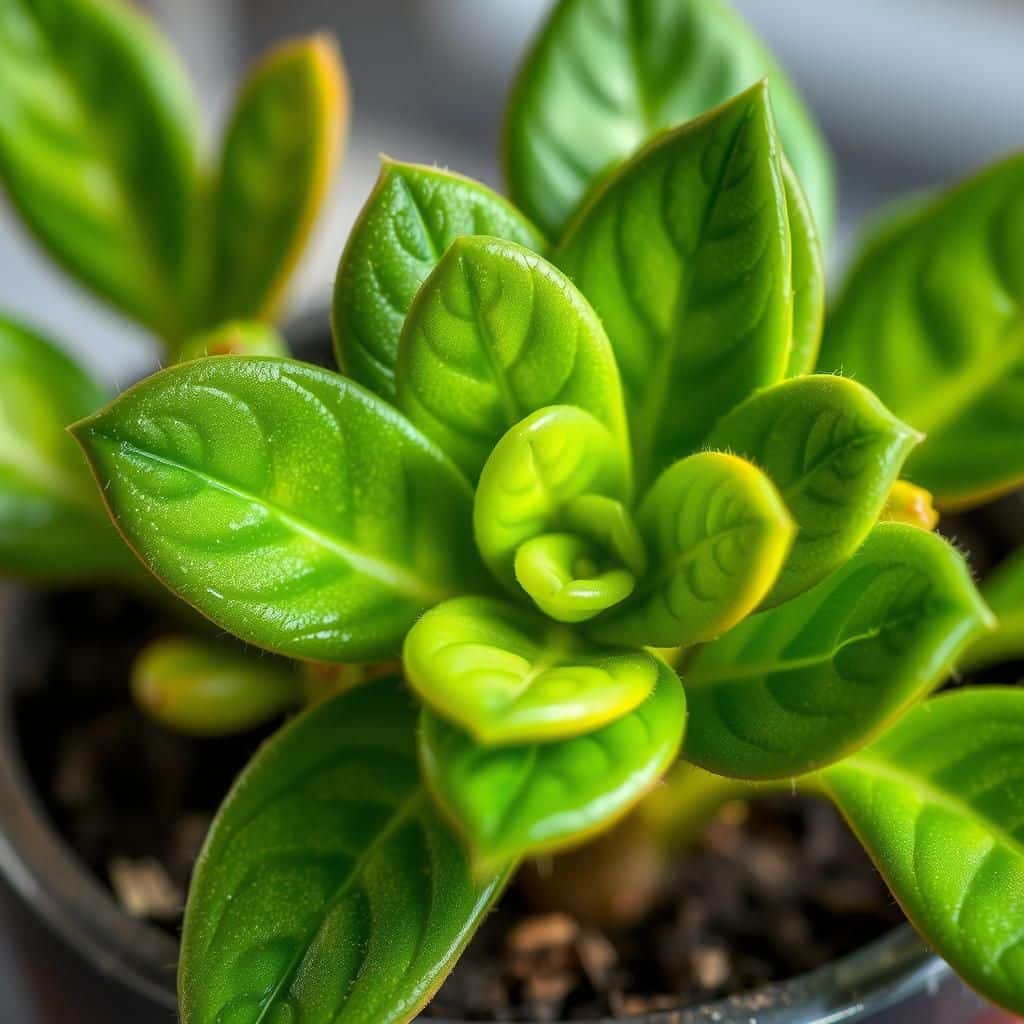
In the world of horticulture, propagation plays a crucial role in expanding your plant collection. One of the most effective methods is taking basal cuttings, a technique that allows gardeners to clone mature plants with remarkable ease. This ultimate guide will walk you through the process, offering tips and techniques to ensure successful propagation. Whether you are a seasoned gardener or a beginner, understanding the fundamentals of basal cuttings can significantly enhance your gardening skills. Join us as we delve into the best practices that will help you cultivate healthy, thriving plants from cuttings, transforming your green space into a flourishing oasis.
How to Take Basal Cuttings
Taking basal cuttings involves selecting healthy stems from the base of a plant to propagate new plants. To successfully take these cuttings, wait until the plant is in its active growth phase, ideally during spring or early summer. Choose stems that are young yet firm, as they root better than older, woody stems. Make a clean cut just below a leaf node to facilitate root development and ensure that the cuttings are around 4-6 inches long. Remove any excess leaves to minimize water loss, and then place the cuttings in a suitable medium, such as potting soil or perlite, to encourage root formation. Providing proper humidity and warmth will also enhance the success rate of rooting.
Choosing the Right Plant
When deciding on a plant from which to take basal cuttings, it's essential to select one that is healthy and vigorous. Ideal candidates include herbaceous perennials and shrubs that naturally produce new shoots at their base. Avoid plants that show signs of stress, disease, or pest infestation, as these factors could impede root development in the cuttings. Additionally, certain plants, like Coleus or Basil, are particularly known for their ability to propagate through basal cuttings, increasing your chances of success with these species.
Preparing Your Cuttings
Preparation of your cuttings is a critical step in the propagation process. After selecting suitable stems, make a precise cut approximately half an inch below a leaf node, which is where roots will form. Trim the cuttings to a manageable length of about 4-6 inches, ensuring you have multiple nodes on each cutting for better rooting potential. Remove any lower leaves to prevent them from rotting when planted, leaving just a few leaves at the top to help the plant during the initial rooting stage.
Rooting Medium
Choosing the right rooting medium is vital for the success of your basal cuttings. A well-aerated medium, such as a mixture of potting soil and perlite or coconut coir, will enhance drainage and prevent rot. Ensure the medium is moist but not soggy, as excessive moisture can lead to fungal diseases and cutting failure. You can also consider using hormones to stimulate root growth, applying them to the cut ends before planting them in the medium.
Providing Optimal Conditions
To promote successful rooting of your cuttings, it's important to create an environment that fosters growth. Place your cuttings in a location where they receive bright, indirect sunlight. Covering them with a plastic bag or using a propagation dome can help maintain humidity, which is essential for root development. Keep the temperature consistent, ideally between 65°F and 75°F (18°C and 24°C), to encourage the cuttings to take root efficiently.
Transplanting Cuttings
Once your cuttings have developed a healthy root system, which typically takes a few weeks, it's time to transplant them. Carefully remove the cuttings from the rooting medium, being gentle to avoid damaging the fragile new roots. Prepare a larger pot with fresh potting soil and make a hole in it to accommodate the new roots. Place the cutting in the pot, ensuring that the root ball is covered and firmly in place. Water thoroughly to help settle the soil around the roots and encourage further growth.
| Step | Description |
|---|---|
| Select Plant | Choose a healthy, vigorous plant for cuttings. |
| Prepare Cuttings | Make clean cuts just below leaf nodes and trim excess leaves. |
| Use Medium | Select a well-draining rooting medium. |
| Maintain Conditions | Ensure bright light and humidity for healthy growth. |
| Transplant Carefully | Move rooted cuttings to larger pots for continued growth. |
Is it better to root cuttings in water or soil?

Rooting cuttings can be approached in two primary methods: water propagation and soil propagation. Each method has its own advantages and disadvantages, which can influence the success rate of rooting cuttings.
Water Propagation Overview
Water propagation involves placing cuttings in a container filled with water. This method allows for visible root development, making it easy to monitor the growth.
- Accessibility: Water is readily available and easy to change, making it a convenient medium for many plant enthusiasts.
- Observation: You can see the roots forming, allowing for timely decisions regarding the transplanting of the cuttings into soil.
- Preventing Pests: Rooting in water can minimize the risk of soil-borne pests and diseases at the initial rooting stage.
Soil Propagation Overview
Soil propagation involves placing cuttings directly into a suitable soil medium. This method provides more stable conditions for cuttings once they begin to root.
- Natural Environment: Soil offers a more natural growth medium that can lead to stronger root systems.
- Nutrient Availability: Soil provides nutrients essential for the growth of the cutting and encourages better overall health.
- Territorial Adaptation: Cuttings in soil can adapt better to their eventual growing environment, leading to a smoother transition after transplanting.
Environmental Considerations
The choice between water and soil for rooting cuttings can depend heavily on environmental factors.
- Humidity: High humidity environments favor water propagation, while dry conditions may require soil propagation to retain moisture.
- Temperature: Warmer temperatures often speed up the rooting process, whether in water or soil.
- Light Exposure: Bright, indirect light can enhance root growth in both mediums, but care should be taken to avoid direct sunlight.
Types of Cuttings
The type of cutting also influences whether water or soil propagation is better suited.
See also:
- Herbaceous Cuttings: These often root well in water due to their softer stems.
- Woody Cuttings: These cuttings typically benefit from being placed directly in soil, as they require more stable conditions.
- Semi-Hardwood Cuttings: These can do well in both mediums but may show better success rates in soil.
Success Rates
Understanding the success rates of each method can help determine which is best for your specific circumstances.
- Water Rooting Success: Cuttings rooted in water may develop roots quickly, but they often lack the strength for transplanting into soil.
- Soil Rooting Success: While soil may take longer for rooting to occur, the resulting roots are typically sturdier and better adapted to their environment.
- Combination Approaches: Some gardeners prefer to start cuttings in water and then transition them to soil for better stability and growth.
What plants are suitable for basal cuttings?

Basal cuttings are a popular and effective method for propagating various plants. This technique involves taking cuttings from the base of a plant, where younger growth often occurs. Many plants are suitable for this type of propagation, particularly perennial herbs, shrubs, and some flowering plants.
Popular Herbs for Basal Cuttings
Many culinary and medicinal herbs can be easily propagated using basal cuttings. These plants tend to grow from the base, making them ideal for this technique. Some common examples include:
- Basil - A fast-growing herb that roots easily.
- Mint - With its vigorous growth, mint can thrive from basal cuttings.
- Thyme - A hardy herb that can be propagated with minimal effort.
Flowering Plants Suitable for Basal Cuttings
Several flowering plants can also be successfully propagated through basal cuttings. These plants often exhibit strong basal growth, which is advantageous for rooting. Examples include:
- Hydrangeas - Known for their beautiful blooms, hydrangeas root very well from the base.
- Fuchsias - These shrubs can be propagated effectively using basal cuttings.
- Lavender - Aromatic and beautiful, lavender can be easily multiplied.
Shrubs and Woody Plants for Basal Cuttings
Certain shrubs and young woody plants can also be propagated using basal cuttings. These plants are often resilient and support rooting from the lower sections:
- Rosemary - A robust shrub that can grow from basal cuttings with ease.
- Salvia - This plant thrives well with basal propagation methods.
- Juniper - Many juniper varieties can root well from the lower branches.
Perennials Ideal for Basal Cuttings
Many perennial plants can be propagated through basal cuttings, allowing gardeners to expand their collection. These plants typically have a strong growth base, making them suitable for this technique:
- Hostas - Known for their foliage, hostas can be propagated easily.
- Daylilies - These hardy perennials can root from cuttings when taken from the base.
- Peonies - While traditionally propagated through division, basal cuttings can also be effective.
Understanding the Best Time for Basal Cuttings
Timing is crucial when taking basal cuttings, as certain plants root better at specific times of the year. Here are some considerations:
- Spring - Ideal for many perennials and shrubs as they are actively growing.
- Summer - Suitable for herbs and some flowering plants, benefiting from the warmth.
- Fall - Some woody plants can be propagated successfully as they go dormant.
When to take phlox cuttings?

Phlox is a beautiful flowering plant that can be propagated through cuttings, which is an effective method to ensure you have new plants. The best time to take phlox cuttings is in the late spring to early summer, specifically from May to June, when the plants are actively growing. This time frame allows the cuttings to root more effectively and grow into healthy new plants. Cuttings taken during this period will typically be semi-hardwood, which means they are somewhat firm but still contain some moisture, allowing them to establish roots well.
Understanding the Best Time for Cuttings
Taking phlox cuttings at the right time is crucial for success. During late spring and early summer, phlox plants have plenty of nutrients and energy to support new growth. The important factors to consider include:
- Plant Health: Ensure the parent plant is healthy and free of diseases.
- Seasonal Growth: Target the time when the plant has reached a growth phase to maximize root development.
- Weather Conditions: Opt for a day that is not excessively hot or dry to reduce stress on the cuttings.
Choosing the Right Cuttings
When selecting which parts of the plant to cut, it is important to choose the right stems. Look for the following characteristics:
- Stem Age: Choose semi-hardwood stems, which are mature but still flexible.
- Node Presence: Select cuttings that contain at least one node, as this is where roots will develop.
- Healthy Foliage: Ensure leaves are healthy and free from pests or diseases to propagate robust plants.
Preparation for Taking Cuttings
Once you have selected the appropriate stems, prepare them properly for propagation:
See also:
- Make Clean Cuts: Use sharp, sanitized scissors or pruning shears to cut the stems at an angle.
- Remove Lower Leaves: Strip away leaves from the bottom half of the cutting to prevent rot in the soil.
- Use Rooting Hormone: Optionally, dip the cut end in rooting hormone to enhance root development.
Creating the Right Environment for Rooting
After taking the cuttings, it is essential to place them in a suitable environment to encourage rooting:
- Moist Soil: Use a well-draining potting mix that retains moisture without becoming waterlogged.
- Humidity Levels: Maintain high humidity by covering cuttings with a plastic bag or using a mini greenhouse.
- Indirect Light: Place cuttings in a location with bright, indirect sunlight to prevent leaf scorch.
Care for New Phlox Plants
As your phlox cuttings establish roots, provide the following care to support their growth:
- Watering Routine: Keep the soil consistently moist but not soggy to encourage healthy root development.
- Temperature Management: Ensure temperatures remain mild; avoid extreme heat or cold.
- Fertilization: After a few weeks, consider applying a diluted fertilizer to encourage further growth.
What is the basal end of a cutting?
The basal end of a cutting refers to the part of a plant cutting that is typically placed in the soil or a growth medium to promote root development. It is the lower end of a cutting, which is often taken from a healthy parent plant and includes specified characteristics that aid in successful propagation. Ensuring that the basal end is properly prepared and positioned is crucial for successful rooting and subsequent growth.
Understanding the Basal End
The basal end of a cutting is identified as the section that was closest to the parent plant. This part has unique physiological features that make it suitable for generating roots. When cutting a plant for propagation, identifying and preparing this section correctly can significantly increase the chances of successful rooting.
- Identifying the right cutting length.
- Understanding the physiological traits of the basal end.
- Knowing how to treat the basal end for optimal rooting.
Importance of Proper Cutting Technique
Using the correct technique when taking a cutting is essential. The way you cut the plant can determine how well it will root from the basal end. The cutting should be made just below a node, which is typically where roots are more likely to grow.
- Make a clean cut at a 45-degree angle.
- Ensure that the cutting is taken from a healthy part of the plant.
- Avoid crushing the tissue of the basal end during cutting.
Preparing the Basal End for Planting
After cutting, the basal end should be prepared for planting. This may involve removing excess leaves or flowers that could sap energy from the rooting process and increasing the chances of the cutting thriving.
- Trim any leaves to reduce water loss.
- Dip the basal end in rooting hormone to encourage root growth.
- Ensure the cutting is the appropriate size to fit into the chosen planting medium.
Choosing the Right Planting Medium
Selecting an appropriate planting medium is crucial for the basal end of the cutting. The medium should provide adequate drainage and aeration while retaining enough moisture for the cutting to root effectively.
- Use a sterile potting mix or seed starting mix.
- Consider using a mixture of sand and peat for better drainage.
- Ensure that the pot or container has sufficient drainage holes.
Care and Maintenance After Planting
Once the basal end has been planted, it’s essential to maintain the right conditions for rooting. This includes finding the right amount of light and ensuring the medium remains moist but not soggy.
- Place the cutting in a warm location with indirect sunlight.
- Monitor moisture levels, allowing the top of the medium to dry slightly between waterings.
- Be patient, as root development may take several weeks depending on the plant species.
Questions from Our Readers
What are basal cuttings?
Basal cuttings refer to the technique of taking cuttings from the base of a plant, usually from healthy, young shoots. This method is especially effective for many perennials and can help propagate new plants that maintain the same characteristics as the original.
When is the best time to take basal cuttings?
The ideal time for taking basal cuttings is typically in early spring or late summer when the plant is in its active growing phase. This timing ensures the cuttings have sufficient energy to root successfully and grow into strong new plants.
How do I prepare the cuttings for rooting?
To prepare basal cuttings for rooting, use a clean, sharp knife or scissors to take a 6-8 inch section from the base of the plant. Make a diagonal cut just below a leaf node and remove any lower leaves to minimize moisture loss, then dip the cut end in rooting hormone to enhance rooting potential.
What conditions do basal cuttings need for successful rooting?
Basal cuttings thrive in warm, humid conditions and should be placed in a lightly shaded area. Keeping the medium consistently moist but not soggy, and maintaining temperatures around 70-75°F (21-24°C) will encourage healthy root development.
See also:

If you want to read more articles like Ultimate Guide: How to Take Basal Cuttings? Tips and Techniques for Successful Propagation, we recommend you check out our Plants category.
Leave a Reply
Related Articles