How Long Do Cuttings Take to Root? A Complete Guide for Gardeners
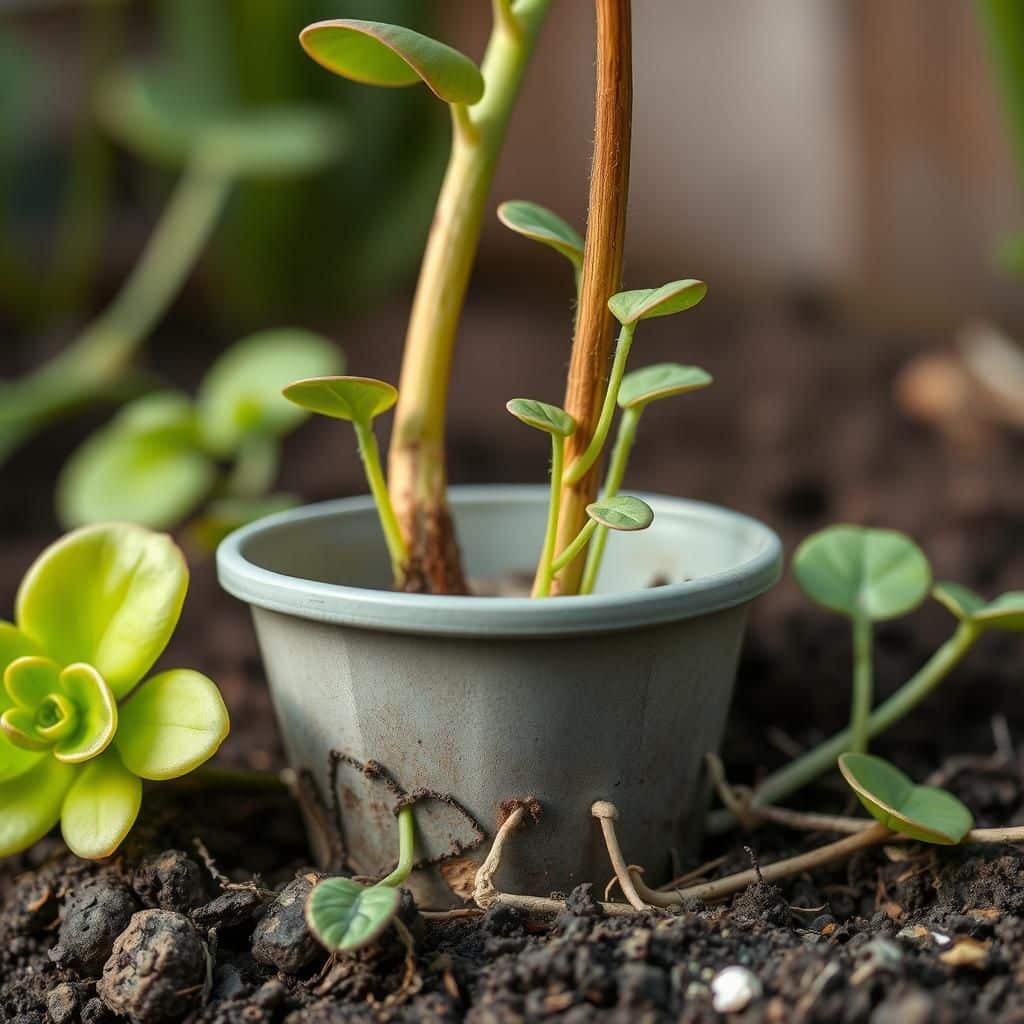
When delving into the world of gardening, understanding the rooting process of cuttings is essential for successful propagation. Many gardeners, whether novice or experienced, often wonder: how long do cuttings take to root? This comprehensive guide aims to answer that question while exploring the various factors that influence rooting time, including plant species, environmental conditions, and the methods used. By mastering the rooting process, you can efficiently grow new plants from existing ones, expanding your garden and enhancing its beauty. Prepare to gain valuable insights that will set your gardening journey on the right path.
How Long Do Cuttings Take to Root?
When propagating plants from cuttings, the time it takes for them to root can vary significantly depending on several factors such as the type of plant, the environment, and the propagation method used. Typically, herbaceous cuttings (like those from basil or mint) can root within 1 to 3 weeks, while woody cuttings (such as those from shrubs or trees) often take several weeks to months to establish roots. Ideal conditions, including warmth, humidity, and proper medium, play a crucial role in speeding up the rooting process. Understanding the specifics of each plant type can greatly enhance the success rate and speed of rooting cuttings.
Factors Influencing Rooting Time
Several factors can influence the time it takes for cuttings to establish roots. These include the species of plant, the age of the cutting, the conditions provided, and whether rooting hormones are used. Younger cuttings generally root faster than older ones, and providing a warm and humid environment can help speed up the process considerably. The medium in which the cuttings are placed, such as soil, water, or a specific propagation mix, can also affect the root development time.
Types of Cuttings
There are mainly two types of cuttings: herbaceous and woody. Herbaceous cuttings, taken from non-woody stems, typically root faster—often within 1 to 3 weeks—and include plants like flowers and herbs. On the other hand, woody cuttings, which come from mature trees and shrubs, tend to take longer—ranging from a few weeks to several months—due to their tougher structure and the need for more robust root systems.
Optimal Conditions for Rooting
To enhance the root development time of cuttings, maintaining optimal conditions is essential. High humidity, consistent moisture, and warm temperatures facilitate faster root growth. A humidity dome or plastic cover can help retain moisture, while ensuring good air circulation can prevent mold. Light exposure should be indirect, as direct sunlight can stress the cuttings. Proper temperatures usually lie between 70°F to 75°F (21°C to 24°C) for most cuttings.
Signs That Cuttings Are Rooting
Identifying when cuttings have developed roots can be subtle. Signs include new leaf growth, which indicates that the cutting is establishing itself and photosynthesizing actively. To check for root development, gently tug on the cutting; resistance may indicate root growth. Another method is to observe the condition of the cutting's stems and leaves; healthy, turgid leaves suggest that the cutting is thriving, while wilting or yellowing leaves indicate stress and potential failure.
Comparison of Rooting Times for Different Plants
| Plant Type | Typical Rooting Time |
|---|---|
| Herbaceous Cuttings (e.g., Basil) | 1 to 3 weeks |
| Softwood Cuttings (e.g., Hydrangea) | 2 to 4 weeks |
| Semi-Hardwood Cuttings (e.g., Juniper) | 4 to 6 weeks |
| Hardwood Cuttings (e.g., Roses) | 6 weeks to several months |
How do you make cuttings root faster?

To make cuttings root faster, several techniques can be employed to enhance the rooting process and ensure successful propagation. Here are some effective methods:
Choose the Right Cutting
Selecting the appropriate type of cutting is essential for successful rooting. Generally, softwood cuttings root quicker than hardwood or semi-hardwood cuttings. When taking a cutting, consider the following:
- Opt for healthy, disease-free stems.
- Take cuttings in the right season, typically during the growing season for most plants.
- Cut at a 45-degree angle to increase the surface area for water absorption.
Use Hormones to Stimulate Rooting
Rooting hormones promote faster root development in cuttings. These hormones can be found in powdered or liquid form and are made from natural or synthetic compounds. To utilize rooting hormones:
See also:
- Dip the cut end of the cutting into rooting hormone before planting.
- Tap off any excess hormone to prevent rot.
- Ensure you use the correct type of hormone suitable for your specific plant type.
Maintain Optimal Environmental Conditions
Creating the right environment for cuttings is crucial for successful rooting. Cuttings require specific conditions to thrive:
- Keep the temperature between 65°F – 75°F (18°C – 24°C) to encourage growth.
- Maintain high humidity levels around the cuttings, which can be done by covering them with a plastic bag or humidity dome.
- Ensure proper air circulation to prevent mold growth.
Use Quality Potting Mix
The medium in which cuttings are planted significantly affects rooting. A well-draining potting mix is crucial. Consider the following tips:
- Use a mixture of peat moss and perlite for excellent drainage and aeration.
- Ensure the potting mix is sterile to minimize disease risk.
- Avoid using garden soil, as it may retain too much moisture and harbor pests.
Watering Techniques
Proper watering techniques can significantly enhance the rooting process for cuttings. Here are effective practices:
- Water the cuttings adequately after planting to ensure soil moisture without waterlogging.
- Use a spray bottle to mist the cuttings regularly, maintaining humidity without oversaturation.
- Check for moisture levels frequently, as cuttings may dry out faster than established plants.
How long does it take for cuttings to make roots?

The duration it takes for cuttings to develop roots can vary significantly based on several factors, including the type of plant, the method of propagation, environmental conditions, and the overall health of the cutting. Generally, most cuttings may take anywhere from two to eight weeks to root successfully. However, some plants may root faster, while others could take longer.
Factors Influencing Rooting Time
The time required for cuttings to form roots is affected by various factors:
- Plant Species: Some species, like pothos or monstera, root much faster (within 2 weeks), while others, like woody plants or certain shrubs, may take several months.
- Cutting Type: Softwood cuttings typically root faster than hardwood cuttings, with softwood often taking just a few weeks.
- Environmental Conditions: Ideal conditions such as humidity, temperature, and light can significantly speed up the rooting process.
Best Practices for Successful Rooting
To ensure the best chance of success for your cuttings, consider the following best practices:
- Use Sterile Tools: Always use sterile tools when taking and handling cuttings to prevent disease.
- Choose the Right Medium: A well-draining rooting medium, such as perlite or a mixture of peat and sand, promotes better root growth.
- Moisture Maintenance: Ensure the cuttings remain moist but not waterlogged to encourage optimal rooting.
Common Plants and Their Rooting Times
Different plants have varying rooting times, which can be beneficial to know when propagating:
- Herbs: Common herbs like basil may root within 1-2 weeks.
- Succulents: Succulent cuttings often take around 2-3 weeks to root.
- Ornamental Plants: Many ornamental plants can take from 4-8 weeks, such as hydrangeas.
Signs of Successful Rooting
Recognizing when your cuttings have successfully rooted is crucial for proper care:
- New Growth: The emergence of new leaves or shoots is a positive indicator of root development.
- Resistance to Tugging: If the cutting resists gentle tugging, this often indicates that roots have formed.
- Established Roots: If you can see roots through the container or medium, this is a clear sign of successful rooting.
Aftercare for Rooted Cuttings
Once your cuttings have rooted, proper care is essential for their growth:
See also:
- Acclimatization: Gradually acclimate roots to their new environment by slowly introducing them to normal light and temperature conditions.
- Regular Watering: Keep the soil consistently moist, allowing for minimal drying between waterings without over-saturating.
- Fertilization: Consider providing a diluted fertilizer once new growth appears to promote healthy development.
How do I know if my cuttings have rooted?

To determine if your cuttings have rooted, you can look for several key indicators during the propagation process. Here are some effective methods and signs that will help you know whether your cuttings have developed roots.
Visual Inspection of Roots
One of the simplest ways to check for root development is through a visual inspection. Depending on the medium you are using, you may be able to see the new roots growing.
- Remove the cutting carefully from its growing medium.
- Examine the base of the cutting for any signs of roots. They often appear as fine white threads.
- Replace the cutting gently back into the medium if no roots are found yet.
Checking for Resistance
Another method involves checking how resistant the cutting feels when you gently pull on it. If roots have developed, the cutting should exhibit a slight resistance.
- Gently tug on the cutting by the stem without pulling it out of the medium.
- If it feels firmly anchored and does not easily come out, roots are likely present.
- If it comes out easily, then roots may not have formed yet.
New Growth Indicators
A positive sign of rooting can be observed through new growth. If your cutting starts to develop new leaves or shoots, it’s indicative of successful rooting.
- Look for new leaves emerging from the nodes of the cutting.
- Watch for any growth at all, such as the expansion of existing leaves.
- Both are strong signals that the cutting has established roots and is continuing to grow.
Utilizing Rooting Hormones
If you’ve used rooting hormones, you might notice different rooting patterns. Using these can usually promote quicker growth and easier identification of rooting.
- Follow the instructions on the hormone application to enhance root formation.
- Cuttings treated with rooting hormones often show roots faster than those untreated.
- Periodically check the cuttings to gauge development speed.
Duration and Environment Considerations
The time it takes for cuttings to root can vary based on plant species, environmental conditions, and the medium used.
- Monitor the duration of rooting as different plants have different timelines.
- Maintain optimal conditions such as heat, humidity, and moisture which can influence rooting.
- Patience is key – sometimes it can take longer than expected for roots to form.
Questions from Our Readers
How long do cuttings take to root?
Cuttings typically take 1 to 4 weeks to root, depending on the type of plant, the environmental conditions, and the care provided. Some plants may root faster in optimal conditions, while others might take longer if the conditions are not ideal.
What factors influence the rooting time of cuttings?
Several factors influence the rooting time of cuttings, including temperature, humidity, light exposure, and the type of plant material used. Providing the right environment can significantly speed up the rooting process.
Can I speed up the rooting process for my cuttings?
Yes, you can often speed up the rooting process by using rooting hormones, maintaining adequate humidity, and ensuring a warm temperature. Additionally, making sure the cuttings receive the right amount of light can also enhance rooting.
See also:
What should I do if my cuttings don’t root?
If your cuttings don’t root, first ensure that you’re providing the proper conditions such as temperature and moisture levels. If the conditions were right, it might be worth trying again with fresh cuttings or investigating if the original plant had any underlying issues.
If you want to read more articles like How Long Do Cuttings Take to Root? A Complete Guide for Gardeners, we recommend you check out our Plants category.
Leave a Reply
Related Articles