What is the best natural rooting hormone? Discover Top Options for Plant Propagation

Rooting hormones are essential tools for successful plant propagation, helping to encourage root development and enhance the chances of cutting survival. With various options available, both commercial and natural, gardeners often seek the most effective and eco-friendly solutions. In this article, we will explore the best natural rooting hormones derived from everyday ingredients and how they compare to synthetic alternatives. Discovering the top options not only promotes sustainable gardening practices but also allows enthusiasts to experiment with different methods to find what works best for their specific plants. Join us as we delve into the world of natural rooting hormones.
What is the Best Natural Rooting Hormone?
Natural rooting hormones are compounds that facilitate the development of roots in plant cuttings. Among the best-known natural rooting hormones, willow water stands out due to its high levels of auxins, which are vital in promoting root growth. To prepare willow water, you can soak young willow twigs in water for a few days, releasing these beneficial compounds into the solution. Other natural options include honey, which has antimicrobial properties, and cinnamon, known for its ability to prevent fungal infections, thus creating an optimal environment for root development.
Willow Water
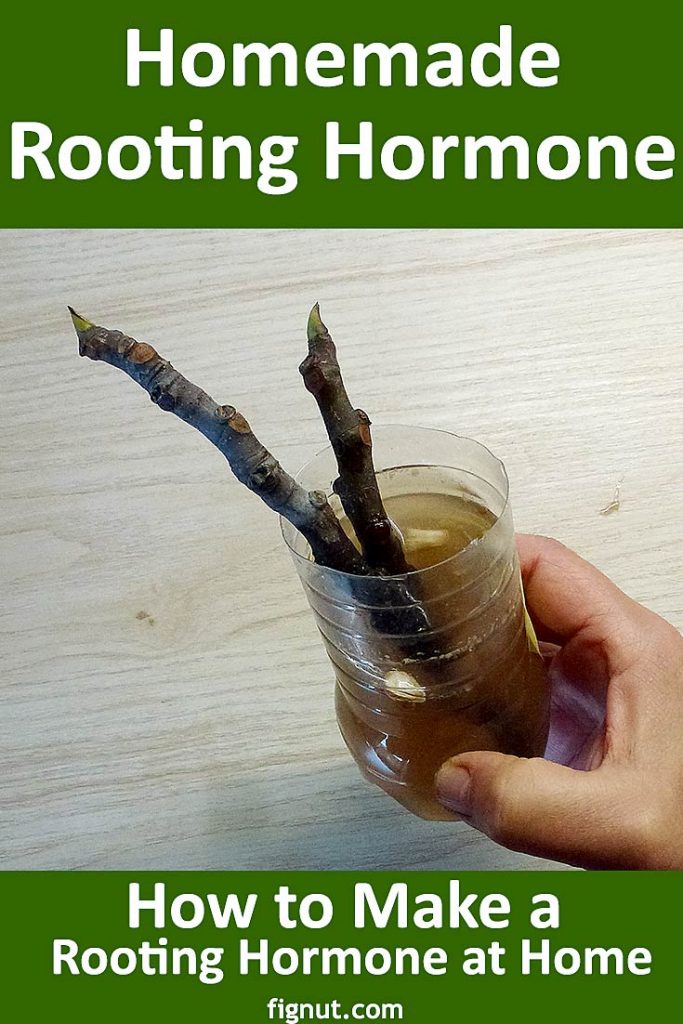
Willow water is derived from the stems of the willow tree, which contains a natural rooting hormone called indole-3-butyric acid (IBA). This hormone stimulates root cell development in plants, making willow water an effective choice for propagating cuttings. To make willow water, collect some young willow branches, chop them into small pieces, and soak them in water for 24 to 48 hours. This infusion can significantly enhance rooting success when applied to plant cuttings.
Honey
Honey, a natural substance known for its antibacterial and antifungal properties, can also serve as an effective rooting agent. The sugars in honey provide a source of energy for the cuttings, while its inherent enzymes and antioxidants promote healthy root development. To use honey as a rooting hormone, simply dip the cut end of your cutting into honey before planting it in soil or a growing medium.
Cinnamon
Cinnamon is another remarkable natural rooting hormone, primarily known for its fungicidal and antimicrobial effects. When powdered cinnamon is applied to the cut ends of plant cuttings, it helps to prevent diseases and encourages healthy root growth. Its unique properties protect the vulnerable cut ends from rot, allowing the cuttings to establish roots more effectively when placed in a growing medium.
Aloe Vera
Aloe vera gel is a popular natural rooting hormone due to its high concentration of growth hormones and nutrients. This succulent contains auxins that promote root development and help strengthen the overall health of the plant. To use aloe vera as a rooting hormone, cut a leaf, extract the gel, and apply it to the cut end of your plant cutting before placing it in soil.
Banana Peel
Banana peels are rich in potassium, which is essential for the development of roots and overall plant growth. By placing banana peels in the soil with your cuttings, you can provide a slow release of nutrients that support root establishment. Alternatively, you can blend banana peels with water to create a nutrient-rich solution to soak your cuttings before planting.
| Natural Rooting Hormone | Main Component | Benefits |
|---|---|---|
| Willow Water | IBA (Indole-3-butyric acid) | Stimulates root growth |
| Honey | Natural sugars, Antibacterial properties | Provides energy, Prevents disease |
| Cinnamon | Cinnamaldehyde | Prevents rot, Encourages healthy roots |
| Aloe Vera | Growth hormones | Promotes root development |
| Banana Peel | Potassium | Enhances root establishment |
How can I make my cuttings root faster without rooting hormones?

To make your cuttings root faster without using rooting hormones, there are several techniques you can apply. Here are some effective methods that can help improve the rooting process, along with tips for optimal results.
Choosing the Right Cuttings
Selecting the correct cuttings is crucial for successful rooting. Ideally, the cuttings should be taken from healthy, young plants that are not flowering. Look for stems that are:
- Flexible: Choose green, soft stems rather than woody ones.
- About 6 inches long: This length gives sufficient material to work with while maintaining health.
- With several nodes: Nodes are where roots can develop, so more nodes can lead to better root formation.
Optimal Timing for Taking Cuttings
Timing is essential when it comes to taking cuttings. The best time to cut is usually during the plant's active growing season—typically spring or early summer. This ensures that the cuttings are more likely to:
See also:
- Respond positively to the new environment.
- Have higher levels of growth hormones naturally present, speeding up the rooting process.
- Recover faster from the shock of being cut.
Preparing the Cuttings
Proper preparation of cuttings can significantly influence their ability to root. This involves making clean cuts and various techniques to maximize moisture retention. Key steps include:
- Using sharp, clean scissors or pruning shears to avoid damaging the plant tissue.
- Removing lower leaves and only keeping a few on the top to reduce moisture loss.
- Making a diagonal cut just below a node, increasing the surface area for root development.
Ideal Growing Environment
Creating a suitable environment for your cuttings is vital to accelerate the rooting process. Factors such as humidity, temperature, and light play important roles. Ensure that:
- Humidity levels are high: Using a plastic bag or a humidity dome can help retain moisture.
- Temperature is stable: A warm environment (around 70-75°F or 20-24°C) promotes faster root growth.
- Indirect sunlight is provided: Avoid direct sunlight, which can scorch the cuttings, instead, place them in bright but indirect light.
Watering and Moisture Management
Maintaining consistent moisture levels is crucial for the health of the cuttings. Overwatering can lead to rot, while underwatering can cause them to dry out. Focus on:
- Using a well-draining medium: A mix of soil, perlite, or sand can prevent waterlogging.
- Watering regularly but lightly to keep the soil moist without saturating it.
- Avoiding soggy conditions to encourage healthy root development without fungal issues.
What can be used in place of rooting hormones?
Certainly! Here’s the response to your question.
Rooting hormones can be helpful in promoting root growth in plant cuttings. However, there are several natural alternatives that can be used in place of commercial rooting hormones. Here are some effective options:
1. Honey
Honey is a natural antibiotic and antifungal agent that promotes root development. Its properties help in preventing diseases while enhancing the chance of successful rooting. Additionally, honey contains enzymes and micronutrients that can stimulate growth.
- Act as a natural antiseptic: Helps prevent infection.
- Encourage microbial growth: Benefits root health.
- Easy to use: Simply dip the cutting in honey before planting.
2. Cinnamon
Cinnamon is another effective alternative due to its antimicrobial properties. It can assist in preventing fungal infections that may hinder root development. Its natural compounds can stimulate root growth, making it a good choice.
- Prevents rot: The antifungal properties can reduce the risk of plant decay.
- Stimulates growth: Contains compounds that promote faster root production.
- Widely available: Can be found in most kitchens.
3. Willow Water
Willow trees contain a natural rooting hormone called indolebutyric acid (IBA). You can make willow water by soaking willow twigs in water for 24 hours. This liquid can be used to promote root growth in cuttings.
- Rich in rooting compounds: Provides natural hormones needed for growth.
- Simple preparation: Easy to create at home.
- Enhanced hit rate: Increases the success of cuttings taking root.
4. Apple Cider Vinegar
Apple cider vinegar can be diluted and used as a natural rooting agent. The acetic acid present can help in rooting when used properly. However, it should be used in moderation as too much can harm the cutting.
- Balances pH: Helps optimize nutrient absorption.
- Disinfecting properties: Can prevent infections.
- Cost-effective: Easily available and inexpensive.
5. Aloe Vera Gel
Aloe vera is known for its healing properties and can also promote root growth. The gel contains natural growth hormones and other beneficial compounds that help in the rooting process.
See also:
- Moisture retention: Provides hydration for cuttings.
- Nutrient-rich: Supplies essential vitamins and minerals.
- Gentle on plants: Safe for sensitive cuttings.
What is the most powerful rooting hormone?

The most powerful rooting hormone is typically auxin, a plant hormone that promotes rooting in cuttings, seedlings, and other plant tissues. Among various auxins, indole-3-butyric acid (IBA) and napthalene acetic acid (NAA) are widely recognized as the most effective rooting hormones available for horticultural use. They significantly enhance the development of roots, increasing the chances of successful propagation.
Understanding Rooting Hormones
Rooting hormones are substances that stimulate the growth of roots in plants. These hormones are crucial for the propagation process, especially in horticulture. The two main types of rooting hormones include:
- Natural Auxins: These are naturally occurring hormones found in plants, primarily responsible for root and shoot development.
- Synthetic Auxins: These are artificially produced and include IBA and NAA, which are more potent than their natural counterparts.
- Application Types: Rooting hormones can be applied in various forms, such as powders, gels, and liquids.
Benefits of Using IBA as a Rooting Hormone
Indole-3-butyric acid (IBA) is known for its effectiveness in promoting root formation. Its benefits include:
- High Efficacy: IBA has been shown to significantly improve rooting in many plant species.
- Fast Root Development: Plants treated with IBA generally exhibit faster root growth compared to untreated cuttings.
- Increased Survival Rate: The use of IBA often results in a higher percentage of successful propagations.
Comparative Analysis of IBA and NAA
Both IBA and NAA are powerful rooting hormones, but they have distinct properties:
- Rooting Speed: IBA tends to facilitate quicker rooting than NAA in many species.
- Varietal Compatibility: Some plants respond better to IBA, while others may thrive with NAA.
- Longevity of Effect: NAA can have a longer-lasting effect in certain plants when compared to IBA.
Application Methods for Rooting Hormones
Applying rooting hormones correctly ensures optimal results. Common methods include:
- Dipping: Dip the cut end of the cutting into the hormone powder or gel for a few seconds before planting.
- Soaking: Soaking the cuttings in a diluted rooting hormone solution can enhance absorption.
- Layering: When propagating by layering, applying the hormone to the bruised portion of the stem can encourage root growth.
Safety and Precautions When Using Rooting Hormones
Safety is important when handling rooting hormones. Consider the following precautions:
- Wear Gloves: Always wear protective gloves to avoid skin contact with rooting hormones.
- Use as Directed: Follow the manufacturer's instructions regarding the quantity and concentration to use.
- Store Properly: Keep rooting hormones in a cool, dry place to maintain their effectiveness and prevent degradation.
Questions from Our Readers
What is a natural rooting hormone?
A natural rooting hormone is a substance derived from natural sources that helps stimulate the growth of roots in plant cuttings. Common examples include honey, cinnamon, and aloe vera, which contain compounds that promote root development and protect against diseases.
Is honey an effective natural rooting hormone?
Yes, honey is considered an effective natural rooting hormone due to its antimicrobial properties and the presence of natural enzymes that stimulate root growth. When applied to plant cuttings, it can help them establish roots while preventing fungal infections.
How does cinnamon work as a rooting hormone?
Cinnamon works as a natural rooting hormone primarily due to its antifungal and antibacterial properties, which help protect cuttings from pathogens. Additionally, it can encourage the development of roots by creating a healthier environment for the cutting to thrive.
Can I use aloe vera as a rooting hormone?
Yes, aloe vera is an excellent choice for a natural rooting hormone, as it contains auxins, which are plant hormones that promote root growth. The gel from aloe vera can be applied to the base of cuttings to enhance their ability to root and grow successfully.
See also:

If you want to read more articles like What is the best natural rooting hormone? Discover Top Options for Plant Propagation, we recommend you check out our Plants category.
Leave a Reply
Related Articles