Understanding the Timeline: How Long Does It Take for Cuttings to Root in Soil?

Rooting cuttings is a fundamental technique for propagating plants, whether for personal gardens or commercial horticulture. Understanding the timeline for how long it takes for cuttings to root in soil can significantly impact success rates and overall plant health. Various factors influence this process, including plant species, environmental conditions, and the care provided during rooting. In this article, we will explore the typical duration for different types of cuttings to establish roots, as well as tips to optimize growth. By gaining insight into this critical phase of plant propagation, enthusiasts and growers alike can improve their skills and outcomes.
How Long Does It Take for Cuttings to Root in Soil?
The time it takes for cuttings to root in soil can vary significantly depending on several factors such as the type of plant, environmental conditions, and the care provided. Generally, most cuttings will begin to show signs of root development within 2 to 6 weeks. Some varieties, like succulents, may root faster, sometimes in a week, while others, such as hardwood cuttings from certain trees, may take several months. Providing optimal conditions, including appropriate humidity, warmth, and light, can greatly enhance the rooting process.
Factors Affecting Rooting Time
Various factors can influence how long it takes for cuttings to root. These factors include the plant species, moisture levels, soil quality, and temperature. For example, softwood cuttings taken in spring tend to root faster due to the plant's active growth phase compared to hardwood cuttings taken in fall or winter. Additionally, cuttings taken from healthy plants are more likely to root successfully and quickly.
Typical Rooting Times for Different Plants
Different plants have varying rooting times. For instance, herbs like basil and mint usually root within 2 to 4 weeks, while houseplants like pothos may take 4 to 6 weeks. On the other hand, shrubs and trees may take longer; for example, rose cuttings can take 6 to 9 weeks to root depending on the variety and the environmental conditions. Understanding the specific rooting times for your chosen plants can help you manage your expectations.
Environmental Conditions for Successful Rooting
Creating the right environmental conditions is critical for successful rooting. Cuttings generally thrive in a warm and humid environment. A temperature range of 70-75°F (21-24°C) is ideal, as it encourages faster rooting. Additionally, maintaining high humidity around the cuttings can be achieved with clear plastic bags or humidity domes, which helps prevent moisture loss while allowing the cuttings to focus energy on root development.
Signs That Cuttings Are Rooting
Recognizing the signs of rooting can help indicate when your cuttings are developing roots. Typically, you may notice new leaf growth, which often suggests that the cutting is getting established. In some cases, when gently tugged, a bit of resistance indicates that roots may be forming. Additionally, if you see tiny roots emerging from the bottom of the pot or cutting container, it is a clear sign that the cutting is rooting successfully.
Common Mistakes to Avoid When Rooting Cuttings
Several common mistakes can hinder the rooting process. Overwatering is a prevalent issue, as it can lead to rot and ultimately kill the cutting. It is crucial to keep the soil moist but not soggy. Furthermore, not providing enough light can slow growth; cuttings need bright, indirect light to thrive. Lastly, using the wrong type of soil can also affect rooting; a well-draining potting mix is typically ideal for cuttings.
| Plant Type | Typical Rooting Time |
|---|---|
| Herbs (e.g., Basil, Mint) | 2 to 4 weeks |
| Houseplants (e.g., Pothos) | 4 to 6 weeks |
| Rose Cuttings | 6 to 9 weeks |
| Shrubs | 4 to 8 weeks |
| Trees | 3 to 6 months |
How do I make my cuttings root faster?

To make your cuttings root faster, it's essential to create optimal conditions that encourage root development. Here are some effective strategies:
Understand the Ideal Temperature
Keeping the cuttings at the right temperature can significantly influence their rooting time. Generally, rooting occurs best at temperatures between 70°F and 75°F (21°C - 24°C). This warmth helps to activate the plant hormones responsible for root growth.
See also:
- Use a heat mat if necessary to maintain consistent warmth.
- Avoid exposing cuttings to extreme temperatures, which can hinder growth.
- Monitor the temperature regularly to ensure it remains optimal.
Choose the Right Medium
Selecting the appropriate rooting medium plays a crucial role in fast rooting. A well-draining, sterile medium helps prevent issues like rot.
- Consider using mixtures of peat moss, perlite, and vermiculite for aeration.
- Ensure the medium retains moisture but does not stay soggy.
- Replace old soil or medium to reduce the risk of disease.
Use Rooting Hormones
Applying rooting hormones can expedite the process of root formation. These hormones stimulate the plant’s natural rooting processes.
- Dip the cut end of your cutting in powdered or liquid rooting hormone.
- Follow the product instructions for application amounts and timing.
- Choose the hormone based on your cutting type—some respond better to specific formulations.
Maintain Proper Humidity Levels
High humidity levels around your cuttings can significantly enhance their chances of rooting quickly. Dry air can cause cuttings to lose moisture, making rooting challenging.
- Cover the cuttings with a clear plastic bag or a humidity dome to trap moisture.
- Ensure that the environment is well-ventilated to prevent mold growth.
- Mist the cuttings regularly to maintain humidity levels without soaking them.
Time Your Cuttings Correctly
Timing can greatly affect the success of your cuttings. Certain periods are more conducive to rooting than others, often influenced by the plant’s growth cycle.
- Take cuttings during the spring or early summer when plants are actively growing.
- Choose healthy, non-flowering shoots for the best results.
- Avoid taking cuttings during dormancy, as root development will be slow.
Why are my cuttings not rooting in soil?
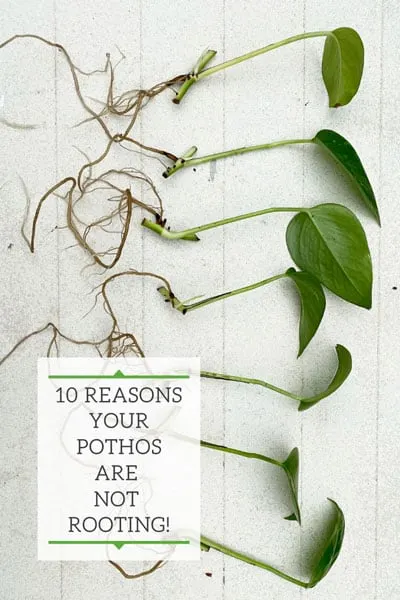
When your cuttings are not rooting in soil, several factors can contribute to this issue. Proper understanding of plant propagation techniques, environmental conditions, and care practices is essential. Here are some common reasons why your cuttings may struggle to root in soil:
Improper Cutting Technique
Using the right cutting technique is crucial for successful propagation. If your cuttings are taken incorrectly, they may not develop roots effectively.
- Select A Healthy Parent Plant: Ensure that you choose a healthy plant from which to take your cuttings.
- Correct Cutting Size: Cuttings should typically be 4 to 6 inches long, with several leaves attached.
- Angle of Cut: Make a clean cut at a 45-degree angle to increase the surface area for rooting.
Inappropriate Soil Conditions
The soil you use plays a vital role in root development. If the soil isn't suitable for cuttings, they may fail to establish roots.
- Well-Draining Mix: Use a potting mix that provides good drainage to prevent rot.
- Soil pH: Ensure the soil pH is within the suitable range for the specific plant species, typically between 6.0 and 7.0.
- Consistency: Avoid heavy or compact soil that retains too much moisture around the cutting.
Environmental Factors
Environmental factors such as temperature and humidity directly impact rooting success.
- Temperature Range: Ideal temperatures for rooting usually fall between 65°F to 75°F (18°C to 24°C).
- Humidity Levels: Maintain higher humidity around the cuttings by covering with a plastic bag or using a propagator.
- Light Exposure: Provide indirect sunlight; avoid direct sunlight which can cause stress and dehydration.
Lack of Rooting Hormone
Many plants benefit from the application of a rooting hormone to promote root development.
See also:
- Use of Rooting Powder: Applying rooting powder can significantly increase the chances of successful root formation.
- Natural Alternatives: Consider natural rooting agents like honey or cinnamon, which can help in rooting.
- Proper Application: Dip the cut end of the cutting into the hormone before inserting it into the soil.
Overwatering or Underwatering
Watering practices are critical in ensuring cuttings do not suffer from excess moisture or drought.
- Moisture Balance: Keep the soil consistently moist but not soggy; overwatering can cause rot.
- Check Soil Moisture: Use your finger to check if the top inch of soil is dry before watering.
- Watering Technique: Water gently to avoid disturbing the cutting once placed in the soil.
Do cuttings need dark to root?

Cuttings do not necessarily need complete darkness to root, but light conditions can significantly influence their development. Generally, cuttings can root successfully under various light conditions, but the type and intensity of light can impact the rate of root formation and the overall health of the new plants.
Importance of Light for Rooting Cuttings
Light plays a crucial role in the process of photosynthesis, which is essential for the energy needs of the cutting. While the cutting focuses on developing roots, adequate light helps maintain the plant's health.
- Encourages Photosynthesis: Even in low light, cuttings can carry out photosynthesis, which is necessary for energy.
- Prevents Weak Growth: Without sufficient light, cuttings may become leggy as they stretch towards a light source.
- Aids in Plant Health: Healthy light conditions contribute to the vigor of the new growth after rooting.
Optimal Light Conditions for Rooting
The ideal light conditions for rooting cuttings typically involve bright, indirect sunlight. This type of light promotes robust growth while preventing damage.
- Indirect Sunlight: Placing cuttings in bright, indirect sunlight can encourage healthy root development without the risk of scorch.
- Artificial Light: Grow lights can be a viable alternative to natural light, especially in indoor environments.
- Avoid Direct Sunlight: Excessive direct sunlight can lead to dehydration and stress, hampering root development.
Effects of Darkness on Cuttings
While complete darkness is not essential, brief periods of darkness can benefit the rooting process by reducing stress on the cutting and allowing it to focus energy on root formation.
- Stress Reduction: Darkness can help prevent the cutting from expending energy on leaf growth.
- Encouraged Dormancy: Some cuttings may benefit from a short duration of darkness to trigger hormonal responses conducive to rooting.
- Control Over Water Loss: Darkness can reduce transpiration, helping the cutting conserve moisture during the initial phase.
Watering Practices in Relation to Light
Proper watering techniques are essential when rooting cuttings, as they can be influenced by the light conditions present. Managing soil moisture is crucial for success.
- Consistency is Key: Maintaining consistent moisture without overwatering is vital, as excess moisture can lead to rot.
- Light and Water Needs: Cuttings in brighter light may require more frequent watering than those in lower light conditions.
- Use of Clear Containers: Utilizing clear containers can help monitor moisture levels while allowing light to penetrate.
Common Mistakes When Rooting Cuttings
When attempting to root cuttings, several common mistakes regarding light and care can hinder success. Awareness of these issues can improve outcomes.
- Ignoring Light Requirements: Placing cuttings in insufficient light can lead to slow development and weak root systems.
- Overexposing Cuttings: Too much direct light can damage cuttings, causing leaf burn or loss of moisture.
- Improper Watering: Failing to adjust watering practices based on light conditions can lead to either overwatering or dehydration.
Questions from Our Readers
How long does it typically take for cuttings to root in soil?
Typically, it takes about 2 to 8 weeks for cuttings to root in soil, depending on the type of plant and environmental conditions. Factors such as temperature, humidity, and soil moisture can significantly influence this timeframe.
What factors can affect the rooting time of cuttings?
Several factors can affect rooting time, including plant species, cutting size, and the type of soil used. Additionally, light conditions and watering practices play crucial roles in how quickly cuttings establish roots.
See also:
Can I speed up the rooting process for cuttings?
Yes, you can potentially speed up the rooting process by using rooting hormones, maintaining consistent moisture, and providing warmth and indirect light. These conditions create an ideal environment that encourages faster root development.
What signs indicate that my cuttings have rooted successfully?
Signs that cuttings have rooted successfully include new leaf growth, resistance when tugged gently, and a more resilient overall structure. When you notice these indicators, it's likely that the cuttings have developed a sufficient root system to support themselves.
If you want to read more articles like Understanding the Timeline: How Long Does It Take for Cuttings to Root in Soil?, we recommend you check out our Plants category.
Leave a Reply
Related Articles