Can You Bury Leggy Stems? Tips for Plant Care and Growth

When caring for plants, one common concern is dealing with leggy stems, which often indicate that a plant is stretching toward a light source. A common question that arises is whether these stems can be buried to encourage healthier growth. In this article, we will explore the concept of burying leggy stems, provide practical tips for plant care, and discuss the benefits of addressing this issue promptly. By understanding the right techniques and methods, you can help your plants thrive, promoting lush foliage and robust growth while enhancing the overall aesthetics of your indoor garden.
Can You Bury Leggy Stems?
Yes, you can bury leggy stems to help promote better growth in your plants. Legginess typically occurs when a plant stretches towards light due to insufficient sunlight, resulting in elongated stems and sparse foliage. By burying these elongated stems, you can encourage the plant to develop new roots along the buried parts, improving its stability and overall health. It's important to ensure the buried sections are not overly moist to avoid rot. This technique is particularly effective for certain types of plants such as tomatoes and zucchini, which can benefit from this propagation method.
What Are Leggy Stems?
Leggy stems refer to stems that have grown excessively long and thin due to a lack of light. When plants do not receive enough sunlight, they may stretch upwards in an effort to reach a light source, leading to weak growth and insufficient leaf coverage. This phenomenon is often undesirable as it can affect both the aesthetic appeal of the plant and its overall health. Recognizing leggy stems early allows for corrective actions to be taken, such as adjusting the plant's location to enhance light exposure.
How to Identify Leggy Stems?
To identify leggy stems, look for stems that appear thin, pale, or stretched-out when compared to the rest of the plant. A leggy plant often has fewer leaves, and the existing leaves may be smaller in size. The plant may also exhibit a tendency to fall over or become unstable due to the disproportionate length of the stems. Regularly assessing your plants for signs of legginess is crucial for maintaining their health and ensuring they thrive.
Benefits of Burying Leggy Stems
Burying leggy stems can offer several benefits, such as promoting root growth along the buried sections. This creates a more robust root system, which enhances the plant's stability and water uptake. Additionally, new roots formed from the buried stems can lead to improved nutrient absorption, contributing to healthier overall growth. This method can also help support the plant’s structure, allowing it to better withstand environmental stressors.
Best Practices for Burying Leggy Stems
When burying leggy stems, choose a suitable depth to ensure the buried part is adequately covered without risking over-saturation. It’s essential to use well-draining soil to prevent the stems from rotting. After burying the stems, consider providing the newly positioned plant with indirect light initially to avoid shock. Ensure that you monitor the moisture level regularly, as the risks of rot increase if the soil remains wet for too long.
Plants That Benefit from Burying Leggy Stems
Several categories of plants benefit from the practice of burying leggy stems. Common vegetables like tomatoes, zucchini, and cucumbers are excellent candidates, as they can develop strong root systems from buried stems. Additionally, some flowering plants like petunias and geraniums may also thrive when leggy sections are buried, promoting fuller growth and a more attractive presentation. It’s important to research specific plants to understand their growth habits and the effectiveness of this method accordingly.
| Plant Type | Benefits | Notes |
|---|---|---|
| Tomatoes | Enhanced root system | Requires sunny location |
| Zucchini | Stronger stability | Well-draining soil essential |
| Cucumbers | Better nutrient absorption | Avoid waterlogging |
| Petunias | Fuller growth | Indirect light recommended |
| Geraniums | Aesthetic improvement | Monitor moisture levels |
Can plants recover from being leggy?
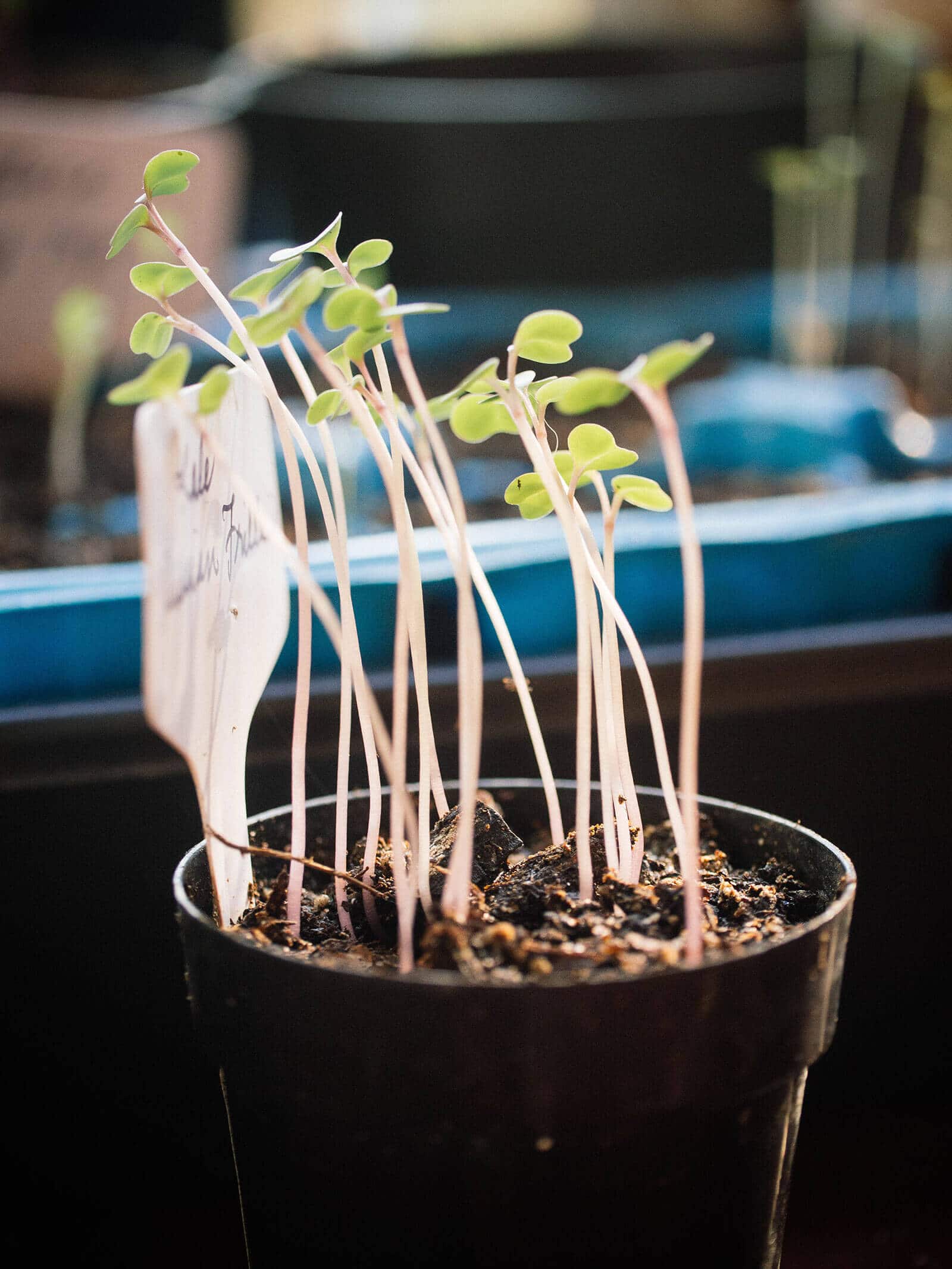
Yes, plants can recover from being leggy, although the process may require some specific actions and care. Legginess in plants usually occurs when they are insufficiently exposed to light. As a result, they stretch towards the light source, leading to elongated stems and sparse foliage. Here are several approaches to help your leggy plants recover:
Identify the Cause of Legginess
Understanding why your plant has become leggy is crucial for effective recovery. Common reasons for legginess include:
See also:
- Insufficient lighting: Plants that do not receive adequate light will stretch out excessively.
- Over-fertilization: Excessive nutrients can lead to rapid, weak growth.
- Improper pruning: Not trimming your plants can also lead to leggy growth patterns.
Improve Lighting Conditions
Enhancing the lighting conditions is one of the most critical steps in bringing a leggy plant back to health. Consider the following tips:
- Relocate your plant: Move it closer to a natural light source such as a window.
- Supplement with grow lights: Use artificial grow lights to ensure your plant gets adequate light exposure.
- Adjust the duration: Ensure your plant receives the right amount of light each day, typically 12-16 hours for most houseplants.
Prune the Plant Appropriately
Pruning can significantly help rejuvenate a leggy plant. Here's how to do it effectively:
- Trim back the stems: Cut back on elongated stems to encourage bushier growth.
- Remove dead or yellow leaves: This directs the plant's energy to healthier parts.
- Use clean, sharp tools: Ensure your pruners are sterilized to prevent any infections.
Repotting or Adjusting Soil Conditions
Sometimes, leggy growth can be a sign that your plant is outgrowing its pot. Consider these options:
- Choose a larger pot: This gives roots more room to grow and absorb nutrients.
- Refresh the soil: Utilize high-quality potting soil rich in nutrients to support new growth.
- Check for drainage: Ensure the pot has proper drainage to prevent root rot.
Monitor Watering and Nutritional Needs
Proper watering and fertilization can greatly affect the recovery of leggy plants. Follow these guidelines:
- Water appropriately: Ensure the plant receives the right amount of water - not too much or too little.
- Fertilize wisely: Use a balanced fertilizer to support healthy growth, especially during the growing season.
- Observe your plant: Look for signs of over- or under-fertilization and adjust accordingly.
What happens if you bury the stem of a plant?

Burying the stem of a plant can have various effects on its growth and development. This practice, often referred to as stooling, can help promote root production or lead to complications depending on the type of plant and the manner in which the burying is executed. Here’s a detailed overview of the potential consequences:
Root Development
Burying the stem of a plant can encourage root development along the buried portion of the stem. This phenomenon occurs because many plants, particularly those that are herbaceous or semi-woody, have the ability to develop roots from their stems when they are in contact with soil.
- The increased root surface area allows for better absorption of nutrients and water.
- Additional roots can help stabilize the plant and prevent it from toppling over.
- The plant's overall vigor and resilience may improve due to enhanced nutrient uptake.
Potential for Rotting
If the stem is buried too deeply or if the soil retains too much moisture, there is a risk of rotting. This condition occurs when the stem is deprived of oxygen and begins to decay, which can lead to the plant's demise.
- Excessive moisture can create a favorable environment for fungi and bacteria.
- Signs of rotting include discoloration, softness, and an unpleasant smell.
- Rotting can compromise the overall health of the plant, leading to wilting or death.
Impact on Plant Hormones
When the stem is buried, it can affect the plant's hormone distribution. Hormones like auxins may be stimulated in the buried areas, promoting the growth of roots.
- Auxins are primarily responsible for cell elongation, which in turn can enhance root growth.
- The change in hormone balance may also influence shoot growth once the plant starts to regenerate.
- Understanding plant hormones helps explain how and why plants adapt to various growing conditions.
Species-Specific Reactions
Different plant species respond uniquely to having their stems buried. While some thrive, others may suffer adverse effects.
See also:
- Vining plants, such as tomatoes and some beans, often respond positively and can root along the stem.
- Woody plants, on the other hand, may not develop roots effectively from their stems.
- Understanding the specific needs and behaviors of different plant types is crucial for optimal growth.
Propagation Techniques
Burying stems is a popular propagation technique for various plants. This method is commonly employed in horticulture to produce new plants from existing ones.
- Techniques such as mound layering or cutting propagation can lead to successful root formation.
- This method is effective for species like willows and currants, which root easily from cuttings.
- Propagation through burying can significantly increase plant availability and diversity.
Can you transplant leggy seedlings deeper?
Yes, you can transplant leggy seedlings deeper. This technique is advisable because leggy seedlings typically exhibit weak stems and elongated growth caused by insufficient light. By transplanting them deeper, you can help to stabilize the plants and encourage them to develop a stronger root system. The buried portion of the stem can also develop additional roots, promoting healthier overall growth. However, it’s critical to carefully handle the seedlings during the process to prevent any damage to the delicate stems or roots.
Understanding Leggy Seedlings
Leggy seedlings are a common issue for gardeners and often occur when seedlings grow in search of more light. They tend to grow tall and thin, making them prone to falling over. Some key aspects to note include:
- Light Deficiency: Insufficient light leads seedlings to stretch towards the light source.
- Overcrowding: High densities in seed trays can also contribute to leggy growth.
- Temperature and Nutrients: Warm temperatures and excessive fertilizer can exacerbate the problem.
Benefits of Transplanting Deeper
Transplanting leggy seedlings deeper involves burying a portion of the stem, which can provide several benefits, such as:
- Stabilization: A deeper planting helps stabilize seedlings and prevents them from toppling over.
- Root Development: Additional roots can form along the buried stem, enhancing the plant's nutrient and water uptake.
- Improved Health: Stronger roots contribute to a healthier overall plant structure, leading to better growth.
How to Successfully Transplant Leggy Seedlings
When preparing to transplant leggy seedlings, it's essential to follow certain steps to enhance success:
- Carefully Remove Seedlings: Gently ease seedlings out of their containers without damaging the roots.
- Prepare New Holes: Dig holes that are deep enough to accommodate the seedlings, placing them deeper than they originally were.
- Backfill and Water: Fill in around the seedlings with soil and water them immediately to help the soil settle and reduce transplant shock.
Light Requirements Post-Transplanting
After transplanting leggy seedlings deeper, their light exposure is crucial for their recovery and growth. Consider the following:
- Gradual Acclimatization: Introduce seedlings to sunlight gradually to prevent damage from harsh light.
- Optimal Light Position: Place seedlings in a location where they receive adequate light without being too far from the source.
- Monitoring Growth: Keep an eye on the seedlings to ensure they are adjusting well with new light conditions.
Common Mistakes to Avoid
While transplanting leggy seedlings deeper can be beneficial, there are some common pitfalls that gardeners should avoid:
- Rushing the Process: Take your time to avoid damaging the seedlings during handling and planting.
- Ignoring Soil Quality: Use well-draining soil to promote root growth and prevent rot.
- Overwatering: Be cautious with watering immediately after transplanting to avoid saturating the soil and harming the roots.
Questions from Our Readers
Can you bury leggy stems?
Yes, you can bury leggy stems when planting or propagating certain types of plants. This technique allows the buried portions to develop roots, which can help support the plant better and promote growth.
What types of plants benefit from burying leggy stems?
Many indeterminate plants, such as tomatoes and some flowers, benefit from this method. Burying the leggy stems encourages more root growth, leading to a stronger plant structure and potentially higher yields.
See also:
How deep should you bury leggy stems?
When burying leggy stems, aim to cover the stem to about one to two inches below the soil surface. Make sure to leave enough foliage above ground so the plant can continue to carry out photosynthesis effectively.
Will burying leggy stems help them grow more branches?
Yes, adding soil to the buried leggy stems can enable the plant to produce more branches. As the stems establish roots in the soil, they tend to become more bushy and produce more foliage, leading to better overall health.

If you want to read more articles like Can You Bury Leggy Stems? Tips for Plant Care and Growth, we recommend you check out our Plants category.
Leave a Reply
Related Articles