What is the Best Plant for Your Lungs? Discover the Top Choices for Respiratory Health

When it comes to respiratory health, the air we breathe plays a crucial role in our overall well-being. One powerful way to enhance our lung function is through the strategic use of plants known for their therapeutic properties. This article delves into the best plants for your lungs, exploring their benefits and how they can support respiratory health. Whether you suffer from allergies, asthma, or simply want to improve your lung capacity, these natural allies can help you breathe easier. Join us as we discover the top choices that can contribute to healthier lungs and a better quality of life.
What is the Best Plant for Your Lungs?
Indoor plants can significantly improve air quality, and among them, the spider plant (Chlorophytum comosum) is often regarded as one of the best for lung health. This resilient plant is known for its ability to filter toxins from the air, such as formaldehyde and xylene, which can be harmful to the respiratory system. By producing oxygen, it contributes to a healthier environment, making it especially beneficial for individuals with asthma or allergies. Furthermore, its low maintenance requirements and adaptability to various lighting conditions make it an excellent choice for both novice and experienced plant owners.
Benefits of Spider Plants for Lung Health
Spider plants are known for their excellent ability to purify the air by absorbing harmful substances, which directly benefits lung function. They release more oxygen at night compared to many other plants, thereby enhancing the air quality in your home even while you sleep. Regularly incorporating spider plants into your living space can lead to reduced respiratory issues and an overall feeling of wellness, as they help maintain a cleaner and more breathable atmosphere.
Other Beneficial Plants for Respiratory Health
In addition to spider plants, several other plants are effective in promoting respiratory health. For example, the peace lily (Spathiphyllum) is known for its ability to remove airborne toxins, while the bamboo palm (Chamaedorea seifrizii) is excellent at increasing indoor humidity, which can alleviate irritation in the airways. Incorporating a variety of these plants can create a diverse indoor ecosystem that enhances your lung health.
How to Care for Lung-Friendly Plants
Caring for lung-friendly plants is crucial to maximize their health benefits. Most of these plants thrive in indirect sunlight and require consistent, but moderate watering. It's essential to maintain proper humidity levels as well, which can often be achieved by misting the plants or placing a humidifier nearby. Regularly dusting the leaves not only keeps them looking vibrant but also enhances their ability to absorb airborne toxins effectively.
The Role of Air Purification in Lung Health
Air purification plays a pivotal role in maintaining good lung health, especially in urban environments where pollution is a concern. Plants like the spider plant and peace lily naturally absorb harmful particles from the air, serving as an eco-friendly alternative to mechanical air purifiers. By improving air quality in your home or office, these plants can help reduce the risk of respiratory issues and enhance overall well-being.
Scientific Evidence Supporting Plant Benefits
Numerous studies have highlighted the scientific evidence supporting the lung health benefits of indoor plants. Research shows that certain plants can significantly reduce levels of volatile organic compounds (VOCs) in the air, leading to fewer respiratory symptoms among individuals with allergies or asthma. These findings underscore the importance of incorporating plants like the spider plant in our living spaces for better air quality and improved lung health.
| Plant Name | Air Quality Benefits | Light Requirements | Watering Needs |
|---|---|---|---|
| Spider Plant | Removes toxins, releases oxygen | Indirect sunlight | Moderate |
| Peace Lily | Reduces VOCs, increases humidity | Low to medium light | Moderate |
| Bamboo Palm | Air purification, humidity boost | Indirect sunlight | Moderate |
What plant helps heal lungs?
One of the most well-known plants that can help heal the lungs is lobelia. This herb has been used traditionally to support respiratory health and alleviate conditions such as asthma and bronchitis. Lobelia contains alkaloids that help to relax the bronchial muscles, facilitating easier breathing. Additionally, it has expectorant properties, which can help clear mucus from the lungs.
Benefits of Lobelia for Lung Health
Lobelia offers several benefits that can enhance lung health:
- Bronchodilator Effects: Lobelia helps to expand the air passages, making it easier for air to flow in and out of the lungs.
- Expectorant Properties: It aids in clearing mucus, which can prevent infections and improve overall lung function.
- Reducing Inflammation: Lobelia has anti-inflammatory properties that may help to alleviate irritation in the lung tissues.
Other Plants that Support Lung Recovery
In addition to lobelia, there are several other plants known for their positive effects on lung health:
- Mullein: Known for its soothing properties, mullein can help relieve coughs and reduce respiratory infections.
- Thyme: Contains compounds that can assist with respiratory conditions and is a strong antimicrobial agent.
- Eucalyptus: Often used in steam inhalations, eucalyptus helps to clear the airways and has antiseptic qualities.
How to Use Lobelia for Lung Health
Using lobelia correctly is essential for maximizing its benefits:
- Tea Preparation: Brew lobelia in hot water to make a tea, allowing the plant’s compounds to infuse into the liquid.
- Tinctures: Liquid extracts of lobelia can be added to water or juice for easy consumption.
- Dosage Caution: Consulting with a healthcare professional is important to determine the best dose according to individual needs.
Precautions When Using Lobelia
While lobelia can be beneficial, certain precautions should be taken:
See also:
- Pregnancy and Nursing: Lobelia may not be safe for pregnant or nursing women; thus, it is advised to avoid its use in these situations.
- Medical Conditions: Individuals with certain health conditions should consult a physician before starting any new herbal treatments.
- Interaction with Medications: Lobelia may interact with specific medications, so evaluating potential interactions with a healthcare provider is prudent.
The Role of Diet in Lung Health
In addition to herbal remedies, diet plays a crucial role in overall lung health:
- Antioxidant-rich Foods: Incorporating fruits and vegetables high in antioxidants can help protect lung tissues from damage.
- Omega-3 Fatty Acids: Foods like fish and flaxseeds can reduce inflammation and promote lung function.
- Hydration: Staying well-hydrated is vital for maintaining healthy mucus membranes in the lungs.
Which plant is best for lungs?

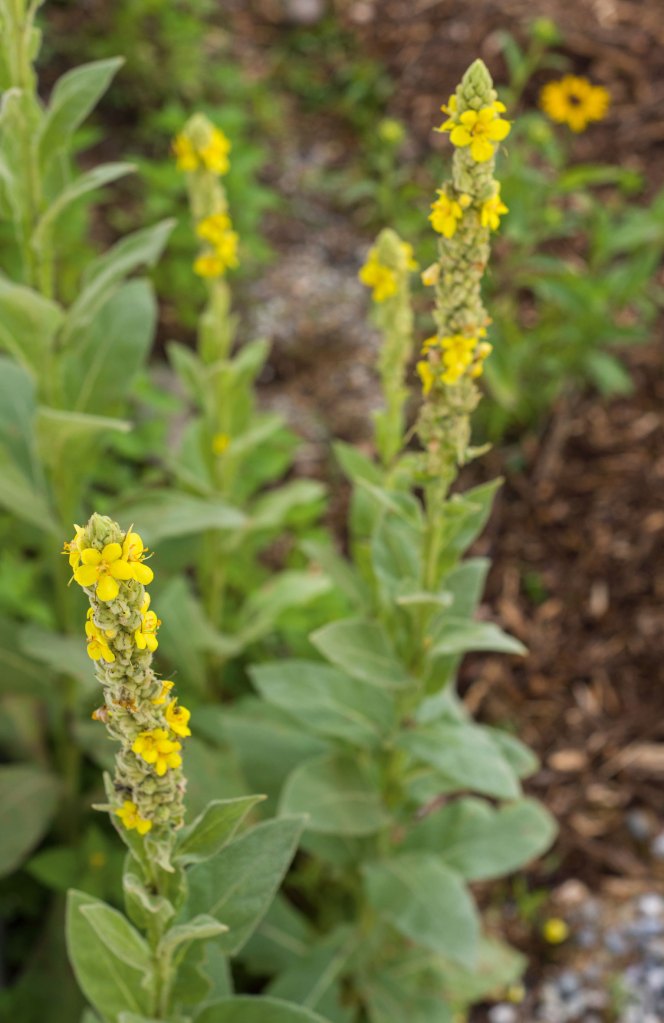
The best plant for lungs is often considered to be the mullein (Verbascum thapsus). Mullein has been used in traditional medicine for centuries and is well known for its potential benefits in supporting respiratory health. It is rich in anti-inflammatory compounds and antioxidants, which can help soothe the airways and reduce irritation in the lungs.
Mullein for Respiratory Health
Mullein is primarily known for its role in promoting lung health. It works by acting as an expectorant, helping to clear mucus and phlegm from the respiratory tract. This can be particularly beneficial for individuals suffering from asthma, bronchitis, or chronic obstructive pulmonary disease (COPD). Moreover, its anti-inflammatory properties can aid in reducing swelling in the throat and lungs, making it easier to breathe.
- Mullein tea can help soothe throat irritation.
- Mullein extract can ease coughing by loosening mucus.
- Its compounds may reduce inflammation in lung tissues.
Other Beneficial Plants for Lung Health
In addition to mullein, there are several other plants that can support lung function. For instance, thyme is known for its antimicrobial properties and can help clear respiratory infections. Peppermint, rich in menthol, can act as a natural decongestant and help ease breathing.
- Thyme can be consumed as tea or used in cooking to enhance respiratory health.
- Peppermint oil can be inhaled or applied topically for quick relief of congestion.
- Other herbs like eucalyptus are excellent for clearing the airways.
Breathing Exercises and Plants
Incorporating specific breathing exercises along with therapeutic plants can significantly enhance lung function. These exercises help to expand the lung capacity and improve overall respiratory health. For example, deep breathing techniques can help open up the airways, allowing better oxygen flow.
- Practice deep inhalations and exhalations to strengthen lung muscles.
- Incorporate plants like eucalyptus during breath work for aromatic support.
- Consider yoga or Pilates to combine movement with deep breathing.
The Role of Air Quality
The surrounding air quality plays a vital role in lung health. Indoor plants, such as spider plants and peace lilies, can help purify the air by removing toxins and increasing humidity. Keeping the air clean can greatly improve lung function and overall health.
- Spider plants can remove harmful pollutants like formaldehyde.
- Peace lilies can thrive in low light and help purify indoor air.
- Regularly ventilating your home is important to promote healthy air circulation.
Essential Oils for Respiratory Support
Essential oils derived from plants like lavender, tea tree, and frankincense can provide respiratory benefits. These oils can be diffused in the air or used in steam inhalation to help reduce congestion and promote easier breathing.
- Lavender oil can help with relaxation and reducing stress during breathing practices.
- Tea tree oil has strong antiseptic properties that can combat respiratory infections.
- Frankincense oil is also known to support deeper breathing and relaxation.
What heals lungs the fastest?

Healing the lungs takes time and dedication, especially after exposure to pollutants, smoking, or respiratory infections. However, several effective strategies can accelerate the healing process. The fastest way to heal the lungs largely depends on the individual's lifestyle, underlying conditions, and commitment to recovery. Here are some key approaches to consider:
Breathing Exercises
Breathing exercises are essential in promoting lung health and facilitating faster healing. Practicing these exercises can enhance lung capacity and reduce shortness of breath. Some beneficial exercises include:
- Pursed-Lip Breathing: Helps control your breathing rate and increases oxygen intake.
- Diaphragmatic Breathing: Encourages full oxygen exchange and strengthens the diaphragm.
- Coaching Techniques: Using apps or guided videos can enhance your mastery of these breathing techniques.
Proper Nutrition
A well-balanced diet plays a crucial role in lung health. Certain nutrients can support lung function and aid healing. Focus on incorporating:
- Antioxidant-Rich Foods: Fruits and vegetables, particularly berries, citrus, and leafy greens, help reduce inflammation.
- Omega-3 Fatty Acids: Found in fish, flaxseeds, and walnuts, these can lower lung inflammation and improve lung function.
- Hydration: Drinking plenty of water helps thin mucus in the lungs, facilitating easier breathing.
Avoiding Pollutants
To foster lung healing, minimizing exposure to irritants and pollutants is essential. This can include:
See also:
- Quitting Smoking: Refraining from tobacco products dramatically reduces lung damage and promotes healing.
- Staying Indoors on Bad Air Quality Days: Monitoring air quality and reducing outdoor activity when pollution is high can prevent further lung damage.
- Using Air Purifiers: In your home, using air purifiers can help remove particulate matter and improve indoor air quality.
Regular Exercise
Engaging in regular physical activity can significantly promote lung health and aid the recovery process. Benefits of exercise for your lungs include:
- Improved Lung Efficiency: Regular aerobic exercise enhances the lungs’ ability to use oxygen effectively.
- Strengthened Respiratory Muscles: Activities like walking, cycling, or swimming build muscular strength for better respiratory function.
- Boosted Immune Function: Regular exercise helps improve overall health, potentially reducing the risk of respiratory infections.
Humidity Control
Maintaining optimal humidity levels in your environment can support lung function and healing. Here are some aspects to consider:
- Using a Humidifier: This can help keep the air moist, preventing dryness and irritation in the airways.
- Avoiding Excess Humidity: Too much humidity can promote mold growth and respiratory issues, so balance is key.
- Ventilation: Ensuring proper air circulation in living spaces can improve air quality and lung function.
What foods are best for lung repair?

Maintaining and improving lung health is crucial for overall well-being. While many factors contribute to lung health, diet plays a significant role in promoting lung repair. Certain foods are known for their anti-inflammatory properties and ability to support lung function. Incorporating these foods can help boost lung health and aid in recovery from respiratory issues.
Anti-Inflammatory Foods
Anti-inflammatory foods can help reduce inflammation in the lungs, which is essential for recovery. Chronic inflammation can exacerbate lung conditions like asthma and COPD. Including the following foods in your diet can combat inflammation:
- Berries: Rich in antioxidants like vitamin C and flavonoids.
- Fatty fish: Such as salmon and mackerel, contain omega-3 fatty acids that combat inflammation.
- Leafy greens: Vegetables like spinach and kale are high in vitamins that support lung health.
Foods Rich in Antioxidants
Antioxidants play a vital role in neutralizing free radicals, which can damage lung tissue. A diet rich in antioxidants helps protect the lungs from oxidative stress. Consider adding these foods to your meals:
- Citrus fruits: Such as oranges and grapefruits, high in vitamin C.
- Beans: Rich in fiber and antioxidants, helping to reduce the risk of lung disease.
- Nuts: Especially walnuts and almonds, known for their high antioxidant content.
Hydrating Foods
Staying hydrated is essential for maintaining healthy mucus membranes in the lungs. Foods with high water content can assist in keeping the respiratory system moist, enhancing its functionality. Here are some hydrating options:
- Watermelon: Contains about 92% water and is refreshing.
- Cucumbers: Another hydrating vegetable, low in calories but high in water.
- Soups and broths: Warm liquids can help keep airways moist and support lung function.
Spices with Lung Benefits
Certain spices have properties that can be beneficial for lung health. They often have anti-inflammatory and antioxidant characteristics. Incorporating these spices can enhance flavor while supporting respiratory health:
- Turmeric: Contains curcumin, known for its potent anti-inflammatory effects.
- Ginger: Helps reduce respiratory infections and supports lung health.
- Garlic: Offers antimicrobial properties that can protect the lungs from infections.
Foods High in Vitamin D
Vitamin D is crucial for immune function and lung health. A deficiency can lead to respiratory issues. Including foods rich in vitamin D can support lung repair and overall health:
- Fatty fish: Like salmon and sardines, are among the best natural sources of vitamin D.
- Fortified foods: Such as fortified milk and orange juice can boost vitamin D intake.
- Mushrooms: Certain types, such as maitake and UV-exposed mushrooms, are good sources of vitamin D.
Questions from Our Readers
What is the best plant for lung health?
Aloe vera is considered one of the best plants for lung health because it has anti-inflammatory properties and can help soothe the respiratory system. The gel from its leaves can be beneficial for maintaining overall lung function and cleansing the airways.
Can houseplants improve air quality for lungs?
Yes, many houseplants can improve indoor air quality, which is essential for lung health. Plants like peace lilies and spider plants absorb toxins and release oxygen, creating a cleaner and healthier environment for your lungs.
Are there any herbs that benefit lung function?
Herbs such as thyme and oregano are known for their potential benefits in supporting lung function. These herbs possess antimicrobial properties that can help combat respiratory infections and enhance overall lung health.
How do I use plants to support my lung health?
You can support your lung health by regularly incorporating plants into your living space and diet. Consuming herbal teas made from peppermint or eucalyptus and keeping household plants can significantly contribute to improving your respiratory well-being.
See also:

If you want to read more articles like What is the Best Plant for Your Lungs? Discover the Top Choices for Respiratory Health, we recommend you check out our Plants category.
Leave a Reply
Related Articles