What is a Natural Fungus Killer? Discover Effective Solutions for Fungal Infections
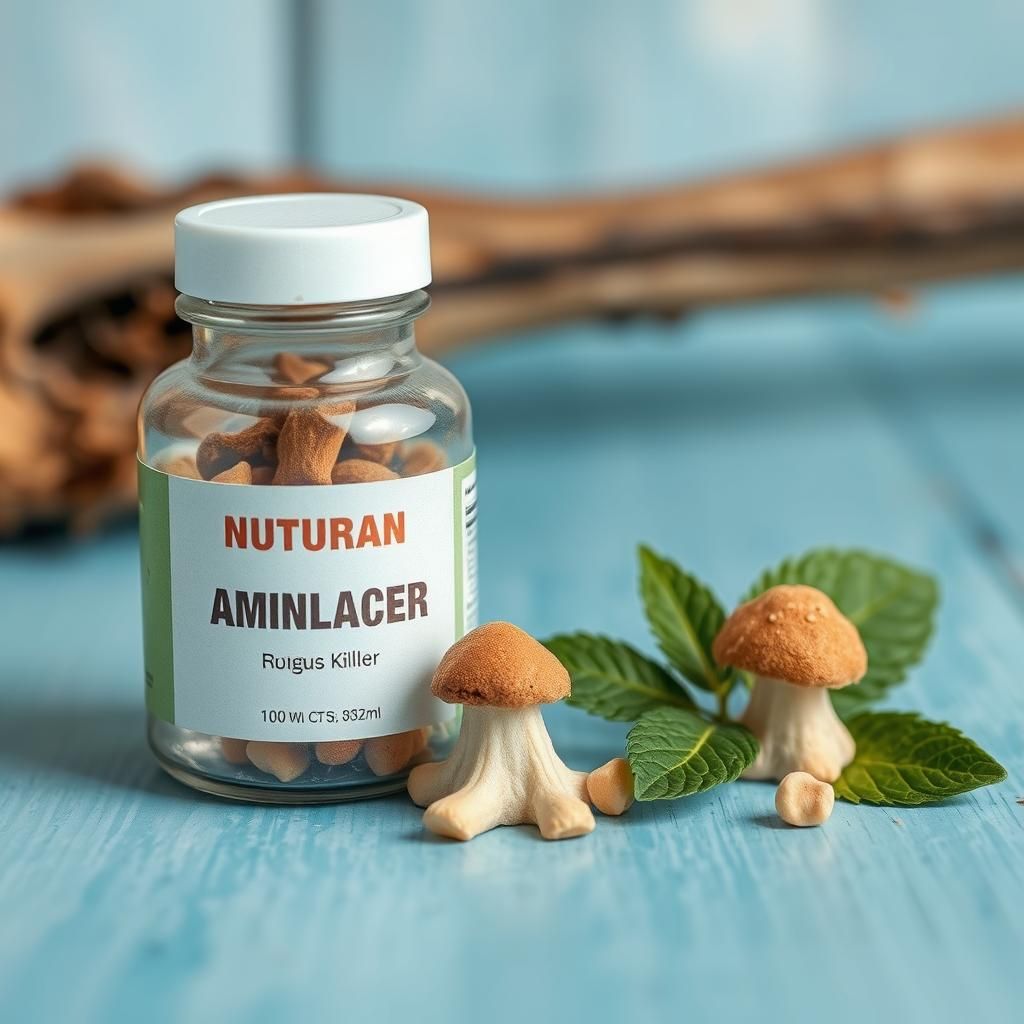
Fungal infections can pose significant health challenges, affecting various parts of the body and potentially leading to more severe complications if left untreated. While conventional antifungal medications are widely used, many individuals are seeking natural alternatives that are effective and less harsh on the system. This article explores the concept of natural fungus killers, delving into various solutions derived from nature that have been proven to combat fungal infections. From herbal remedies to essential oils, we aim to uncover the most effective, safe, and accessible options to help you manage and prevent fungal conditions effectively.
What is a Natural Fungus Killer?
A natural fungus killer refers to any substance derived from nature that can effectively combat fungal infections in plants or humans. These products are often made from various plant extracts, essential oils, or microorganisms that target fungal cells without harming the surrounding environment. Unlike synthetic fungicides, which can have toxic effects and contribute to environmental degradation, natural alternatives work by creating unfavorable conditions for fungi or directly inhibiting their growth. Common examples include ingredients like garlic, vinegar, baking soda, and neem oil, all known for their antifungal properties and safe usage in both agricultural and home settings.
Benefits of Using Natural Fungus Killers
Natural fungus killers offer several advantages over synthetic options, including being safer for humans, pets, and the environment. They typically possess lower toxicity levels, reducing the risk of adverse reactions and chemical exposure. Additionally, natural alternatives can be less expensive and more accessible, making them appealing for organic farming and home gardening. These products often promote sustainable practices by supporting the natural ecosystem while effectively controlling fungal outbreaks.
Common Ingredients in Natural Fungus Killers
Many natural fungus killers are composed of readily available ingredients. For instance, garlic contains compounds that have antifungal properties, making it a popular choice for home remedies. Vinegar, particularly white vinegar, can disrupt fungal growth due to its acidic nature. Baking soda works by creating an alkaline environment that is hostile to many fungi, while neem oil disrupts the life cycle of fungal pathogens, preventing their spread. The formulation of these ingredients often varies, allowing for customizable solutions depending on specific needs.
How to Use Natural Fungus Killers
Utilizing natural fungus killers effectively involves understanding the proper application techniques for each ingredient. For example, garlic can be crushed and mixed with water to create a spray, while vinegar is often diluted before application to avoid damaging plants. Baking soda can be combined with water and a few drops of soap to enhance adherence to leaves. Neem oil usually requires mixing with a carrier oil and should be applied during cooler parts of the day to maximize its efficiency. It's essential to follow specific guidelines for each natural remedy to achieve the best results.
See also:
Effectiveness Compared to Chemical Fungicides
While natural fungus killers can be effective, their potency may not always match that of traditional chemical fungicides. In many cases, natural alternatives require more frequent applications and a proactive approach to pest management. However, they are often sufficient for controlling minor to moderate fungal issues. The effectiveness can also depend on the type of fungus being targeted, as some strains may be more resilient to natural treatments. Continuous research and development are aimed at improving the performance of natural products in comparison to synthetic options.
Safety Considerations When Using Natural Fungus Killers
Despite being derived from natural sources, it is crucial to exercise caution when using natural fungus killers. Some individuals may experience allergic reactions to certain ingredients, such as neem oil or garlic. Moreover, while many natural substances are generally safe for plants, they can still cause damage if misapplied or used in excessive amounts. It is advisable to conduct a patch test on a small, inconspicuous area before widespread application. Understanding the properties and possible interactions of these substances ensures a safer gardening experience.
| Ingredient | Active Component | Application Method |
|---|---|---|
| Garlic | Allicin | Diluted spray |
| Vinegar | Acetic acid | Diluted application |
| Baking Soda | Sodium bicarbonate | Water mixture |
| Neem Oil | Azadirachtin | Carrier oil mix |
Understanding the Benefits of Natural Fungus Killers
Natural fungus killers are substances derived from plants, minerals, or other natural sources that target fungal infections without the harmful side effects often associated with synthetic chemicals. They work by actively disrupting the growth and reproduction of fungi, making them effective for various conditions such as athlete's foot, ringworm, and nail fungus. Utilizing these solutions not only promotes a healthier body but also supports a more sustainable approach to health care by avoiding harsh chemicals and reducing environmental impact.
Common Types of Natural Fungus Killers
There are several common types of natural fungus killers that offer effective solutions for fungal infections. Essential oils like tea tree oil, oregano oil, and lavender oil have demonstrated strong antifungal properties. Additionally, substances like garlic and coconut oil are also known for their ability to combat fungal growth due to their antimicrobial nature. Each of these natural options can be used topically or ingested to help eliminate fungi from the body.
How to Use Essential Oils as Fungus Fighters
When using essential oils as natural fungus killers, it's crucial to dilute them with a carrier oil to avoid skin irritation. For instance, mix a few drops of tea tree oil with jojoba oil or coconut oil for safe application. You can apply the mixture directly to affected areas or add it to a warm bath for soothing relief. Regular application can help to diminish and even eradicate fungal infections over time, making essential oils a popular choice among those seeking natural remedies.
See also:
Dietary Approaches to Combat Fungal Infections
In addition to topical treatments, dietary changes can play a significant role in combating fungal infections. Consuming antifungal foods such as garlic, ginger, and coconut oil can help boost the body's natural defenses against fungi. Additionally, reducing the intake of sugar and refined carbohydrates can help discourage fungal growth, as these substances create an environment in which fungi thrive. Focusing on a diet rich in whole foods and low in processed items can enhance overall health and resilience against infections.
Comparing Natural Fungus Killers to Synthetic Options
Natural fungus killers often present a safer alternative to synthetic antifungal treatments. While many prescription medications can effectively eliminate fungal infections, they may come with a range of side effects, including skin irritation or digestive issues. In contrast, many natural solutions offer a gentler approach, promoting healing without promoting toxicity in the body. However, it's essential to consult with a healthcare professional to determine the most effective treatment method for your specific needs.
Precautions When Using Natural Fungus Killers
While natural fungus killers can be highly effective, it is important to take precautions when using them. Always perform a patch test to check for allergic reactions before applying oils to the skin. Pregnant or nursing women, as well as individuals with underlying health conditions, should consult a healthcare professional before starting any new treatment regimen. Furthermore, while these natural alternatives can be beneficial, they may not be sufficient for severe infections, and prompt medical advice should be sought in such cases.
Questions from Our Readers
What is a natural fungus killer?
A natural fungus killer is a substance that effectively eliminates or inhibits the growth of fungi without using synthetic chemicals. These products often contain plant extracts, essential oils, or other organic components that are known for their antifungal properties, making them a safer option for treating fungal infections in both plants and humans.
How do natural fungus killers work?
Natural fungus killers work by disrupting the biochemical processes that fungi rely on to grow and reproduce. Ingredients such as garlic, vinegar, or baking soda may create an environment that is hostile to fungi or directly damage the fungal cell walls, leading to reduced fungal activity and promoting healthier plants or skin conditions.
See also:
Are natural fungus killers safe to use?
Yes, most natural fungus killers are generally considered safe for use, especially when compared to their synthetic counterparts. They typically have fewer toxic effects on humans, pets, and the environment. However, it is still important to follow application instructions and check for any specific warnings related to the ingredients used.
Can natural fungus killers be used for all types of fungal infections?
While many natural fungus killers are effective against a variety of fungal infections, their effectiveness can depend on the type of fungus and the severity of the infection. Some natural remedies may work better for surface fungal infections, while others are more suited for deeper or systemic infections, so it's advisable to consult with a healthcare professional for severe cases.

If you want to read more articles like What is a Natural Fungus Killer? Discover Effective Solutions for Fungal Infections, we recommend you check out our Plants category.
Leave a Reply
Related Articles