What is the Best Groundcover to Choke Out Weeds? Top Options and Tips for a Healthy Garden
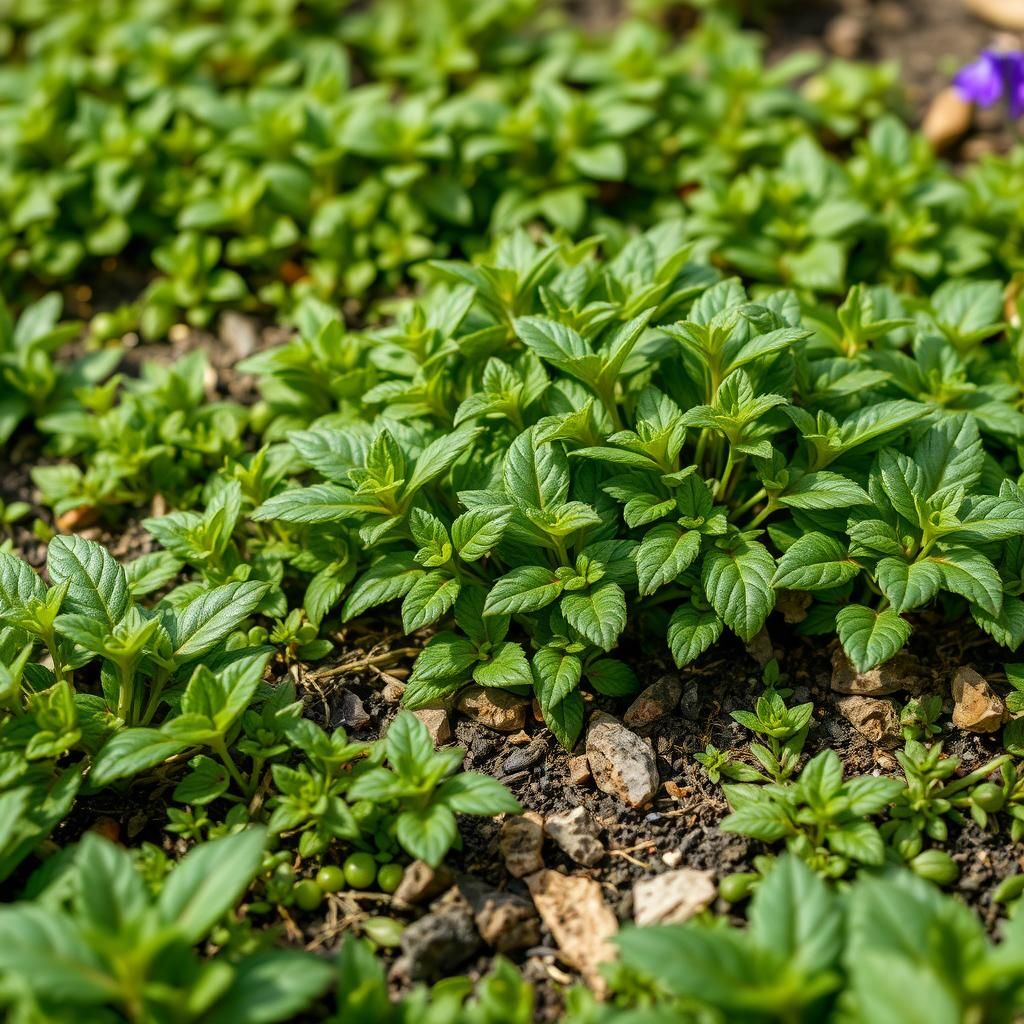
When it comes to maintaining a healthy garden, one of the most persistent challenges is dealing with weeds. Groundcovers can be an effective solution, providing not only aesthetic appeal but also serving as a natural barrier against unwanted weeds. In this article, we will explore the best groundcover options to help suffocate weeds and promote healthy plant growth. From low-maintenance varieties to lush green spreads, we’ll highlight top choices and share essential tips for ensuring your garden thrives while keeping those pesky invaders at bay. Discover how to create a vibrant, weed-free landscape with the right groundcover selections.
What is the Best Groundcover to Choke Out Weeds?
To effectively choke out weeds, the best groundcover plants are those that thrive in your local climate and can establish a dense growth pattern that outcompetes unwanted vegetation. Varieties such as Creeping Thyme, Ajuga (Bugleweed), and Creeping Juniper are known for their vigorous growth and ability to form a thick mat that smothers weeds. These groundcovers not only inhibit weed growth but also improve soil structure, enhance aesthetics, and provide habitat for beneficial insects. When choosing groundcover, consider the specific light, water, and soil conditions of your garden to select the ideal species that will flourish in your landscape.
Creeping Thyme
Creeping Thyme is an excellent choice for groundcover due to its low, dense growth, which prevents weeds from establishing. It is drought-resistant and thrives in sunny areas, producing beautiful purple flowers that attract pollinators. This herbaceous plant not only fills the gaps between stones in pathways but also adds fragrance to your garden, making it an appealing option for both aesthetic and functional purposes.
Ajuga (Bugleweed)
Ajuga, commonly known as Bugleweed, is a robust and versatile groundcover that can thrive in various conditions, including partial shade. Its attractive foliage often features variegated colors, providing visual interest throughout the growing season. Ajuga rapidly spreads to create a dense mat that suppresses weeds effectively, making it a popular choice for garden beds and under trees where sunlight is limited.
Creeping Juniper
Creeping Juniper is a hardy evergreen groundcover that excels in sunny and dry areas, making it a great option for low-maintenance gardens. Its sprawling nature allows it to cover large areas quickly, with needle-like foliage adding texture to your landscape. As it grows, Creeping Juniper not only controls weed growth but also provides erosion control on slopes due to its extensive root system.
See also:
Mulch as Groundcover
While not a living plant, organic mulch can serve as an effective groundcover alternative. Mulching with materials like bark chips or straw prevents weed germination by blocking sunlight and retaining soil moisture. Additionally, as organic mulch decomposes, it enriches the soil, providing essential nutrients to surrounding plants, making it a practical choice in conjunction with traditional groundcovers.
Investigating Local Options
When selecting a groundcover to control weeds, it's essential to investigate local/native options that are adapted to your environment. Native groundcovers are typically more resilient, requiring less maintenance and water once established. Additionally, they contribute to local biodiversity by providing habitat and food sources for wildlife, ensuring that your garden not only looks good but also supports the local ecosystem.
| Groundcover Type | Light Requirements | Water Needs | Weed Suppression |
|---|---|---|---|
| Creeping Thyme | Full Sun | Low | High |
| Ajuga | Partial Shade | Moderate | High |
| Creeping Juniper | Full Sun | Low | High |
| Organic Mulch | N/A | Varies | High |
| Native Options | Depends on Species | Low to Moderate | Varies |
Choosing the Right Groundcover for Your Specific Climate
Selecting the best groundcover to effectively choke out weeds depends significantly on your local climate and soil conditions. Certain groundcovers thrive in dry, sunny environments while others prefer shaded, moist areas. Understanding the microclimate of your garden, including factors such as sunlight exposure, moisture levels, and soil type, is crucial. For instance, if you live in a hot and arid region, opting for drought-resistant groundcovers like sedum or ice plant can help minimize competition from weeds. Conversely, if your garden is primarily shaded, consider using options like creeping thyme or Ajuga that can flourish in those conditions while suppressing weed growth.
Top Groundcovers for Full Sun Exposure
In areas with full sun, some of the best groundcovers include thymus serpyllum (creeping thyme), sedum, and lantana. These plants not only establish a dense mat that prevents weeds from taking hold but also offer beautiful flowers and foliage. Creeping thyme, for example, thrives in poor soil and needs minimal water, making it an ideal choice for sunny, well-drained gardens. Moreover, many of these groundcovers attract pollinators, contributing positively to your garden’s overall biodiversity.
Best Groundcovers for Shaded Areas
For gardens with limited sunlight, selecting the right groundcover is essential for weed suppression. Ajuga (bugleweed), vinca minor (periwinkle), and hosta varieties are excellent choices that thrive in shade. These plants not only create a lush, green carpet but also help retain moisture in the soil, making it harder for weeds to take root. Furthermore, some options like Ajuga produce beautiful flowers that can enhance the visual appeal of shaded areas while combating weed growth effectively.
See also:
Low-Maintenance Groundcovers for Busy Gardeners
For those who prefer a low-maintenance approach, consider groundcovers like Creeping Juniper, English Ivy, or Wire Vine. These plants require minimal care once established and effectively suppress weeds due to their dense growth patterns. Creeping Juniper, for example, is drought-tolerant and thrives in a variety of soil conditions, thus providing a hassle-free solution for busy gardeners. Additionally, their ability to spread rapidly helps in reducing weeding chores, making them a practical choice for many.
Eco-Friendly Groundcovers to Minimize Chemical Use
If you're aiming for an eco-friendly garden, choose groundcovers that suppress weeds without the need for chemical interventions. Plants such as clover, sweet woodruff, and native grasses are excellent options. Clover not only acts as a groundcover but also fixes nitrogen in the soil, improving soil health while competing with weeds. Native grasses can provide a naturalistic look and support local wildlife, thus promoting a sustainable and healthy garden ecosystem.
The Role of Groundcovers in Soil Health
Groundcovers play a pivotal role in enhancing soil health by preventing erosion, retaining moisture, and improving nutrient cycling. Plants like Kinnikinnick or California Fuchsia create a protective layer over the soil, thus reducing water loss and preventing nutrients from leaching away. The root systems of these groundcovers also contribute to soil stability, encouraging microbial activity and fostering a rich environment conducive to overall garden health. By carefully selecting groundcovers, gardeners can enhance both aesthetics and soil vitality.
Questions from Our Readers
What is the best groundcover to choke out weeds?
Creeping thyme is often considered one of the best groundcovers to suppress weeds due to its rapid growth and dense foliage. It forms a thick mat that blocks sunlight, making it difficult for weeds to take root. Additionally, its aromatic leaves can also deter some pests.
How does groundcover help in weed control?
Groundcover plants help in weed control by creating a robust layer of foliage that competes for resources such as light, water, and nutrients. This competition limits the growth potential of weeds, and the dense coverage also prevents weed seed germination by blocking sunlight.
See also:
Are there any low-maintenance groundcovers suitable for weed suppression?
Yes, sedum species are excellent low-maintenance groundcovers that effectively suppress weeds. They require minimal care and can thrive in various soil types, making them ideal for gardeners looking for a hardy option that reduces weed growth effortlessly.
What factors should be considered when choosing groundcover for weed control?
When choosing groundcover for weed control, consider factors like climate, soil type, sunlight exposure, and water requirements. Selecting plants that are well-suited to your specific conditions will enhance their effectiveness in outcompeting weeds and establish a thriving groundcover.

If you want to read more articles like What is the Best Groundcover to Choke Out Weeds? Top Options and Tips for a Healthy Garden, we recommend you check out our Garden category.
Leave a Reply
Related Articles