Can I Plant Marigolds Next to Cucumbers? Benefits and Tips for Companion Planting
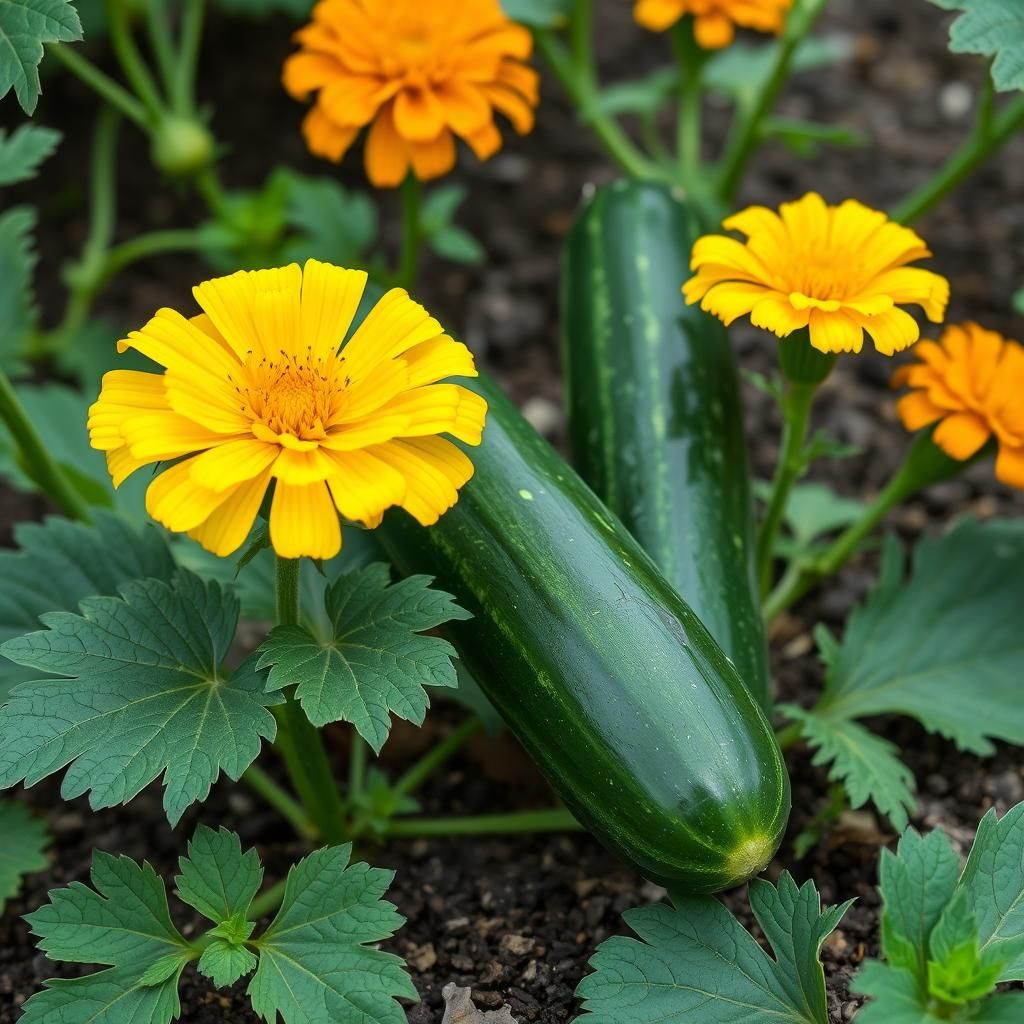
Companion planting is a popular gardening technique that involves strategically placing different plants together to enhance growth, deter pests, and improve overall garden health. One common pairing that gardeners often consider is marigolds alongside cucumbers. This article explores the benefits of planting marigolds next to cucumbers, including pest control and soil health, while also providing practical tips for successful companion planting. Discover how these vibrant flowers can not only beautify your garden but also provide vital support to your cucumber plants, making for a fruitful and thriving garden environment.
Can I Plant Marigolds Next to Cucumbers?
Yes, you can plant marigolds next to cucumbers. In fact, planting marigolds near cucumbers can be beneficial for your garden. Marigolds are known for their ability to attract beneficial insects and repel pests such as aphids and whiteflies that commonly affect cucumbers. The presence of marigolds can create a more balanced ecosystem in your garden, which can lead to healthier cucumber plants and potentially improved yields. Moreover, marigolds can attract pollinators, which are essential for the reproduction of flowering plants, including cucumbers.
Benefits of Planting Marigolds with Cucumbers
Planting marigolds alongside cucumbers provides several benefits, including pest repellence and attracting pollinators. The scent of marigolds can deter pests like nematodes and beetles while attracting ladybugs and other beneficial insects that feed on harmful pests. This natural method of pest control can significantly reduce the need for chemical pesticides, leading to a healthier garden environment.
Companion Planting and Its Importance
Companion planting is a gardening technique that involves planting different species together for mutual benefits. When cucumbers are planted near marigolds, the marigolds offer shade and can help regulate soil temperatures, which is advantageous for cucumber growth. Moreover, companion planting can enhance biodiversity in the garden, reducing the likelihood of pest outbreaks and diseases.
Potential Compatibility Issues
While marigolds and cucumbers are generally compatible, there are some considerations to keep in mind. Overcrowding can occur if both plants do not have enough space to grow, potentially leading to decreased air circulation and increased humidity, which could encourage fungal diseases. Therefore, it's essential to space both plants adequately to avoid any compatibility issues.
Best Practices for Planting
When planting marigolds next to cucumbers, ensure that both plants are given enough sunlight and appropriate soil conditions. Marigolds thrive in well-draining soil and require full sun, just like cucumbers. Regular watering and monitoring for pests will help maintain a healthy relationship between the two plants. Consider planting marigolds as a border around your cucumber plants to maximize their protective benefits.
Types of Marigolds Suitable for Cucumbers
There are several types of marigolds, but French marigolds and African marigolds are the most suitable for companion planting with cucumbers. French marigolds tend to be smaller and can be planted densely, making them ideal for tight spaces. African marigolds, on the other hand, grow larger and can provide a more substantial visual barrier against pests.
| Type of Marigold | Benefits | Ideal Size |
|---|---|---|
| French Marigolds | Attracts beneficial insects, repels nematodes | Small (6-12 inches) |
| African Marigolds | Large blooms, effective as a pest deterrent | Large (12-36 inches) |
What not to pair with cucumbers?
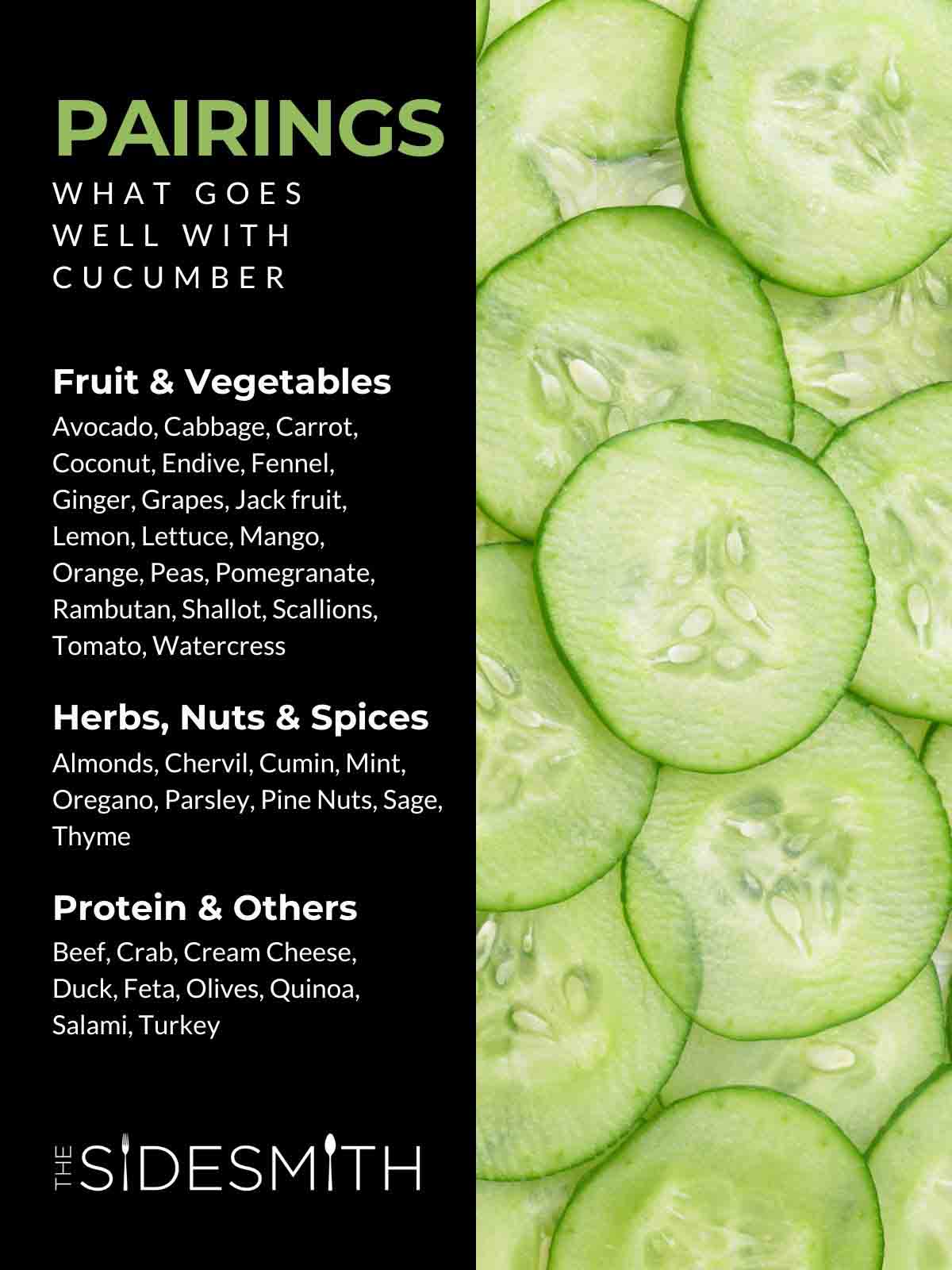

Cucumbers are a versatile vegetable commonly used in salads, sandwiches, and a variety of dishes. However, certain combinations can result in undesirable flavors or textures. It’s essential to know what not to pair with cucumbers to ensure your meals are pleasant and enjoyable.
Conflicting Flavors
Cucumbers possess a mild, refreshing taste that can easily be overwhelmed by stronger flavors. Avoid pairing them with ingredients that have aggressive tastes, as this can lead to an unbalanced dish. Examples include:
- Garlic: While garlic is often used to enhance flavors, its strong pungency can dominate the subtlety of cucumbers.
- Smoked meats: The heavy, smoky flavor of meats like bacon or sausage can overpower the refreshing profile of cucumbers.
- Strong cheeses: Cheeses such as blue cheese or aged cheddar can create a clash with the crispness of cucumber.
High Acidity Combinations
Cucumbers are delicate and can be negatively affected by high levels of acidity. Certain acidic ingredients can alter their texture and flavor. It's best to avoid pairing them with:
- Lemon juice: While a little can enhance flavor, excessive amounts can make cucumbers mushy.
- Sour cream: This can lead to an unpleasant sourness when mixed in large quantities.
- Pickled items: Foods like pickles and olives can overpower the subtle taste of fresh cucumbers.
Cooking Methods that Alter Texture
Cucumbers are best enjoyed raw, so it’s important to avoid cooking methods that change their texture too drastically. For instance, do not pair them with:
- Roasting: Cooking cucumbers at high temperatures can make them mushy and unpalatable.
- Boiling: Like roasting, this method destroys the crisp texture and fresh flavor of cucumbers.
- Frying: Frying cucumbers can lead to a soggy texture that is not appealing.
Hearty Ingredients
When combining cucumbers with heartier, denser ingredients, the contrast can impact the meal negatively. Some ingredients to avoid include:
- Starchy vegetables: Pairing cucumbers with potatoes or corn can create a mismatched texture.
- Heavy grains: Foods like quinoa or brown rice can overshadow the lightness of cucumbers.
- Beans: The creaminess of beans can conflict with the crisp bite of cucumbers.
Sweet Foods
Cucumbers have a subtle flavor that may not mesh well with overly sweet ingredients. Be cautious about combining them with:
- Fruits: Sweet fruits like apples or grapes can create an incompatible flavor profile.
- Honey or syrups: While they add a richness, they can make the cucumber taste bland against sweetness.
- Sweets or desserts: Avoid pairing cucumbers with desserts that are excessively sweet, as they can compete for attention.
Can you plant marigolds around cucumbers?
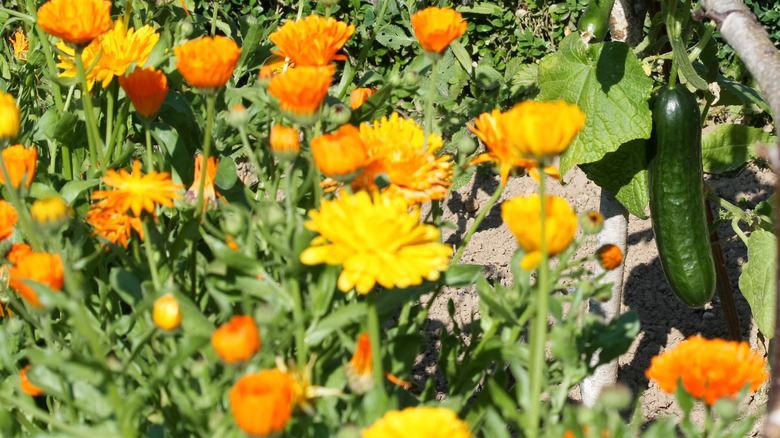
Yes, you can plant marigolds around cucumbers. This practice is commonly adopted by gardeners due to the numerous benefits that marigolds provide. They can serve as a natural way to deter pests, improve pollination, and enhance the overall health of the cucumber plants. Here are some important aspects to consider when planting marigolds alongside cucumbers:
See also:
Benefits of Planting Marigolds with Cucumbers
Planting marigolds near cucumbers offers several advantages that can significantly improve your garden's ecosystem:
- Pest Deterrence: Marigolds are known to repel various pests, including nematodes, aphids, and whiteflies, which can harm cucumber plants.
- Attracting Beneficial Insects: The bright flowers of marigolds attract pollinators and beneficial insects, such as ladybugs and lacewings, which help control pest populations.
- Soil Health Improvement: Marigolds can contribute to improved soil health by suppressing soil-borne pathogens and enhancing nutrient availability.
Optimal Spacing for Marigolds and Cucumbers
When planting marigolds alongside cucumbers, it’s essential to consider the appropriate spacing to maximize growth and sunlight exposure:
- Marigold Height: Choose shorter varieties of marigolds to ensure they do not overshadow cucumber plants, which thrive in full sunlight.
- Disease Prevention: Maintain enough space between plants to allow for good air circulation, reducing the risk of fungal diseases.
- Companion Planting: Follow the recommended spacing guidelines to prevent overcrowding, ensuring both marigolds and cucumbers can flourish.
Choosing the Right Marigold Variety
There are several varieties of marigolds, and selecting the appropriate type can enhance the benefits of companion planting:
- French Marigolds: This variety is excellent for pest control and has a compact growth habit, making it ideal for planting near cucumbers.
- African Marigolds: These taller marigolds can be used to create a barrier against pests, though they should be planted away from the direct canopy of cucumbers.
- Signet Marigolds: Smaller and more delicate, these marigolds can be used effectively in borders while offering pest-repelling qualities.
Soil and Nutrient Requirements
Both marigolds and cucumbers thrive in similar soil conditions, but some specific considerations can enhance growth:
- Well-Drained Soil: Ensure the soil is well-draining to prevent root rot, which can affect both marigolds and cucumbers.
- Nutrient-Rich Amendments: Incorporate compost or aged manure into the soil to provide essential nutrients for both plants.
- pH Levels: Aim for a soil pH level between 6.0 and 7.0 to optimize nutrient uptake for both marigolds and cucumbers.
Maintenance Tips for Companion Planting
To ensure a successful companion planting experience with marigolds and cucumbers, consider these maintenance tips:
- Regular Watering: Both marigolds and cucumbers require consistent moisture, so regular watering is crucial, especially during dry spells.
- Pest Monitoring: Regularly check for pest activity and take action promptly to protect your cucumber plants.
- Pruning and Weeding: Keep the area free of weeds and prune marigolds as needed to promote healthy growth without overcrowding.
Questions from Our Readers
Can I plant marigolds next to cucumbers?
Yes, you can plant marigolds next to cucumbers. In fact, marigolds can help deter pests that might harm cucumbers, making them a beneficial companion plant in the garden.
What benefits do marigolds provide when planted near cucumbers?
Planting marigolds alongside cucumbers can offer several benefits, including pest control due to their natural scent, which repels harmful insects. Additionally, they can attract pollinators that enhance cucumber yield.
Are there any concerns with planting marigolds next to cucumbers?
While marigolds are generally good companions for cucumbers, it’s essential to ensure that they do not compete for nutrients or water. Overcrowding can lead to poor growth, so spacing is crucial.
See also:
What types of marigolds are best for planting with cucumbers?
French marigolds and African marigolds are excellent options to plant with cucumbers. These varieties are known for their pest-repelling properties and can thrive alongside cucumber plants.

If you want to read more articles like Can I Plant Marigolds Next to Cucumbers? Benefits and Tips for Companion Planting, we recommend you check out our Garden category.
Leave a Reply
Related Articles