Which Plants Should You Not Touch? A Guide to Toxic and Dangerous Flora
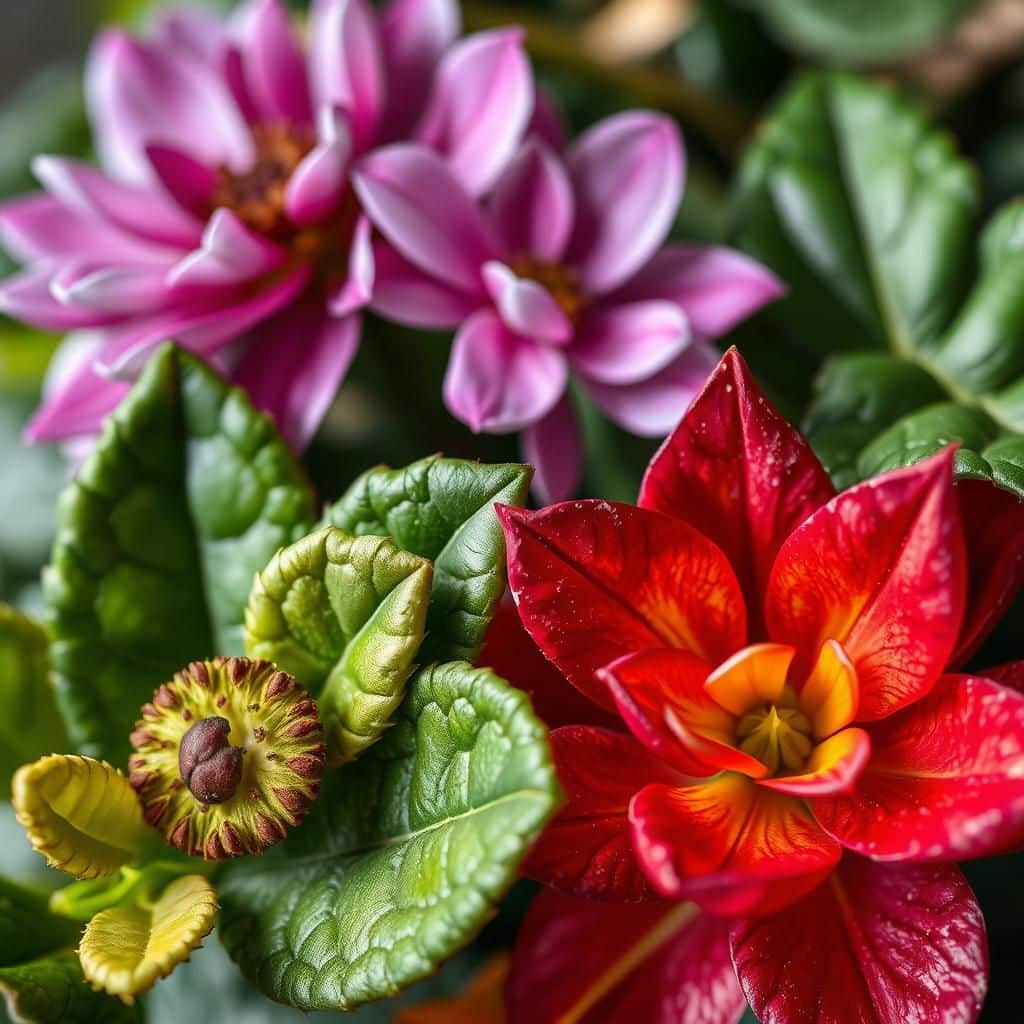
In the vast and diverse world of plants, not all are friendly companions for humans. While many flora offer beauty and utility, some harbor toxic properties that can pose serious health risks. Knowing which plants to avoid is crucial for gardeners, hikers, and nature enthusiasts alike. This guide explores a selection of toxic and dangerous plants, highlighting their characteristics, potential dangers, and effective measures for safe interaction. By familiarizing ourselves with these harmful species, we can enjoy nature's bounty while safeguarding our health and that of our loved ones.
Plants You Should Avoid Touching
Certain plants can pose significant risks to human health due to their toxic properties or skin irritants. For example, the highly dangerous poison ivy contains an oil called urushiol, which can cause severe allergic reactions upon contact with skin. Similarly, the deadly nightshade (Atropa belladonna) has berries and foliage that are extremely toxic if ingested. It is essential to familiarize yourself with these plants and maintain a safe distance, as some can lead to severe health issues or even fatalities. Always wear protective clothing when working in environments where these plants may be present to prevent any unwanted interactions.
Poison Ivy
Poison ivy is known for its irritating oil, urushiol, which can trigger an itchy, blistering rash upon contact with skin. This plant is commonly found in wooded areas and gardens and can grow as a vine or shrub. Even the dead leaves and roots can cause a reaction, and the rash can take several weeks to heal. To avoid exposure, it's important to recognize this plant by its characteristic three-leaf clusters and to wash any clothing or tools that may have come into contact with it.
Deadly Nightshade
Also known as belladonna, deadly nightshade is infamous for its highly toxic berries and leaves. The plant contains tropane alkaloids such as atropine and scopolamine, which can cause hallucinations, unconsciousness, and even death if ingested. It's often found in woodland areas and prefers shaded habitats. Due to its attractive berries, children may be particularly tempted to handle or eat them, making it crucial for caregivers to educate about the dangers of this plant.
Stinging Nettle
Stinging nettle is a perennial plant that is covered in tiny hairs that can inject irritating compounds into the skin upon contact. This results in a painful burning sensation, redness, and swelling that can last for hours. While it can be safely handled when processed correctly, untrained individuals should exercise extreme caution. People should wear gloves if they need to touch it and consider using tools to avoid direct contact.
Foxglove
Foxglove, known scientifically as Digitalis, is famous for its bell-shaped flowers and striking appearance. However, this plant is highly toxic due to the presence of cardiac glycosides in its leaves and flowers, which can cause nausea, vomiting, and heart complications if ingested. Due to its attractive floral display, it is commonly cultivated in gardens but should always be handled with caution, especially by children and pets.
Poison Hemlock
Poison hemlock is another notorious plant that should not be touched. It contains potent alkaloids that can lead to respiratory failure and death when ingested, even in small quantities. Recognizable by its tall stalks and white flowers, this plant was historically used to execute prisoners in ancient times. Awareness of this plant is crucial for anyone spending time in regions where it grows, as contact or ingestion can be fatal.
| Plant | Risk | Symptoms |
|---|---|---|
| Poison Ivy | Skin irritation | Itchy rash, blisters |
| Deadly Nightshade | Highly toxic | Hallucinations, unconsciousness |
| Stinging Nettle | Skin irritation | Burning sensation, swelling |
| Foxglove | Highly toxic | Nausea, heart complications |
| Poison Hemlock | Deadly | Respiratory failure, death |
What plants are harmful to touch?

Many plants can pose risks when touched due to their toxicity, irritating sap, or spines. Here are some of the most harmful plants to touch:
1. Poison Ivy (Toxicodendron radicans): This plant contains an oil called ursolic acid that can cause severe skin reactions. Touching any part of the plant can result in itching, swelling, and painful blisters.
2. Giant Hogweed (Heracleum mantegazzianum): Its sap can cause photodermatitis, making the skin extremely sensitive to sunlight, leading to severe burns and blistering.
3. Stinging Nettle (Urtica dioica): This common plant has tiny, hair-like structures that release a sting when touched, causing intense itching, burning, and a rash.
See also:
4. Oleander (Nerium oleander): While often admired for its beauty, all parts of this plant are toxic. Contact with the sap can cause skin irritation, nausea, and other serious health issues if ingested.
5. Foxglove (Digitalis purpurea): Though attractive with its bell-shaped flowers, touching this plant can lead to skin irritation, and the toxins it contains can be harmful if ingested.
Poison Ivy: The Itchy Peril
Poison ivy is notorious for its ability to cause intense allergic reactions upon contact. Even touching clothing or tools that have come into contact with the plant can transfer the irritant oil.
- Identification: It typically has three glossy leaflets.
- Symptoms: Red rash, swelling, and blisters appear within 24-48 hours.
- Treatment: Over-the-counter antihistamines and topical corticosteroids are commonly used.
Giant Hogweed: A Dangerous Beauty
Giant hogweed is large and visually striking but brings severe risks. Its sap contains compounds that interact with sunlight and can cause painful burns.
- Identification: It can grow up to 14 feet tall, with white flowers resembling an umbrella.
- Symptoms: Skin blistering upon exposure to sunlight after contact with the sap.
- Treatment: Immediate washing with soap and water is essential, followed by protection from sunlight.
Stinging Nettle: Nature's Irritant
Stinging nettle is often underestimated due to its common presence in gardens and wild areas. However, its ability to inflict a painful sting makes it a plant to be wary of.
- Identification: It's characterized by serrated leaves and stinging hairs on the underside.
- Symptoms: Intense itching and burning sensation upon contact.
- Treatment: Applying a cold compress can alleviate symptoms.
Oleander: The Beautiful but Toxic Flower
Oleander is admired for its fragrant flowers but is highly toxic. All parts of the plant contain cardiotoxins that can lead to serious health risks if ingested or if the sap contacts the skin.
- Identification: It has long, narrow leaves with clusters of colorful flowers.
- Symptoms: Skin irritation, along with gastrointestinal symptoms if ingested.
- Treatment: Seek medical attention immediately if ingested or if severe symptoms develop.
Foxglove: A Delicate Yet Dangerous Plant
While attractive, foxglove is a very toxic plant, particularly due to its heart-related compounds. Touch can cause skin irritation, and ingestion can lead to severe complications.
- Identification: Bell-shaped flowers that range from purple to white.
- Symptoms: Skin irritation and heart-related issues if ingested.
- Treatment: Medical evaluation and treatment are crucial if symptoms arise.
What plants can irritate the skin if touched?

Many plants have evolved to produce compounds that can cause skin irritation upon contact. These irritants can range from mild to severe reactions, depending on the individual's sensitivity and the amount of exposure. Below is a detailed look at some of the most common plants known to cause skin irritation.
Poi son Ivy
Poison Ivy is notorious for causing allergic reactions in many individuals. The plant produces an oily resin called urushiol, which can lead to symptoms such as redness, itching, and blisters when it comes into contact with the skin.
- Identification: Look for its signature three-leaf structure.
- Symptoms: Includes rash, swelling, and persistent itching.
- Treatment: Wash skin with soap and water immediately; topical corticosteroids can alleviate symptoms.
Poison Oak
Similar to poison ivy, Poison Oak also contains urushiol and can cause severe skin reactions. It typically grows in shrubby form and its leaves are more lobed than those of poison ivy.
- Habitat: Commonly found in the western United States.
- Symptoms: Affected areas often develop red rashes and bumps.
- Management: Calm the irritation with cool compresses and by taking antihistamines.
Poison Sumac
Poison Sumac contains even higher concentrations of urushiol than poison ivy and poison oak. It usually grows as a shrub or small tree in wet areas, making it less common in dry regions.
See also:
- Appearance: Features 7-13 leaflets in a compound leaf arrangement.
- Reactions: Skin exposure can result in severe blistering and itching.
- Remedies: Immediate washing and application of anti-inflammatory creams are advised.
Gi ant Hogweed
Giant Hogweed is not only a physical hazard due to its size but also a chemical one. It contains furanocoumarins that can cause severe skin burns when exposed to sunlight after contact.
- Size: Can grow up to 14 feet tall, making it easily identifiable.
- Symptoms: First-degree burns, blistering, and skin discoloration.
- First Aid: Avoid sunlight and seek medical help for severe burns.
Welch’s Thistle
Welch’s Thistle can cause skin irritation due to its sharp thorns and sap that may evoke an allergic reaction. While not as commonly encountered, its effects should not be underestimated.
- Identification: It features spiny leaves and stems, which pose a physical hazard.
- Reactions: Can cause minor cuts and allergic skin responses.
- Advice: Use gloves and protective clothing when handling it and apply antiseptic for cuts.
What is a plant that does not like to be touched?
The plant that is known for not liking to be touched is the sensitive plant, scientifically named Mimosa pudica. This fascinating species is famous for its unique response to touch, folding its leaves and drooping its stems when disturbed. This defensive reaction helps protect the plant from herbivores in its natural habitat, making it a captivating specimen for botany enthusiasts and casual plant lovers alike.
Characteristics of the Sensitive Plant
The sensitive plant possesses several unique characteristics that contribute to its notable behavior.
- Leaf Structure: The leaves of Mimosa pudica are compound and divided into smaller leaflets, which can quickly fold when touched.
- Movement Response: The plant responds to physical touch by undergoing a rapid loss of turgor pressure in its cells, leading to its defensive folding behavior.
- Habitat: This plant thrives in tropical environments, often found in disturbed soils and roadsides, where it can easily be touched or brushed against.
Defense Mechanism
The folding reaction is not simply for show; it serves as an essential defense mechanism for the plant.
- Predator Deterrence: By closing its leaves, the plant may deter herbivores who may find it less appealing.
- Water Conservation: Closing its leaves can help reduce water loss during hot, dry conditions, making it a survival strategy.
- Signal to Neighbors: This reaction can also signal neighboring plants to prepare for potential threats.
Growing Conditions
If you're considering growing a sensitive plant, it's important to understand its specific environmental needs.
- Light Requirements: The sensitive plant prefers bright, indirect sunlight; too much direct sunlight can scorch its leaves.
- Soil Type: It thrives in well-draining soil, ideally with a mixture of potting soil and sand to ensure proper aeration.
- Watering Needs: Regular watering is essential, but overwatering should be avoided to prevent root rot.
Cultural Significance
The sensitive plant has captured attention not only for its botanical features but also for its cultural implications.
- Educational Tool: Often used in educational settings to demonstrate plant responses to stimuli, fostering interest in botany.
- Symbol of Sensitivity: In various cultures, it symbolizes fragility and the importance of touch, sometimes used in poetry and art.
- Traditional Medicine: Some traditional practices utilize components of the sensitive plant for potential medicinal properties.
Care Tips for Sensitive Plants
To keep your sensitive plant healthy and thriving, follow these care tips.
- Humidity Levels: Sensitive plants prefer higher humidity, so misting the leaves or using a humidifier can be beneficial.
- Fertilization: Regular fertilization during the growing season aids in its growth and vibrancy, using a balanced, diluted liquid fertilizer.
- Pruning: Regular pruning helps maintain shape and encourages bushier growth, keeping your plant healthy.
Questions from Our Readers
Which plants are known to be toxic if touched?
Certain plants like poison ivy, poison oak, and poison sumac can cause severe skin reactions upon contact. These plants contain an oil called urushiol, which can lead to allergic reactions in many individuals, resulting in uncomfortable rashes and blisters.
Are there any common houseplants that should not be touched?
Yes, some common houseplants like dieffenbachia (also known as dumb cane) and philodendron can be harmful to humans and pets. Their sap contains calcium oxalate crystals, which can cause irritation in the mouth and throat if ingested or even upon skin contact.
What are the symptoms of touching a harmful plant?
Symptoms may include itching, redness, or swelling of the skin, commonly referred to as a rash. In some cases, individuals may experience more severe reactions such as blistering or difficulty breathing if the plant's toxins are more potent.
See also:
How can you safely handle plants that are dangerous to touch?
To handle dangerous plants safely, always wear gloves and protective clothing. It's also advisable to wash your hands thoroughly after handling any plant material and to educate yourself on identifying hazardous species in your environment.

If you want to read more articles like Which Plants Should You Not Touch? A Guide to Toxic and Dangerous Flora, we recommend you check out our Plants category.
Leave a Reply
Related Articles