What is the Most Poisonous Flower to Dogs? Discover the Dangerous Plants for Your Pets

When it comes to keeping our furry friends safe, understanding the dangers that lurk in our gardens is crucial. While many plants add beauty to our homes, some can pose severe health risks to dogs. This article dives into the world of toxic flora, identifying the most poisonous flower for dogs and exploring various plants that can be hazardous for your pets. By raising awareness of these dangerous species, we aim to empower pet owners to make informed choices about their gardens and create a safer environment for their beloved companions. Protecting our pets begins with knowledge—let's explore!
What is the Most Poisonous Flower to Dogs?
The most poisonous flower to dogs is the lily, particularly the Easter lily, which can cause severe renal failure if ingested. While many plants can be toxic to pets, lilies are particularly dangerous because even a small amount of the plant can lead to serious health issues. Symptoms of lily poisoning in dogs may include vomiting, lack of appetite, lethargy, and abdominal pain. Immediate veterinary attention is crucial if you suspect your dog has ingested any part of a lily, as prompt treatment can significantly improve the prognosis.
Symptoms of Lily Poisoning in Dogs
Symptoms of lily poisoning in dogs can appear within a few hours of ingestion and may include vomiting, diarrhea, and severe lethargy. Affected dogs might also show signs of discomfort such as whining or pacing. Additionally, increased thirst and urination can occur if kidney damage begins to develop, which often leads to more severe complications. Recognizing these symptoms early is essential for effective treatment and can greatly affect the outcome of the situation.
Treatment Options for Poisoning
If a dog is suspected of having ingested a lily, immediate veterinary care is necessary. Treatment typically includes inducing vomiting to remove any remaining toxins from the stomach, followed by supportive care such as intravenous fluids to maintain hydration and promote kidney function. In some cases, activated charcoal may be administered to help absorb the toxins in the gastrointestinal tract. The veterinarian may monitor kidney function through blood tests and adjust treatment protocols accordingly.
Other Toxic Flowers for Dogs
While lilies are among the most dangerous, other flowers can also pose risks to dogs. Common flowers such as roses, daffodils, and azaleas can cause various harmful effects. For instance, daffodils can lead to gastrointestinal upset and, if ingested in large quantities, may cause more severe symptoms, such as cardiac arrhythmias. Owners should be vigilant about which plants are accessible to their pets, as many ornamental flowers can be toxic.
Preventive Measures for Dog Owners
To protect dogs from hazardous plants, owners should carefully select dog-safe varieties for their gardens and homes. It's important to research any new plant before introducing it to the living space. Additionally, regular training can help educate pets about staying away from potentially harmful plants, and close supervision can be key when dogs are outdoors where toxic flora may be present.
Emergency Steps if Ingestion Occurs
If a dog is suspected of ingesting a toxic flower like a lily, the first step is to contact a veterinarian or an emergency animal poison control hotline immediately. Providing the veterinarian with information about the plant ingested and the estimated quantity can be critical for proper treatment. While waiting for professional help, pet owners should be prepared to follow any instructions given by veterinary staff, which may include inducing vomit or monitoring for specific symptoms.
| Toxic Flower | Symptoms | Severity |
|---|---|---|
| Lilies | Vomiting, lethargy, kidney failure | High |
| Daffodils | Gastrointestinal upset, heart issues | Medium |
| Azaleas | Vomiting, diarrhea, potential coma | High |
| Rhododendrons | Weakness, drooling, lethargy | High |
| Oleander | Cardiac issues, vomiting, seizures | Very High |
Which common flower is highly toxic to dogs?

The common flower that is highly toxic to dogs is the lily. Specifically, varieties like the Easter lily, Tiger lily, and Day lily are especially dangerous. These lilies can cause severe kidney damage in dogs, leading to potential renal failure if ingested. It is critical for dog owners to be aware of these flowers and prevent their pets from coming into contact with them, as ingestion can occur even in small amounts.
Symptoms of Lily Poisoning in Dogs
Signs of lily poisoning in dogs can vary, but it is essential to recognize them as soon as possible. Common symptoms include:
- Vomiting: Often the first sign that something is wrong.
- Diarrhea: Can occur alongside vomiting.
- Lethargy: A noticeable decrease in energy levels and activity.
- Loss of appetite: Refusal to eat can indicate discomfort or illness.
- Increased thirst: Dogs may drink more water to cope with kidney issues.
Immediate Actions to Take if Your Dog Ingests Lilies
If you suspect that your dog has ingested any part of a lily, it is crucial to act quickly. Here are steps to follow:
- Contact your veterinarian: Immediate consultation is necessary for further advice.
- Provide information: Be ready to inform the vet about the type of lily and the amount ingested.
- Follow instructions: Your vet may recommend bringing your dog in for treatment or monitoring symptoms at home.
- Avoid home remedies: Do not attempt to induce vomiting without professional guidance.
- Monitor your pet: Keep a close eye on any developing symptoms for further guidance.
Long-Term Effects of Lily Poisoning
Even after treatment, some dogs may face long-term consequences from lily poisoning. Common long-term effects include:
- Kidney damage: Depending on the amount ingested and the timeliness of treatment, this may lead to chronic issues.
- Frequent urination: Dogs may have ongoing issues with hydration and urination patterns.
- Diet adjustments: Special diets may be necessary to support kidney health.
- Ongoing vet visits: Regular check-ups may be required to monitor kidney function.
- Behavioral changes: Some dogs may become more cautious or anxious after an episode of poisoning.
Preventing Lily Poisoning in Dogs
To prevent lily poisoning, dog owners can take several proactive steps. Consider the following strategies:
See also:
- Identify toxic plants: Familiarize yourself with the plants that are harmful to dogs, especially lilies.
- Keep lilies out of reach: If you enjoy having lilies in your home, place them in areas inaccessible to your pets.
- Educate visitors: Inform friends and family about the risks of bringing lilies or similar flowers around your dog.
- Landscaping choices: Choose dog-safe plants for your garden to minimize the risk of exposure.
- Monitor outdoor activities: Supervise your dog when outside, especially in areas with wildflowers or gardens.
Alternative Safe Flowers for Dog Owners
There are many beautiful flowers that are safe for dogs, allowing you to enjoy gardening or floral displays without the risks associated with toxic plants. Consider these options:
- Roses: A classic choice that is not harmful to dogs.
- Sunflowers: Bright and cheerful, sunflowers are safe and dog-friendly.
- Orchids: These exotic flowers are non-toxic and can add elegance to your collection.
- Gerbera daisies: Vibrant and friendly, these are safe for both dogs and cats.
- Bamboo palm: A great indoor plant option that poses no threat to pets.
What's the most poisonous plant for dogs?
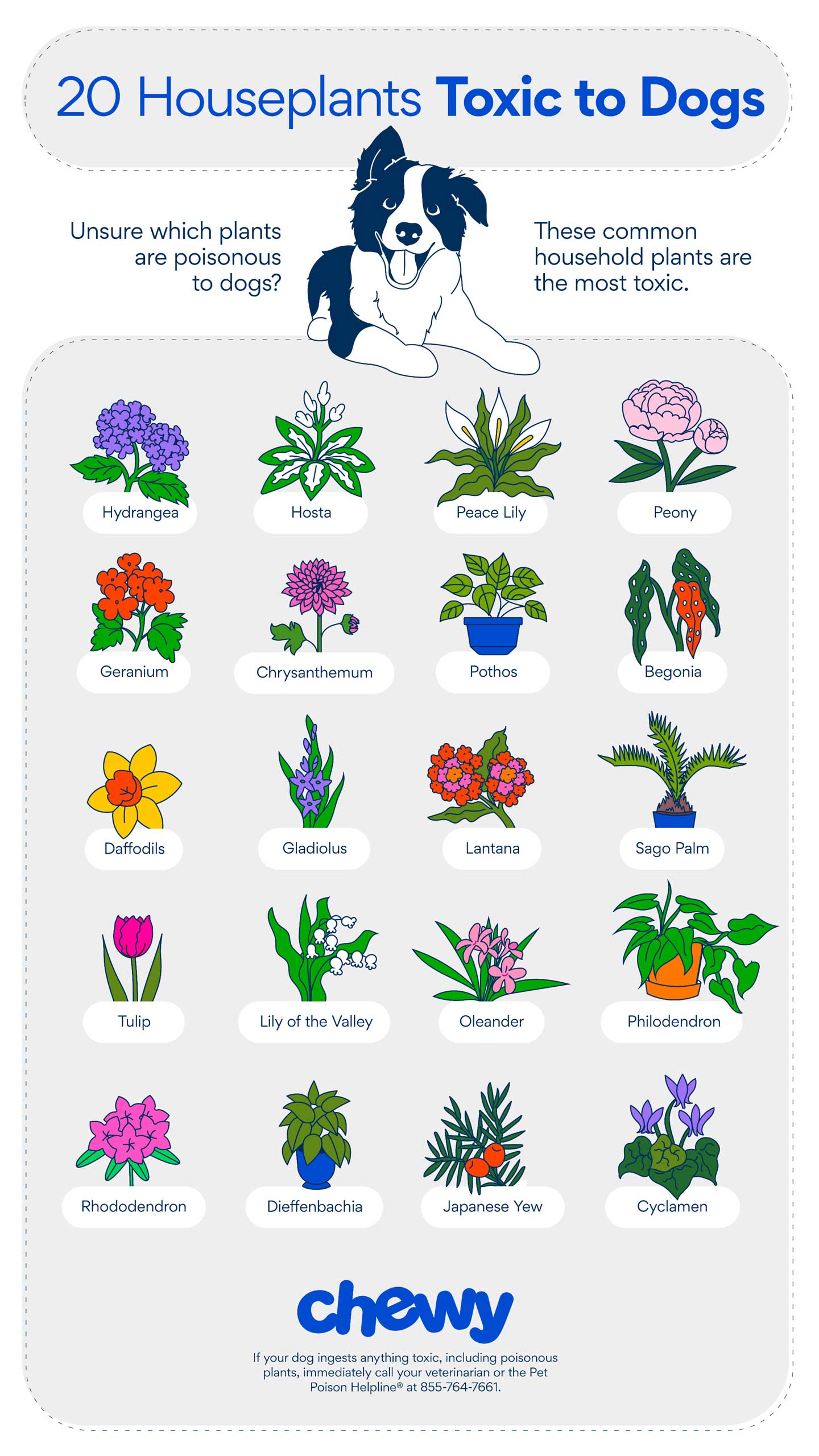
The most poisonous plant for dogs is the oleander (Nerium oleander). This plant contains several toxic compounds, including cardiac glycosides, which can lead to severe health problems or even death in dogs if ingested. The symptoms of oleander poisoning may include vomiting, diarrhea, decreased heart rate, and severe lethargy. Even small amounts of oleander can be dangerous, making it crucial for dog owners to be aware of this plant and keep it out of their pets' reach.
Symptoms of Oleander Poisoning
The symptoms of oleander poisoning in dogs can vary in severity depending on the amount ingested. Common symptoms include:
- Gastrointestinal Issues: Vomiting and diarrhea are the most frequent signs of oleander poisoning.
- Cardiac Symptoms: Changes in heart rate, which may include bradycardia (slow heart rate) or arrhythmias.
- CNS Effects: Symptoms such as lethargy, weakness, and disorientation can occur.
Preventing Oleander Poisoning
To prevent oleander poisoning in dogs, follow these safety measures:
- Remove Oleander Plants: If you have oleander in your garden, consider removing it to eliminate any risk.
- Pet Education: Educate family members about the dangers of this plant and similar toxic plants.
- Alternative Plants: Opt for non-toxic plants to reduce the risk of poisoning.
What to Do If Your Dog is Poisoned
If you suspect your dog has ingested oleander, take immediate action:
- Contact Your Veterinarian: They can provide specific advice and a course of action.
- Emergency Vet Visit: Be prepared to take your dog to an emergency veterinary clinic if necessary.
- Provide Information: Inform the vet about the potential ingestion and any symptoms exhibited.
Other Poisonous Plants for Dogs
Besides oleander, there are several other plants that pose risks to dogs:
- Azalea: Ingestion can lead to vomiting, diarrhea, and potentially fatal heart problems.
- Sago Palm: All parts are toxic, particularly the seeds, which can cause severe liver failure.
- Foxglove: This plant also contains cardiac glycosides similar to oleander and can disrupt heart function.
Learning More About Plant Toxicity
To ensure the safety of your dog, it's crucial to educate yourself about plant toxicity:
- Resources: Utilize veterinary resources and websites dedicated to pet care.
- Toxicity Lists: Refer to comprehensive lists of poisonous plants available online.
- Consult a Veterinarian: Regular consultations with your vet can provide valuable insights into safe plant choices.
What is the most common poison for dogs?
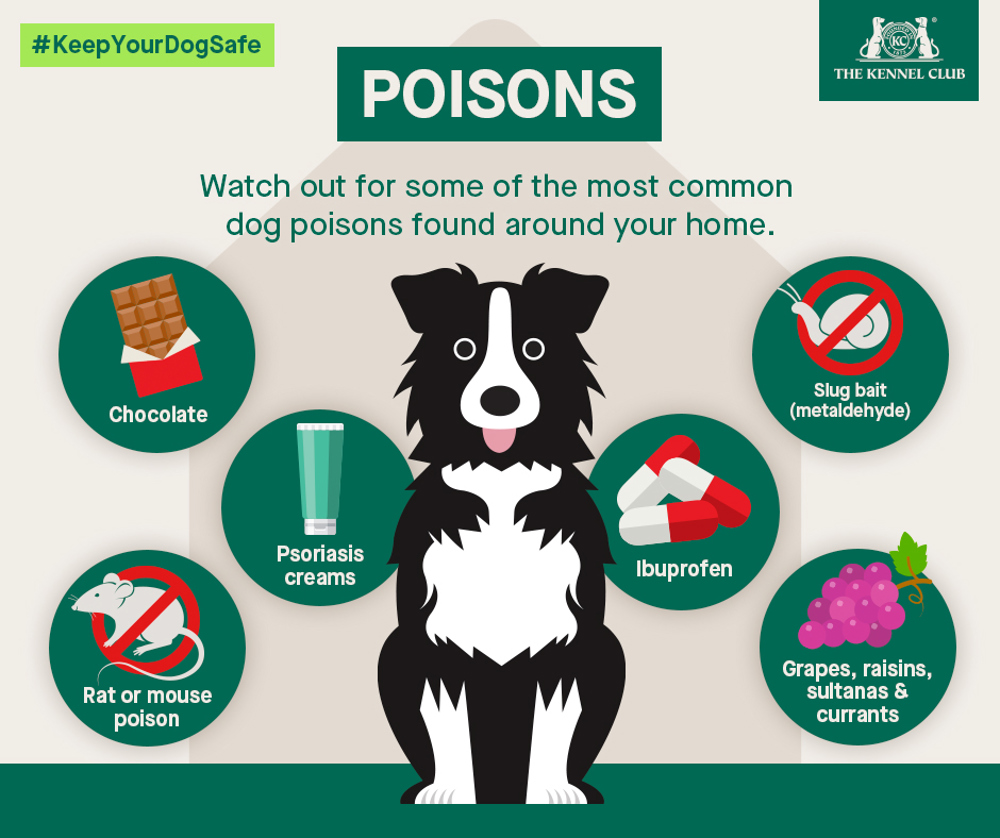
The most common poison for dogs is chocolate. Chocolate contains substances called theobromine and caffeine, both of which are toxic to dogs. The severity of chocolate poisoning is determined by the type and amount of chocolate ingested, as well as the size of the dog. Even small amounts can lead to hyperactivity, increased heart rate, and in severe cases, seizures or death.
Symptoms of Chocolate Poisoning in Dogs
The symptoms of chocolate poisoning can vary based on the amount ingested and the size of the dog. Common signs to watch for include:
- Vomiting: This can occur within a few hours of ingestion.
- Diarrhea: Some dogs may experience gastrointestinal upset.
- Increased thirst: A dog may drink more water than usual.
- Restlessness: The dog may seem anxious or unable to settle down.
- Tremors or seizures: In severe cases, a dog could have muscle tremors or seizures.
Types of Chocolate and Their Toxicity
Different types of chocolate contain varying levels of theobromine. Here are the most common types and their toxicity level:
- Dark Chocolate: Contains the highest concentration of theobromine, making it the most dangerous.
- Milk Chocolate: Contains lower levels than dark chocolate but can still be harmful in larger amounts.
- White Chocolate: Contains very little theobromine; however, it is still not ideal due to high sugar and fat content.
What to Do If Your Dog Ingests Chocolate
If you suspect your dog has ingested chocolate, it's important to act quickly. Here are the steps to take:
See also:
- Contact your veterinarian: Provide details about the type and amount of chocolate.
- Induce vomiting: Your vet may recommend this action if the ingestion was recent.
- Monitor your dog: Keep an eye on symptoms and follow your vet’s advice on further actions.
Preventing Chocolate Poisoning in Dogs
Preventative measures can help avoid chocolate poisoning. Here are some strategies:
- Keep chocolate out of reach: Store chocolate products in secure places that dogs cannot access.
- Educate family and guests: Inform everyone about the dangers of giving chocolate to dogs.
- Use alternatives for treats: Opt for dog-safe treats to avoid accidental poisoning.
Seeking Veterinary Help
Seeking professional help is crucial when dealing with potential poisoning. Consider the following reasons:
- Expert assessment: Veterinarians can assess the severity and recommend the best course of action.
- Access to treatments: Vets can provide treatments such as activated charcoal or intravenous fluids.
- Follow-up care: Ongoing care and monitoring may be necessary based on your dog's condition.
What in a yard can be poisonous to dogs?
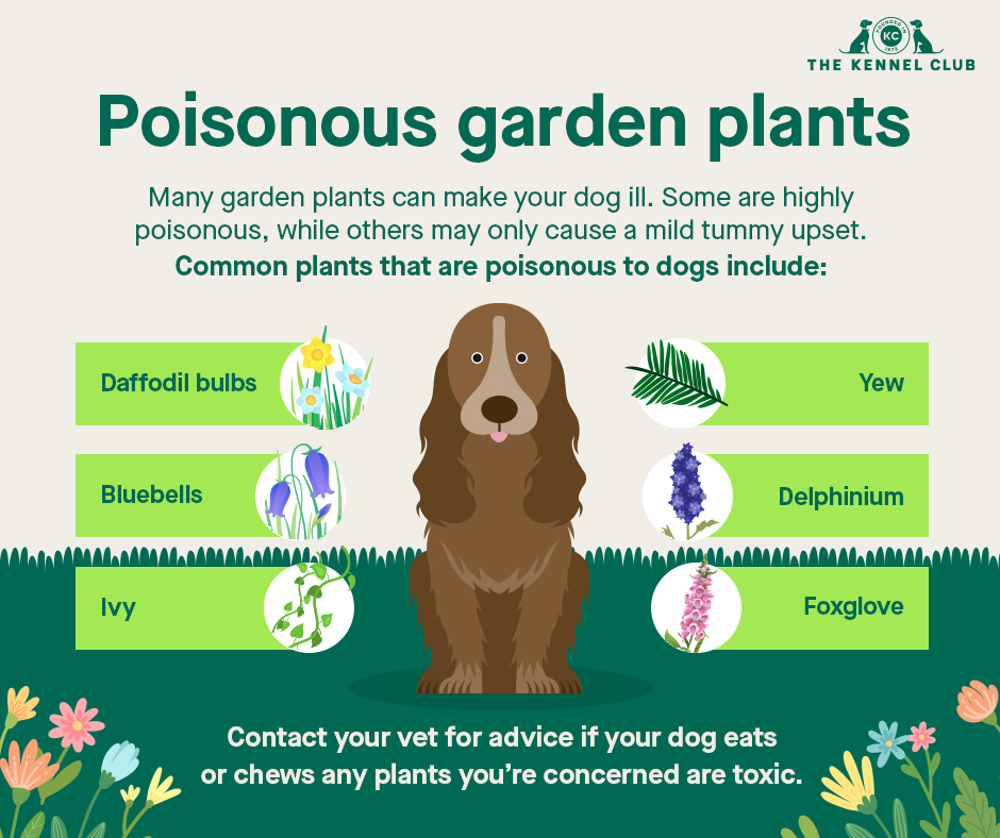
When it comes to hazards in your yard, it is crucial to be aware of plants, chemicals, and other materials that can pose a significant risk to your dog’s health. Several common items found in yards can be toxic if ingested or even absorbed through a dog's skin. Here are some of the most dangerous:
Common Poisonous Plants
Many plants are toxic to dogs, and it is essential to recognize the most common ones that might be in your yard. Some of these include:
- Azaleas: All parts of the azalea plant contain toxins that can lead to vomiting, diarrhea, and in severe cases, cardiac issues.
- Foxglove: This beautiful flower can cause serious heart problems, as it contains digitalis, which is highly toxic.
- Lilies: While more dangerous to cats, certain lily species can still upset a dog’s stomach and cause lethargy.
Yard Chemicals and Fertilizers
Chemicals used in yard maintenance can be very harmful to dogs. Here are some to consider:
- Herbicides: Many herbicides contain chemicals that can be extremely toxic, leading to serious gastrointestinal and neurological problems.
- Pesticides: Common pesticides can cause symptoms such as drooling, vomiting, and seizures upon ingestion or skin contact.
- Fertilizers: Certain fertilizers, especially those with chemical additives, can be harmful if ingested, potentially leading to gastrointestinal distress or other health issues.
Mulch and Compost Hazards
Certain types of mulch or compost can be hazardous to dogs:
- Cocoa Mulch: This mulch contains theobromine, which is similar to chocolate and can be fatal if ingested.
- Compost Bins: While generally safe, compost can sometimes contain spoiled food, especially certain fruits like grapes and raisins that are toxic to dogs.
- Wood Chips: Some wood chips, like those from black walnut trees, can be harmful if ingested, leading to tremors or seizures.
Human Food and Waste
Certain human foods and organic materials can be toxic to dogs if left accessible in the yard:
- Food Scraps: Foods that are safe for humans, like onions and garlic, can be highly toxic to dogs and should be disposed of properly.
- Dog Waste: Areas where dog waste accumulates can attract flies and dangerous parasites, so keep these areas clean to avoid health hazards.
- Fruit Seeds and Pits: The seeds and pits from fruits like apples and cherries can be toxic, so make sure to avoid leaving these in your yard.
Common Yard Debris
Everyday items or debris in the yard may be hazardous to dogs:
- Plastic Items: Bottles and wrappers can cause blockages if ingested, leading to serious health issues requiring veterinary intervention.
- Glass Shards: Broken glass can not only cause cuts but can also result in internal injuries if ingested.
- Metal Fragments: Rusty nails or metal pieces can pose choking hazards or cause internal injuries.
Questions from Our Readers
What is the most poisonous flower to dogs?
The most poisonous flower to dogs is the lily, specifically varieties such as Easter lilies and tiger lilies. These flowers can cause severe kidney damage in dogs, leading to serious health issues or even death if ingested.
What symptoms should I look for if my dog has ingested a poisonous flower?
Symptoms of flower poisoning in dogs can include vomiting, diarrhea, lethargy, and loss of appetite. If you suspect your dog has ingested a toxic flower, it's crucial to monitor them closely for these signs and seek veterinary assistance immediately.
How can I keep my dog safe from poisonous flowers?
To keep your dog safe, it's essential to identify and remove any poisonous flowers from your home and yard. Additionally, consider teaching your dog a leave it command to prevent them from sniffing or ingesting potentially dangerous plants.
What should I do if my dog eats a poisonous flower?
If your dog eats a poisonous flower, you should contact your veterinarian or an emergency pet clinic right away. Provide them with details about the flower ingested and any symptoms your dog is displaying to help determine the best course of action.
See also:

If you want to read more articles like What is the Most Poisonous Flower to Dogs? Discover the Dangerous Plants for Your Pets, we recommend you check out our Plants category.
Leave a Reply
Related Articles